When you first look at a cat scratching post, it is easy to think the rope is just a detail. Something simple. Something replaceable. But if you have ever watched a cat ignore a brand-new post and head straight for your couch instead, you already know better. The rope is not just decoration. It is the entire experience.
Scratching is deeply instinctual for cats. It helps them stretch, mark territory, and maintain healthy claws. For senior cats especially, it can also be a form of gentle exercise that keeps their joints moving and their muscles engaged. When the rope feels right under their paws, they come back to it again and again. When it does not, they quietly walk away.
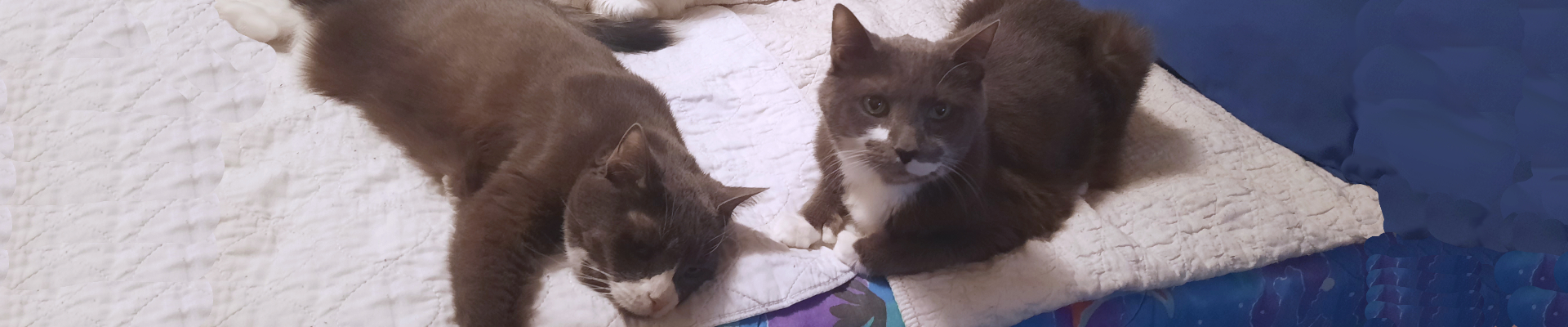
I remember watching Belle in her later years. Even with her health challenges, she still had that instinct to scratch even though she had been declawed. But she became picky. A post she loved one year suddenly did not feel right to her anymore. That was when I realized it was not about the post itself. It was about the texture, the grip, and how comfortable it felt on aging paws.
Choosing the right rope is not about aesthetics or trends. It is about understanding what your cat feels when they dig in.
The Feel of the Rope: Texture, Grip, and Comfort
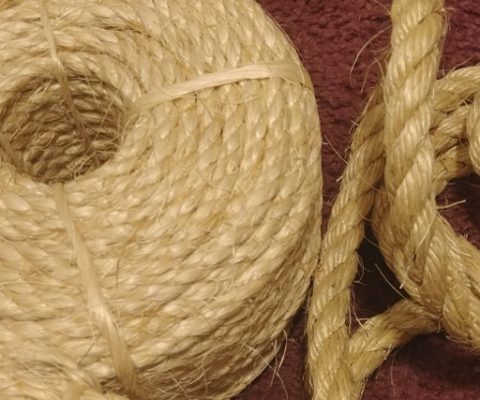 If you run your hand across different ropes, you will immediately notice how varied they can be. Some feel rough and fibrous, others smooth and tightly wound. Cats notice this difference even more than we do.
Most scratching posts use sisal rope, and for good reason. Sisal has a naturally coarse texture that allows claws to sink in just enough without getting stuck. It provides resistance, which gives cats that satisfying pull when they scratch. This resistance is part of what keeps them engaged.
But not all sisal is the same. Lower quality sisal can feel overly brittle or dusty. It may fray quickly or even break apart under repeated use. Higher quality sisal tends to be more durable and consistent in texture. It holds up longer and provides a more reliable scratching surface.
Jute rope is another option you may come across. It is softer than sisal and can feel gentler on sensitive paws. For some senior cats or cats with joint discomfort, this can be a good thing. However, it does not always offer the same level of resistance, which means some cats lose interest more quickly.
Cotton rope is even softer. It can be appealing if your cat avoids rough textures entirely, but it tends to wear down faster and may not give that deeply satisfying scratch response most cats crave. The balance you are looking for is simple but important. The rope should feel grippy but not harsh. It should invite your cat to dig in without making them pull away.
Durability and Safety: What Holds Up Over Time
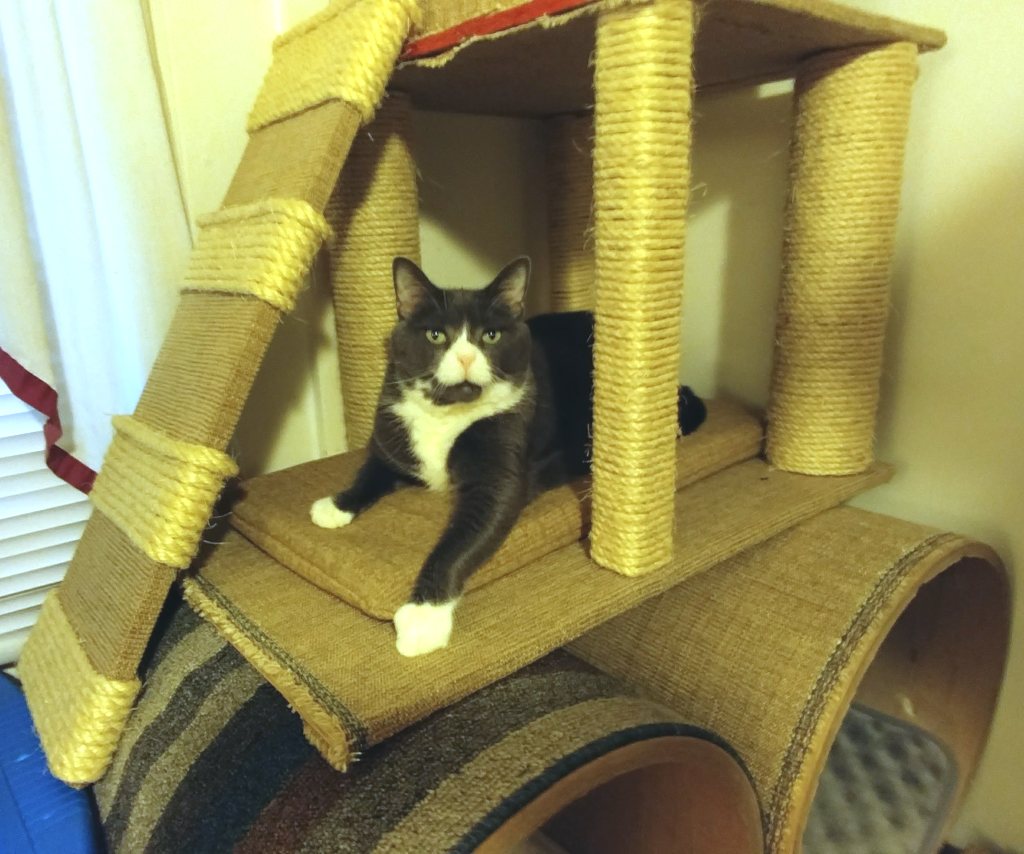 Once you find a texture your cat enjoys, the next question becomes how well it will last. Cats do not scratch lightly. They put real force into it, especially when they are stretching their bodies or working through a burst of energy. A good rope should be tightly wound and securely attached to the post. Loose wrapping is one of the biggest problems I see. Even if the rope itself is decent, poor installation can cause it to unravel quickly. When that happens, not only does the post lose its appeal, but it can also become unsafe.
Loose strands can catch on claws, and over time, they may even be ingested during grooming. This is especially important to watch with older cats who may not be as careful or coordinated as they once were.
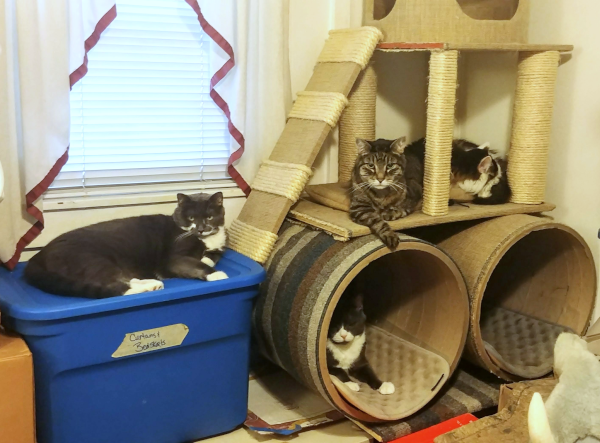
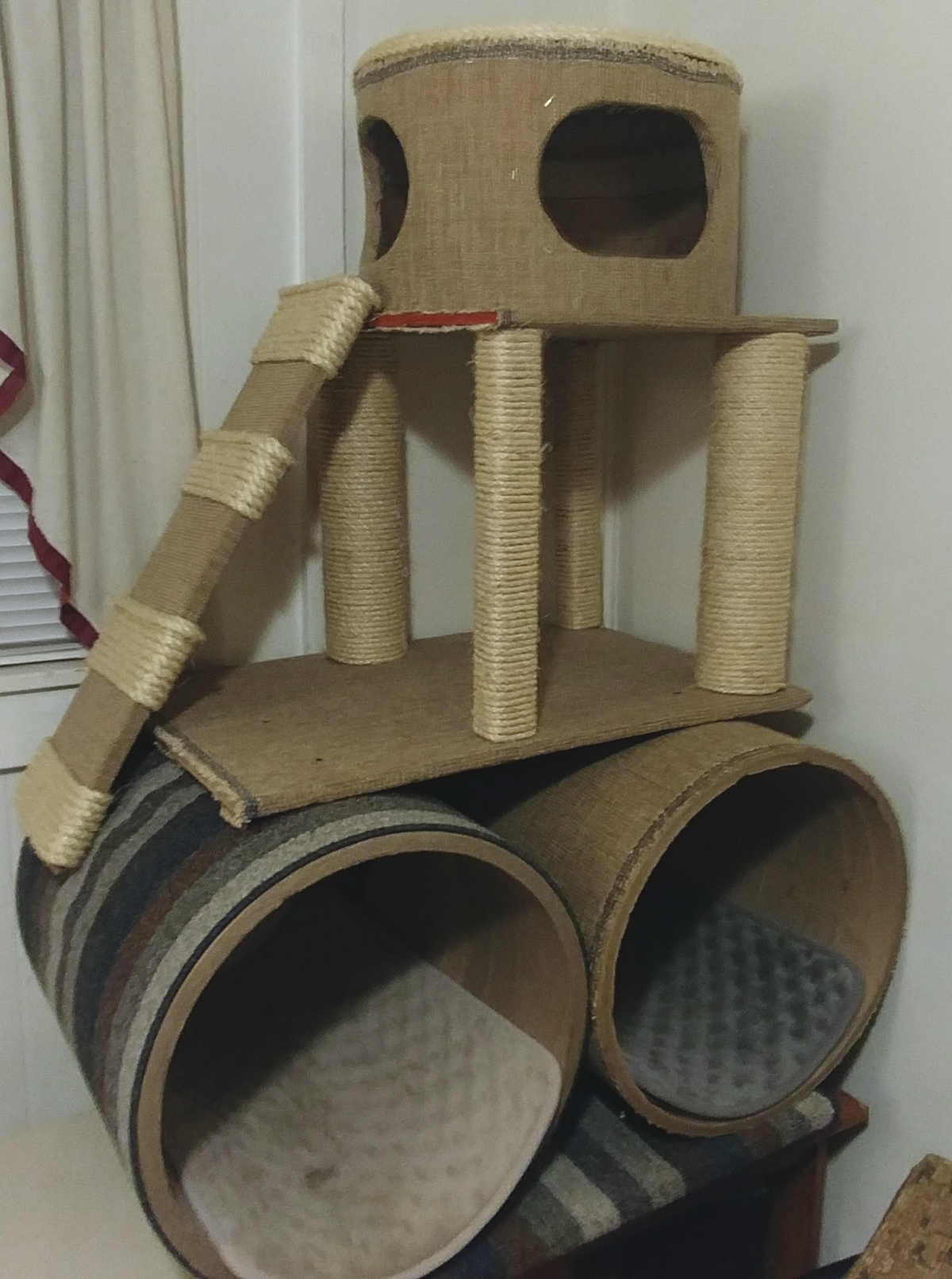
When we rebuilt one of our posts for Bentley, we paid close attention to how the rope was wrapped. Keeping it tight, even, and firmly secured made a noticeable difference. He returned to that post consistently, and it held up far longer than any store-bought version we had seen. Durability is not just about saving money. It is about creating a safe, reliable place your cat can return to without hesitation.
Rope Thickness and Structure: Subtle Details That Matter
Something that often gets overlooked is the thickness of the rope itself. This can quietly influence how comfortable the scratching experience feels. Thicker ropes tend to provide more cushioning and can feel more stable under a cat’s paws. They are often a better choice for larger cats or seniors who need a bit more support. The surface feels less rigid, which can make a difference for joints that are not as forgiving as they once were.
Thinner ropes can feel sharper and more rigid. Some cats enjoy this, especially if they prefer a very firm scratching surface. But for older cats, it can sometimes feel less comfortable over time. The way the rope is twisted also plays a role. A tightly twisted rope creates a more uniform surface, while a looser twist can feel uneven. Cats often prefer consistency because it allows them to settle into a rhythm when they scratch.
These details might seem small, but when you are trying to encourage a cat to choose their post over your furniture, small details add up quickly.
Matching the Rope to Your Cat’s Needs
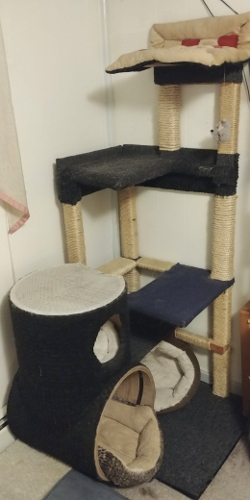 Every cat is different, and this becomes even more apparent as they age. What worked perfectly during their younger years may not be the right fit now. For kittens and younger cats, durability and resistance often take priority. They tend to scratch more aggressively and benefit from a tougher surface like high-quality sisal. It stands up to their energy and gives them that strong tactile feedback they enjoy.
For senior cats, comfort starts to matter more. Arthritis, stiffness, and general aging can change how they interact with their environment. A rope that is too rough or too hard may discourage them from using the post altogether. This is where observation becomes your best tool. Watch how your cat interacts with different surfaces. Do they hesitate before scratching? Do they favor certain textures in your home, like carpets or furniture?
Belle, in her later years, started favoring softer surfaces. It was subtle at first. She would still approach the post, but she would not stay long. When we adjusted the texture to something a bit gentler, she returned to it with more confidence. It was a small change, but it made her daily routine feel more comfortable. Choosing the right rope is less about finding a universal answer and more about listening to what your cat is telling you through their behavior.
DIY Scratching Posts and Finding the Right Fit
If you are building or repairing a scratching post yourself, you have a unique advantage. You are not limited to whatever comes pre-wrapped from a manufacturer. You can tailor the rope to your cat’s exact preferences.
One of the most practical steps is measuring how much rope you actually need. Too little, and you end up with gaps or weak coverage. Too much, and it becomes difficult to manage and secure properly. This is where simple tools can make life easier. On our site, we offer a rope length calculator that helps take the guesswork out of the process, especially if you are wrapping posts of different heights or diameters.
When installing the rope, consistency is key. Start at one end and keep the wrapping tight and even as you go. Secure both ends well so there is no movement. A properly wrapped post not only looks better but feels better under your cat’s paws.
The beauty of a DIY approach is that you can experiment. If one type of rope does not work, you can try another without replacing the entire post. Over time, you can fine-tune the setup until it becomes something your cat truly enjoys.
Supporting Overall Health Through Simple Choices
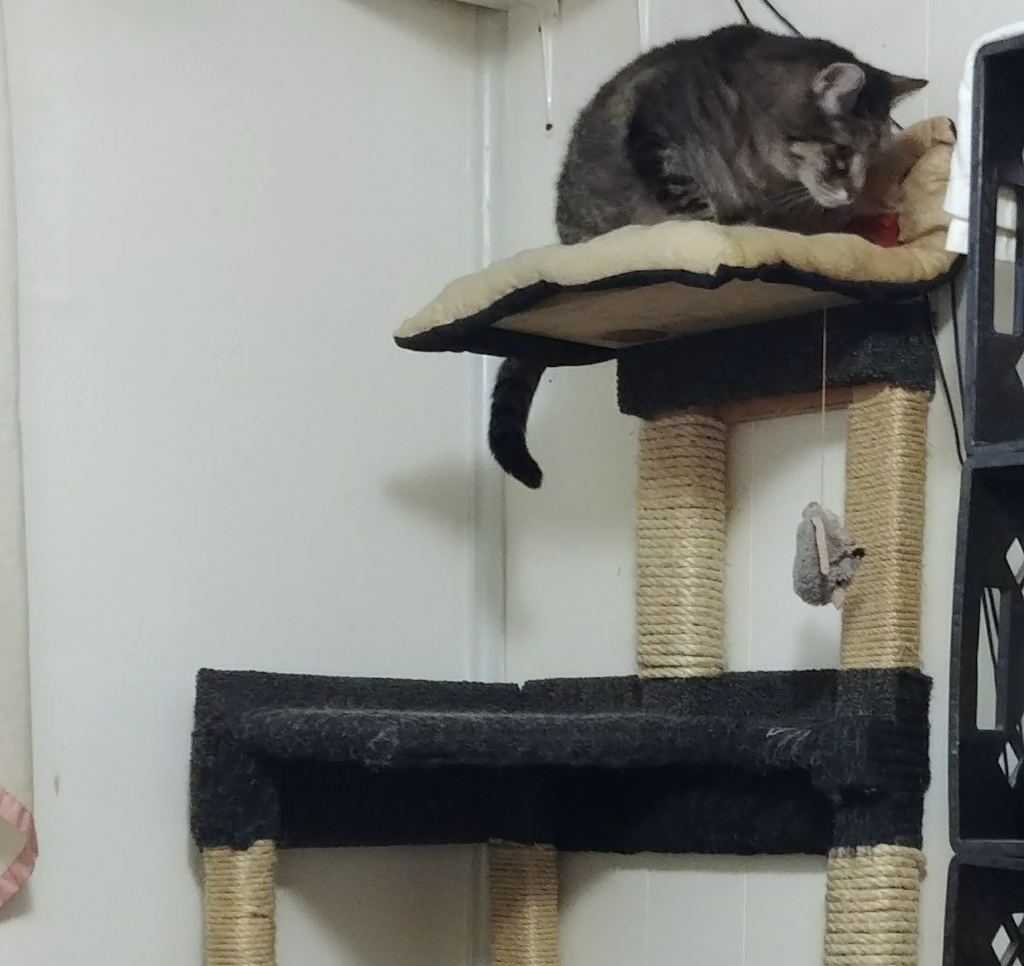 It might seem surprising, but something as simple as the right rope can support your cat’s overall well-being. Scratching is not just about claws. It encourages stretching, which supports circulation and joint health. It provides a healthy outlet for stress and energy. For diabetic cats or seniors with limited mobility, these small daily movements matter.
With Bentley, maintaining consistent routines has been part of his diabetes management. While tools like glucose tracking and structured feeding schedules are essential, so are the quieter parts of daily life. Encouraging movement through something as simple as a scratching post helps keep his body engaged in a natural way.
If you are managing a condition like diabetes, having a full picture of your pet’s habits can make a difference. That is why we always encourage using tools like a pet diabetes tracker or printable glucose charts when needed. They help you connect the dots between activity, appetite, and overall health. Even outside of medical needs, thoughtful choices like the right scratching surface contribute to a more comfortable, enriched life.
A Small Detail That Builds a Better Environment
At the end of the day, choosing the right rope is about respect for your cat’s instincts and comfort. It is about noticing the details that make them pause, engage, and return.
A scratching post is not just a piece of furniture. It is part of your cat’s daily routine, part of how they interact with their space, and part of how they express themselves. When it feels right, it becomes something they trust.
If you have ever watched your cat settle into a good scratch, stretching fully, claws digging in just enough, you know there is a quiet satisfaction in that moment. That is what you are aiming for. And sometimes, it all comes down to something as simple as the rope.