
When you first start caring for a senior pet or managing something like diabetes, it can feel like you are reacting to one moment at a time. A number on a glucose meter, a change in appetite, a restless night. It is easy to feel like each day stands alone. But over the years, I have learned something that quietly changes everything. Your pet is always telling a story. You just need the right way to read it.
That story is written in patterns. In routines. In small changes that repeat just enough to matter. And when you begin to collect and reflect on those moments, even in simple ways, you move from guessing to understanding. That shift can bring a surprising sense of calm, especially when you are dealing with something as demanding as a chronic condition or the natural changes of aging.
For many of us, this realization does not come all at once. It grows slowly as we look back and notice that yesterday felt familiar, and so did the day before.
The Quiet Power of Looking Back
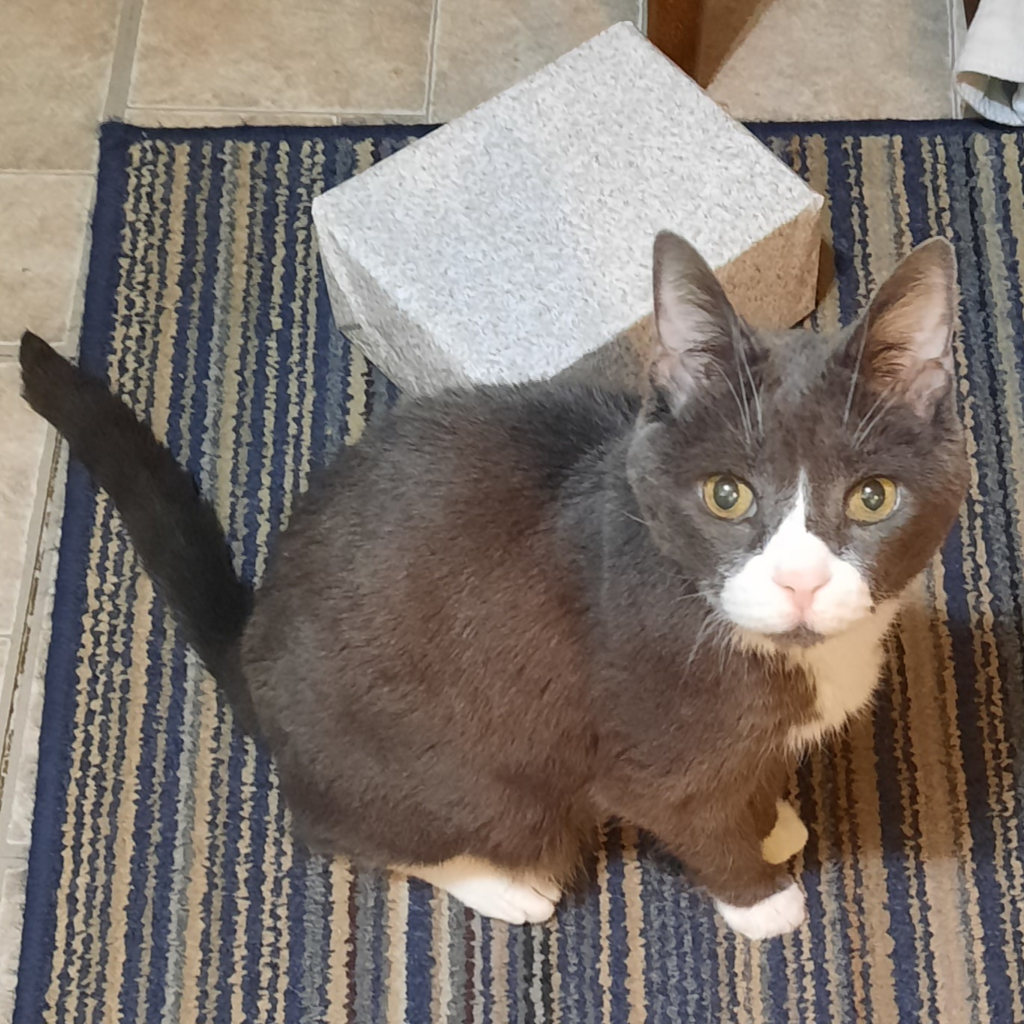
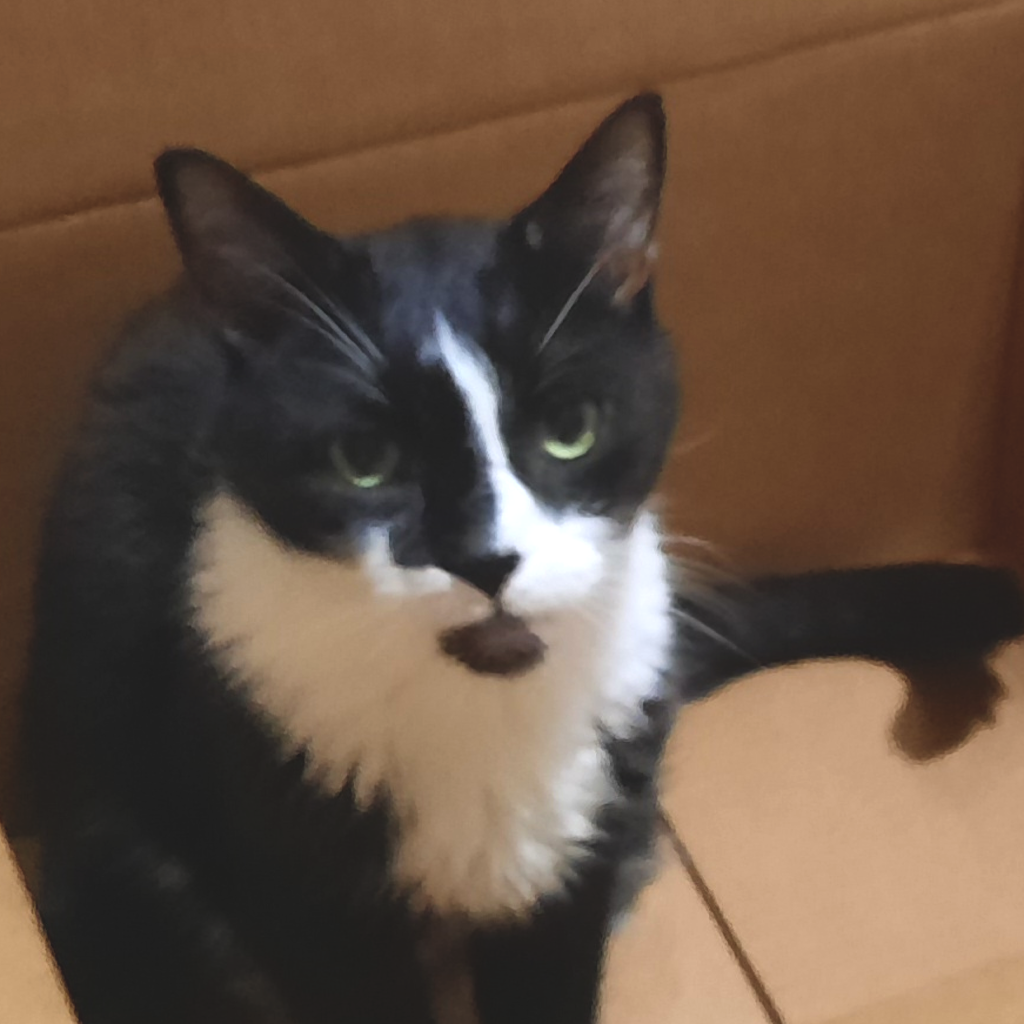 When our cat Bentley was first diagnosed with diabetes, everything felt urgent. Every reading mattered. Every meal, every injection, every sign of how he was feeling carried weight. At the beginning, it was easy to focus only on the immediate number in front of us. Was it too high, too low, just right?
But over time, something subtle began to happen. We started noticing patterns. His glucose would dip a little lower on certain days, often tied to how much he ate or how active he had been. His appetite would shift slightly before a change in his numbers showed up. These were not dramatic changes, but they were consistent enough to tell us something important.
Historical data does not need to be complicated. It can be as simple as jotting down readings, meals, energy levels, or even your pet’s mood. What matters is consistency. Over time, those notes become a map. And that map helps you make better decisions, not just in the moment, but with confidence.
This is one of the reasons we always encourage pet parents to track what they can. On BellenPaws, we created a free diabetes tracker and printable glucose curve forms because we lived through how valuable that information becomes. It is not about perfection. It is about building a picture.
Recognizing Patterns Without Overthinking Them
One of the biggest concerns people have is whether they are tracking the “right” things. The truth is, there is no perfect system. What matters is that you are paying attention and creating a record you can return to.
For diabetic pets, patterns might show up in glucose curves, feeding schedules, or how your pet responds after insulin. For senior pets, it might be sleep habits, mobility, appetite, or hydration. Over time, you begin to notice what is normal for your pet. And once you understand their normal, it becomes much easier to spot when something shifts.
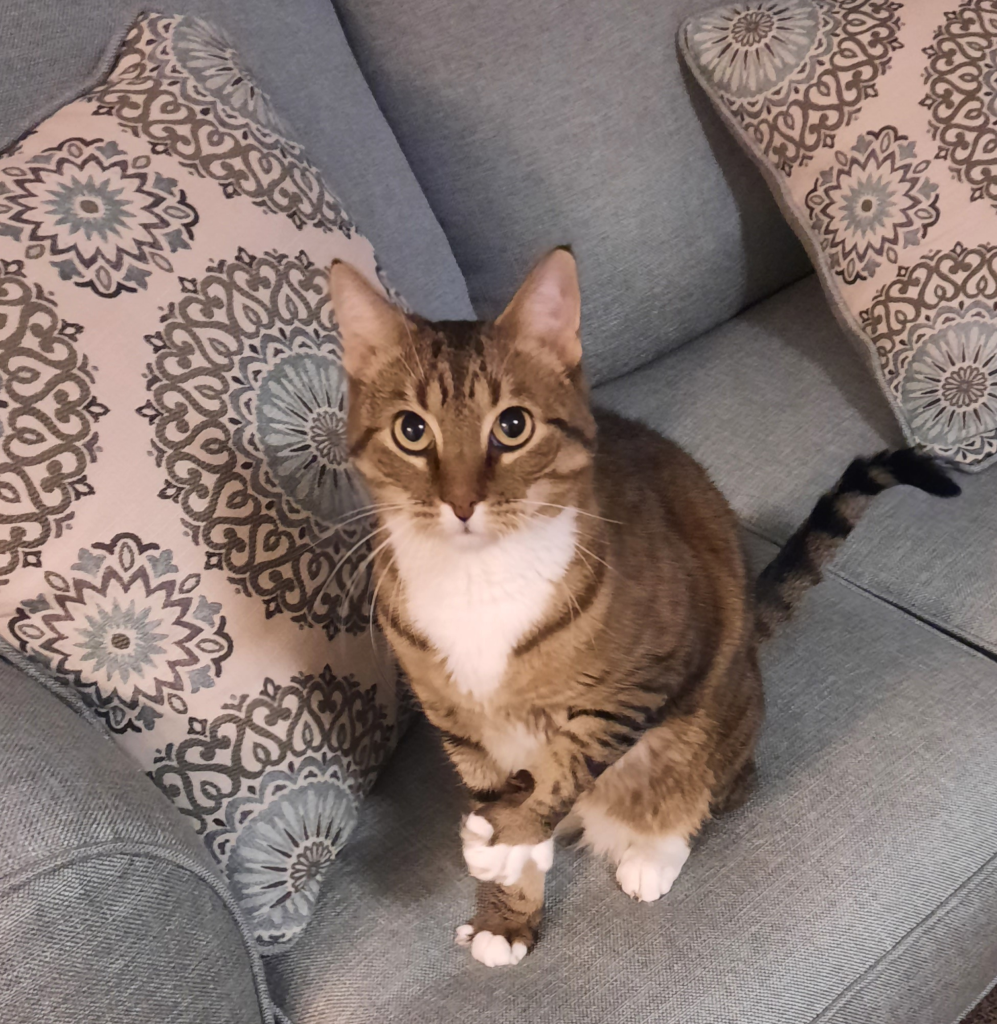
I remember Belle, who dealt with several age-related issues including kidney concerns and high blood pressure. There were days when she seemed a little quieter or drank a bit more water than usual. On their own, those moments did not always raise alarm. But when we looked back over days or weeks, we could see when those behaviors were becoming more frequent.
That is where historical data becomes incredibly powerful. It helps you distinguish between a one-off day and the beginning of a trend. And that distinction can guide you in deciding when to adjust care or when to reach out to your vet.
Using History to Guide Daily Decisions
 Once you start recognizing patterns, you can begin using that knowledge to shape how you care for your pet each day. This does not mean making big changes on your own. It means making thoughtful, informed adjustments based on what you have learned over time.
For example, if you notice that your pet’s glucose tends to dip at a certain point in the day, you might adjust feeding times slightly or be more attentive during that window. If a senior pet shows stiffness in the morning but improves after gentle movement, you can build that understanding into your routine.
These adjustments are not dramatic. They are small, steady refinements that make your pet more comfortable and stable. And over time, they add up.
There is also an emotional benefit here that often goes unspoken. When you understand your pet’s patterns, you feel less helpless. Instead of reacting with worry every time something seems off, you have context. You can say, “I have seen this before,” and that brings a sense of grounding.
Sharing Data with Your Veterinarian
Another important piece of using historical data is how it strengthens your conversations with your veterinarian. When you can provide clear, consistent records, you are giving them a much fuller picture of your pet’s health than a single visit ever could.
A vet appointment is just a snapshot. Your notes are the story.
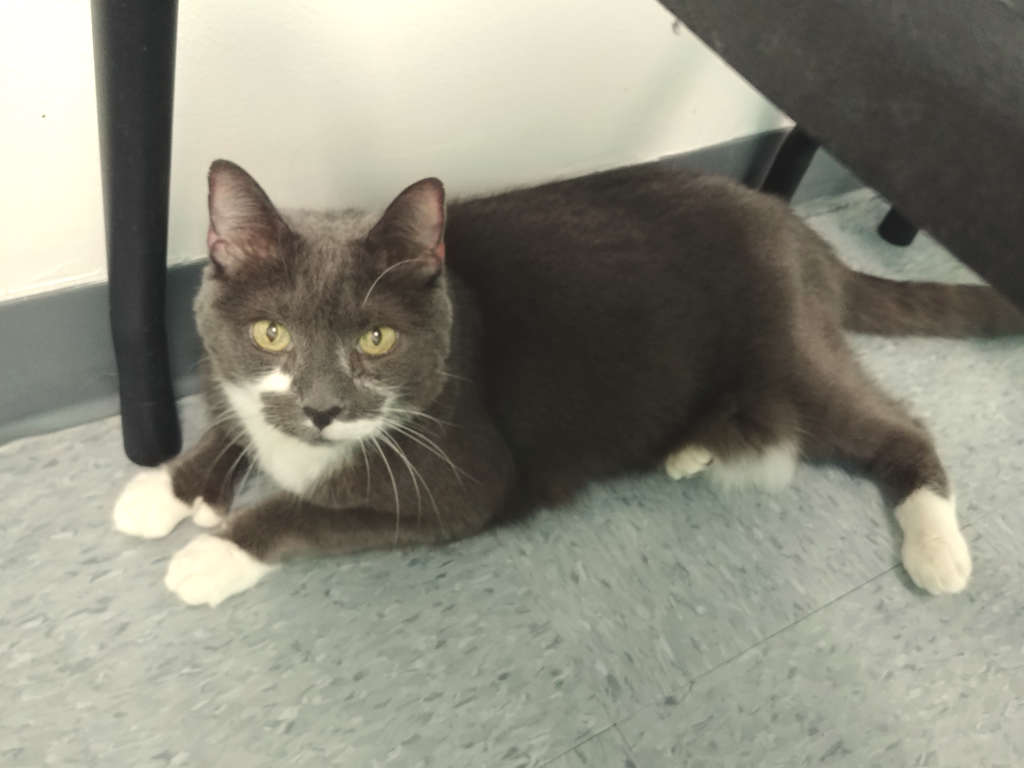
When we brought Bentley’s data to our vet, it allowed for more precise discussions about his insulin dosing and daily routine. Instead of guessing how he might be doing at home, we could show trends over time. That made a real difference in how his care plan evolved.
This is where having organized tools can really help. Whether you use a notebook, a spreadsheet, or something like our printable charts, the goal is to make the information easy to follow. Clear records allow your vet to see what you see, and that creates a stronger partnership.
Avoiding the Trap of Perfection
 It is important to say this clearly because many pet parents feel pressure to get everything exactly right. You do not need perfect data to make meaningful improvements in your pet’s care. There will be days when you forget to log something. There will be times when readings are inconsistent or routines get disrupted. That is part of life. What matters is the overall pattern, not every single detail.
In fact, focusing too much on perfection can make the process overwhelming. The goal is not to create a flawless record. The goal is to build enough history to recognize trends and make informed decisions. Think of it like watching a long movie. Missing a few seconds does not change your understanding of the story.
Adapting Care as Your Pet Changes
One of the most important reasons to track historical data is that your pet’s needs will change over time. This is especially true for senior pets and those with chronic conditions.
What worked six months ago might not work today. Appetite can shift. Activity levels can decline. Medication responses can change. Without a record, these changes can feel sudden and confusing. With a record, they often reveal themselves gradually.
For diabetic pets, this might mean adjusting insulin doses under veterinary guidance as patterns evolve. For senior pets, it might mean modifying diet, hydration support, or daily routines to match their current needs.
This process is not about constantly changing things. It is about staying in tune with your pet and responding thoughtfully when their patterns tell you something new.
Over time, you develop a rhythm together. And that rhythm becomes a source of stability, even as circumstances change.
Finding Confidence in the Long View
 There is something deeply reassuring about being able to look back and see how far you and your pet have come. The early days of managing a condition can feel uncertain. Every decision carries weight, and it is easy to second guess yourself. But as your records grow, so does your confidence.
You begin to trust your observations. You recognize patterns more quickly. You feel more prepared to handle changes because you have seen how your pet responds over time.
This does not mean challenges disappear. There will always be moments of concern, especially with aging pets. But you are no longer navigating those moments in the dark. You have history on your side. And that history is something you built through care, attention, and love.
A Gentle Reminder for the Journey
If you are just starting to track your pet’s data, take it one step at a time. You do not need a perfect system or a complicated setup. Start with what feels manageable. A notebook, a simple chart, or a tool that fits into your routine. What matters most is consistency and compassion. Both for your pet and for yourself.
Your pet does not need you to be perfect. They need you to be present, attentive, and willing to learn alongside them. Historical data is simply a way to support that connection. It helps you see what they cannot say and respond in ways that make their life more comfortable and secure.
And over time, those small efforts create something powerful. Not just better care, but a deeper understanding of the life you are sharing together.