
When a pet is first diagnosed with feline diabetes, it can feel like your world narrows overnight. Suddenly, you are measuring, timing, watching, worrying. Every meal, every injection, every small behavior starts to carry weight. You want to do everything right, but it is not always clear what “right” looks like in the moment.
One of the most powerful tools you will ever have is not a medication or a special diet. It is your ability to track what is happening with your cat over time. Patterns tell the story that single numbers cannot. That story becomes your guide.
Over the years, we have learned that tracking is not just about recording numbers. It is about building a relationship with your pet’s health. And one of the most overlooked parts of that process is how you track. Digital tools and paper logs both have a place. Choosing one over the other can limit what you see, but using both together can open your eyes in ways you might not expect.
The Quiet Strength of Digital Tracking
 Digital tracking often becomes the backbone of daily diabetes management. It is fast, organized, and easy to update in real time. When you are testing blood glucose, giving insulin, and managing feeding schedules, convenience matters more than most people realize.
With digital tools, you can log numbers immediately after testing. You can see trends over days or weeks. You can quickly share information with your veterinarian when adjustments are needed. For many pet parents, this becomes the central hub for everything related to their cat’s diabetes.
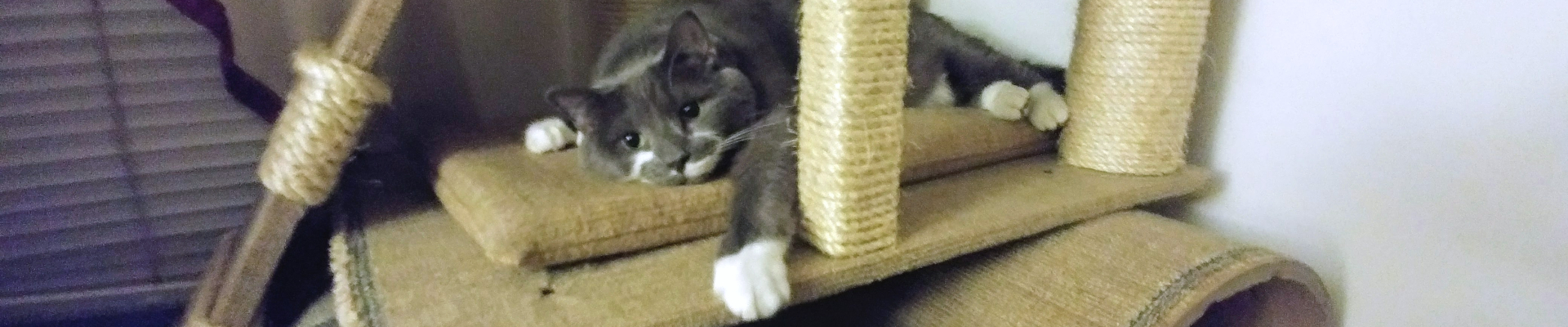
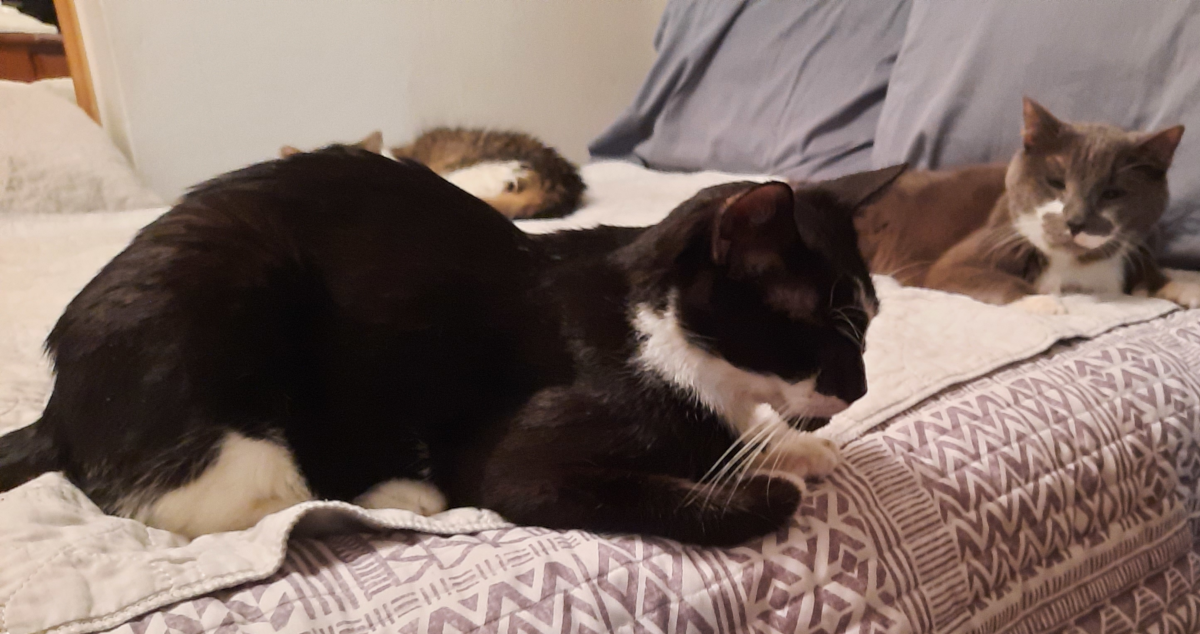
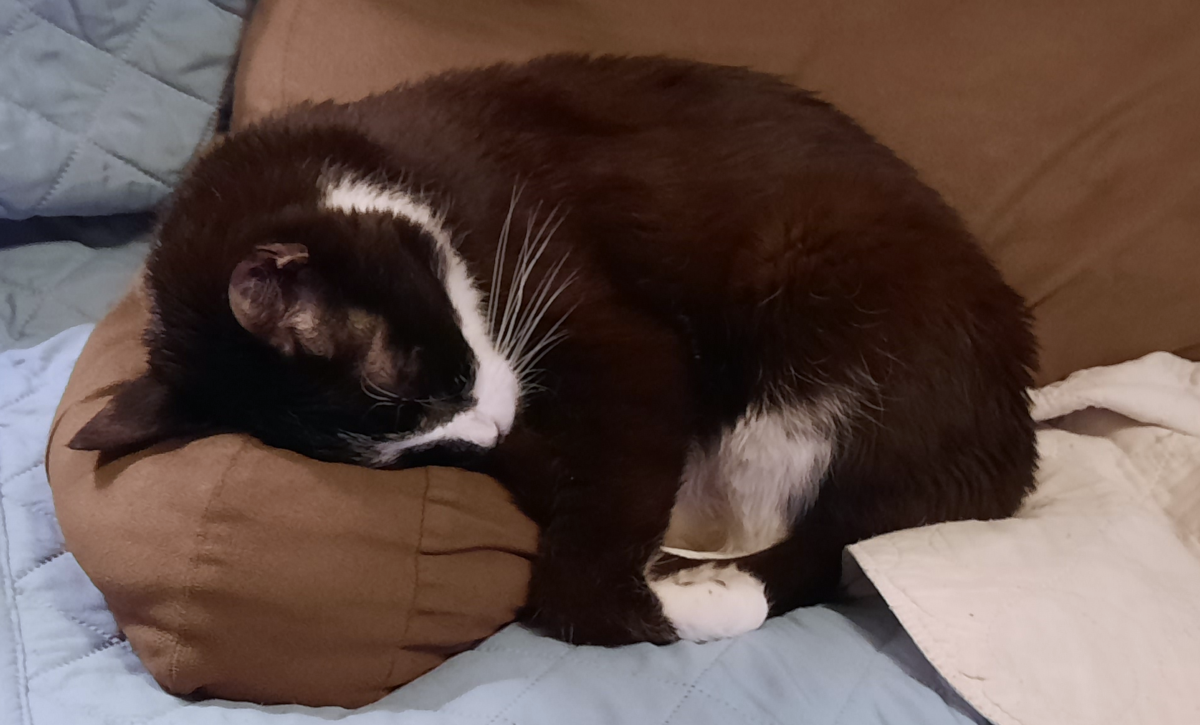
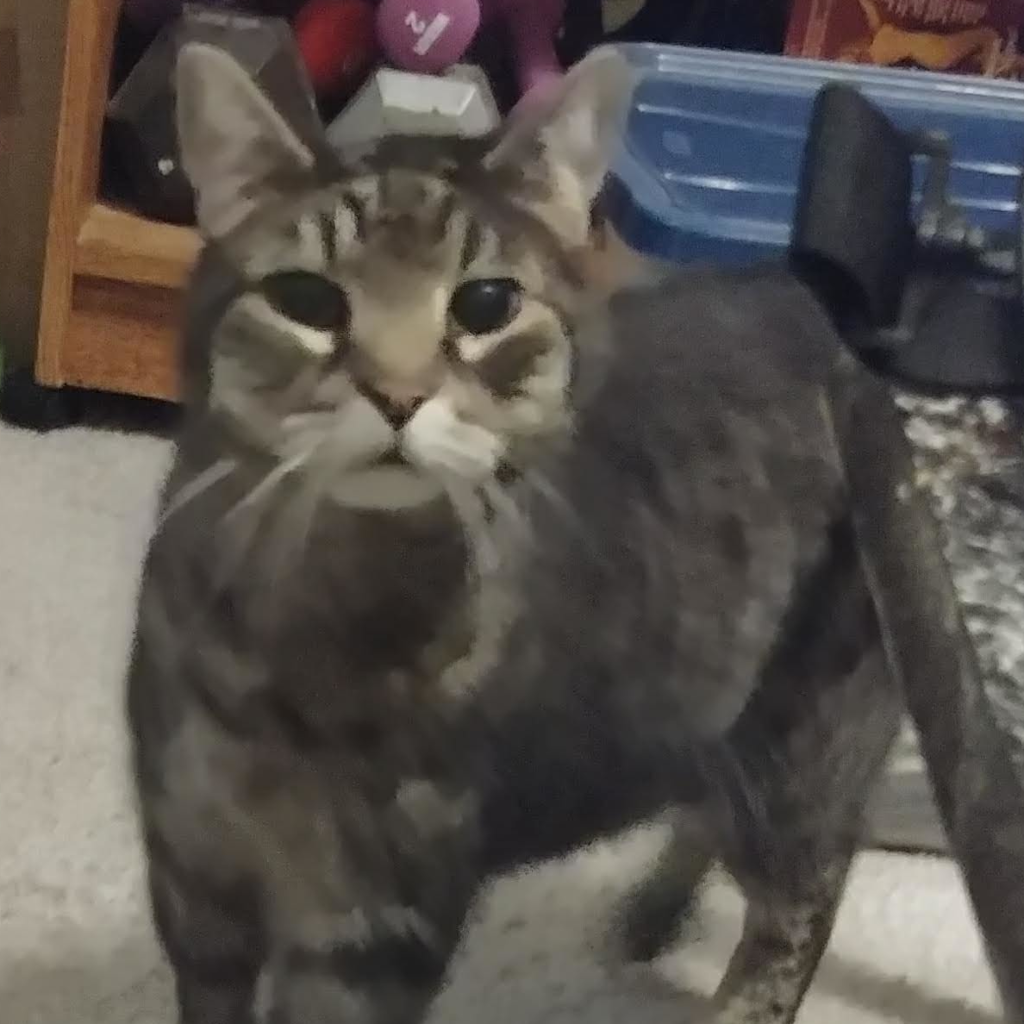
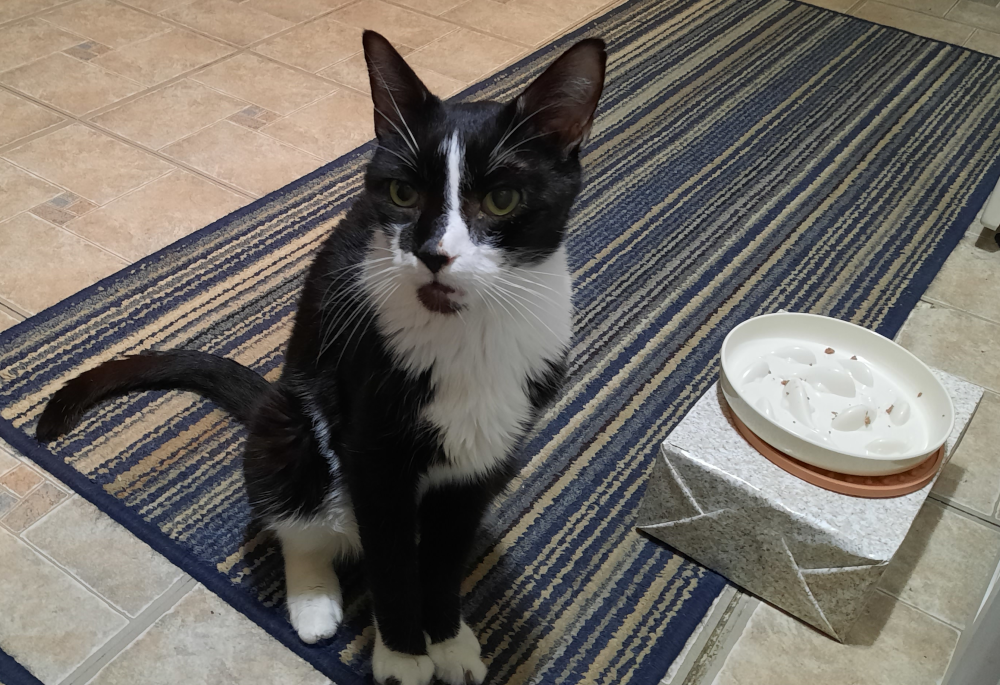
When we were caring for Bentley, who is currently on tight regulation with twice daily shots, digital tracking made it possible to stay consistent even on busy days. You can look back and see how a dose change affected him across multiple cycles. You can notice subtle shifts that might otherwise get lost in memory.
There is also something reassuring about seeing the data laid out clearly. When you are feeling uncertain, a well-kept digital log reminds you that you are not guessing. You are making informed decisions based on real patterns.
For those who want structure, digital tracking also reduces the chance of human error. It keeps everything in one place. It timestamps entries. It allows for notes about food, behavior, and unusual events. Over time, it becomes a living record of your cat’s journey.
At BellenPaws, we always encourage pet parents to use tools that make this process easier. Having access to an online pet diabetes tracker with printable charts can give you both convenience and flexibility without forcing you into one method alone.
The Emotional and Practical Value of Paper Logs
 Digital tracking is powerful, but there is something deeply human about putting pen to paper. Paper logs slow you down just enough to truly observe what is happening in front of you.
When you write down a number, you often take a second to reflect on it. You think about how your cat is acting, whether they ate well, whether something felt different that day. That moment of reflection builds awareness in a way that quick digital entry sometimes does not.
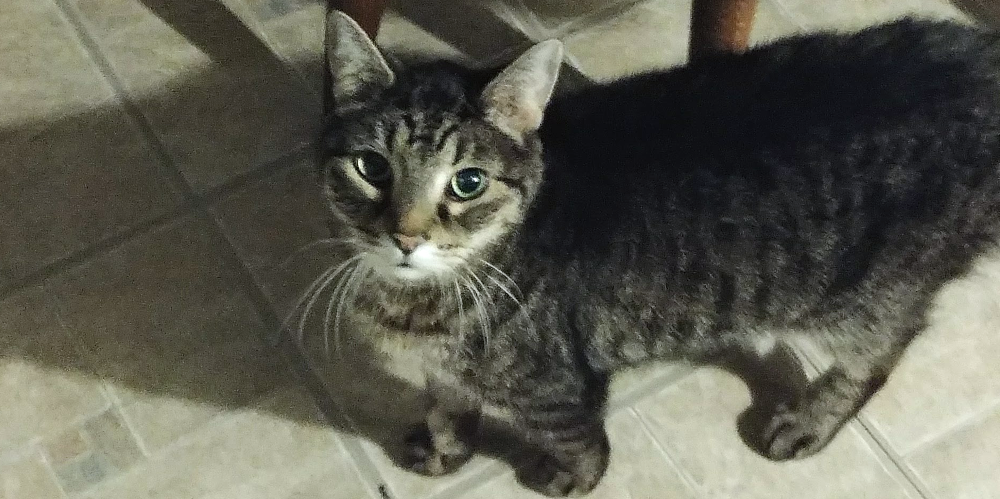
There were times with Zippy, who achieved remission through tight regulation, where the act of writing things down helped us notice patterns that were not obvious on a screen. A slight change in appetite paired with a gentle shift in numbers. A behavioral cue that repeated every few days. These small observations matter more than we often realize.
Paper logs are also incredibly helpful during stressful moments. If your power goes out or your phone dies, your records are still there. If you are rushing to the vet, you can grab a notebook and go. There is no login, no loading time, no barriers.
For some pet parents, paper also feels more personal. It becomes a journal of the journey. You can flip back through pages and remember not just the numbers, but the moments. The good days. The difficult ones. The turning points.
This emotional connection is not something to dismiss. Managing feline diabetes is not just a clinical task. It is a deeply emotional experience. Anything that helps you stay connected to your pet while managing their condition is worth keeping.
Where One Method Falls Short
 Relying on only one method can create blind spots. Digital tracking, while efficient, can sometimes become too mechanical. You enter numbers, move on, and miss the deeper context behind them.
Paper logs, while reflective, can become difficult to manage over time. Pages get filled, notebooks pile up, and finding specific information can take longer than you would like. Sharing that information with a veterinarian also becomes less convenient. Neither method is wrong. They simply serve different purposes. The challenge is recognizing that they are not competing tools. They are complementary ones.
When you only use digital tracking, you risk losing that moment of observation and reflection. When you only use paper, you risk losing the ability to quickly analyze long term trends. The goal is not to choose the better option. The goal is to build a system that supports both clarity and connection.
Why Using Both Creates a Stronger Picture
When you combine digital and paper tracking, something powerful happens. You start to see your cat’s diabetes from two perspectives at once. Digital tracking gives you the big picture. It shows trends over time, helps with dosing decisions, and keeps everything organized. Paper tracking gives you the small picture. It captures the day to day experience, the subtle shifts, and the emotional context.
Together, they create a more complete story. You might log your blood glucose readings digitally for easy reference and pattern tracking. At the same time, you might keep a small notebook where you jot down how your cat seemed that day. Did they seem more tired than usual? Were they extra hungry? Did something feel off?
Over time, those notes can reveal patterns that numbers alone cannot. Maybe your cat tends to act a certain way before a drop in glucose. Maybe their appetite changes slightly before a higher reading. These insights can make a real difference in how you manage their care. This combined approach also helps when working with your veterinarian. You can provide clean, organized data alongside real world observations. That combination often leads to better conversations and more confident decisions.
For those following tight regulation, this level of detail can be especially valuable. It allows you to fine tune your approach with a deeper understanding of how your cat responds, not just what the numbers say.
Building a System That Works for You
 There is no single correct way to set this up. What matters is consistency and clarity. The system should feel manageable, not overwhelming. Some pet parents prefer to use digital tracking as their primary method, with paper notes as a supplement. Others start with paper and use digital tools to summarize or organize their data weekly. Both approaches can work.
The key is to avoid overcomplicating things. If your system becomes too difficult to maintain, it will eventually fall apart. Keep it simple enough that you can stick with it even on busy or stressful days. One approach that many find helpful is to treat digital tracking as the official record and paper logs as the personal journal. The digital side holds the numbers, doses, and schedules. The paper side holds the story.
At BellenPaws, we try to support this balance by offering both digital tools and printable forms. Some days, it is easier to type. Other days, it is easier to write. Having both options available means you do not have to force yourself into one method when another would feel more natural.
Finding Confidence in the Process
Managing feline diabetes can feel overwhelming, especially in the beginning. There is a learning curve, and there will be moments where you question whether you are doing enough. Tracking, in any form, is a way of taking control in a situation that can otherwise feel uncertain. It turns scattered moments into meaningful patterns. It gives you something to hold onto when things feel unclear.
Using both digital and paper tracking strengthens that sense of control. It gives you both the precision of data and the intuition of observation. It helps you become more attuned to your cat in a way that goes beyond numbers. Over time, you start to trust what you see. You begin to recognize patterns before they fully develop. You feel more confident in your decisions. That confidence is not something that appears overnight. It is built through consistent, thoughtful care.
We have seen this transformation firsthand with cats like Bentley and Zippy. It is not about perfection. It is about learning, adapting, and staying present.
A Gentle Reminder for the Journey
 If you are in the middle of managing feline diabetes right now, it is important to remember that you are not alone. Every number you log, every note you write, every moment you spend paying attention is an act of care.
Tracking is not just a task. It is a way of showing up for your pet in a meaningful, consistent way. It is how you learn their rhythms, understand their needs, and support their health over time. Whether you lean more toward digital tools, paper logs, or a combination of both, what matters most is that you keep going. The patterns will reveal themselves. The picture will become clearer.
And in that clarity, you will find something incredibly powerful. Not just better management of your cat’s diabetes, but a deeper connection with them that grows stronger with every day you spend learning their story.