

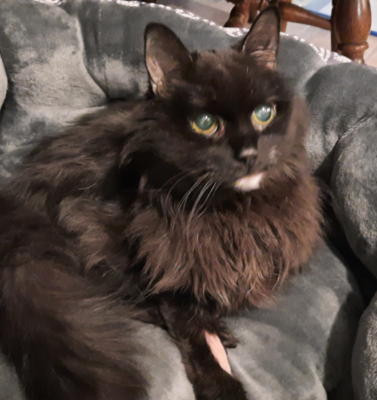
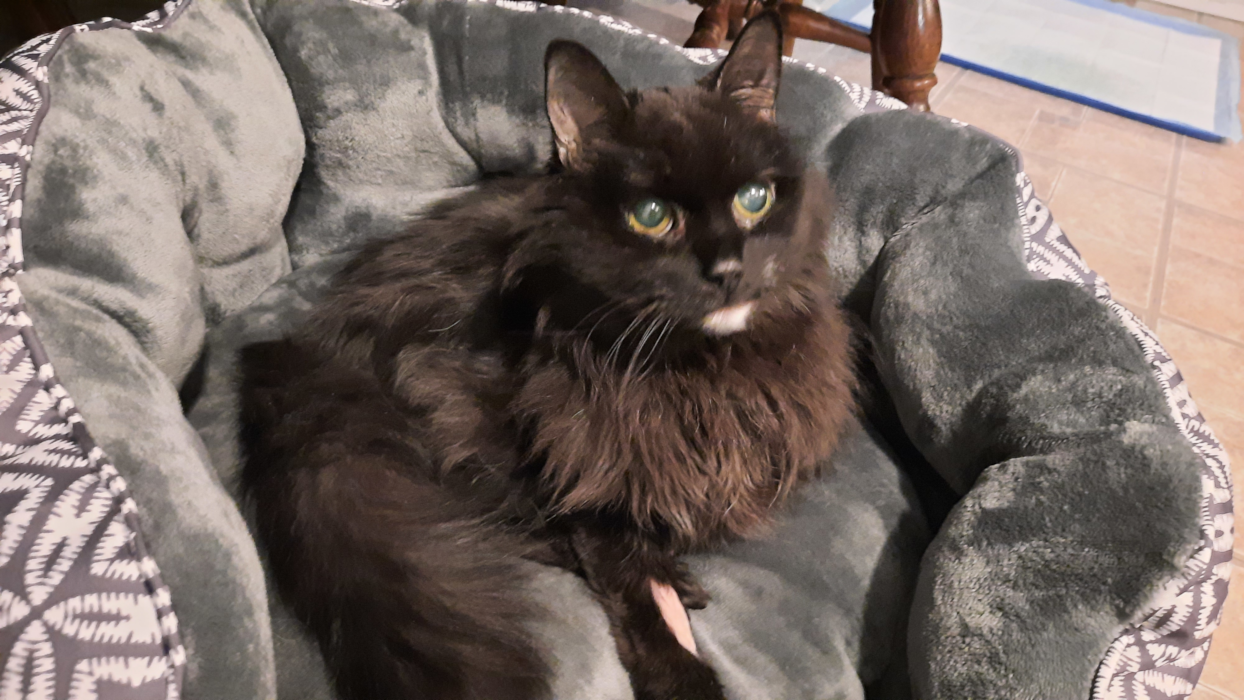
There are few sounds more instantly recognizable to a pet parent than the sudden thunder of paws in the middle of the night. One minute the house is quiet, everyone is settled, and you are finally drifting into sleep. The next minute, your cat is sprinting down the hallway like a tiny racehorse, your dog is bouncing from room to room, or someone is attacking a toy with the kind of energy that seems completely unfair at 2:17 in the morning.
If you have ever sat up in bed, half awake, wondering what on earth just happened, you are not alone. Many cats and dogs, especially cats, have bursts of nighttime energy that people often call the “midnight zoomies.” Sometimes it is funny. Sometimes it is exhausting. And when you are caring for a senior pet, a diabetic pet, or a pet with health concerns, those late-night bursts can also make you worry.
The good news is that zoomies are not automatically a sign that something is wrong. In many pets, they are simply a release of built-up energy, instinct, excitement, or routine. But like so many things in pet parenting, the details matter. A young cat racing after imaginary prey is one thing. A senior pet suddenly pacing, vocalizing, or acting restless at night is something we should pay attention to with a little more care.
At BellenPaws, we always approach these things from the pet-parent side of the room. We are not veterinarians, and nothing replaces your vet’s guidance, but after decades of living with animals through kittenhood, puppyhood, senior years, chronic illness, and diabetes care, we have learned that nighttime behavior often has a story behind it.
Why Pets Get the Zoomies at Night
For cats, nighttime energy is deeply tied to instinct. Cats are naturally more active during dawn and dusk, and some carry that pattern right into the dark hours. A quiet house can suddenly become the perfect playground. There are fewer interruptions, fewer human rules, and every shadow or soft sound can seem like an invitation to hunt, chase, or pounce.
 Dogs can get nighttime zoomies too, though they often look a little different. A dog may suddenly run circles around the living room, grab a toy, leap onto and off furniture, or invite you into play right when you were hoping the day was over. Sometimes this happens after a bath, after a late meal, after being cooped up too long, or after an exciting evening when they never had a chance to fully settle.
In younger pets, zoomies are often just stored energy spilling out. In adult pets, they may reflect routine. If your cat has learned that midnight is the best time to get your attention, that habit can become surprisingly strong. If your dog naps through most of the evening while the family is busy, their body may decide bedtime is actually party time.
Senior pets can be more complicated. A little burst of playful energy from an older pet can be sweet and even reassuring. I always loved seeing a senior cat suddenly remember their inner kitten for a few minutes. But if the behavior changes suddenly, becomes frantic, includes crying, confusion, stumbling, excessive thirst, repeated litter box trips, or signs of discomfort, it is worth taking seriously.
With our older cats over the years, we learned that nighttime changes could mean many different things. Belle, one of the founding hearts behind BellenPaws, had several senior health struggles, and her nighttime behavior taught us to look beyond the surface. Sometimes restlessness was just restlessness. Other times, it was part of a bigger picture that needed attention.
That is the balance we try to live by. Do not panic over every burst of energy, but do not ignore meaningful changes either.
When Midnight Zoomies Are Normal and When They Deserve a Closer Look
A normal zoomie session usually has a playful quality. Your pet seems alert, coordinated, and cheerful. They may race, hop, chase a toy, scratch a post, or do a few wild laps before settling back down. They are not distressed. They are not confused. They are not repeatedly trying to tell you something is wrong.
The concern grows when the behavior feels less like play and more like agitation. A senior cat wandering and yowling at night may be dealing with discomfort, vision changes, hearing changes, blood pressure issues, thyroid problems, cognitive decline, or another age-related concern. A dog who suddenly cannot settle may be painful, anxious, needing to go outside more often, or reacting to changes in the household.
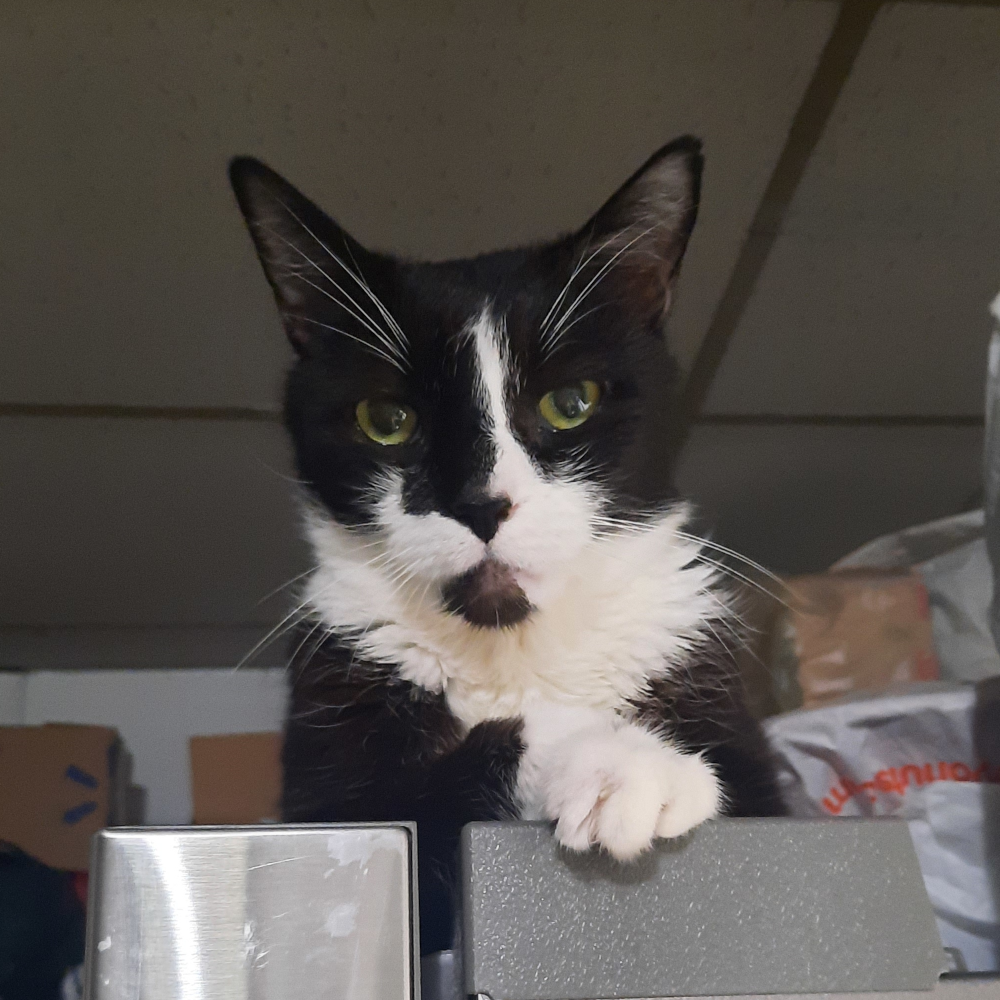 For diabetic pets, nighttime behavior can carry extra meaning. A diabetic cat or dog who is restless, unusually hungry, weak, wobbly, disoriented, or acting out of character should never be brushed off as just zoomies. Blood sugar patterns matter, and changes in behavior can sometimes be part of the picture. When we cared for Zippy through feline diabetes and now Bentley with twice-daily insulin and tight regulation, we learned how valuable tracking can be. Patterns that seem random in the moment often make more sense when you can look back over food, insulin timing, glucose readings, appetite, and behavior.
That is one reason we built tools like our online pet diabetes tracker and printable glucose curve forms for BellenPaws. When you are tired, worried, and trying to remember whether something happened last night or three nights ago, written records can be a gift to both you and your vet. Even for non-diabetic pets, a simple note about when the zoomies happen, what your pet ate, whether they used the litter box or asked to go outside, and how long the episode lasted can help you spot patterns.
Sometimes the cause is surprisingly simple. A pet may be sleeping too much during the day. Dinner may be too early or too late. A cat may not be getting enough play that mimics hunting. A dog may need a calmer bedtime routine. A senior pet may need a nightlight, easier access to water, or a more comfortable sleeping spot.
The trick is not to treat every pet the same. A kitten with wild hallway sprints has different needs than a fifteen-year-old cat calling in the dark. A young dog doing happy laps after an evening nap is different from an older dog pacing and panting. The behavior is the clue, but the whole pet is the story.
Building a Calmer Bedtime Routine
The best way to reduce midnight zoomies is usually not to punish the behavior. Pets do not understand why their natural burst of energy is ruining your sleep. Instead, we try to gently shift the rhythm of the evening so their body and mind are more ready to rest when we are.
For cats, a short play session before bed can make a big difference. The goal is not random chaos, but a little pretend hunt. A wand toy, a soft chase game, or a few minutes of pouncing can help them use that hunting energy before the lights go out. After play, a small bedtime meal or snack, if appropriate for your pet’s diet and health plan, can encourage the natural pattern of hunt, eat, groom, and sleep.
 For dogs, the same idea applies in a dog-friendly way. A calm walk, gentle play, sniffing time outside, or a short training session can help burn mental and physical energy. Sniffing is especially underrated. A dog who gets to use their nose often settles better than one who only gets physical exercise. The brain needs a bedtime routine too.
Senior pets may need a softer approach. A long play session may be too much, but a few minutes of gentle engagement can still help. Maybe it is brushing, slow toy play, a treat puzzle suited to their ability, or simply quiet attention before bed. Many older pets become more secure when the evening follows a predictable pattern.
The sleeping environment matters as well. Some pets settle better with a nightlight, especially seniors with vision changes. Some need a warmer bed, a lower-sided litter box, a ramp, or water placed closer to where they sleep. Cats may want access to a safe perch or a cozy room where they are not tempted to patrol the whole house. Dogs may rest better if their bed is in a familiar place where they can still sense the family nearby.
It can also help to remove the “reward” from the zoomies. If every midnight sprint results in you getting up, turning on lights, feeding them, talking excitedly, or starting playtime, your pet may learn that nighttime energy gets a response. That does not mean ignoring distress. If something seems wrong, check on them. But if it is clearly playful attention-seeking, keep your response boring and calm.
A quiet voice, minimal lights, and no accidental party atmosphere can help your pet understand that nighttime is not the best time to recruit the household.
Getting Yourself Back to Sleep Without Losing Your Mind
One of the hardest parts of midnight zoomies is not the zoomies themselves. It is what happens afterward, when your pet has settled and you are wide awake. Your heart is thumping, your brain has turned on, and now you are calculating how many hours are left before morning.
Pet parents, especially those caring for senior or diabetic pets, often sleep lightly. We listen for water bowls, litter boxes, coughing, pacing, vomiting, low blood sugar signs, or anything that sounds “off.” That kind of alertness comes from love, but it can wear you down.
 A practical middle ground is to create a quick check routine. Instead of lying there wondering, you calmly verify the basics. Is your pet safe? Are they moving normally? Do they seem playful rather than distressed? Is there any sign of vomiting, bathroom trouble, weakness, confusion, or pain? If everything looks okay, you give yourself permission to go back to bed.
For diabetic pets, your routine may include checking what your vet has advised you to check, depending on your pet’s history and risk factors. Some families may need glucose testing in certain situations. Others may not. The important thing is to have a plan before the sleepy emergency brain takes over. When you already know what signs matter and what steps to take, the night feels less scary.
Once your pet is safe, keep your own recovery simple. Avoid turning on bright lights if you can. Do not pick up your phone and fall into the glowing rabbit hole. Keep the house quiet. Breathe slowly. Remind yourself that you handled the moment and that your pet is settled.
It may sound small, but reassurance matters. We give so much reassurance to our animals that we sometimes forget to give any to ourselves. You are allowed to be tired. You are allowed to be frustrated. You are allowed to laugh at the absurdity of a tiny creature sprinting through the house like it has been chosen for an Olympic event at midnight.
And you are allowed to adjust the plan tomorrow.
Finding the Pattern Instead of Fighting the Pet
The most helpful mindset shift is to stop seeing midnight zoomies as your pet “being bad.” More often, they are communicating energy, instinct, habit, discomfort, hunger, confusion, or a need that has not been met in quite the right way yet. Once you look for the pattern, the whole situation becomes less personal and more solvable.
If the zoomies happen after long daytime naps, add more daytime enrichment. If they happen after late meals, consider timing. If your cat races around because they are bored, give them structured play before bed. If your dog wakes because they need the bathroom, adjust the evening potty routine. If a senior pet is restless, document it and talk with your vet. If a diabetic pet is acting unusual, take it seriously and follow the care plan you and your vet have built.
Not every night will be perfect. Anyone who has loved animals for a long time knows that pets do not always follow the schedule we wrote in our heads. They have their own clocks, moods, instincts, and aging bodies. But with patience, observation, and a steady routine, many families can reduce those late-night wakeups and make them less stressful when they do happen.
The midnight zoomies may never disappear completely, especially if you share your home with cats. Honestly, part of me thinks the occasional ridiculous hallway sprint is part of the contract. But when we understand what is normal, what needs attention, and how to guide our pets toward calmer nights, we can protect both their well-being and our own rest.
At the heart of it, that is what senior pet care and chronic pet care often ask of us. We observe. We adapt. We learn the difference between personality and warning signs. We make the house safer, softer, and more predictable. And then, when the paws finally stop thundering down the hallway, we take a deep breath, settle back under the blankets, and hope everyone agrees that the next great adventure can wait until morning.