

When a pet starts to slow down, it can happen so gradually that we almost miss it at first. The jump to the couch takes a little more planning. The stairs become something they think about instead of something they just do. A favorite toy still gets attention, but maybe not for as long. For those of us who have loved senior pets, these tiny changes can tug at the heart because they remind us that aging is not just a number. It is something we see in the way they move through the house, settle into bed, and ask for comfort.
That is usually when many pet parents begin looking for gentle ways to support comfort and mobility. Turmeric and “golden paste” often come up in those conversations because turmeric contains curcumin, a natural compound studied for its antioxidant and anti-inflammatory properties. Curcumin is one of the best-known active compounds in turmeric, and research continues to explore its potential anti-inflammatory effects.
But with senior pets, especially pets with diabetes, kidney disease, heart issues, digestive sensitivity, or multiple medications, “natural” does not automatically mean “safe for every pet.” I say that with love, not fear. At BellenPaws, we believe in practical hope. We also believe in moving carefully, asking good questions, and working with the veterinarian who knows your pet’s full history.
Why Pet Parents Are Drawn to Turmeric
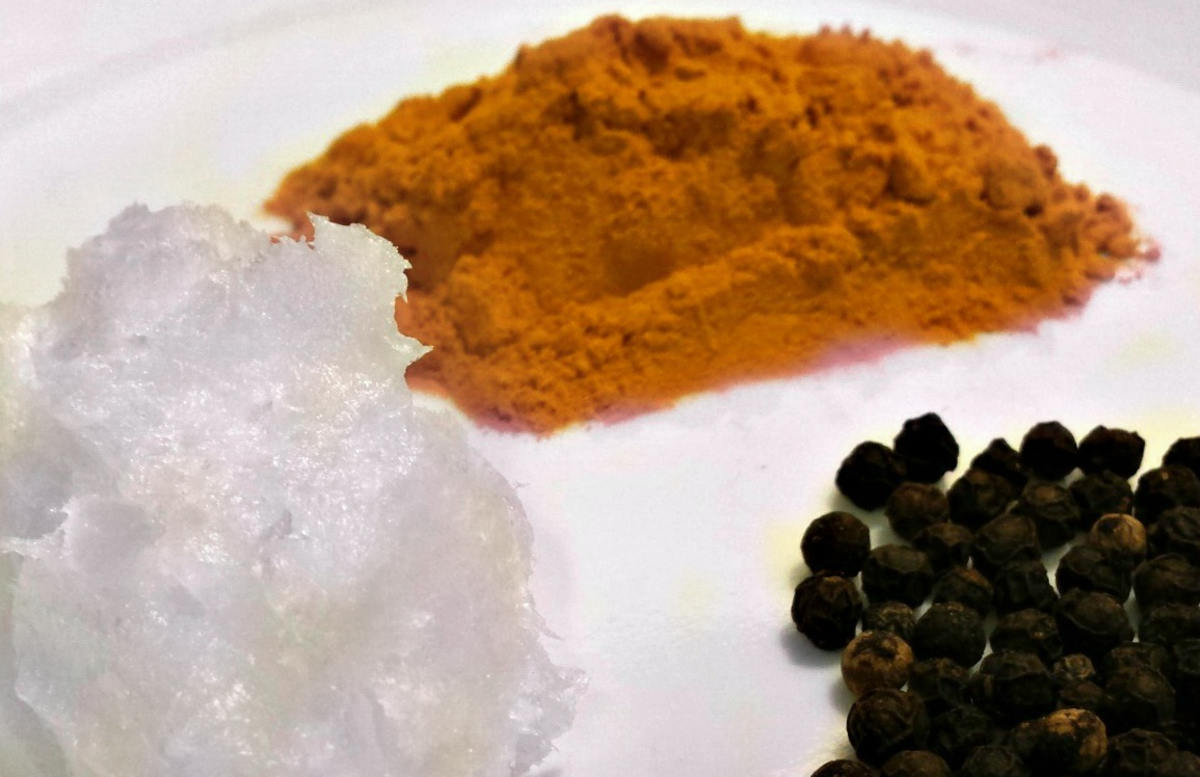
Turmeric has a warm, earthy smell and a deep golden color that makes it feel almost medicinal before it ever reaches the bowl. Many people know it from cooking, but in pet care circles it is often discussed as a possible support for stiff joints, aging bodies, and general inflammation. Golden paste is usually a homemade mixture that combines turmeric with a healthy fat and often black pepper to improve absorption.
The reason absorption matters is that turmeric by itself is not always easily used by the body. Curcumin has a reputation for poor bioavailability, meaning the body may not absorb and use it efficiently without help. Some pet-focused veterinary sources note that turmeric powder alone may be less effective than better-formulated curcumin products because of that absorption issue.
For a senior dog with creaky hips or an older cat who seems a little less fluid in movement, it is understandable why turmeric sounds appealing. We want to help without jumping straight to stronger medications when they may not be needed yet. We want to support the body gently. We want them to feel better without upsetting everything else.
That said, turmeric should never be treated like a cure-all. It is not a replacement for pain management, arthritis treatment, veterinary diagnostics, weight management, proper nutrition, or diabetes regulation. It is best thought of as a possible supportive tool, one that may fit some pets and may be wrong for others.
Golden Paste Is Not One-Size-Fits-All
 Golden paste recipes vary, but the basic idea is usually turmeric powder mixed with water, a fat such as coconut oil or olive oil, and a small amount of black pepper. The fat is used because curcumin is fat-soluble, and black pepper contains piperine, which may improve absorption. That is the basic reason people combine these ingredients instead of simply sprinkling dry turmeric on food.
However, this is where senior pet care requires a slower hand. Cats and dogs do not all tolerate fats the same way. Some pets get loose stool, nausea, or vomiting when a new supplement is added too quickly. Some pets are picky and will reject a meal if the smell changes. Some cats, especially, may be suspicious of anything that alters the texture or scent of their food.
With a diabetic pet, the stakes feel even more personal. When we managed Zippy’s diabetes through tight regulation, every food change mattered. With Bentley still receiving insulin twice a day, we stay very aware that even small changes in appetite, meal timing, digestion, or blood glucose patterns can ripple through the day. Turmeric may lower blood sugar a bit in some cases, and veterinary sources commonly advise caution when using it with diabetic pets or diabetes medications.
That does not mean every diabetic pet must avoid it forever. It means this is not something I would casually add without a vet conversation and careful monitoring. For BellenPaws readers managing diabetes, our free pet diabetes tracker and printable glucose curve forms can be especially helpful when introducing any vet-approved change, because patterns matter more than memory.
When Turmeric May Not Be a Good Fit
The pets most likely to need extra caution are often the same pets we are trying hardest to comfort. Senior pets may already be taking medications for pain, heart disease, blood pressure, thyroid disease, kidney disease, diabetes, or digestive trouble. Turmeric can potentially interact with some medications, including anti-inflammatory drugs, blood thinners, and diabetes medications, so it deserves the same respect we would give any supplement.
Turmeric may also be a poor choice for pets with bleeding disorders, stomach ulcers, gallbladder disease, bile duct obstruction, or pets scheduled for surgery. Some veterinary sources caution that curcumin may affect gallbladder contraction and may slow blood clotting, which is why a vet should guide the decision for medically fragile pets.
There is also the simple reality of stomach upset. Even if turmeric is not considered a major toxin in ordinary food-level amounts, plant material and new foods can still cause vomiting or gastrointestinal upset in dogs and cats. The ASPCA notes broadly that plant material can cause vomiting and GI upset in pets, even when the plant is not expected to cause life-threatening toxicity.
So my pet-parent rule is this: never add a supplement because the internet made it sound harmless. Add it because your pet’s situation makes sense, your veterinarian agrees it is reasonable, and you have a way to watch the response.
How I Would Approach It as a Pet Parent
 If I were considering golden paste for a senior pet, I would start with the veterinarian, especially if that pet had diabetes, kidney disease, liver disease, heart disease, cancer, blood pressure issues, or any prescription medications. I would ask a simple question: “Is turmeric or curcumin appropriate for this pet’s current health situation?” That question opens the door to a much safer conversation than guessing from a generic recipe online.
If the vet approved it, I would start low and slow. Not a full homemade scoop. Not a sudden daily routine. I would begin with a tiny amount mixed into a familiar meal and watch the pet’s appetite, stool, energy, comfort, and behavior. With a diabetic pet, I would be even more careful about tracking food intake and glucose numbers because appetite changes and blood sugar changes can matter quickly.
I would also avoid forcing it. If a senior cat refuses food because turmeric has changed the smell, that is not a win. Cats especially need consistent food intake, and a supplement should never become the reason a pet skips meals. Comfort care should feel like support, not a battle at the bowl.
For dogs, golden paste may be easier to hide in food, but the same principle applies. Watch for loose stool, vomiting, drooling, lip licking, appetite changes, or any sign that your pet feels off. Senior pets are honest in quiet ways. They may not tell us with words, but they tell us with routines.
Natural Support Works Best as Part of a Bigger Care Plan
 Turmeric can be one small piece of a larger comfort plan, but it should not carry the whole burden. For aging pets, inflammation and stiffness are often connected to weight, muscle loss, arthritis, dental pain, old injuries, bedding, nail length, hydration, and the layout of the home. A pet who struggles to stand may need a softer bed, non-slip rugs, lower-sided litter boxes, raised bowls, ramps, or shorter but more frequent walks.
This is where experienced pet care becomes less about one miracle ingredient and more about paying attention. When Belle was dealing with multiple senior health challenges, we learned that comfort was built from many small acts. Hydration mattered. Warm resting places mattered. Keeping records mattered. Knowing what was normal for her mattered.
That same mindset applies here. If turmeric helps a pet feel a little looser and the vet approves it, wonderful. If it causes stomach upset or creates concerns with medications, there are other paths. Veterinary pain management, omega-3 discussions, joint supplements, physical therapy, weight support, and environmental changes may all be part of the bigger picture.
And because senior pets often have overlapping issues, documentation can be a quiet lifesaver. Whether you are tracking stiffness, appetite, litter box habits, insulin doses, glucose curves, or medication changes, writing things down helps you see patterns. That is one reason BellenPaws offers free tools like our pet diabetes tracker, printable charts for vets, blank glucose curve forms, and cat and dog human-age calculators. The goal is not to make pet care feel clinical. The goal is to make it less overwhelming.
A Gentle Golden Rule
 Turmeric and golden paste sit in that familiar space between hope and caution. They may offer support for some pets, especially when inflammation and stiffness are part of the aging journey. But they are not automatically right for every senior dog or cat, and they deserve extra care around diabetes, blood-thinning medications, surgery, ulcers, gallbladder problems, and fragile digestion.
The most loving approach is not to reject natural options or blindly embrace them. It is to slow down, ask questions, and treat your pet as an individual. Their age, diagnosis, medications, appetite, and personality all matter.
Our senior pets give us years of loyalty in ordinary moments. They sit beside us, follow our routines, forgive our busy days, and trust us when their bodies start changing. If turmeric becomes part of their comfort plan, let it be introduced with that same loyalty in return: gently, thoughtfully, and with their safety at the center.