
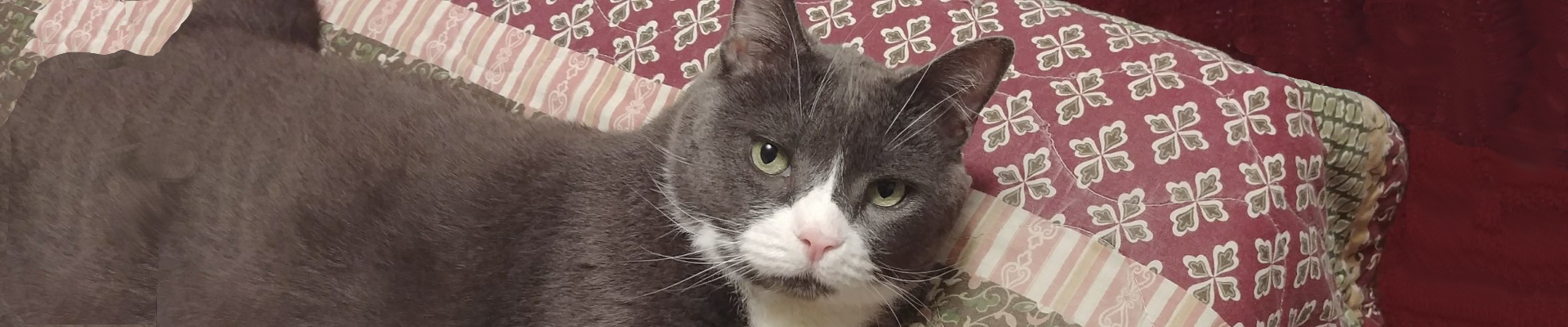
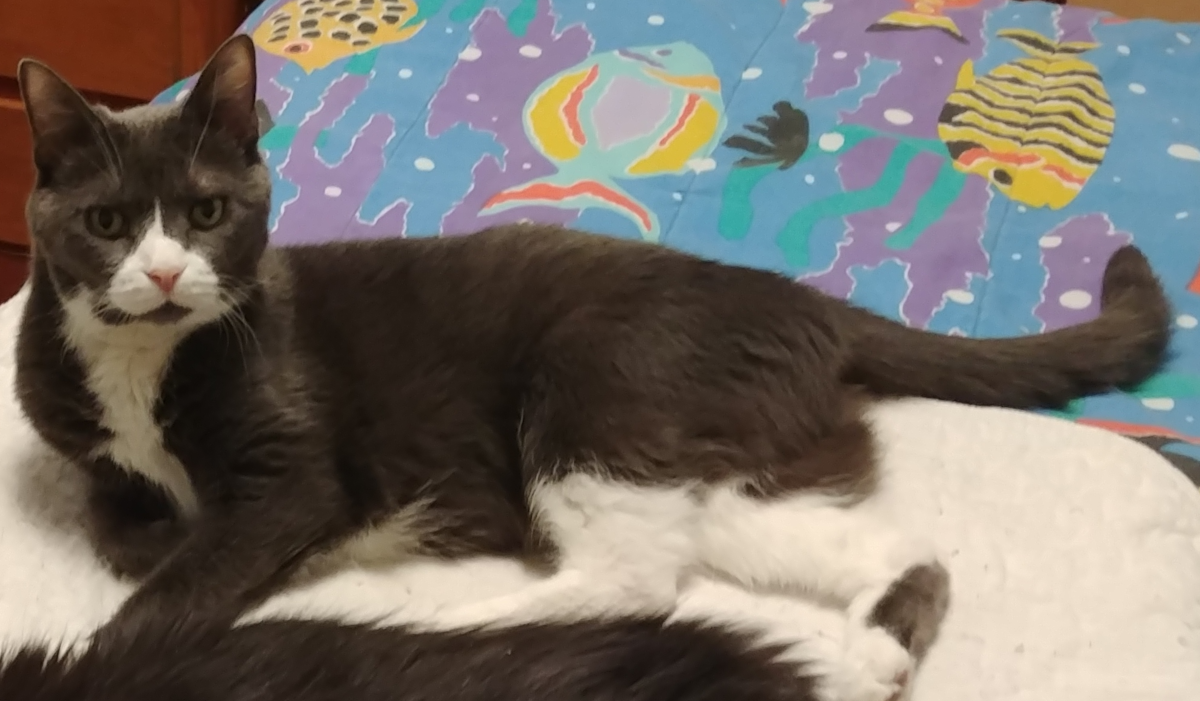
There are some changes in a senior pet that sneak up so quietly, we almost talk ourselves out of noticing them. A little more water in the bowl. A little less interest in breakfast. A thinner back end. A nap that stretches longer than it used to. When we love an aging cat or dog, it is easy to explain those things away as “just getting older,” because part of us wants that to be true.
Chronic kidney disease, often shortened to CKD, is one of those conditions that can hide behind ordinary aging. It tends to develop gradually, especially in senior cats, and the earliest signs may be subtle enough that even a very attentive pet parent can miss them at first. Cornell’s Feline Health Center notes that cats in early CKD may show no obvious signs because their bodies can compensate for reduced kidney function for a while. As the disease progresses, pets may begin drinking more and urinating more because the kidneys are no longer concentrating urine as well as they should.
That is why awareness matters so much. Not fear. Not panic. Awareness. CKD is not something we diagnose by staring at a water bowl or studying a litter box in the middle of the night. It takes veterinary testing, usually bloodwork, urine testing, and sometimes blood pressure checks or imaging. But as pet parents, we are often the first ones to see the tiny day-to-day changes that tell us it is time to make that appointment.
When “Aging” Might Be More Than Aging
One of the hardest parts of senior pet care is learning the difference between normal slowing down and a medical change that needs attention. A senior cat may sleep more. An older dog may not race to the door with the same rocket-powered enthusiasm. Bodies change with age, just like they do for us. But CKD often creates patterns that feel a little different once you know what to watch for.
 Increased thirst is one of the classic early clues. You may notice the water bowl emptying faster, or your cat suddenly visiting a faucet, sink, bathtub, or pet fountain more often. With dogs, you may find yourself refilling the bowl more than usual or seeing them ask to go outside more frequently. Merck Veterinary Manual describes increased thirst and increased urination as among the earliest clinical signs commonly connected to kidney dysfunction, although those signs may not become obvious until a significant amount of kidney function has already been affected.
Urination changes often travel right alongside increased thirst. A cat’s litter clumps may become larger, heavier, or more frequent. A dog who has been house-trained for years may start having accidents, especially overnight. Sometimes the urine looks lighter than usual because it is more diluted. These changes can be easy to miss in a multi-pet home, especially if several animals share bowls or litter boxes. That is one reason I always encourage pet parents to pay attention to routines, not obsessively, but lovingly.
With our Belle, who dealt with kidney disease along with other senior health problems, the changes were not dramatic at first. It was not some movie-scene emergency where everything became obvious in one day. It was more like a series of quiet questions. Was she drinking more? Was she thinner? Was she having more “off” days? Those little questions are worth respecting, because they can lead us to the vet before things become harder on the pet.
The Subtle Signs That Deserve a Vet Visit
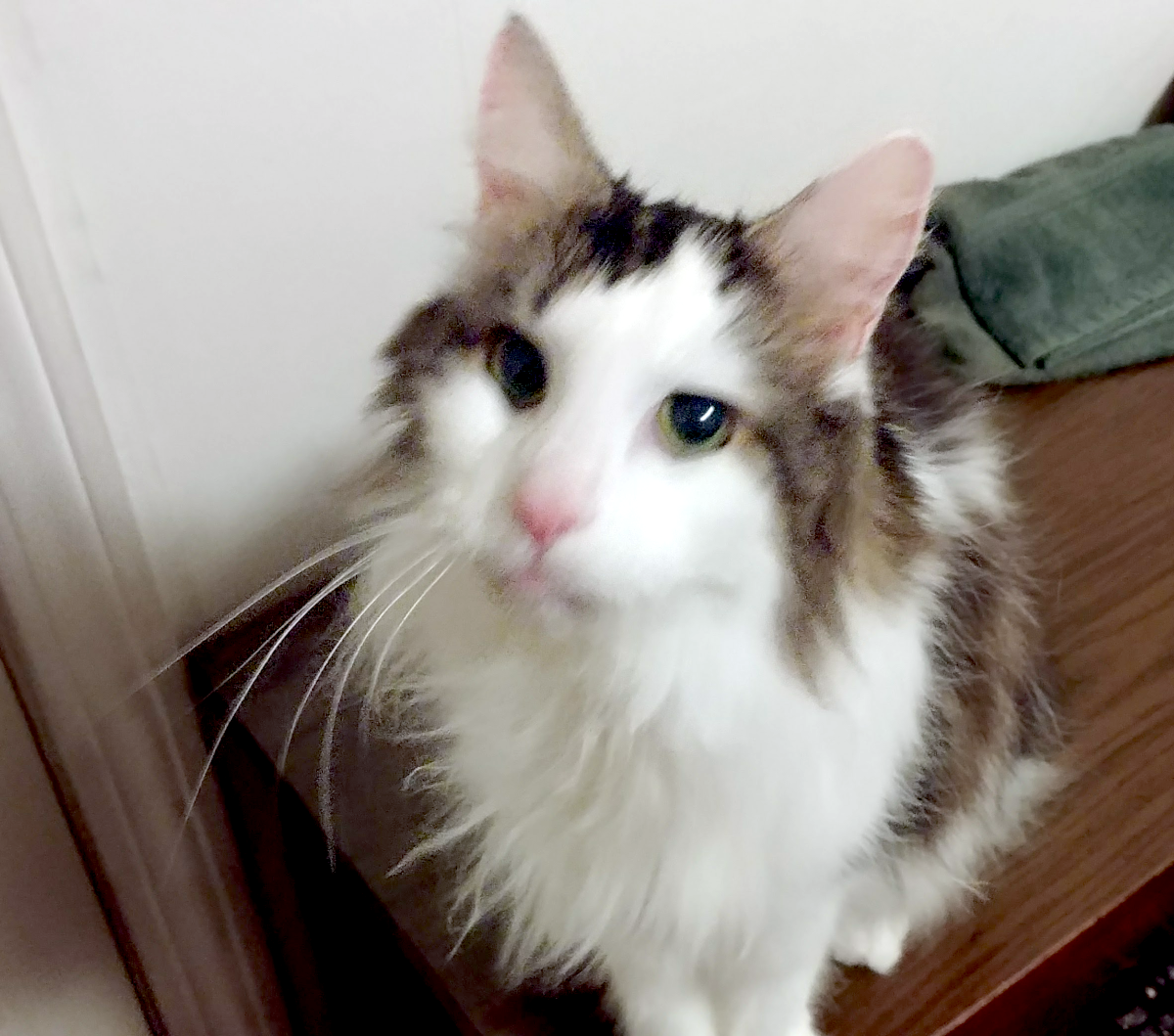
Weight loss is another warning sign that can creep in slowly. With long-haired cats especially, you may not notice it right away because fur can hide the shape of the body. Then one day you pet along the spine or hips and realize they feel bonier than they used to. In dogs, collars or harnesses may fit differently, or you may notice muscle loss in the back legs.
 Appetite changes can be just as subtle. A pet may still eat, but not with the same enthusiasm. They may walk up to the bowl, sniff, and walk away. They may become picky in a way that seems behavioral, when really they may be dealing with nausea, stomach upset, or a general unwell feeling. CKD can cause waste products to build up in the bloodstream, and that can make food less appealing. Michigan State University’s Veterinary Diagnostic Laboratory lists increased thirst and urination, lethargy, vomiting, diarrhea, poor appetite, weight loss, and dehydration as signs that kidney function may be impaired.
Vomiting is another sign pet parents sometimes normalize, especially with cats. We joke about hairballs, sensitive stomachs, or “that’s just what cats do,” but frequent vomiting should never be brushed off. Occasional vomiting can happen for many reasons, but when it becomes a pattern, especially with weight loss, thirst changes, or poor appetite, it deserves a veterinary conversation.
Energy changes matter too. A pet with CKD may become quieter, less playful, or less interested in their usual routine. Cats may hide more, sleep in unusual places, or stop jumping to favorite spots. Dogs may seem tired on walks or less engaged with family activity. These signs are not specific to kidney disease, which is exactly why testing is important. Many senior conditions overlap in appearance, including thyroid disease, diabetes, dental pain, arthritis, heart disease, and cancer.
Bad breath can also be a clue, especially if it has a chemical or ammonia-like smell. Dental disease is common in senior pets too, so breath changes do not automatically mean CKD. Still, a strong change in breath, drooling, mouth ulcers, pawing at the mouth, or reluctance to eat should be checked. The mouth often tells us when something deeper is going on.
Why Testing Matters Before Guessing
One thing I would never want any pet parent to do is try to manage suspected CKD based only on symptoms. The signs can point us toward concern, but they cannot tell us the full story. A pet drinking more could have kidney disease, diabetes, hyperthyroidism, Cushing’s disease, a urinary issue, medication side effects, or something else entirely. The loving move is not to guess. The loving move is to gather information.
 A veterinarian may recommend bloodwork to look at kidney values, urine testing to see how concentrated the urine is, and a urine protein check if needed. Blood pressure is also important, especially in cats. Cornell notes that chronic kidney disease is commonly associated with feline hypertension, and high blood pressure can affect the eyes, brain, heart, and kidneys.
This is where being an observant pet parent can really help your vet. Instead of saying, “Something seems wrong,” which is still valid, you can bring details. You can mention that the water bowl is being refilled twice as often, that litter clumps are larger, that your dog has had three accidents this week, or that your cat has lost interest in food she used to love. If you have dates, weights, appetite notes, or photos of changes, even better.
For diabetic pet parents, tracking is already second nature. At BellenPaws, we talk often about the value of patterns because of our experience with Zippy and Bentley and tight regulation. That same mindset can help with senior care in general. Our free pet diabetes tracker is designed for glucose readings and printable charts for vet visits, but the habit behind it is the real lesson: write things down. Even a simple notebook with water intake observations, appetite, weight, vomiting, bathroom changes, and energy can help your vet see the bigger picture.
Small Home Observations That Can Make a Big Difference
You do not need to turn your home into a clinic to watch for CKD warning signs. You just need to know your pet’s normal. Normal is powerful. When you know how much your cat usually drinks, how often your dog usually asks to go out, and what their appetite normally looks like, you can spot changes sooner.
 For cats, litter box clues are often the easiest place to start. Larger clumps, more frequent urination, urinating outside the box, or changes in litter box habits should get your attention. For dogs, watch for increased trips outside, accidents, heavier water drinking, or nighttime restlessness. If you have multiple pets, it can help to separate them briefly during meals or offer water in a way that lets you see who is drinking more.
Body condition is another quiet storyteller. Run your hands gently over your pet’s back, ribs, and hips every so often. You are not looking to judge their body. You are learning what they feel like when they are stable. Gradual weight loss is easier to catch by touch than by sight, especially with fluffy cats and thick-coated dogs.
Hydration can also become an issue with CKD, but checking hydration at home is not always straightforward. Dry gums, sunken eyes, weakness, constipation, or skin that does not settle back normally can suggest dehydration, but these signs can be hard to interpret and may appear later. If you suspect dehydration, especially if your pet is not eating or is vomiting, that is a vet call.
Most importantly, do not change your pet’s diet drastically without veterinary guidance. Kidney diets can be helpful for some pets with diagnosed CKD, but the right plan depends on the pet, stage of disease, appetite, other conditions, bloodwork, and quality of life. A food that is “kidney friendly” for one pet may not be right for another, especially if there are other conditions in the mix.
Hope, Not Panic
Hearing the words “chronic kidney disease” can feel heavy. I know that fear. When you have loved senior pets through kidney disease, thyroid disease, high blood pressure, diabetes, cancer, heart problems, and all the complicated roads aging can bring, you learn that a diagnosis is not the end of love. It is a call to pay closer attention.
 CKD is usually not cured, but it can often be managed. Many pets continue to have meaningful, comfortable time with the right veterinary care, monitoring, hydration support, diet discussions, blood pressure management, nausea control when needed, and adjustments along the way. The goal is not perfection. The goal is comfort, dignity, and catching problems early enough to give our pets the best support we can.
So if your senior cat is suddenly drinking from every bowl in the house, or your older dog is asking to go out more often, do not panic. Just listen to the clue. If appetite is fading, weight is dropping, vomiting is becoming common, or your pet seems more tired than usual, schedule a vet visit and ask about kidney screening.
Our pets cannot tell us, “My kidneys feel off.” They tell us in water bowls, litter boxes, food dishes, naps, posture, breath, and small changes in personality. Our job is to notice with compassion, respond without fear, and remember that early action is one of the greatest gifts we can give them.