
When a cat is diagnosed with hyperthyroidism, it can feel like the ground shifts under your feet a little. Many of us know that feeling all too well. One day your senior cat is begging for food, losing weight despite eating like a little lion, drinking more, pacing more, or seeming restless in a way that does not feel like “just aging.” Then the bloodwork comes back, and suddenly you are learning a whole new language around thyroid levels, medication, kidney values, and treatment choices.
As pet parents, we want the same thing every time. We want our cat to feel better, we want to make a safe choice, and we want to avoid regrets. Hyperthyroidism in cats is common, especially in older cats, and the good news is that there are real treatment options. The harder part is that those options can feel very different in daily life.
Two of the most common paths are radioactive iodine therapy, often called I-131, and daily medication, usually methimazole. Both can help cats with hyperthyroidism, but they do not work the same way. Radioactive iodine is often considered a more definitive treatment because it targets overactive thyroid tissue, while methimazole manages hormone production and usually needs to be continued long term. Veterinary sources commonly describe radioactive iodine, antithyroid medication, prescription iodine-restricted diet, and surgery as the major treatment options for feline hyperthyroidism.
Understanding What Hyperthyroidism Does to a Cat
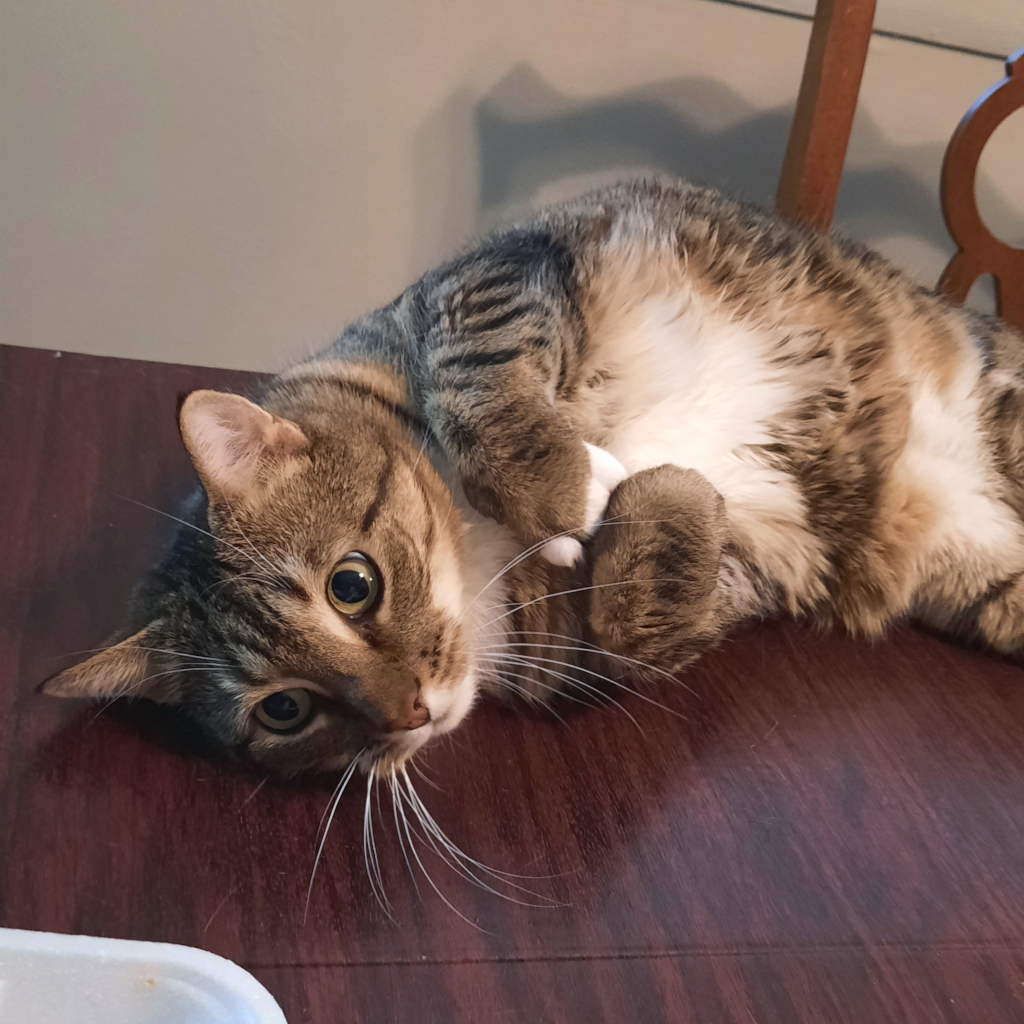 Hyperthyroidism means the thyroid gland is producing too much thyroid hormone. In plain language, the cat’s body gets pushed into overdrive. A cat may eat more but lose weight, seem anxious or restless, vomit more often, drink and urinate more, develop a rough coat, or act unusually vocal. Some cats seem “energetic” at first, but it is not the healthy kind of energy. It is more like their body is being forced to run too fast.
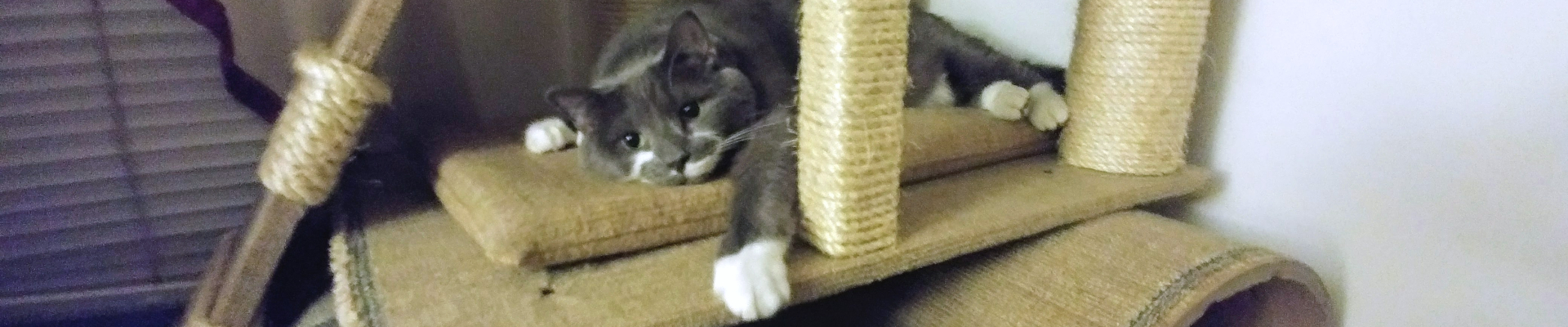
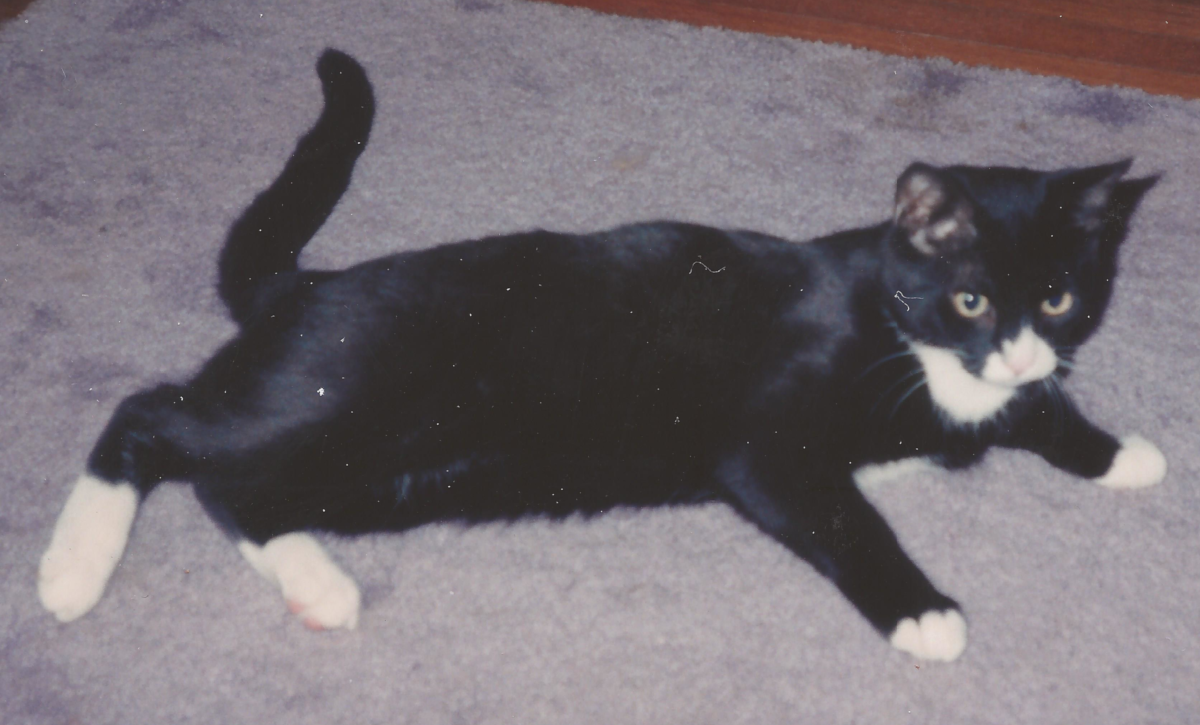
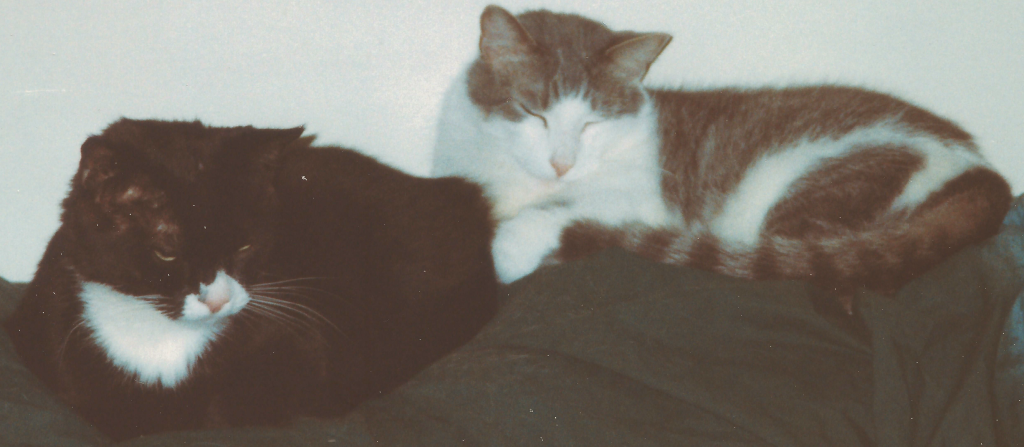
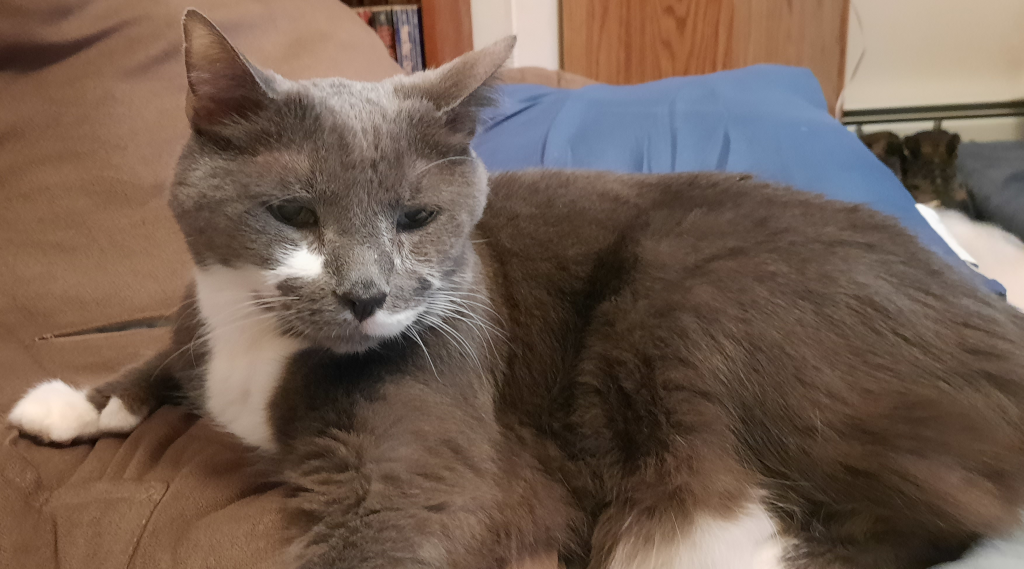
We saw hyperthyroidism more than once in our own cat family, including with Belle and Paws, the two senior cats who helped inspire BellenPaws. What I remember most is not just the diagnosis itself, but the emotional weight of trying to choose the most loving path. When a cat is older, every decision feels like it carries extra meaning. You are not only asking, “What treats the condition?” You are asking, “What can my cat realistically handle?”
That is why this conversation belongs with your veterinarian, not with fear or guesswork. Hyperthyroidism can affect the heart, blood pressure, weight, appetite, and overall comfort. Treatment can also reveal kidney issues that were partly hidden by the high thyroid state, so vets often monitor kidney values closely before and after treatment. Some specialty centers may recommend stabilizing a cat on methimazole before radioactive iodine to better understand how the kidneys respond once thyroid levels normalize.
Daily Medication: The Familiar, Flexible Path
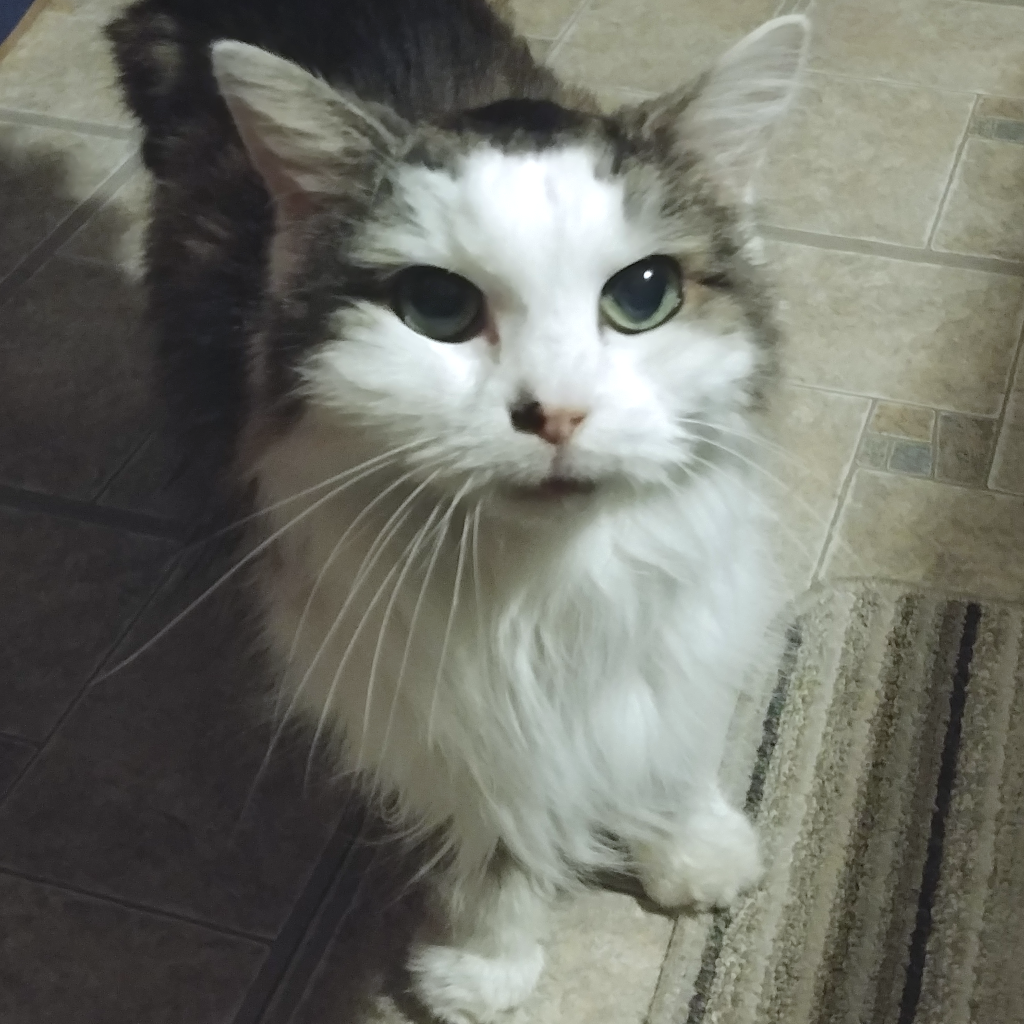 Methimazole is often the first treatment many cat parents encounter. It works by reducing the production of thyroid hormone. It does not remove or destroy the abnormal thyroid tissue, but it can control the hormone levels and help many cats feel much better when the dose is right.
For a lot of families, medication feels approachable because it can begin quickly. It is usually less expensive upfront than radioactive iodine therapy, and it gives the veterinarian a chance to see how the cat responds as thyroid levels come down. Methimazole may be given as a tablet, liquid, or in some cases as a transdermal preparation applied to the skin, depending on what the veterinarian recommends and what the cat can tolerate. FDA-approved feline methimazole options include Felimazole tablets and Felanorm oral solution, both containing methimazole as the active ingredient.
The biggest advantage of medication is flexibility. If the thyroid level goes too low or remains too high, the veterinarian can adjust the dose. If side effects show up, the plan can be reevaluated. This can be especially helpful for cats with other health concerns, cats who are not strong candidates for a hospital stay, or families who need time to consider a more permanent treatment.
But daily medication also asks something from the household. It asks for consistency. It may mean pills once or twice a day, follow-up bloodwork, dose changes, refill management, and watching for changes in appetite, energy, vomiting, scratching, facial irritation, or unusual tiredness. Methimazole is widely used and can be safe and effective when dosed and monitored appropriately, but it does require ongoing veterinary supervision.
For some cats, daily medication is no big deal. They take a pill in a treat and move on with their royal feline business. For others, it becomes a daily wrestling match that damages trust. That part matters. A treatment that looks easy on paper may not feel easy when your cat hides under the bed every time they hear the pill bottle.
Radioactive Iodine Therapy: The Bigger Step That May Offer a Cleaner Finish
 Radioactive iodine therapy sounds intimidating at first. The word “radioactive” can make any loving pet parent tense up. But in feline hyperthyroidism care, I-131 is a well-established treatment that works because overactive thyroid tissue takes up iodine. The radioactive iodine concentrates in that abnormal thyroid tissue and destroys it while generally sparing much of the surrounding tissue. Merck’s cat owner guidance describes radioactive iodine treatment as simple, effective, and safe, and notes that it is usually recommended when available and appropriate.
The appeal is easy to understand. Instead of giving medication every day for the rest of the cat’s life, radioactive iodine may treat the root of the problem in one therapy. Many cats do not need anesthesia for it, which can be a major comfort for families with senior cats. Some veterinary specialty centers describe I-131 as permanent and effective in more than 95 percent of cases, though a small number of cats may need another treatment or may become hypothyroid afterward and need thyroid hormone supplementation.
The difficult part is the process around it. Because cats temporarily emit low levels of radiation after treatment, they usually need to stay at a licensed veterinary facility for a period of time. The exact stay varies by location, facility rules, and local regulations. Cornell’s feline hyperthyroidism page describes hospitalization during radioiodine treatment as 3 to 5 days, while some other veterinary sources describe longer stays depending on the hospital and regulations.
That hospital stay can be emotionally hard. Even when you know your cat is being cared for, leaving them somewhere unfamiliar can tug at your heart. Some cats handle hospitalization calmly, while others are deeply stressed by separation. After they come home, there may also be temporary safety instructions for litter handling, close contact, sleeping arrangements, or limiting prolonged lap time. Those rules are not forever, but they can feel strange when all you want to do is scoop your cat up and comfort them.
The Real-Life Choice: Your Cat, Your Home, Your Vet Team
In an ideal world, every choice would be obvious. In real life, pet care decisions are usually a mix of medical facts, finances, access, personality, age, other illnesses, and what the family can realistically maintain. A cat who pills easily and has other complicated health problems may do beautifully on medication. A cat who is otherwise stable but impossible to medicate may be a wonderful candidate for radioactive iodine. A cat with kidney concerns may need a slower, more cautious path before any permanent decision is made.
 Cost is another honest part of the conversation. Medication usually costs less at the beginning, but it continues over time with repeat bloodwork and refills. Radioactive iodine often costs more upfront, but it may reduce or eliminate the need for lifelong thyroid medication if successful. Neither choice is morally better. The best choice is the one that fits the cat’s medical situation and gives the family a plan they can actually follow.
Quality of life should stay at the center. If medication turns every morning and evening into a battle, that stress matters. If hospitalization would be dangerous for a fragile cat, that matters too. If a cat has high blood pressure, heart changes, kidney disease, or major anxiety, those details should be part of the decision. This is where a trusted veterinarian becomes more than a medical professional. They become a guide through the fog.
At BellenPaws, we often talk about tracking because patterns tell stories. For diabetic pets, our free pet diabetes tracker and printable glucose curve forms help families bring clearer information to the vet. Hyperthyroidism is different from diabetes, but the same mindset helps: write things down. Appetite, weight, vomiting, thirst, litter box changes, energy, medication doses, and lab dates can all help your vet see the bigger picture. You do not need a fancy system. You just need something you will actually use.
Choosing With Love, Not Panic
The hardest part of feline hyperthyroidism is not only the treatment decision. It is the emotional noise around it. We can start second-guessing ourselves before we have even made a choice. We wonder whether medication is “enough.” We wonder whether radioactive iodine is “too much.” We worry about money, age, side effects, and time. That worry comes from love, but it can make everything feel heavier than it needs to be.
 Daily medication and radioactive iodine therapy both have a place. Medication can be practical, adjustable, and deeply helpful, especially when careful monitoring is possible. Radioactive iodine can offer a more lasting solution for many cats, especially when the cat is a good candidate and the family can manage the hospital stay and temporary home precautions. The right answer is not the same for every cat.
If your cat has been newly diagnosed, take a breath. Ask your vet what your cat’s thyroid level is, what the kidney values look like, whether blood pressure should be checked, what monitoring schedule they recommend, and whether your cat might be a candidate for I-131. Ask what signs should prompt a call. Ask what the plan is if your cat refuses medication or has side effects. A good plan should make you feel more supported, not more ashamed or overwhelmed.
Senior cats can still have beautiful, comfortable chapters after a hyperthyroidism diagnosis. We have loved cats through thyroid disease, kidney worries, blood pressure checks, appetite changes, and all the little daily adjustments that come with aging. What I have learned is that love is not proven by choosing the most expensive option or the most aggressive option. Love is shown by paying attention, asking questions, staying consistent, and choosing the path that gives your cat the best chance at comfort.
Whether your road leads to daily medication, radioactive iodine therapy, or a careful step-by-step plan that starts with one and later considers the other, you are not failing your cat by needing guidance. You are doing what devoted pet parents do. You are learning, adapting, and standing beside them through another chapter.