When to Suspect Your Pet’s Thyroid Medication Dose Needs Adjusting
Thyroid medication can make a remarkable difference in a pet’s life. A cat who was losing weight despite eating constantly may begin holding a healthy weight again.
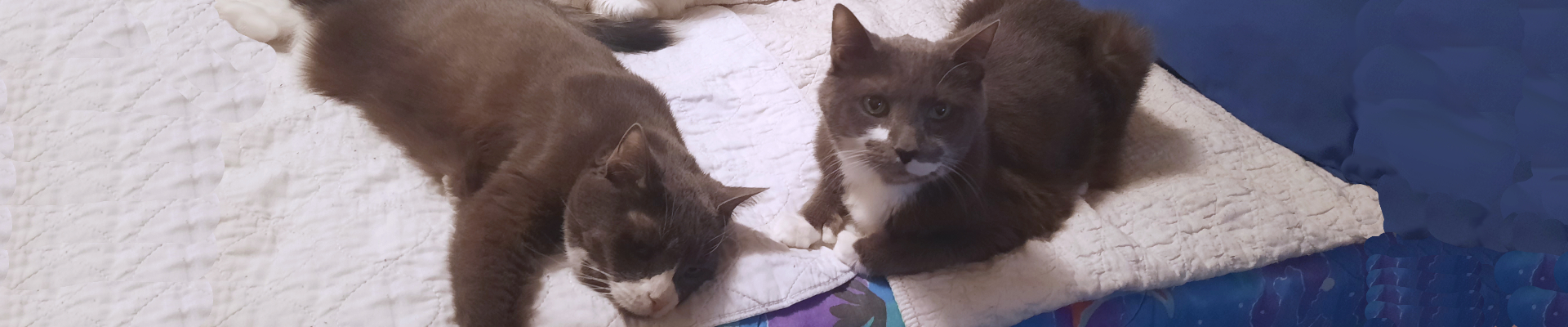
Hyper and Hypo Thyroidism in Cats
Thyroid medication can make a remarkable difference in a pet’s life. A cat who was losing weight despite eating constantly may begin holding a healthy weight again.
A pet’s coat often tells us that something has changed long before we understand what is happening inside the body. Fur that once felt soft may become dry, greasy, thin, or strangely uneven.
Thyroid disease has a sneaky way of changing a pet’s whole body. A cat who used to nap like royalty may suddenly pace, beg for food, lose weight, and seem unable to settle.
There are few things more unsettling than looking at a cat you love and realizing something has changed, but not being able to put your finger on exactly what it is.
When a cat is diagnosed with hyperthyroidism, it can feel like the ground shifts under your feet a little. Many of us know that feeling all too well.
One of the hardest parts of loving a senior cat or dog is learning to trust your instincts when something subtle begins to change. Hyperthyroidism often doesn’t arrive loudly.
Thyroid disorders are often described as opposites. Hyperthyroidism involves an overactive thyroid that produces too much hormone, while hypothyroidism involves an underactive thyroid that produces too little.
As cats enter their senior years, it is not uncommon for them to develop thyroid-related disorders, particularly hyperthyroidism.