

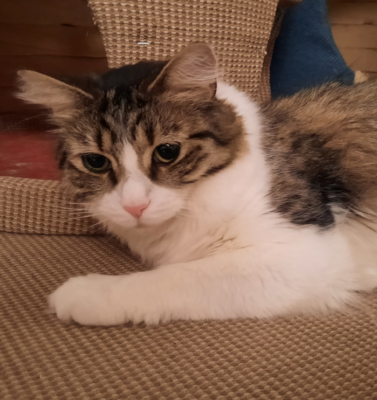
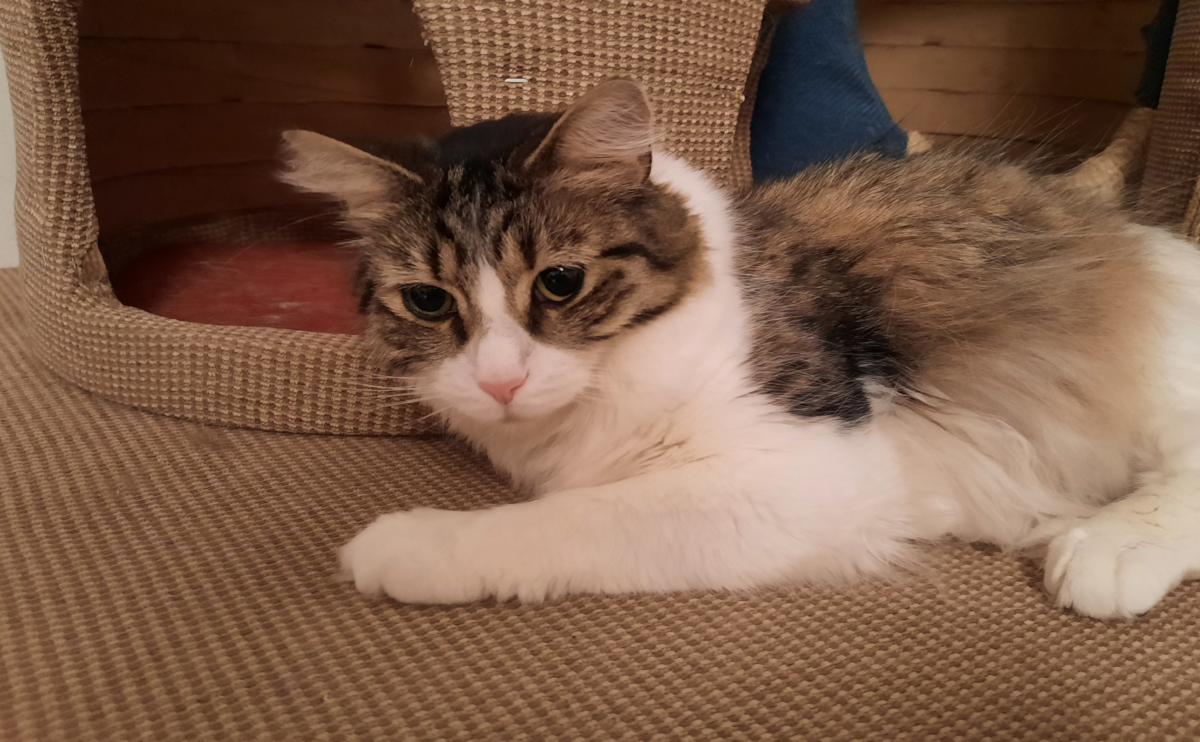
Thyroid medication can make a remarkable difference in a pet’s life. A cat who was losing weight despite eating constantly may begin holding a healthy weight again. A dog who seemed tired, cold, and uninterested in normal activities may slowly regain energy and enthusiasm. Still, thyroid treatment is rarely a matter of finding one dose and never thinking about it again.
A pet’s needs can change as the thyroid condition progresses, body weight shifts, other illnesses develop, or medications are added. Even the way a pill or transdermal medication is given can affect how well it works. That is why pet parents need to watch more than the prescription label. We need to watch the animal in front of us.
I have lived through thyroid disease with several of our cats, including Belle, Paws, Bam Bam, Clyde, Skittles, Blackie, Rascal, Tabitha, and Sheamus. Their experiences were not identical. Some also had kidney disease, high blood pressure, or heart problems, which made regular testing and close observation even more valuable. The goal is not to diagnose a dosing problem at home. The goal is to recognize meaningful changes early enough to call the veterinarian before a manageable issue becomes a crisis.
Cats and Dogs Usually Need Thyroid Medication for Different Reasons
 Most cats taking thyroid medication are being treated for hyperthyroidism. Their thyroid gland produces too much thyroid hormone, causing the body to run in overdrive. Methimazole and carbimazole reduce the production of thyroid hormone. These medications control the condition but do not remove the abnormal thyroid tissue, so treatment usually continues for life unless the cat receives another treatment such as radioactive iodine therapy or surgery.
Dogs are more commonly treated for hypothyroidism. Their bodies are not producing enough thyroid hormone, so they receive replacement hormone, usually levothyroxine. Most dogs need this treatment for the rest of their lives. This difference matters because the warning signs point in opposite directions.
A hyperthyroid cat may need more control if the original symptoms begin returning. A hypothyroid dog may need more replacement hormone if low-thyroid symptoms return. On the other hand, either pet can develop signs that the current treatment is pushing thyroid hormone too far in the opposite direction.
The Original Symptoms Begin Creeping Back
One of the clearest reasons to contact the veterinarian is the gradual return of the problems that led to the diagnosis. For a cat with hyperthyroidism, those signs may include weight loss, an unusually strong appetite, increased thirst, frequent urination, vomiting, diarrhea, restlessness, excessive vocalizing, or a greasy and poorly kept coat. Some cats become extremely active. Others seem irritable, unsettled, or unable to relax.
The change may be subtle at first. You might notice that your cat is finishing meals faster, begging between meals again, or losing a few ounces despite eating normally. A senior cat who had settled into a calmer routine may begin pacing at night or waking the household with loud cries.
These changes do not automatically prove that the dose is too low. Kidney disease, diabetes, intestinal disease, cancer, dental pain, and other conditions can cause some of the same symptoms. Still, the return of a familiar cluster of signs deserves a thyroid recheck.
For a dog receiving levothyroxine, low-thyroid symptoms may begin returning if the dose is no longer meeting the dog’s needs. The dog may become sluggish, gain weight without eating more, seek warm places, develop dry skin, lose hair, or show less interest in walks and play.
Thyroid improvement in dogs can also happen at different speeds. Energy may improve before skin and coat changes. Hair regrowth can take months. A slow coat recovery does not always mean the medication has failed, but new decline after earlier improvement deserves attention.
Your Pet Seems Pushed Too Far in the Opposite Direction
 Too much thyroid control in a cat can lower thyroid hormone below the desired range. The cat may seem tired, withdrawn, weak, cold, or less interested in food. Weight gain may occur, although weight gain alone is not enough to judge the dose because many formerly hyperthyroid cats need to regain lost weight.
Constipation, a slower heart rate, reduced activity, and a dull coat may also occur when thyroid levels fall too low. These signs can be easy to mistake for normal aging. That is one reason bloodwork matters so much. A quiet senior cat may be comfortable, or the cat may have become hypothyroid from treatment. Observation raises the concern. Testing separates one possibility from another.
A dog receiving too much levothyroxine may begin showing signs that resemble an overactive thyroid. These can include nervousness, panting, restlessness, increased thirst, increased urination, increased appetite, weight loss, a fast heart rate, or difficulty settling down. High doses of levothyroxine can produce hyperthyroid-type effects, so these changes should be reported rather than dismissed as the dog having a burst of energy. Sudden hyperactivity is not always good news.
Appetite Changes Deserve Special Attention
Food intake is one of the best daily clues pet parents have, especially with cats. A cat whose hyperthyroidism is poorly controlled may eat ravenously and still lose weight. A cat whose thyroid hormone has dropped too low may become less interested in meals. However, reduced appetite can also be a medication reaction, particularly with methimazole or carbimazole.
Methimazole can cause vomiting, poor appetite, tiredness, facial itching, liver problems, anemia, and changes in white blood cells or platelets. Many adverse reactions appear during the first few months of treatment, although problems can develop later.
A cat who refuses food, repeatedly vomits, becomes profoundly weak, scratches the face intensely, develops yellow gums or eyes, or seems suddenly ill needs prompt veterinary attention. Those signs should not be handled by simply reducing the dose at home and seeing what happens. Cats can deteriorate quickly when they stop eating. Call first.
Weight Changes Tell a Story, but Not the Whole Story
 Tracking weight can reveal changes before they become obvious by sight. Hyperthyroid cats often lose muscle and body weight. After treatment begins, some weight gain is expected and welcome. The concern begins when a cat continues losing weight despite treatment or starts losing again after a period of stability.
Unexpected weight gain can also matter. It may mean thyroid hormone has been pushed too low, but it may also reflect normal recovery, reduced activity, excess calories, fluid retention, or another health problem.
Dogs with untreated or undertreated hypothyroidism may gain weight even when their food intake has not changed. Once medication is working, weight loss should still be gradual and supported by appropriate feeding and activity. Thyroid medication should not be treated as a weight-loss drug.
A simple home record can help. Weigh smaller pets on an infant or pet scale when possible, using the same scale and similar conditions each time. For larger dogs, some veterinary offices allow quick weight checks between appointments. Monthly measurements are often more useful than relying on memory.
Medication Side Effects Can Look Like a Dosing Problem
Not every problem means the thyroid number is wrong. Sometimes the medication itself is causing an adverse reaction. Methimazole deserves close monitoring because it can affect the digestive system, liver, blood cells, and skin. Vomiting and reduced appetite may be mild in some cats, but they can also be the beginning of a more serious reaction. Facial itching is especially concerning when it becomes intense or causes sores.
Bloodwork is used not only to measure thyroid hormone but also to examine kidney values, liver values, red blood cells, white blood cells, and platelets. Frequent checks are commonly recommended during the early treatment period because many methimazole reactions occur within the first three months.
Transdermal medication can be easier for cats who fight pills, but it still needs precise handling. The prescribed amount should be applied exactly as directed, usually to the inner surface of the ear flap. The ears may need gentle cleaning according to the veterinarian’s instructions so medication residue does not build up.
Caregivers should wear gloves when applying transdermal thyroid medication and avoid touching the treated area. Switching from pills to a compounded liquid or transdermal preparation may also change absorption, so the veterinarian may recommend new bloodwork after the change.
Kidney Values May Change After a Hyperthyroid Cat Starts Treatment
 Hyperthyroidism can increase blood flow through the kidneys. This can make kidney function look better on laboratory tests than it really is. Once thyroid hormone is brought under control, previously hidden kidney disease may become more obvious. This does not mean treating the thyroid caused the kidney disease. The treatment may have revealed a condition that was already present.
This situation can make dose decisions more complicated. The veterinarian may need to balance thyroid control with kidney function rather than chasing one perfect laboratory number. A cat with both conditions may need thyroid testing, kidney testing, blood pressure checks, urine testing, hydration support, diet changes, or other medication.
We saw how closely thyroid disease could overlap with kidney disease and high blood pressure in cats such as Belle, Clyde, and Blackie. Watching only one condition would have missed much of what was happening. Changes such as increased thirst, larger urine clumps, dehydration, nausea, reduced appetite, weakness, or weight loss should be reported even when the thyroid medication has not changed.
Heart Rate, Breathing, and Blood Pressure Matter
Excess thyroid hormone puts strain on the cardiovascular system. Hyperthyroid cats may develop a fast heart rate, high blood pressure, heart murmurs, or changes in the heart muscle. Some cats receive heart or blood-pressure medication along with thyroid treatment. A return of rapid breathing, pounding heartbeat, restlessness, weakness, or collapse needs veterinary attention. Open-mouth breathing in a cat is an emergency.
A pet parent should not attempt to judge thyroid control through heart rate alone. Pain, fear, dehydration, fever, heart disease, and stress at the veterinary clinic can all affect the number. Still, changes noticed at home can provide useful context.
Watch your pet while resting or sleeping. Increased effort, abdominal movement during breathing, repeated coughing in a dog, or an inability to get comfortable should not wait for the next routine thyroid appointment.
Inconsistent Dosing Can Produce Inconsistent Results
 Medication works best when it is given the same way each day. Missed pills, partial doses, vomiting shortly after medication, difficulty applying transdermal gel, or giving doses at wildly different times can all affect thyroid control. Levothyroxine absorption can also change depending on whether it is given with food or on an empty stomach. The best approach is to follow the prescribing veterinarian’s directions consistently.
Consistency matters more than choosing a routine and changing it every few days. Tell the veterinarian honestly if doses have been missed. This is not a confession. It is useful medical information. A blood test may look as though the prescription is inadequate when the larger problem is that the pet is not receiving the full amount reliably.
Also report changes in the manufacturer, formulation, pill strength, pharmacy, compounded product, or administration method. A pet switched from a tablet to a flavored liquid may need follow-up testing even when the listed dose appears equivalent. Never double the next dose unless the veterinarian has specifically instructed you to do so.
Blood Tests Must Be Timed and Interpreted Correctly
Thyroid medication should not be adjusted from symptoms alone. For cats taking methimazole, veterinarians often recheck thyroid hormone and other blood values every few weeks during the early treatment period. Merck Veterinary Manual notes that methimazole doses may be adjusted at roughly two-week intervals while the veterinarian works toward an appropriate T4 level. Once the cat is stable, the testing schedule is usually spread out.
Dogs receiving levothyroxine also need follow-up thyroid testing. The timing of the blood draw in relation to the pill can affect interpretation, so the veterinary team may give exact instructions about when to administer the medication and when to arrive for testing.
Follow those instructions closely. A test collected at the wrong time may create a misleading impression of how the medication is working. Once a dog’s dose is stable, thyroid levels are often checked once or twice a year, although older dogs and those with other medical conditions may need more frequent monitoring.
A Normal Thyroid Number Does Not Explain Every Symptom
 Pet parents sometimes expect the thyroid test to explain every change in behavior, weight, appetite, skin, or energy. Bodies are rarely that tidy. A cat can have a normal T4 and still be losing weight because of kidney disease, diabetes, intestinal disease, dental pain, or cancer. A dog can have an acceptable thyroid result and remain tired because of arthritis, heart disease, anemia, medication effects, or another endocrine disorder.
If the thyroid values look appropriate but the pet still feels unwell, further testing may be needed. Merck notes that a dog who does not improve while taking thyroid medication may have another disorder that needs investigation.
This is where pet-parent observations become valuable. Write down when the change began, whether it happened before or after a dose change, how much the pet is eating, whether thirst or urination changed, and whether any new medication or supplement was introduced.
For diabetic pets, appetite, weight, activity, and illness can also affect glucose regulation. Our free online pet diabetes tracker and printable glucose charts can help organize readings for veterinary appointments. Those records do not replace testing, but they can make patterns easier to see.
Never Adjust the Dose Without Veterinary Guidance
 Thyroid drugs are not medications to experiment with casually. Cutting a dose because a pet seems tired may allow hyperthyroidism to worsen. Increasing a dose because a dog gained weight may push thyroid hormone too high. Stopping methimazole suddenly without discussing the situation can allow a cat’s thyroid hormone to rise again, while continuing it during a serious medication reaction may also be unsafe.
Call the veterinarian and describe the signs. The clinic may advise an examination, bloodwork, a temporary medication change, or urgent care based on what is happening.
Seek prompt veterinary help for repeated vomiting, refusal to eat, severe weakness, collapse, yellow gums or eyes, unusual bleeding, intense facial itching, breathing difficulty, marked agitation, seizures, or a sudden major change in behavior. Bring the medication container, dosing instructions, a list of other drugs and supplements, and a record of any missed or vomited doses.