

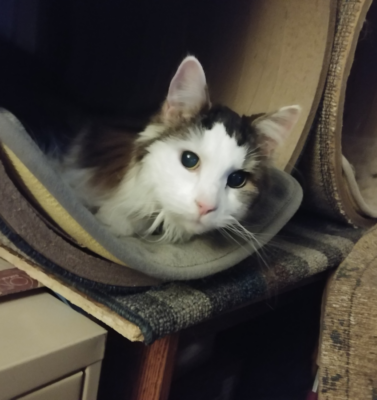
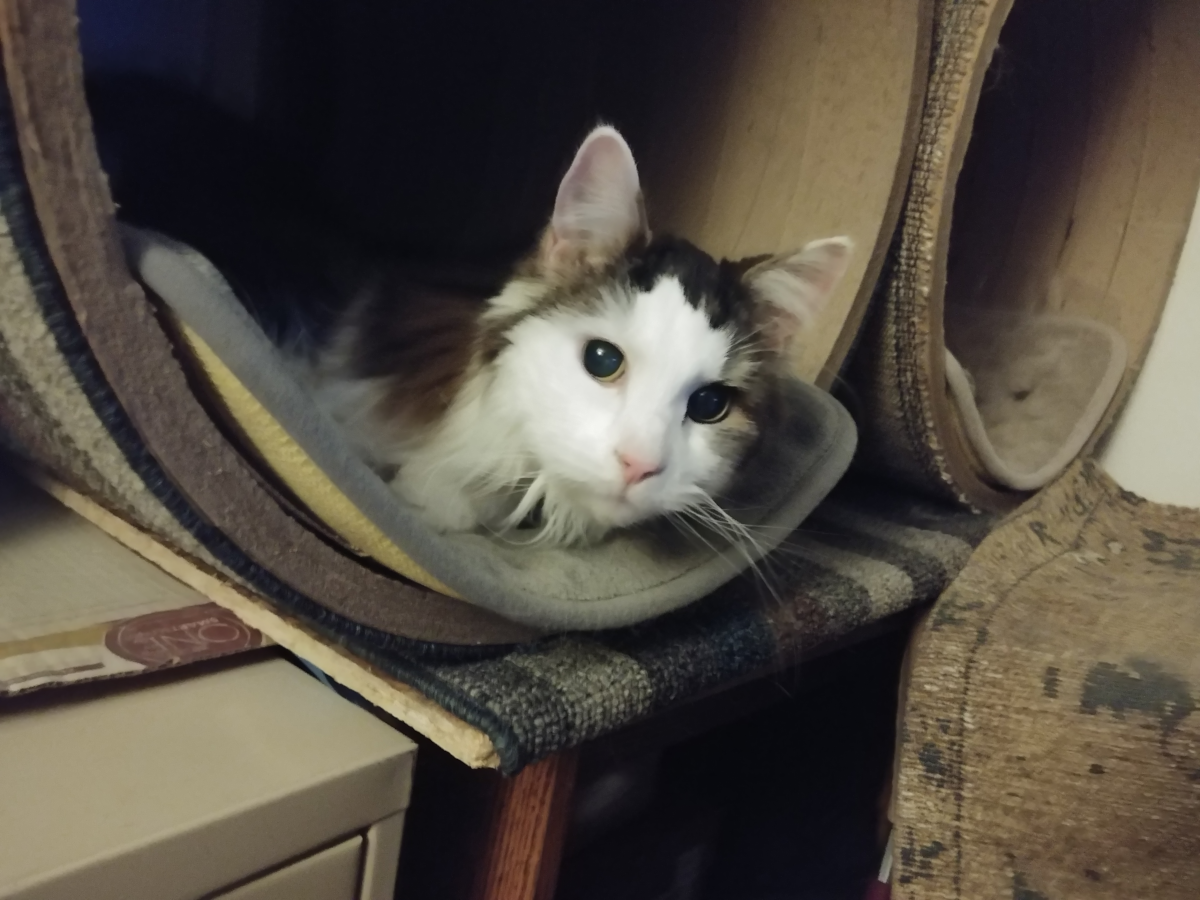
A senior cat that once slept comfortably through the night may begin pacing through the house, vocalizing repeatedly, or appearing unable to settle. Some become unusually demanding around mealtimes, while others grow irritable when approached or handled. These changes can be frustrating for the household, particularly when interrupted sleep and unpredictable behavior become part of the daily routine. When a cat has elevated thyroid hormone levels, however, this apparent agitation may be associated with an underlying medical condition rather than a change in personality.
Hyperthyroidism is one of the most common hormonal disorders affecting older cats. Excess thyroid hormones increase metabolic activity throughout the body and can contribute to heightened activity, restlessness, irritability, and changes in normal sleeping patterns. Understanding how the condition influences behavior can help pet owners distinguish possible thyroid-related symptoms from other health problems and make reasonable adjustments at home while medical treatment addresses the disease.
Why High Thyroid Levels Can Cause Behavioral Agitation
The thyroid gland produces hormones that regulate metabolism, influencing how the body uses energy and how numerous organs function. Two important thyroid hormones are thyroxine (T4) and triiodothyronine (T3). When these hormones circulate at excessive concentrations, the resulting increase in metabolic activity affects multiple body systems, including the cardiovascular system.
In cats, hyperthyroidism usually develops because of noncancerous changes in thyroid tissue that cause excessive hormone production. The condition is particularly common in older cats, although younger animals can also be affected. The American Animal Hospital Association’s 2023 feline hyperthyroidism guidelines describe increased metabolism as a defining feature of the disease, frequently accompanied by weight loss, increased appetite, and heightened activity.
Behavioral changes can develop alongside these physical symptoms. A hyperthyroid cat may spend considerably more time moving around the house, demanding attention, searching for food, or vocalizing. Some cats become less tolerant of handling or interactions that previously caused little difficulty. Others appear unusually excitable, with periods of activity that seem inconsistent with their age or established routines.
The Merck Veterinary Manual’s discussion of medical causes of behavioral changes identifies irritability, aggression, increased activity, urine marking, and nighttime waking among behaviors associated with feline hyperthyroidism. These associations are clinically meaningful, although they do not establish that every behavioral change in an affected cat results directly from thyroid hormone excess. Pain, sensory impairment, and other medical conditions can produce similar behaviors.
Hyperthyroidism is considerably less common in dogs. When excessive thyroid hormone levels occur in dogs, possible causes include a functioning thyroid tumor, excessive thyroid replacement medication, or consumption of food containing thyroid gland tissue. Because the underlying causes and treatment considerations differ significantly between species, the following discussion focuses primarily on cats.
Recognizing Agitation in a Hyperthyroid Cat
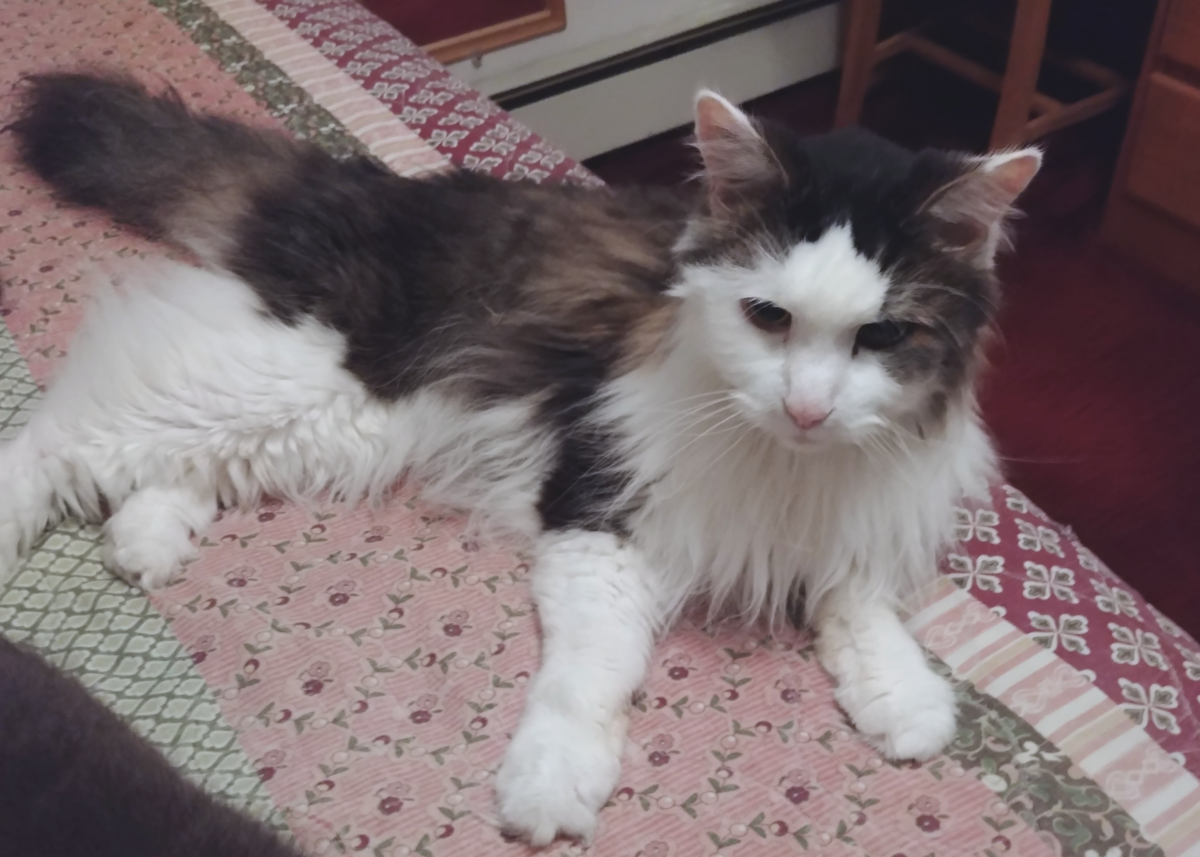 One of the more noticeable behavioral changes is persistent restlessness. A cat may repeatedly move between rooms, change sleeping locations, or walk around without remaining comfortable in one place. Some become increasingly active during evening hours, making their behavior particularly noticeable when the rest of the household is trying to sleep.
Excessive vocalization is another frequently reported concern. A cat may begin meowing loudly during the night, calling out from another room, or vocalizing repeatedly around feeding times. Increased hunger can contribute to food-related demands, while changes in activity and sleep patterns may make nighttime behavior more disruptive. Vocalization alone cannot establish the cause, especially in an older cat that may also be experiencing hearing loss, pain, or cognitive changes.
Irritability sometimes presents more subtly than obvious aggression. A cat that previously tolerated grooming may begin pulling away, swatting, or becoming agitated during handling. Others seem unusually sensitive to activity around them or become less patient with another animal in the household. These responses should be interpreted within the animal’s broader medical and behavioral history rather than treated automatically as evidence of a temperament problem.
Changes in appetite can complicate the situation. Hyperthyroid cats commonly experience increased hunger while continuing to lose weight, which can lead to repeated visits to food bowls or persistent demands for meals. A cat may appear unsettled shortly after eating, prompting an owner to wonder whether the animal is receiving enough food. Weight loss during hyperthyroidism often reflects increased energy demands and loss of body tissue, so simply assuming the cat is begging out of habit can overlook a genuine nutritional concern.
Not every hyperthyroid cat becomes visibly agitated. A less common presentation involves reduced activity, diminished appetite, or lethargy instead of the more familiar signs of excessive energy. Behavioral observations are useful pieces of information, but they cannot reliably indicate how elevated a cat’s thyroid hormone levels are or whether treatment is adequately controlling the condition.
Making the Home More Comfortable for an Agitated Cat
While veterinary treatment addresses excessive thyroid hormone production, practical adjustments at home can make periods of restlessness easier to manage. These measures are intended to reduce avoidable stress and support normal routines. They do not lower thyroid hormone concentrations or replace medical treatment.
A predictable daily schedule provides a useful starting point. Keeping feeding times, medication administration, and ordinary household activities reasonably consistent makes it easier to identify changes in behavior. It also reduces unexpected disruptions for an animal that may already be unusually reactive to its surroundings.
Quiet resting locations can be especially helpful for cats that become sensitive to movement or household activity. Provide comfortable areas away from frequently used walkways, noisy appliances, and unwanted interactions with other animals. Some cats prefer enclosed sleeping areas, while others are more comfortable in an open bed where they can observe their surroundings. Giving the animal several accessible choices is often more practical than repeatedly moving it to a location selected by the owner.
For older cats with reduced mobility, accessibility deserves additional consideration. A favorite resting location may become less appealing if reaching it requires difficult jumps or negotiating slippery flooring. Low-entry litter boxes, nearby water bowls, and easily accessible sleeping areas can reduce unnecessary physical demands. These adjustments are particularly relevant when hyperthyroidism exists alongside arthritis or other age-related conditions.
Agitated behavior should not be met with punishment, forced restraint, or attempts to exhaust the cat through vigorous exercise. A frightened or physically uncomfortable animal may become more defensive when restrained or chased. Brief, voluntary play sessions or familiar quiet interactions can provide normal activity when the cat appears interested, but strenuous activity should not be encouraged in a cat with suspected cardiovascular problems.
Handling Nighttime Restlessness and Vocalization
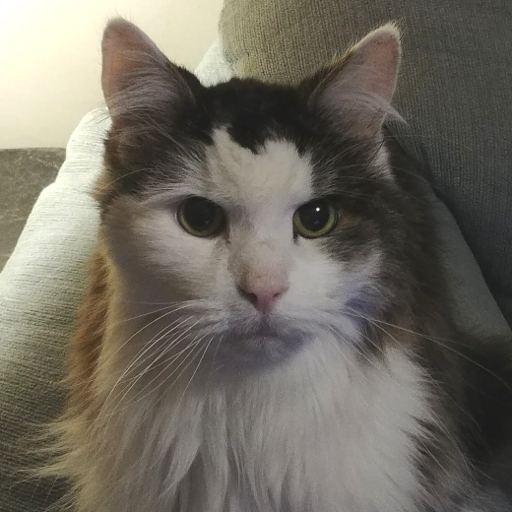 Nighttime agitation presents a specific challenge because repeated vocalization can interrupt sleep for everyone in the home. Before treating the behavior as an attention-seeking habit, check whether the cat has access to water, an appropriate amount of food, a clean litter box, and a comfortable resting area. Increased thirst and urination are common in hyperthyroid cats, so nighttime trips between these resources may become more frequent.
A consistent evening routine may help reduce unnecessary stimulation. Maintaining predictable lighting, avoiding sudden household activity, and providing a quiet sleeping location can make the environment more comfortable. For a cat with impaired vision or difficulty moving around, a small nightlight may help it find familiar resources without requiring changes to the entire household’s routine.
It can also be useful to observe whether nighttime vocalization follows a recognizable pattern. Some cats repeatedly approach the feeding area, while others vocalize from hallways or appear unable to choose a resting location. These differences may help identify unmet needs or additional medical concerns. Persistent nighttime distress warrants medical assessment rather than an indefinite series of attempts to change the behavior.
Medical Conditions That Can Make Agitation Worse
Elevated thyroid hormone levels do not always explain every symptom observed in an older cat. Hyperthyroidism frequently occurs alongside other health problems, and their combined effects can influence comfort and behavior. This becomes especially relevant when agitation appears suddenly, becomes more intense, or continues despite treatment.
High blood pressure, also called hypertension, is an important concern in cats with hyperthyroidism. Elevated blood pressure can damage the eyes, kidneys, heart, and nervous system. Severe hypertension may cause sudden vision loss, which can produce apparent confusion or distress as a cat struggles to move through familiar surroundings.
Blood pressure cannot be judged reliably from a cat’s apparent level of agitation. A calm animal may have hypertension, while a visibly nervous cat may experience temporary blood pressure elevation during an examination. Veterinary blood pressure measurements, interpreted alongside the cat’s medical history and physical findings, help distinguish these situations. The Cornell Feline Health Center’s guidance on hyperthyroidism also explains the cardiovascular complications associated with excessive thyroid hormone activity.
Cardiac changes deserve attention for similar reasons. Excess thyroid hormones can increase heart rate and the workload placed on the heart, sometimes contributing to thickening of the heart muscle or other cardiovascular complications. These changes may improve when thyroid function is controlled, although some cats require additional cardiac treatment. A cat experiencing weakness, respiratory difficulty, or exercise intolerance needs assessment for more than behavioral agitation.
Chronic kidney disease is another important consideration in older hyperthyroid cats. The increased kidney blood flow associated with excessive thyroid hormone activity can sometimes make underlying kidney dysfunction less apparent on laboratory testing. When thyroid levels are brought under control, kidney function may decline or previously concealed kidney disease may become detectable. This makes follow-up testing valuable even when the initial concern was primarily behavioral.
Other possible explanations include arthritis, dental disease, urinary problems, diabetes, sensory impairment, and feline cognitive dysfunction. Pain can cause an animal to resist handling, avoid familiar activities, or vocalize unexpectedly. Cognitive dysfunction may affect sleeping patterns and orientation, producing signs that overlap with those associated with hyperthyroidism. A cat with more than one medical condition may therefore display behavior that has several contributing causes.
Treating the Thyroid Disease Rather Than Just the Agitation
 The most effective long-term approach to thyroid-related agitation involves controlling the underlying hyperthyroidism. Calming routines may improve the immediate environment, but they cannot correct excessive thyroid hormone production. Veterinary treatment aims to restore thyroid hormone levels to an appropriate range while accounting for the cat’s overall health.
Diagnosis generally begins with a physical examination and blood testing, particularly measurement of total T4. Cats with strongly suggestive clinical signs may need additional testing when their initial thyroid results fall within the laboratory’s reference range. Concurrent illness can sometimes lower circulating T4 concentrations, making interpretation less straightforward. The AAHA guidance on feline hyperthyroidism diagnosis and monitoring discusses these situations and the role of additional testing.
Treatment options commonly include antithyroid medication, radioactive iodine therapy, surgical removal of abnormal thyroid tissue, and a veterinary therapeutic diet that restricts iodine. Radioactive iodine treatment is generally considered the preferred definitive treatment for suitable candidates because it destroys overactive thyroid tissue and is curative in most treated cats. Surgery can also provide definitive treatment in selected cases, although anesthesia and other surgical considerations must be evaluated.
Methimazole is commonly prescribed to control feline hyperthyroidism by reducing thyroid hormone production. It can be used as long-term treatment or to control thyroid hormone levels before another procedure. For cats that are difficult to medicate orally, veterinarians may consider specially compounded transdermal preparations applied to the inner surface of the ear. These preparations may reduce gastrointestinal adverse effects in some cats, but absorption and product consistency require consideration, and systemic adverse reactions remain possible.
An iodine-restricted prescription diet offers another management option, although it requires careful adherence. To work as intended, the prescribed food must be the cat’s exclusive source of nutrition, without additional treats, other pet foods, or other dietary sources of iodine. This arrangement can be difficult in households where cats share feeding areas or where an animal has another medical condition requiring a different therapeutic diet. The AAHA recommendations on feline hyperthyroidism treatment discuss the benefits and limitations of these treatment approaches.
Owners should also recognize that antithyroid medications can cause adverse effects. The U.S. Food and Drug Administration’s guidance on methimazole treatment identifies vomiting, reduced appetite, skin reactions, altered activity, and behavioral changes among reported problems. Less common but serious complications can affect blood cells or liver function. New symptoms such as pronounced lethargy, significant appetite loss, persistent vomiting, facial itching, or signs of illness after starting medication warrant prompt communication with the prescribing veterinarian.
Restlessness does not automatically indicate that a medication dose is too low. A cat can remain agitated because of another illness, an adverse drug reaction, or an environmental problem even when thyroid values are within the desired range. Similarly, an apparently calmer animal is not proof that thyroid treatment is adequately regulated. Medication decisions require laboratory results and an assessment of the cat’s overall condition rather than behavior alone.
Monitoring Behavioral Changes During Treatment
Behavioral observations become particularly useful during the first weeks of treatment and after subsequent medication adjustments. As thyroid hormone concentrations change, owners may notice differences in activity, appetite, sleeping patterns, or tolerance for handling. Improvement may occur as treatment takes effect, although the extent and timing vary between animals.
Recording observations does not require an elaborate system. A notebook or simple digital document can provide enough structure to identify patterns that would otherwise be difficult to remember. Useful information includes the timing and duration of agitation, changes in appetite, sleeping behavior, medication administration, and any accompanying physical symptoms.
A brief description of what the cat was doing immediately before an episode can add helpful context. For example, vocalization that consistently occurs near a food bowl may suggest a different concern from agitation associated with being touched or difficulty reaching a resting location. A short video can sometimes show behavior more accurately than a verbal description, particularly when the activity does not occur during a veterinary appointment.
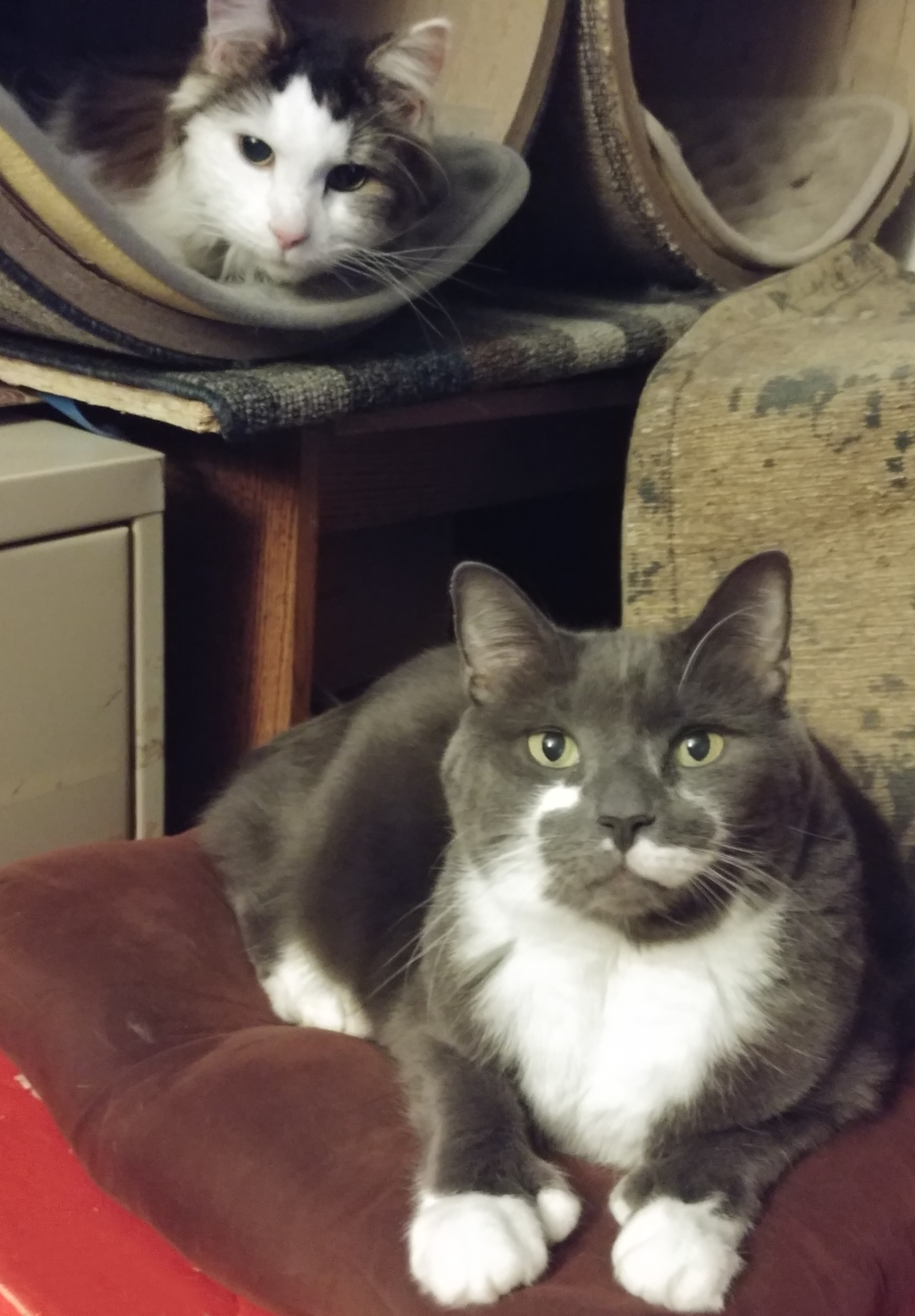
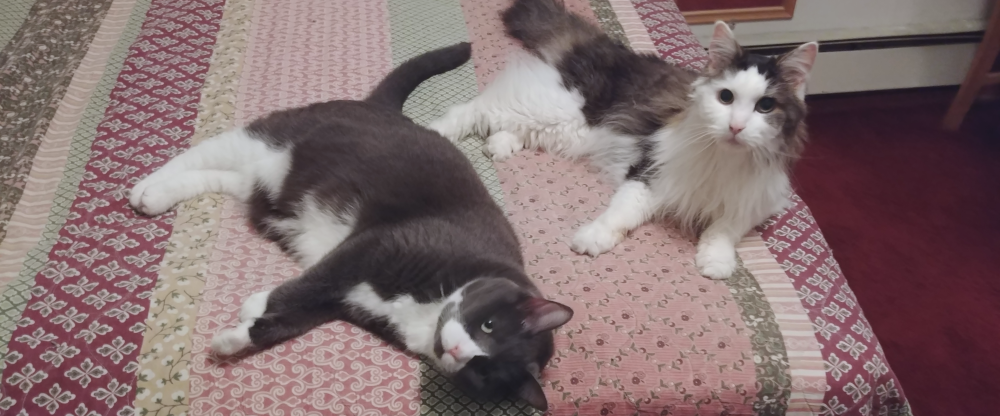
At BellenPaws, Belle and Paws were among several cats we cared for who were diagnosed with hyperthyroidism. Caring for animals with chronic medical conditions has shaped our emphasis on understanding the individual animal’s health history rather than treating a diagnosis as a complete explanation for its behavior. When several conditions are present, the relationship between clinical findings and daily observations becomes particularly valuable.
For cats receiving long-term thyroid medication, linking observations with scheduled laboratory results can provide additional context. Thyroid hormone measurements, kidney values, blood pressure readings, and medication history collectively offer more useful information than an isolated description of restlessness. Routine follow-up testing is necessary because the underlying thyroid disease may progress during medical management and because excessive suppression of thyroid hormone production can produce hypothyroidism, or abnormally low thyroid activity.
When Agitation Requires Prompt Veterinary Attention
Most increases in vocalization, pacing, or irritability are not emergencies by themselves, but significant or worsening behavioral changes warrant timely evaluation. A cat that suddenly becomes unusually distressed, stops eating, experiences repeated vomiting, or develops marked weakness should not simply be observed for several days without veterinary guidance. The urgency depends on the severity of symptoms and the animal’s existing medical conditions.
Certain signs require emergency assessment. Open-mouth breathing or obvious respiratory distress, collapse, seizures, and sudden blindness are serious abnormalities that should never be attributed to ordinary thyroid-related restlessness. Abrupt severe disorientation, especially when accompanied by impaired movement or other neurological signs, also requires immediate attention.
Cats with known hyperthyroidism and high blood pressure deserve particular attention when vision or neurological changes develop. Severe hypertension can damage delicate structures within the eyes and other organs, and delayed treatment may reduce the likelihood of recovery. A suddenly blind cat may bump into furniture, hesitate to move, or become frightened when approached, behaviors that could initially be mistaken for agitation or confusion.
When Agitation Continues Despite Thyroid Treatment
 Some cats become noticeably calmer once thyroid hormone levels return to the desired range. They may sleep more consistently, demand food less frequently, or become more tolerant of ordinary household interactions. Others continue displaying some degree of restlessness, particularly when a separate medical condition is contributing to their discomfort.
Persistent agitation should prompt a fresh assessment rather than an automatic assumption that thyroid medication needs adjustment. Blood pressure deserves particular consideration because hypertension may remain present or become apparent after thyroid treatment. A 2024 study published in the Journal of Veterinary Internal Medicine found that some cats continued to have elevated blood pressure after successful radioactive iodine treatment, while others developed hypertension afterward. The researchers also identified an association between nervous behavior during examination and higher measured blood pressure, suggesting that situational stress may account for some elevated readings.
Changes in activity after treatment can reveal problems that were previously difficult to distinguish from excessive thyroid-related activity. A cat that no longer paces constantly may still resist being picked up because of arthritis, for example, or continue vocalizing at night because of sensory impairment or cognitive changes. Evaluating these remaining symptoms separately can prevent unnecessary thyroid medication changes while allowing other conditions to receive appropriate treatment.
Feeding and body condition also deserve continued attention as thyroid function stabilizes. A cat that previously had an unusually high appetite may begin eating less as its metabolic demands decrease. Weight, muscle condition, and food intake should be evaluated together, especially when an animal has lost substantial muscle during untreated hyperthyroidism. An appropriate feeding plan may need reassessment as the cat’s condition changes, particularly when kidney disease or other nutritional restrictions are involved.
For cats requiring lifelong medication, future behavioral changes need to be evaluated in the context of their most recent thyroid measurements and overall medical condition. Restlessness returning months after successful regulation may justify reassessing thyroid control, while new lethargy or reduced appetite may indicate excessive thyroid suppression, an adverse medication effect, or another illness. Maintaining an accessible history of test results, medication changes, and observed symptoms gives the veterinary team a clearer basis for deciding what needs investigation and helps the household recognize when an established pattern has genuinely changed.