
A pet’s coat often tells us that something has changed long before we understand what is happening inside the body. Fur that once felt soft may become dry, greasy, thin, or strangely uneven. A well-groomed cat may start looking rumpled and matted. A dog may shed heavily, develop bald areas, or struggle to regrow hair after a routine clipping.
These changes are easy to dismiss as normal aging. Sometimes they are. Senior pets may groom less because of arthritis, dental pain, weakness, or reduced flexibility. Still, a declining coat can also be one of several signs that the thyroid gland is no longer working normally.
Thyroid disorders affect cats and dogs differently. Older cats most often develop hyperthyroidism, meaning they produce too much thyroid hormone. Dogs are more commonly diagnosed with hypothyroidism, which means they produce too little. Both conditions can affect the skin and coat, but the patterns are not always the same.
Why Thyroid Hormones Affect the Skin
Thyroid hormones help regulate metabolism, energy use, body temperature, heart function, and the normal growth cycle of hair. When hormone levels rise too high or fall too low, the hair follicles may stop working normally.
The skin may also produce too much or too little oil. Hair may remain in a resting phase instead of growing. A pet may shed faster than the coat can replace itself. In some cases, the skin becomes more vulnerable to bacterial or yeast infections.
The coat problem is rarely the whole story. Changes in weight, appetite, thirst, activity, body temperature, behavior, heart rate, and bathroom habits may be happening at the same time. The coat is simply the part we can see and touch every day.
Hyperthyroidism and the Older Cat’s Coat
Hyperthyroidism is especially common in middle-aged and senior cats. It usually causes an increase in metabolism, almost as though the cat’s body is running too fast.
Many affected cats lose weight even though they are eating well or demanding more food. They may drink more, urinate more, vomit, have loose stools, pace around the house, vocalize at night, or seem unusually restless. Their heart rate and blood pressure may rise. Some cats become irritable or have trouble settling down.
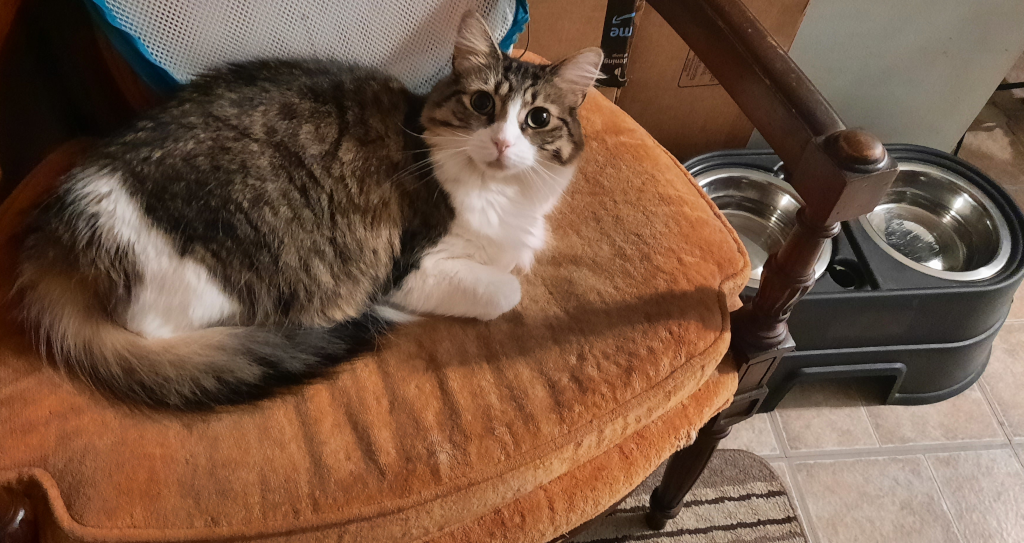 The coat may become greasy, dull, matted, or generally unkempt. Cornell University’s Feline Health Center lists an unkempt, matted, or greasy coat among the recognized signs of feline hyperthyroidism.
This does not always mean the thyroid hormone is directly damaging the fur. Several factors may be working together. A cat whose metabolism is racing may not maintain normal grooming habits. Weight loss can reduce muscle strength and flexibility. Arthritis may make twisting and bending uncomfortable. Increased oil production can make the coat clump together, while dehydration can leave it feeling dry or coarse.
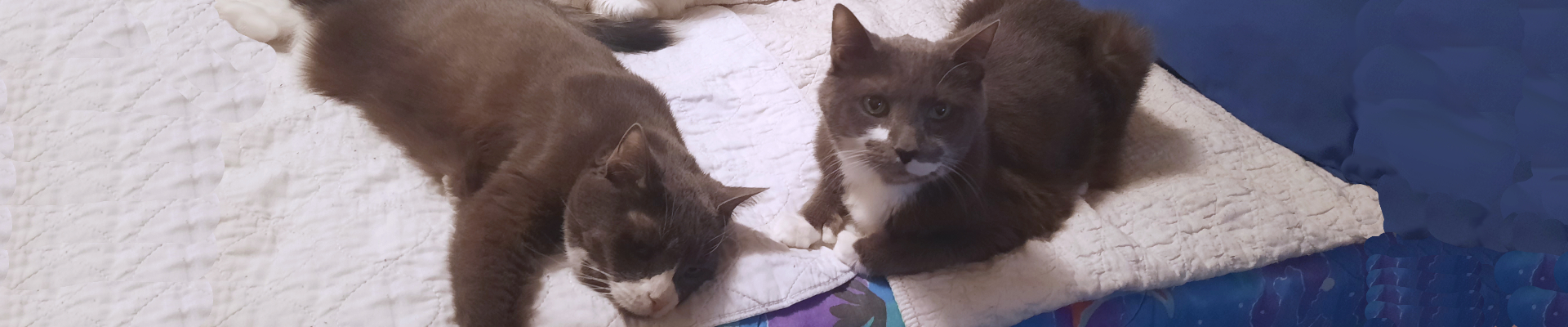
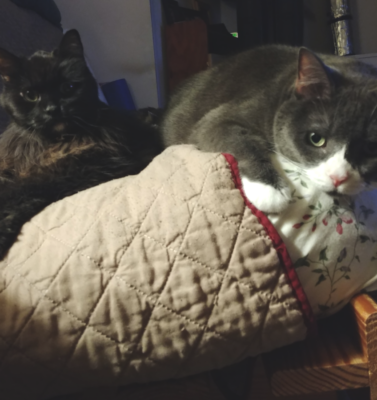
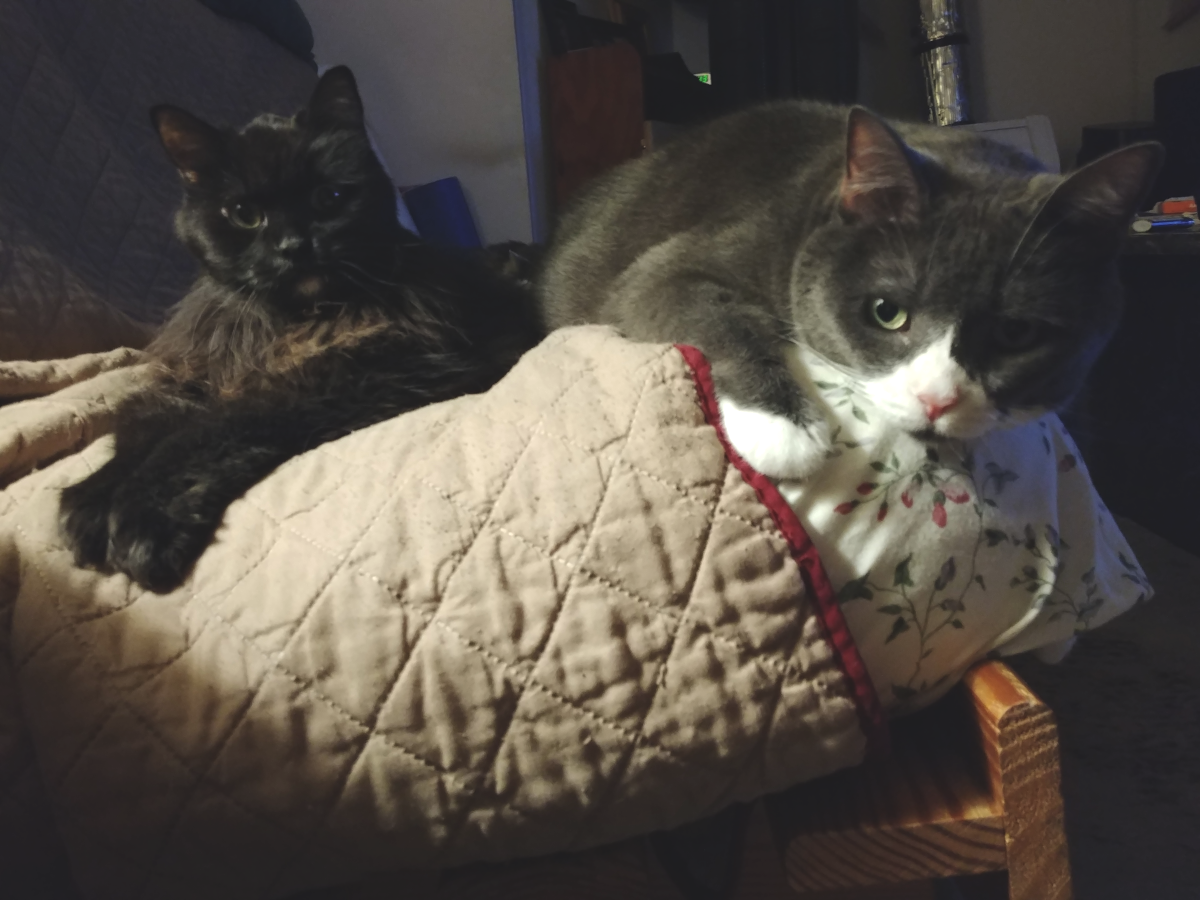
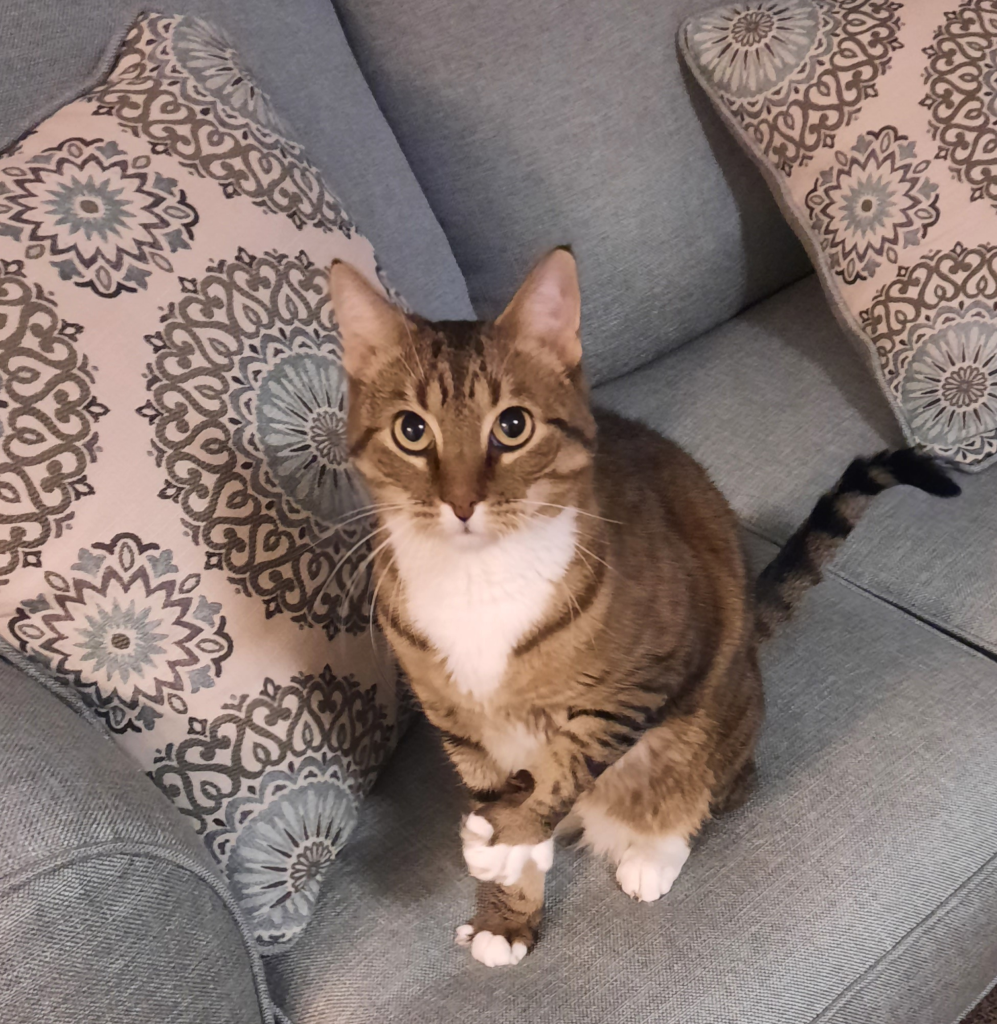
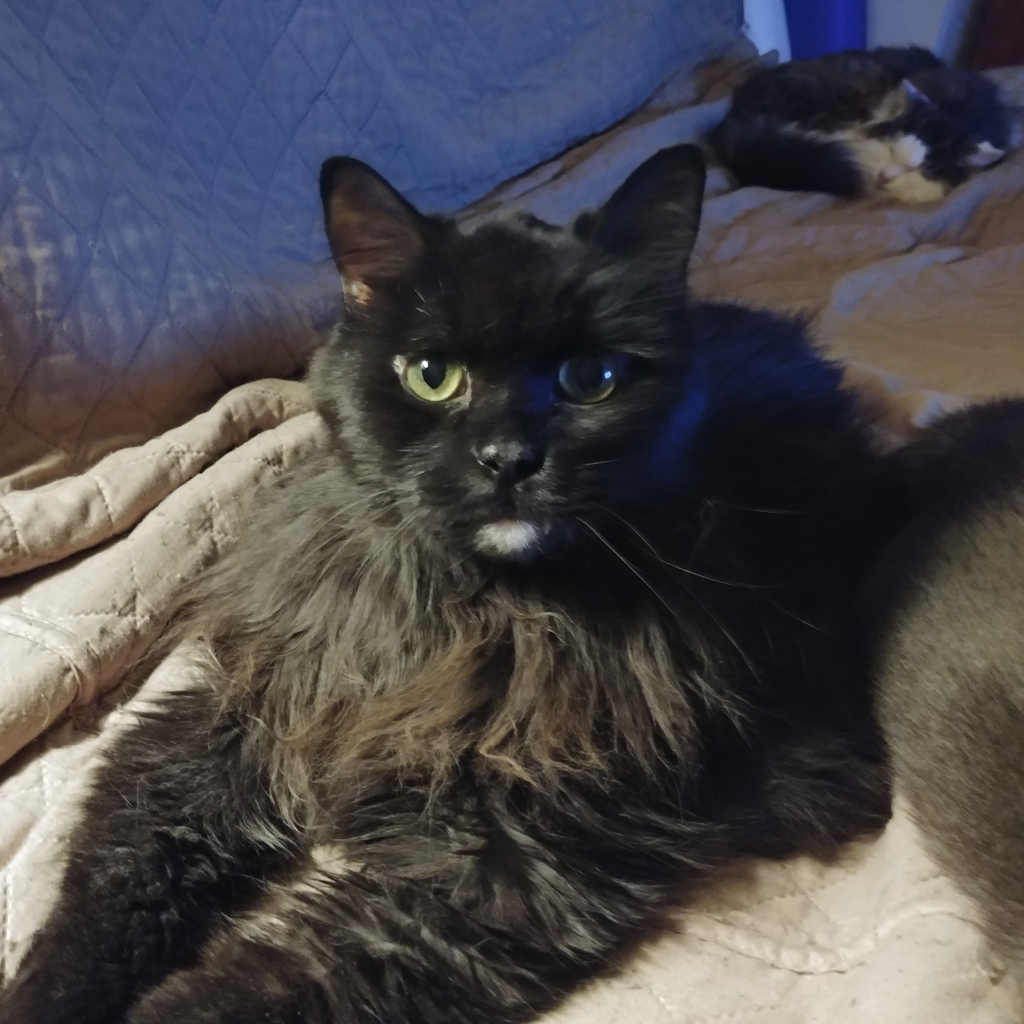
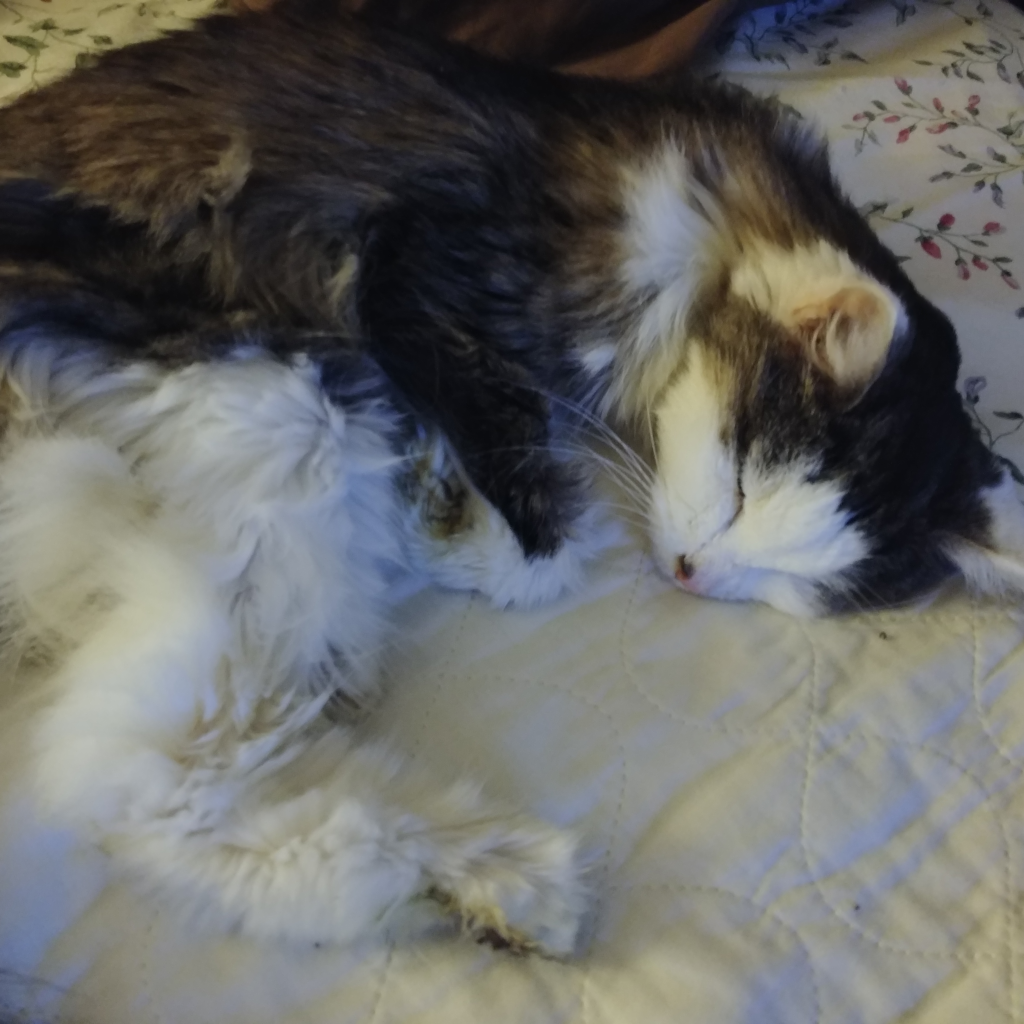
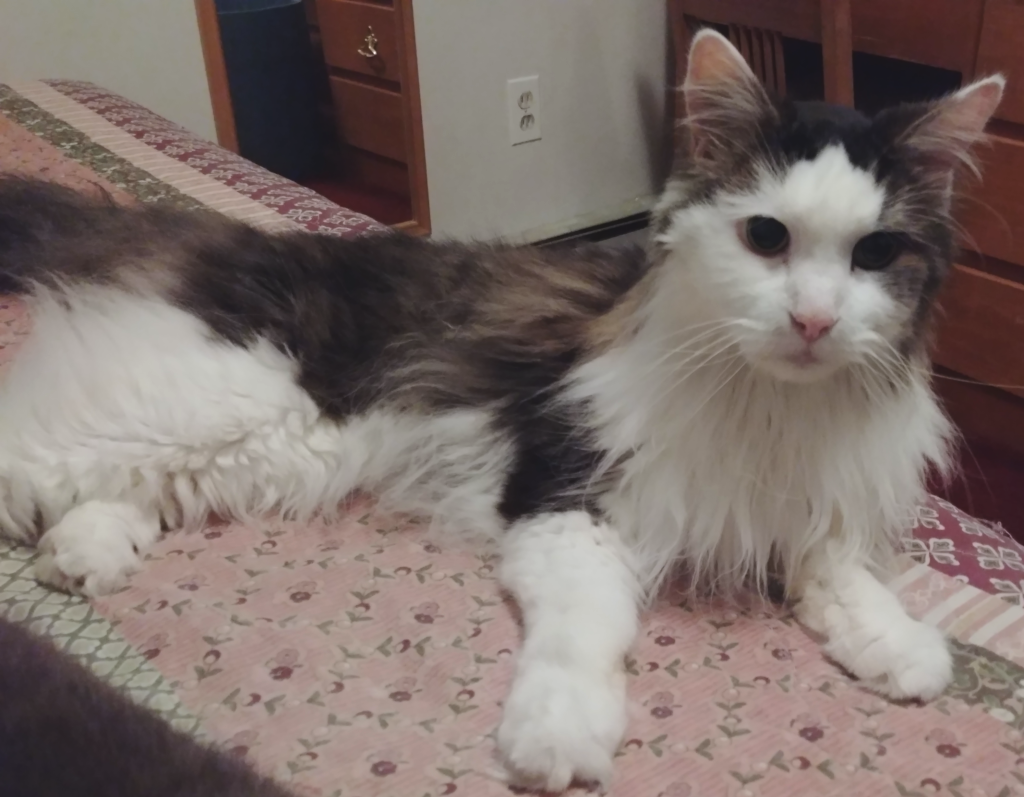
We saw coat changes in several of our own cats with hyperthyroidism, including Belle and Paws. Each cat presented a little differently. That is one of the hard lessons of caring for senior pets. The diagnosis may be the same, but the outward signs can vary.
Belle also lived with kidney disease, high blood pressure, dehydration, and psychogenic alopecia. Her case reinforced something we have learned many times over. A thyroid diagnosis does not automatically explain every skin or coat problem. Senior cats often have more than one condition affecting how they feel, groom, eat, and maintain their fur.
Hypothyroidism and the Dog’s Skin
Dogs are more likely to experience hypothyroidism, where the thyroid gland does not produce enough hormone. The body slows down.
 A dog may become less active, gain weight without eating more, sleep longer, seek warm places, or seem less interested in walks and play. Skin and coat changes are very common.
The coat may become dry, brittle, dull, or sparse. Excessive shedding can occur, followed by slow regrowth. Some dogs develop matching areas of hair loss on both sides of the body. Hair may thin along the trunk, chest, thighs, bridge of the nose, or base of the tail. The skin may darken, especially in areas exposed to rubbing or pressure.
One useful clue is that thyroid-related hair loss is often not very itchy at first. Hormonal hair loss usually behaves differently from flea allergies or many environmental allergies. The dog may lose hair without constantly scratching, chewing, or licking the area. Itching may develop later if bacteria or yeast take advantage of the weakened skin.
Some dogs also experience repeated ear infections, skin odor, greasy buildup, dandruff, or patches that never seem to heal completely. A dog may be treated several times for an infection, only for it to return because the underlying thyroid problem has not been addressed.
Coat Changes Alone Cannot Diagnose Thyroid Disease
A poor coat does not prove that a pet has a thyroid imbalance. Many conditions can produce similar changes.
Fleas, mites, ringworm, food sensitivities, environmental allergies, poor nutrition, kidney disease, liver disease, diabetes, adrenal disorders, arthritis, obesity, chronic pain, and some medications can all affect the skin or grooming habits. Older pets may also develop lumps, sores, cysts, and infections unrelated to thyroid function.
Cats present a special challenge because they may hide discomfort and groom privately. By the time obvious thinning, matting, or bare patches appear, the problem may have been developing for weeks.
Dogs with allergies may scratch intensely, while dogs with hypothyroidism may lose hair with little initial itching. That distinction can help, but it is not absolute. A hypothyroid dog can also have allergies, fleas, or an infection.
Veterinarians usually need more than a single thyroid number to make a dependable diagnosis. They may consider the pet’s history, physical examination, symptoms, complete blood work, urine testing, thyroid hormone levels, medications, and other illnesses. In cats, kidney and liver disease can affect thyroid test interpretation. Cornell’s diagnostic guidance notes that nutrition, medications, and other disease states can influence feline thyroid levels.
Signs Worth Recording at Home
 Small observations can help your veterinarian see the larger pattern. Write down when the coat change began and whether it is getting worse.
Notice whether the fur feels dry, greasy, coarse, sticky, or unusually soft. Look for dandruff, redness, darkened skin, sores, scabs, odor, bald spots, or broken hairs. Check whether hair loss appears evenly on both sides or is concentrated where the pet licks, scratches, or rests.
Changes beyond the skin matter just as much. Record appetite, weight, thirst, urination, vomiting, bowel movements, energy, sleep, vocalization, heat seeking, restlessness, and changes in grooming.
Photographs can be very helpful. Take them in similar lighting every week or two. Include a wider image showing the location and a close image showing the skin. A gradual change that is hard to notice day by day may become obvious when several photographs are compared.
Avoid waiting until the next yearly examination if the pet is losing weight, drinking excessively, acting weak, breathing rapidly, developing open sores, or showing major behavioral changes.
Treating the Thyroid Problem Comes First
Special shampoos, conditioners, sprays, supplements, and grooming products may make the coat feel better, but they cannot correct abnormal thyroid hormone levels.
Cats with hyperthyroidism may be treated with anti-thyroid medication, radioactive iodine therapy, surgery, or a veterinary therapeutic diet in selected cases. Each option has benefits, limitations, and monitoring needs. The best choice depends on the cat’s age, kidney function, heart health, temperament, home routine, and access to treatment.
Dogs with confirmed hypothyroidism are commonly treated with thyroid hormone replacement medication. Blood tests are then used to check whether the dose is appropriate.
Coat improvement is slow. Energy and behavior may improve before the hair does because hair growth follows its own cycle. A dog may need several months to regrow a fuller coat. A cat’s greasy or matted fur may gradually improve as hormone levels stabilize, strength returns, and normal grooming resumes.
A lack of instant improvement does not mean treatment has failed. Skin heals slowly.
Gentle Grooming During Recovery
A fragile or neglected coat needs patience, not aggressive brushing. Start with short sessions and stop before the pet becomes irritated.
For cats, use a soft brush or grooming glove if the coat is only mildly tangled. Work around mats rather than pulling through them. Tight mats can pinch the skin, trap moisture, and hide sores underneath. Mats close to the skin are safer for a veterinarian or experienced groomer to remove because older feline skin can be thin and easy to cut.
Do not use scissors beneath a mat. Cat skin can be pulled upward into the tangled fur, making an accidental cut far more likely than it appears.
Dogs may benefit from regular gentle brushing to remove loose hair and distribute natural oils. Keep skin folds, feet, ears, and areas beneath collars or harnesses clean and dry. Ask the veterinary team before using medicated shampoo. The wrong product can dry the skin further or mask an infection that needs specific treatment.
Bathing too often can strip protective oils from already irritated skin. Cats rarely need a full bath unless a veterinarian recommends one. Spot cleaning with a warm damp cloth may be less stressful for a senior cat who has stopped grooming a particular area.
Dealing With Secondary Skin Infections
 Thyroid imbalance may create conditions that allow bacteria or yeast to multiply. Infection can cause redness, odor, crusting, greasy buildup, discharge, tenderness, and itching.
These infections need proper identification and treatment. Repeatedly applying leftover creams or using human skin products can make the situation worse. Some human ingredients are unsafe if licked, and oily products can trap moisture against the skin.
A veterinarian may examine skin cells, collect a sample, or perform a culture when infections keep returning. Treatment may include topical products, oral medication, ear medication, or a combination of approaches.
Thyroid treatment and infection treatment often need to happen together. Fixing the hormone imbalance helps the skin regain its normal defenses, while treating the active infection gives the pet relief during that recovery.
Food and Supplements Are Not a Substitute for Testing
A complete, balanced diet supports healthy skin, but diet alone does not correct most thyroid disorders. Adding random supplements can also complicate treatment.
Fish oil and other fatty acid supplements are sometimes recommended for skin support, yet they are not right for every pet. They add calories, can cause digestive upset, may affect blood clotting at higher doses, and can interact with other health concerns. Senior pets with kidney disease, pancreatitis, obesity, or multiple medications need an individualized plan.
Avoid iodine supplements unless they are specifically prescribed as part of a veterinary plan. Both too much and too little iodine can affect thyroid function, and changing iodine intake can interfere with certain forms of hyperthyroidism treatment.
The safest approach is to bring the pet’s food labels, treats, supplements, and medication list to the appointment. That includes flavored medications, dental products, powders, oils, and anything mixed into meals.
Monitoring More Than the Fur
The skin may improve while another part of the pet’s health needs closer attention. This is especially true for hyperthyroid cats.
An overactive thyroid can increase heart rate and blood pressure. It can also hide the full extent of kidney disease because increased blood flow changes kidney test results. After thyroid treatment lowers the metabolism, kidney values may look different. Regular blood work, blood pressure checks, weight tracking, and medication monitoring help the veterinary team adjust the plan safely.
We learned to pay close attention to blood pressure because Belle and Paws both lived with hypertension alongside hyperthyroidism. The coat might be the first change a family notices, but protecting the heart, kidneys, eyes, and overall comfort remains the larger medical goal.
Keep a simple home record of medication doses, appetite, weight, water intake, behavior, and visible coat changes. A small notebook works well. Photographs and printed tables can also make veterinary conversations more productive because they replace vague memories with dates and patterns.
Giving Senior Pets Help With Grooming
 Some coat problems continue even after thyroid levels are controlled. A senior pet may still have arthritis, weakness, obesity, dental pain, or reduced flexibility.
Cats often need help along the lower back, hips, and base of the tail because those areas become harder to reach. Dogs may develop dandruff or matting where they rest for long periods. Soft bedding, regular position changes, gentle brushing, clean blankets, trimmed nails, and easier access to favorite resting places can make daily care more comfortable.
Watch the pet’s reaction. Flinching, growling, skin twitching, sudden licking, or trying to escape may signal pain beneath what looks like a simple grooming problem. Stop and inspect the area rather than forcing the session.
A pet who once tolerated brushing may need a softer tool, a shorter session, or grooming while resting on a padded surface. Ten calm strokes can do more good than a long struggle that makes the pet fear being handled.