
One of the hardest parts of loving a senior cat or dog is learning to trust your instincts when something subtle begins to change. Hyperthyroidism often doesn’t arrive loudly. It tends to creep in quietly, disguised as what might look like a burst of energy or even a return to youthful behavior. At first, it can feel like a blessing. A cat that suddenly seems more active, more vocal, or more interested in food can seem like they are thriving. But over time, that energy starts to feel different. It feels restless rather than joyful.
With hyperthyroidism, the thyroid gland produces too much hormone, which speeds up the body’s metabolism. That means everything inside your pet is running faster than it should. You may notice your pet eating more than usual but still losing weight. This combination is one of the most common and confusing signs. It can leave you wondering how a pet with such a strong appetite could be getting thinner by the week.
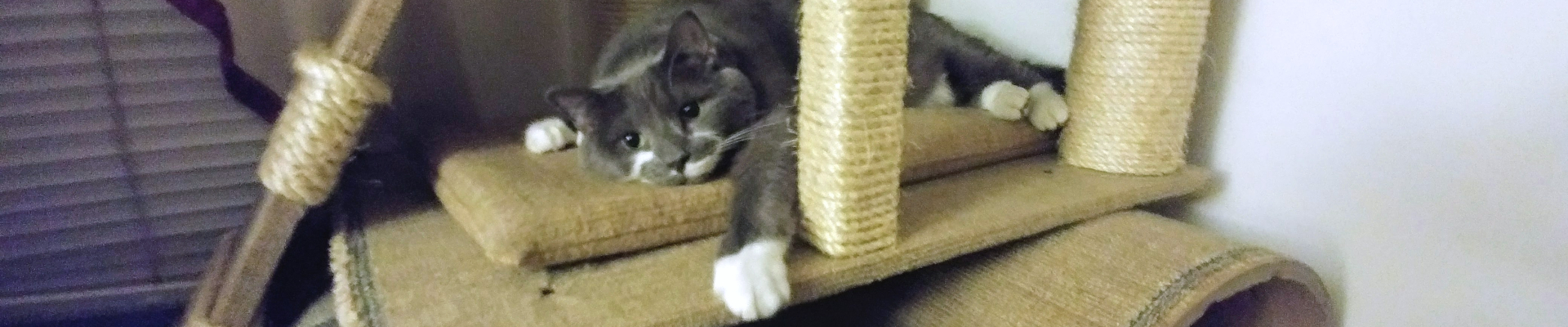
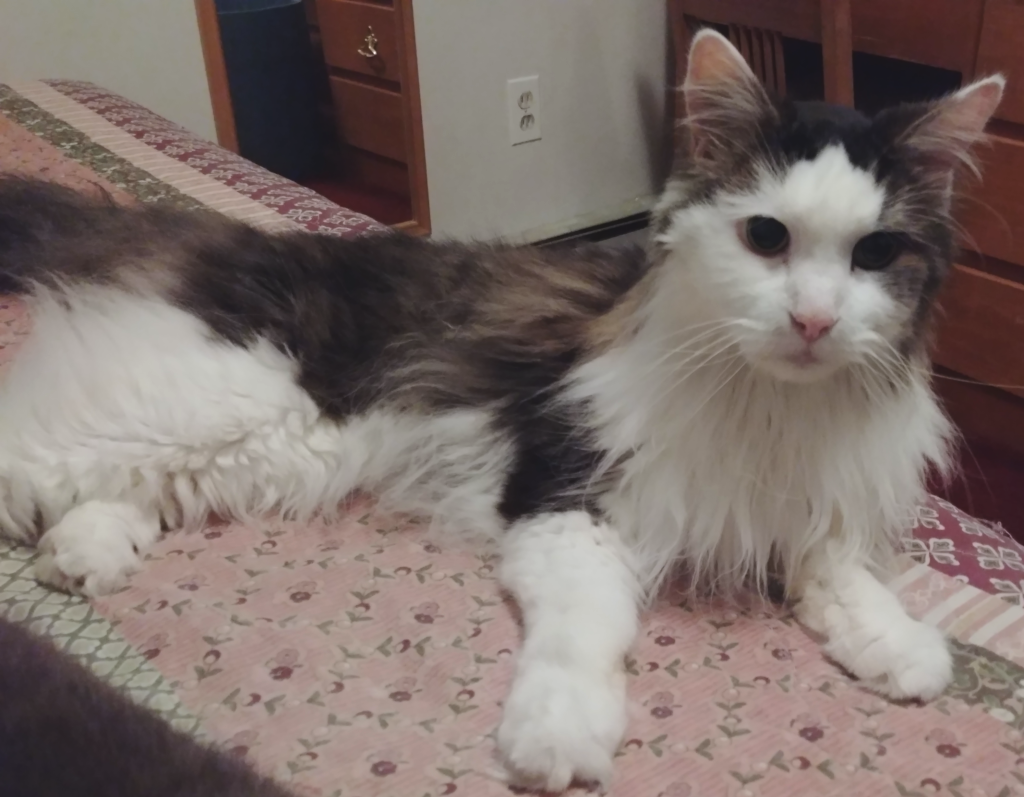
I remember noticing this shift in Bam Bam. He had always been a steady eater, nothing dramatic. Then suddenly, he was at his bowl constantly, meowing as if he had never been fed. At first, it felt like he was just being extra affectionate or playful. But when I picked him up one day and realized how much lighter he felt, something inside me tightened. That moment is one many pet parents recognize. It is the point where curiosity turns into concern.
Beyond weight loss and increased appetite, hyperthyroidism can show itself in other ways that feel just as subtle at first. You might notice more frequent drinking or urination. Some pets develop a rough or unkempt coat, even if they were always diligent groomers. Others may become more irritable or anxious, pacing or vocalizing more than usual. These are not just personality quirks. They are signals from a body that is working overtime.
Understanding the Body in Overdrive
 As hyperthyroidism progresses, the symptoms often become harder to ignore. The increased metabolism begins to affect the heart, the digestive system, and overall energy levels. What once looked like extra energy can shift into agitation or even exhaustion. Some pets may begin to vomit more frequently or have loose stools. Others may seem restless at night, unable to settle comfortably.
The heart is one of the organs most affected. A rapid heart rate is common, and over time, this can place strain on the cardiovascular system. While we as pet parents cannot measure heart rates precisely at home, we can often feel that something is different. A cat that once relaxed calmly in your lap might now feel like their chest is fluttering with intensity. These are moments that deserve attention and a conversation with your veterinarian.
In some cases, you may also notice changes in behavior that feel out of character. A once calm and gentle pet might become more vocal, more demanding, or even a bit unpredictable. It is important to remember that these changes are not choices your pet is making. They are responses to a body that is out of balance.
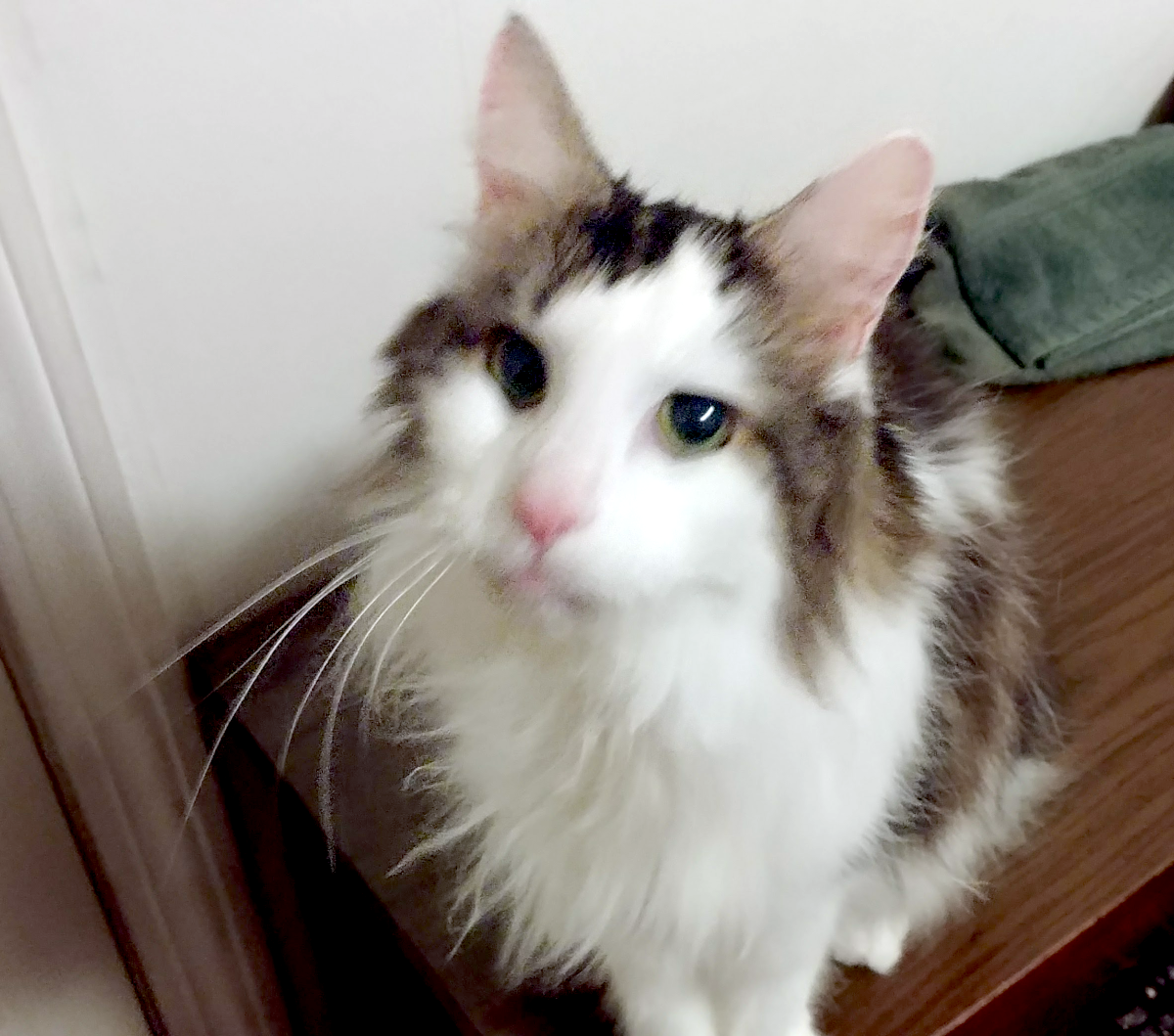
For those caring for pets with multiple conditions, these symptoms can overlap with other illnesses. Many of our cats, like Belle, faced several health challenges at once, including kidney disease and high blood pressure. That overlap can make things feel overwhelming. It becomes even more important to track patterns, note changes, and communicate clearly with your vet. Tools like a simple daily log or even structured trackers can make a difference. On our site, we offer printable charts and trackers that many pet parents find helpful for organizing this kind of information, especially when multiple symptoms are involved.
Finding a Path Forward: Treatment Options
 Hearing the diagnosis of hyperthyroidism can feel heavy at first, but it is also the beginning of a path toward helping your pet feel better. There are several treatment options available, and each comes with its own considerations. What matters most is finding the approach that fits your pet’s needs and your ability to manage their care.
Medication is often the first step. Drugs like methimazole are commonly used to reduce thyroid hormone production. Many pet parents find this approach manageable, especially since it allows for adjustments over time. The medication can be given as a pill, a liquid, or even a topical gel applied to the ear. Each method has its own learning curve, but most of us find a rhythm with a little patience.
Dietary management is another option that may be recommended in certain cases. Prescription diets designed to limit iodine intake can help control thyroid hormone production. This approach requires strict adherence, meaning your pet cannot have other foods or treats. For some households, that level of control is doable. For others, especially in multi-pet homes, it can be challenging.
Then there is radioactive iodine therapy, which is often considered the gold standard treatment. It works by targeting and destroying the overactive thyroid tissue while leaving healthy tissue intact. This option can be curative, meaning it may eliminate the need for ongoing medication. However, it involves specialized facilities, temporary separation during treatment, and a higher upfront cost. For many, it is a deeply worthwhile investment. For others, it may not be feasible due to logistics or finances.
Surgery is less commonly chosen today but is still an option in certain cases. It involves removing the affected thyroid tissue. Like any surgery, it carries risks, especially for older pets, and requires careful consideration.
There is no single right answer when it comes to treatment. What matters is understanding the options, asking questions, and making a choice that aligns with your pet’s overall health and your circumstances. This is where a strong relationship with your veterinarian becomes invaluable.
Living Day to Day With a Hyperthyroid Pet
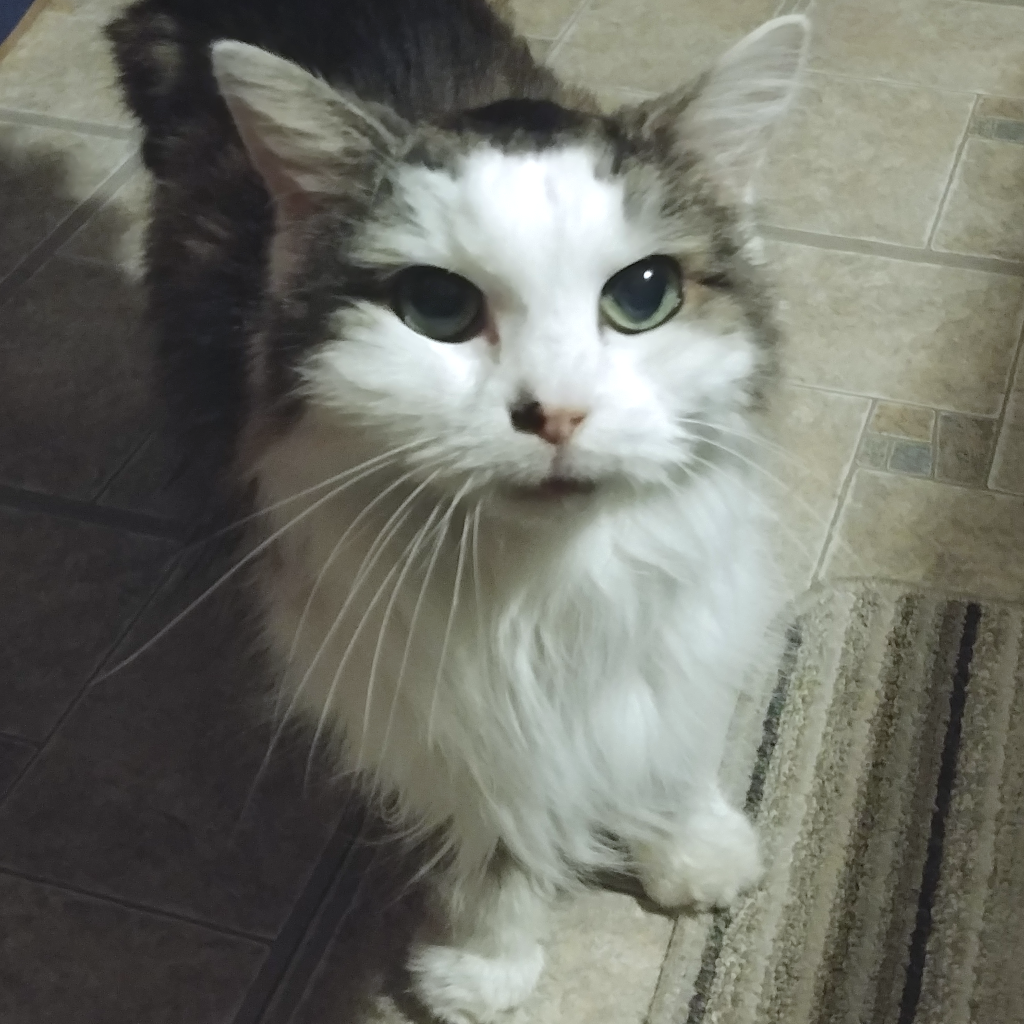 Once treatment begins, life often settles into a new routine. There is something reassuring about having a plan, even if it involves daily medication or regular checkups. Over time, many pets show noticeable improvement. Their weight stabilizes, their appetite becomes more balanced, and their energy levels feel more like themselves again.
That said, managing hyperthyroidism is not always a straight line. There can be periods of adjustment as medication doses are fine-tuned. Regular bloodwork is usually part of the process, helping to ensure that hormone levels are staying within a safe range. While these vet visits can feel frequent at first, they play a critical role in maintaining your pet’s quality of life.
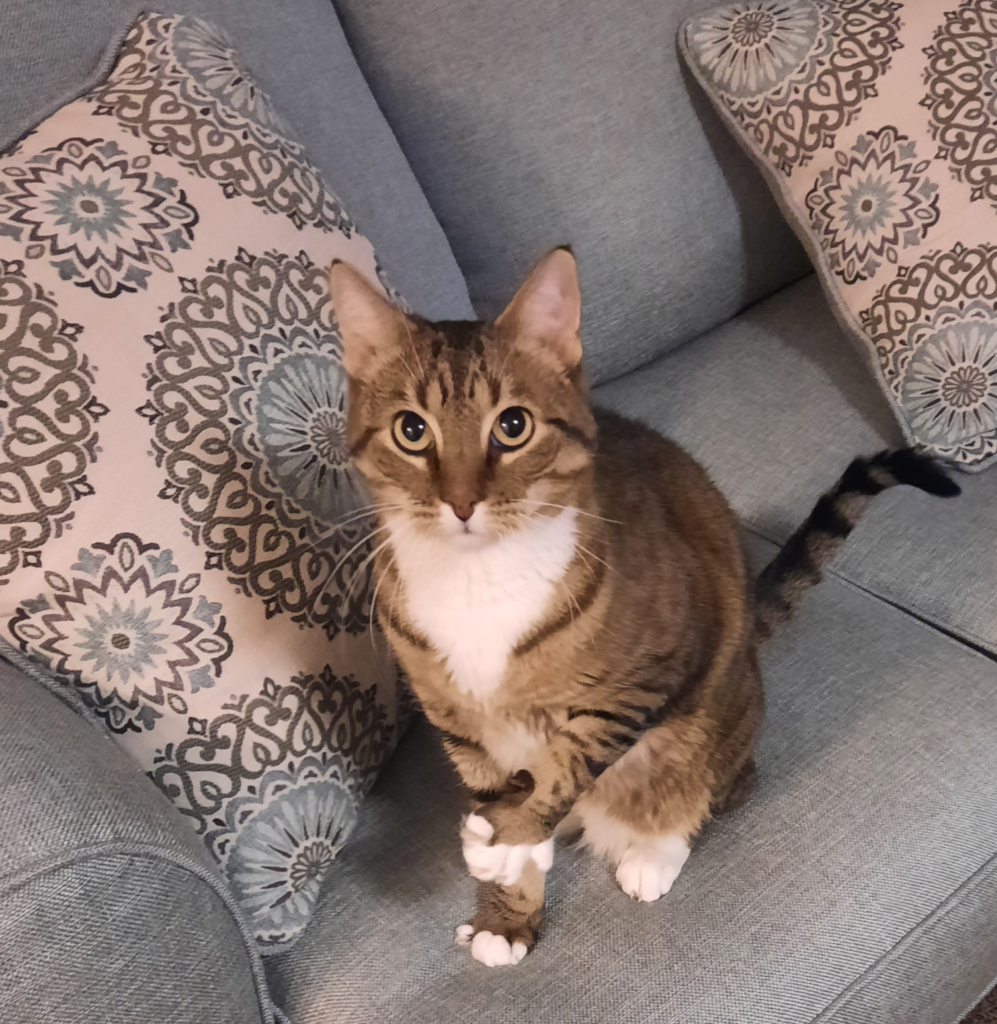
For those also managing conditions like diabetes, the overlap in care routines can feel like a lot. We have walked that path ourselves with Bentley, and one of the biggest lessons we learned is the value of consistency. Tracking feeding times, medications, and behavior changes can bring a sense of control to what might otherwise feel overwhelming. Our online diabetes tracker and printable forms were created with this in mind, to give pet parents tools that make daily care a little more manageable and a lot less stressful.
Emotionally, this journey can be just as important as the physical care. There is a quiet strength that comes from showing up every day for a pet who depends on you. There are also moments of worry, of second-guessing, and of hoping you are doing everything right. Those feelings are part of the process. They come from love.
Holding Onto Hope and Comfort
Hyperthyroidism, while serious, is also one of the more manageable conditions we encounter in senior pets. With the right treatment and attentive care, many pets go on to live comfortable and meaningful lives. They continue to seek out their favorite spots in the house, respond to your voice, and share those small, quiet moments that make everything worthwhile.
If there is one thing I would gently pass along, it is this. Pay attention to the small changes. Trust your instincts. And once you have answers, take things one step at a time. You do not have to solve everything in a single day. Progress often comes through steady, consistent care rather than big, overwhelming decisions.
Looking back on pets like Bam Bam, I am reminded that even in the face of illness, there is still so much life to be lived. There are still routines to enjoy, comforts to share, and bonds that grow even deeper through care. Hyperthyroidism may change the rhythm of your days, but it does not take away the connection you have with your pet.
And in the end, that connection is what carries both of you through.