

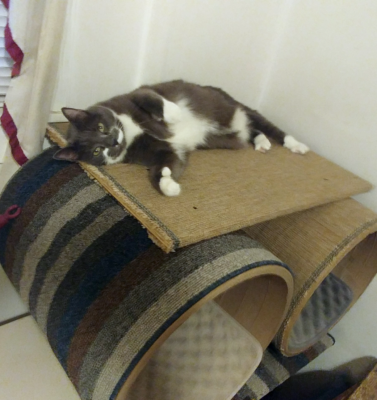
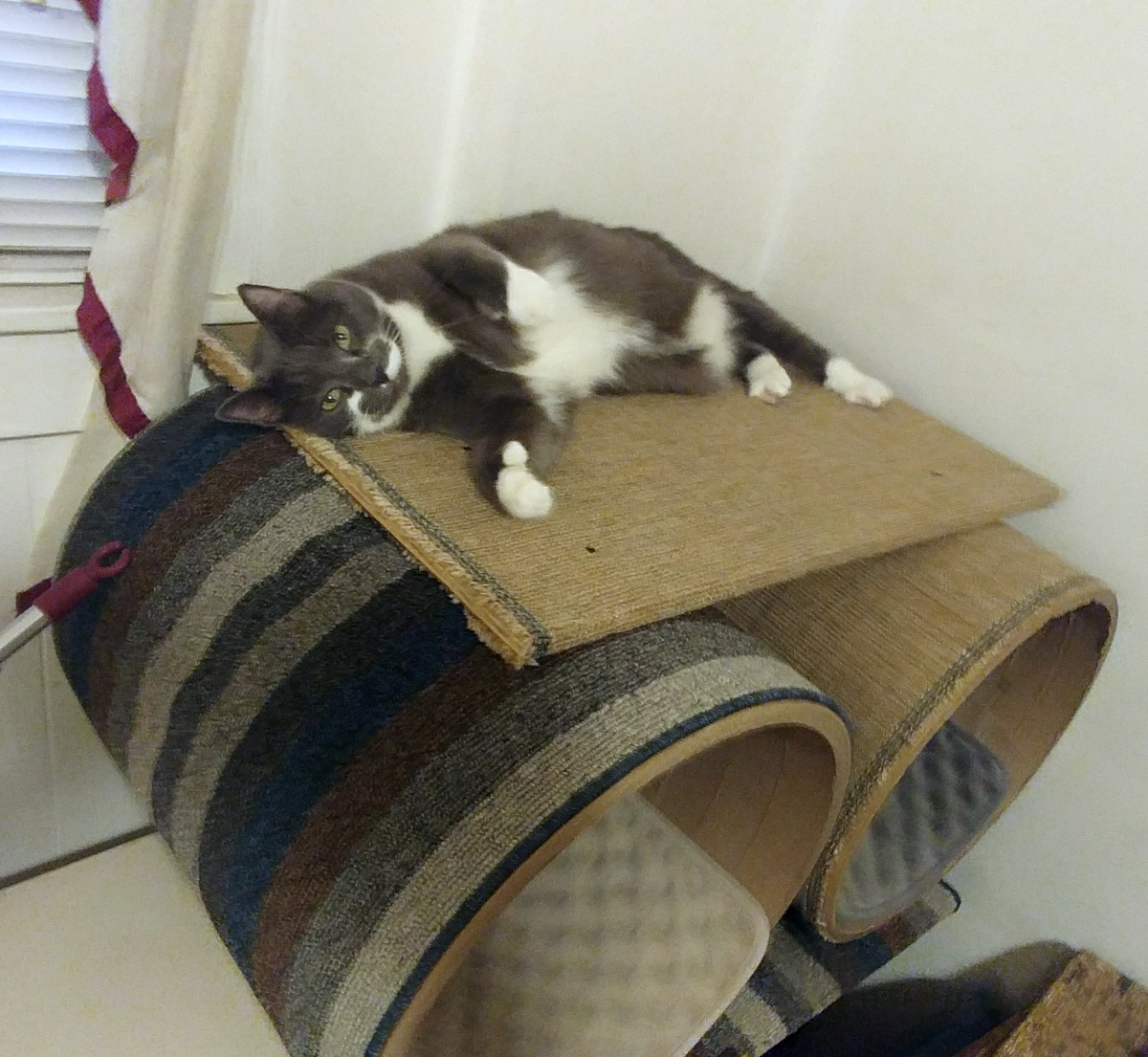
There is something deeply meaningful about building something with your own hands for the pets who depend on you. Whether it is a sturdy scratching post, a cozy window perch, or a custom ramp to help aging joints, home-built pet furniture often comes from a place of love and attentiveness. It is a way of saying, I see what you need, and I am going to create it for you.
But alongside that love comes responsibility. Unlike store-bought items that go through testing and manufacturing standards, DIY pet furniture relies entirely on our own judgment. That does not mean we should shy away from building. It simply means we need to approach it with the same care and thoughtfulness we bring to every other aspect of our pets’ lives.
Over the years, we have learned that safety is not always obvious. Sometimes it hides in the small details, the kind you only notice after living with a pet who uses something daily. When Bentley began needing extra support during his diabetic journey, even something as simple as a step or platform became more than convenience. It became something that needed to be reliable, stable, and forgiving on his body.
Stability Is Everything
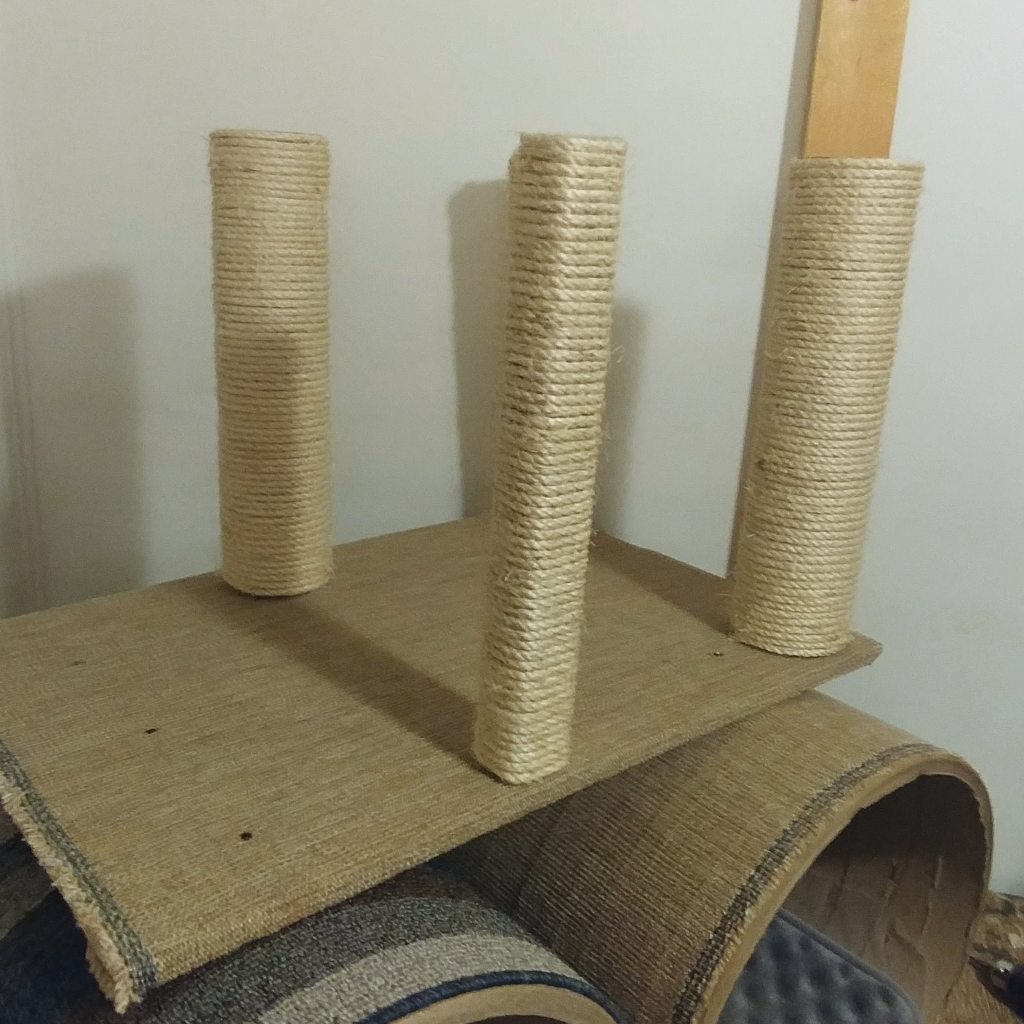 When we think about pet furniture, especially for cats or senior pets, stability should always be the first priority. A piece might look solid to us, but pets experience it differently. They jump, shift their weight suddenly, and rely on surfaces without hesitation. If something wobbles even slightly, it can lead to hesitation, stress, or worse, an injury.
Cats in particular will test the limits of anything new. They do not ease into it the way we might expect. They leap, climb, and twist in ways that can expose weaknesses quickly. A scratching post that tips even once may never be trusted again. A ramp that shifts underfoot can make an older pet avoid it entirely, even if they need it.
When building, it helps to think low and wide rather than tall and narrow. A broader base distributes weight better and reduces the chance of tipping. Anchoring pieces to walls or adding weight to the base can make a dramatic difference. Even materials matter here. Lightweight wood might be easier to work with, but heavier, denser materials often provide better long-term stability.
There is also the surface itself. Smooth finishes can look beautiful, but they may not offer enough grip. Adding texture, whether through carpet, sisal, or non-slip coatings, gives pets confidence in every step they take.
Choosing Safe Materials
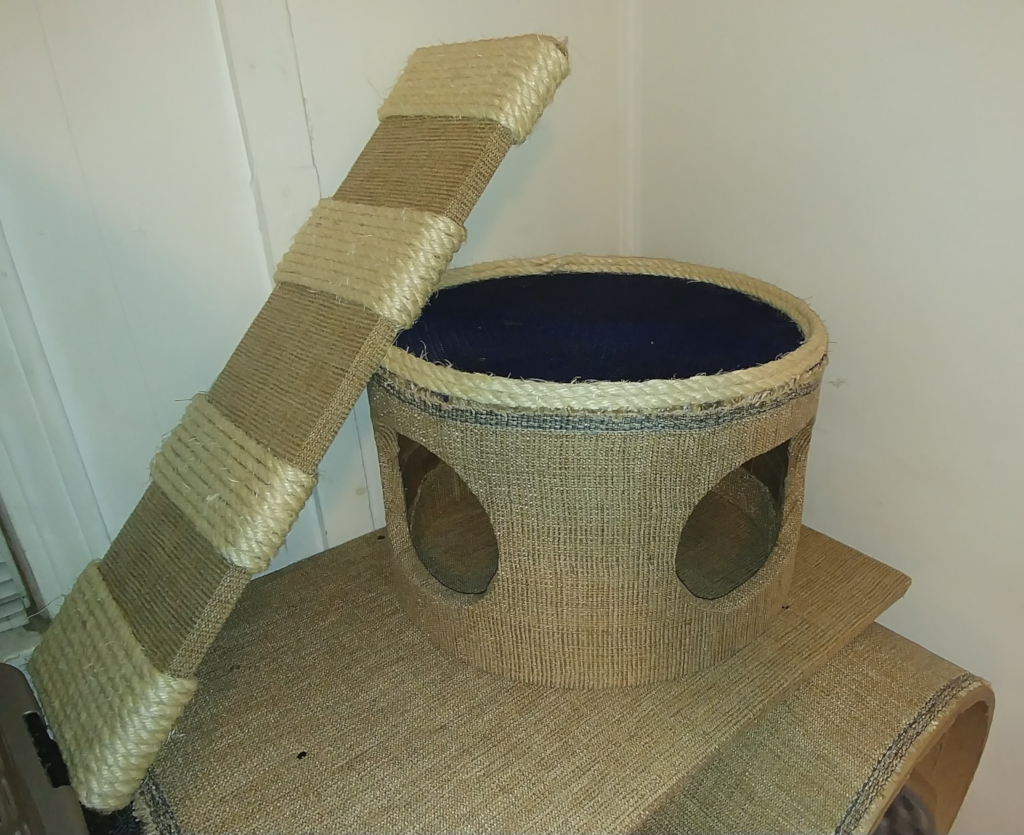 One of the most overlooked aspects of DIY pet furniture is the material itself. Not everything that is safe for human use is safe for pets, especially when chewing, scratching, or prolonged contact is involved.
Wood is a common choice, and generally a good one, but it is important to avoid treated lumber that may contain chemicals. Paints, stains, and sealants should always be non-toxic and fully cured before your pet ever touches the surface. The smell alone can be a clue. If you can still smell it strongly, it is not ready.
Adhesives are another area to watch carefully. Glues that seem harmless can contain compounds that are unsafe if ingested or inhaled over time. Mechanical fasteners like screws and bolts are often a safer primary method of construction, with adhesives used sparingly and thoughtfully.
Fabric and coverings deserve equal attention. Loose fibers can be ingested, and certain synthetic materials may not hold up well under repeated scratching. Natural fibers like sisal tend to be both durable and safe, which is why they are so commonly used in scratching posts.
It is easy to get caught up in aesthetics when building something for your home, but pets do not care how something looks. They care how it feels, how it smells, and whether it holds up to their daily routines.
Eliminating Hidden Hazards
Sometimes the biggest risks are not the obvious ones. They are the small details that can go unnoticed until something goes wrong. Sharp edges, exposed screws, splinters, and small gaps can all create problems over time.
Edges should always be sanded smooth, even in areas you think your pet might not reach. Cats and dogs have a way of finding every corner and surface. A single rough edge can lead to cuts or irritation, especially for older pets with more delicate skin.
Fasteners should be fully recessed or covered. A protruding screw head might seem minor, but it can catch fur, skin, or even cause a paw injury. If you are using staples or nails, double check that none are sticking out or working their way loose over time.
Gaps are another hidden concern. Openings that are just the wrong size can trap paws, tails, or even heads. This is especially important in multi-level structures or anything with enclosed spaces. What seems like a harmless design feature can quickly become dangerous if not carefully planned.
Regular inspection becomes part of the process. DIY furniture is not something you build once and forget. It should be checked periodically, tightened, and maintained just like anything else your pet depends on.
Designing for Aging and Health Needs
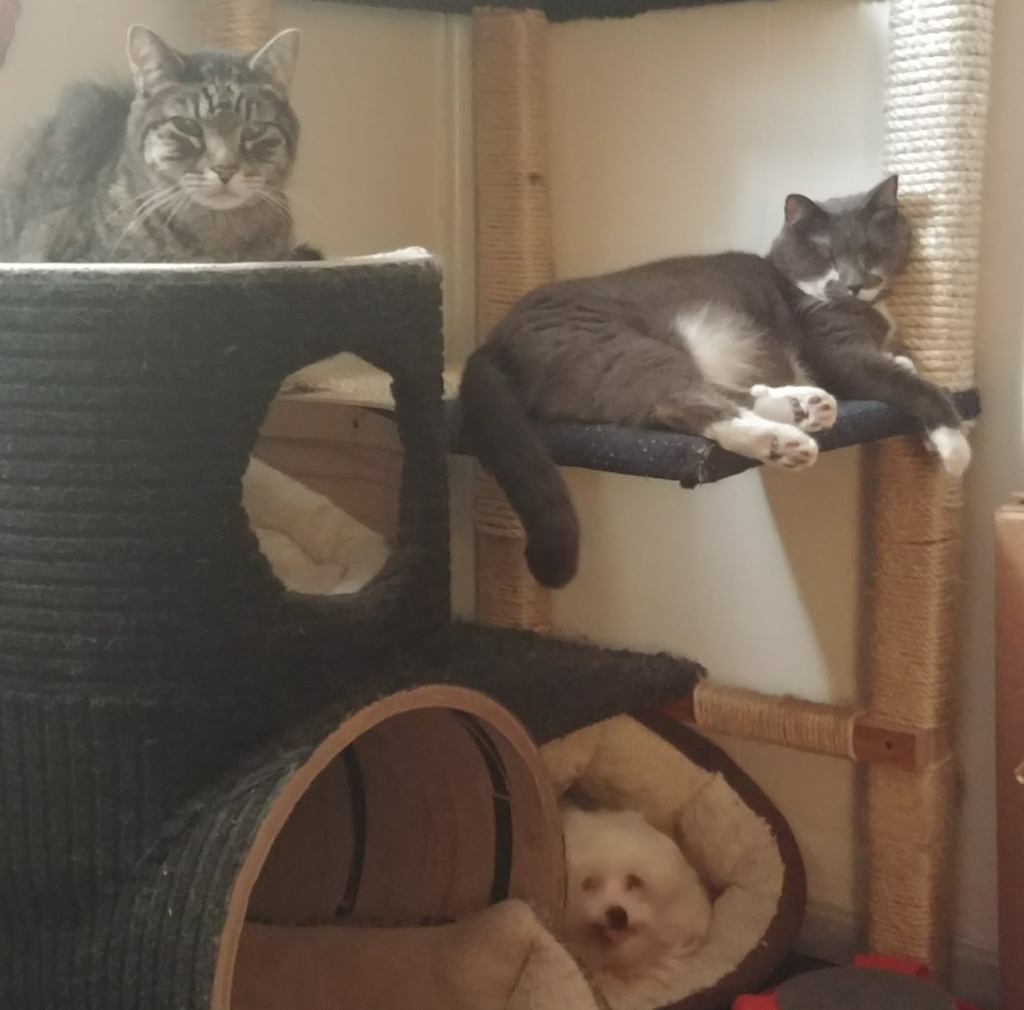 As our pets grow older, their needs change in ways that are sometimes subtle and sometimes immediate. What worked for them as young, agile animals may no longer be safe or comfortable.
We saw this shift clearly with Belle in her later years. Even though she still wanted to climb and explore, her body told a different story. Jumps became shorter, landings more cautious. Furniture that once felt like a playground needed to become something gentler and more forgiving.
Ramps and steps can be incredibly helpful, but only if they are designed with care. The angle should be gradual enough to prevent strain, and the surface should offer reliable traction. A ramp that is too steep or slippery can be more dangerous than helpful.
Height also becomes a consideration. Lower platforms reduce the risk of injury if a pet slips or misjudges a jump. Soft landing areas, such as cushioned surfaces or nearby rugs, can provide an extra layer of safety.
For diabetic pets like Bentley, consistency matters just as much as safety. Predictable, easy access to favorite resting spots can reduce stress and help maintain routine. Something as simple as a stable perch near a window can make a meaningful difference in their daily comfort.
Weight Limits and Real-World Use
When building something yourself, it is easy to underestimate the forces it will need to handle. A pet sitting still is very different from a pet jumping onto a surface with momentum.
Even smaller animals can exert surprising force when they leap or climb. That means every joint, connection, and support needs to be stronger than you think it should be. Overbuilding is rarely a mistake in this context.
It also helps to think about how the furniture will be used over time. Will your pet grow into it. Will multiple pets use it at once. Will it need to handle repeated stress in the same areas. These questions shape how you reinforce your design.
Testing is part of the process. Before letting your pet use a new piece, apply pressure yourself. Shake it gently. Push on it from different angles. Look for any movement or weakness. If something feels even slightly off, it is worth addressing before your pet ever steps onto it.
Cleanliness and Maintenance
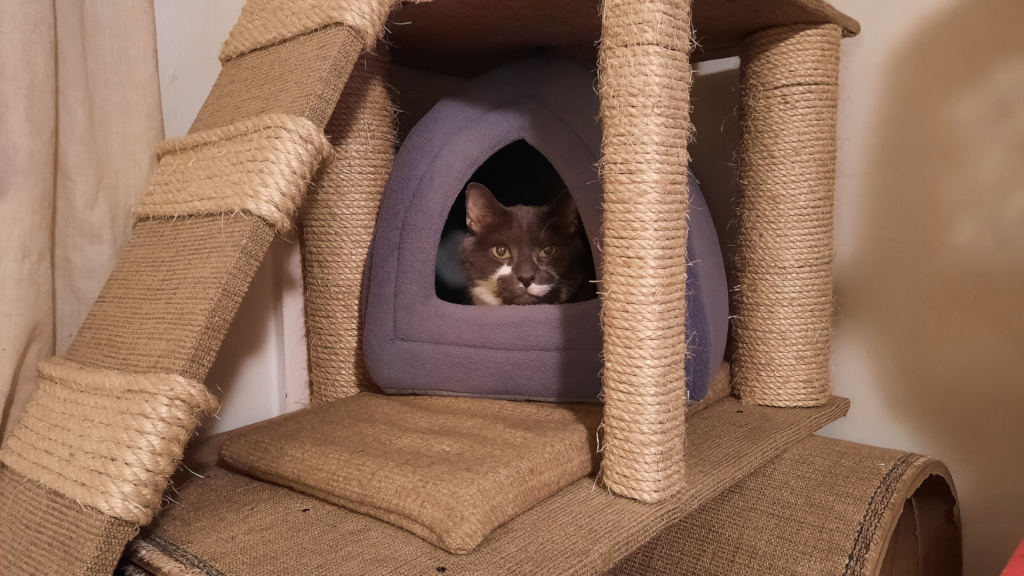 Safety is not just about structure. It is also about hygiene and long-term upkeep. Pet furniture can quickly become a collection point for fur, dust, and bacteria if it is not designed with cleaning in mind.
Surfaces should be easy to wipe down or vacuum. Removable covers can be helpful, especially for areas where pets rest frequently. Materials that resist moisture are important, particularly for older pets or those with medical conditions.
Over time, wear and tear can introduce new risks. A frayed rope, a loosened board, or a worn-out surface can change how a piece functions. Regular maintenance helps catch these issues early before they become problems.
This is where having a routine can make a difference. Just like tracking a pet’s health or behavior, checking their environment becomes part of caring for them. On our site, we often talk about the value of tracking patterns in health through tools like our pet diabetes tracker, but the same mindset applies here. Paying attention consistently helps prevent small issues from becoming larger ones.
Building with Confidence and Care
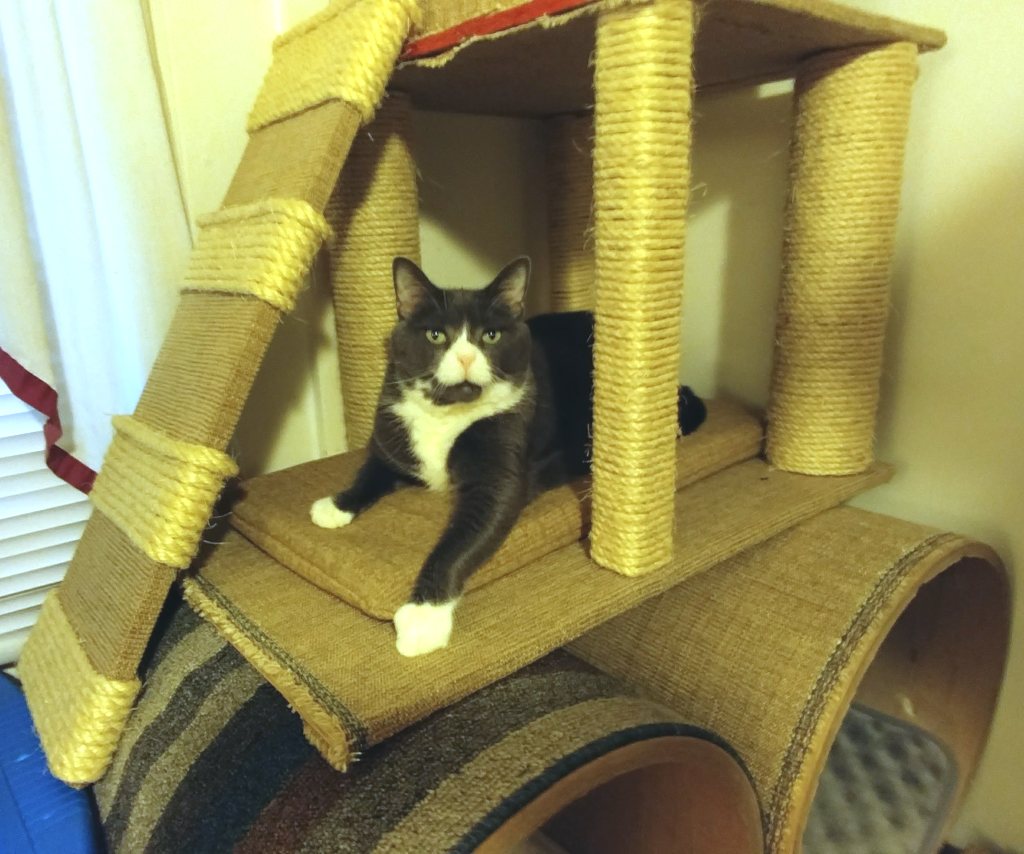 Creating something for your pet is one of the most personal ways to care for them. It reflects your understanding of their habits, their needs, and their personality. But that creativity works best when it is paired with thoughtful planning and attention to safety.
You do not need to be a professional builder to create something safe and reliable. You just need to slow down, think through each decision, and be willing to adjust when something does not feel right. Every screw, every surface, every material choice adds up to the experience your pet will have.
If there is one thing we have learned over the years, it is that our pets trust us completely. They do not question whether something is safe before they use it. They assume it is, because it came from us.
That trust is something worth honoring in every project we take on for them.