
Thyroid disease has a sneaky way of changing a pet’s whole body. A cat who used to nap like royalty may suddenly pace, beg for food, lose weight, and seem unable to settle. A dog who once bounced through the house may start gaining weight, sleeping more, shedding oddly, or acting older than their years. Food is not the whole answer, but it becomes part of the daily care plan because the thyroid touches metabolism, appetite, weight, muscle, digestion, energy, and even how other conditions show themselves.
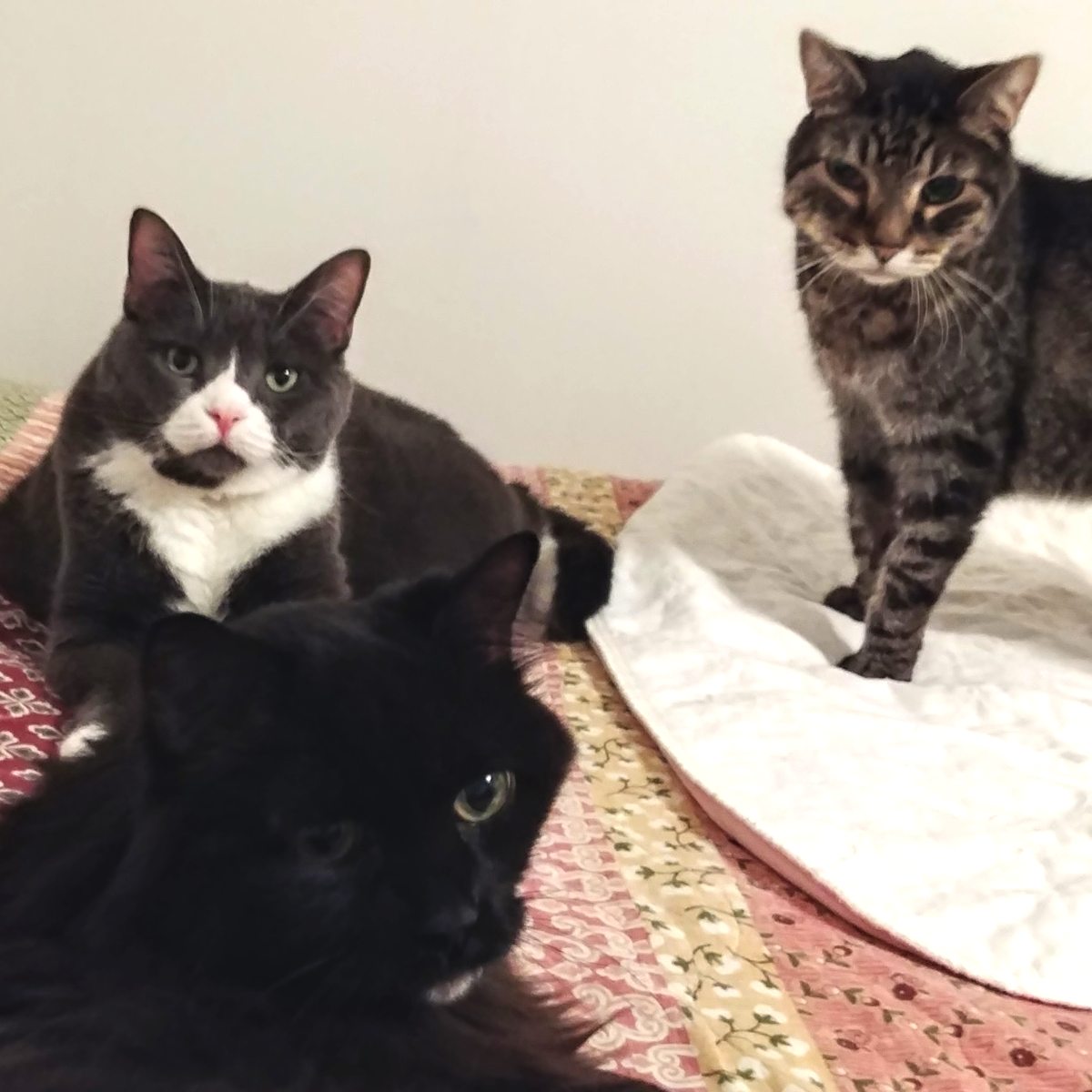
We have lived with a lot of senior pets here at BellenPaws, and thyroid issues have been part of our family story more times than I wish they had been. Belle, Paws, Bubbles, Bam Bam, Clyde, Skittles, Blackie, Rascal, Tabitha, and Sheamus all dealt with hyperthyroidism in one form or another. Some had kidney disease too. Some had blood pressure problems. Some were fragile seniors who needed care decisions made slowly, carefully, and with a lot of observation.
I am not a veterinarian. I am a pet parent who has spent many years learning that food choices matter, but they have to fit the whole animal in front of you. Thyroid-impaired pets rarely need trendy feeding advice. They need steady care, thoughtful meals, regular lab work, and a person willing to notice the small changes.
Thyroid Problems Look Different in Cats and Dogs
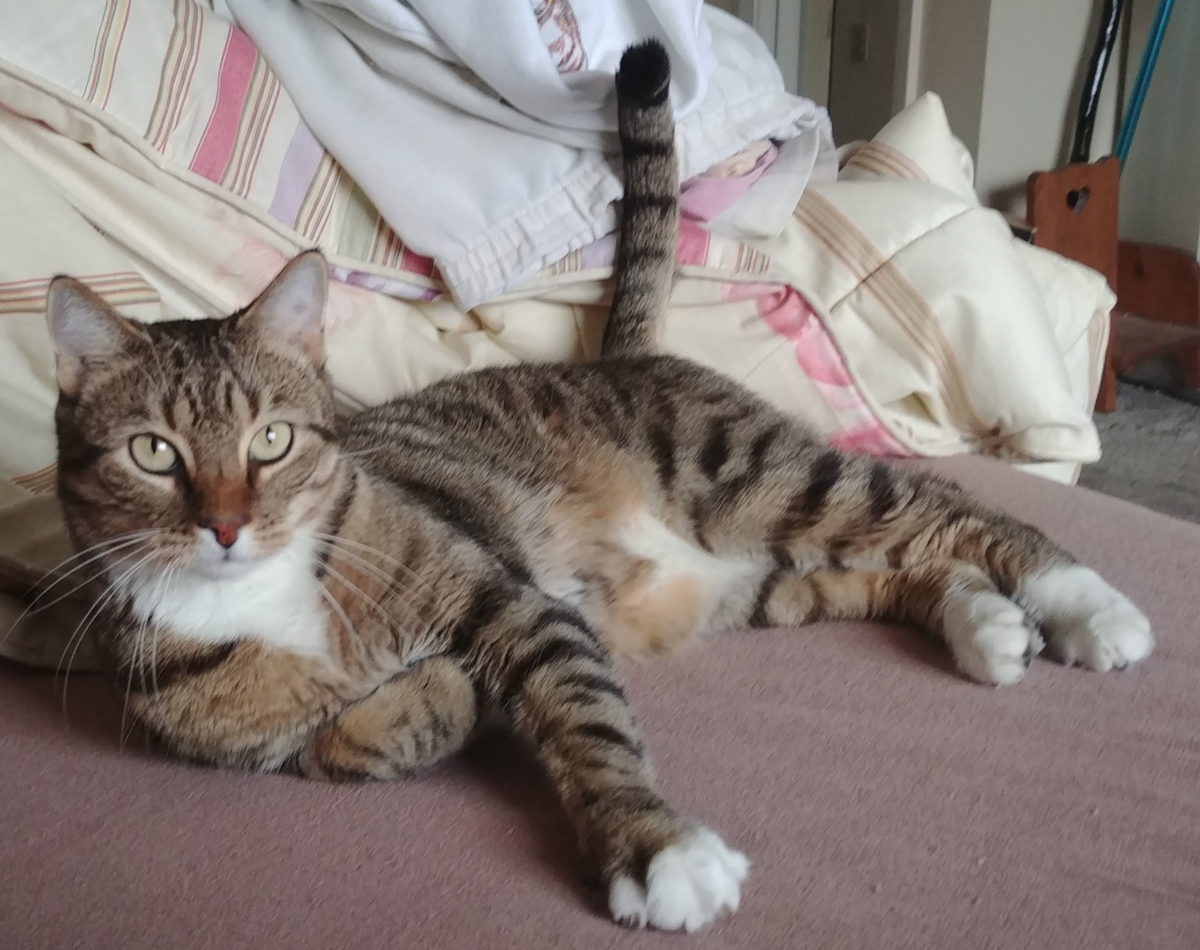 Cats and dogs tend to land on opposite sides of thyroid trouble. Senior cats commonly develop hyperthyroidism, which means the thyroid is overactive. Their metabolism runs too fast. They may eat like they are starving but still lose weight. They may vomit, have loose stools, drink more, yowl more, or seem restless. Some become clingy. Some become cranky. Some look like they are aging overnight.
Dogs more often develop hypothyroidism, which means the thyroid is underactive. Their metabolism slows down. They may gain weight even when they are not eating much more than before. Their coat may thin. Their skin may get flaky or greasy. They may act tired, chilly, stiff, or mentally dull. It can look like laziness from the outside, but it is not laziness. Their body is running low.
That difference matters because the diet conversation is not the same for both. A hyperthyroid cat may need help holding weight and muscle. A hypothyroid dog may need help losing excess weight while still getting enough protein and nutrients. Both need veterinary diagnosis, because guessing with thyroid disease can lead a pet parent in the wrong direction fast.
Food Does Not Replace Diagnosis
Diet can support a thyroid-impaired pet, but it should not be treated like a magic switch. Thyroid disease needs blood testing, a vet’s exam, and follow-up monitoring. A senior cat losing weight while eating constantly needs lab work, not just a higher calorie food. A dog gaining weight and slowing down needs testing, not just fewer treats and longer walks.
This is extra true for senior pets with more than one condition. Thyroid disease can overlap with kidney disease, diabetes, heart disease, high blood pressure, arthritis, dental pain, and cancer. We saw that kind of stacking with several of our cats. Belle had thyroid disease, kidney disease, high blood pressure, and dehydration struggles. Blackie had obesity, hyperthyroidism, kidney disease, and high blood pressure. Clyde had both thyroid and kidney issues. Once a pet has more than one problem, diet decisions need to be made with the full picture in mind.
A food that helps one condition may be wrong for another. A calorie-dense food may help a thin hyperthyroid cat, but it may not suit a cat with pancreatitis or severe kidney concerns. A weight-loss food may help an overweight hypothyroid dog, but cutting too hard can leave them hungry, weak, and miserable. The goal is not a perfect food label. The goal is a pet who is stable, eating, comfortable, and being monitored.
Feeding the Hyperthyroid Cat
 Hyperthyroid cats often need food that protects muscle. Many of these cats are seniors, and senior cats can lose muscle quickly. Add an overactive thyroid, and the body may burn through calories faster than the cat can replace them. That is why weight loss with a strong appetite is such a classic warning sign.
For many hyperthyroid cats, the food conversation starts with palatability. The best food on paper does no good if the cat refuses it. A thin senior cat who is already burning too much energy needs to eat. Wet food is often helpful because it adds moisture, which many older cats need, especially if kidney values are being watched. Good animal-based protein matters too, unless a vet has given specific instructions due to kidney disease or another medical concern.
Small, frequent meals can help cats who act ravenous or get nauseated between meals. Some hyperthyroid cats seem frantic about food, and that can be stressful for the whole household. Scheduled meals, measured portions, and calm feeding areas can help you see what is really happening. Free-feeding may hide appetite changes, especially in multi-cat homes.
I also like tracking weight at home. A baby scale or pet scale can catch small changes before they become dramatic. With thyroid cats, a few ounces can matter. Write it down. Guessing is where trouble starts.
The Low-Iodine Diet Option for Cats
Some cats with hyperthyroidism may be placed on a prescription iodine-restricted diet. This type of diet works by limiting iodine, which the thyroid gland needs to make thyroid hormone. For the right cat and the right household, it can be a real option. It is also one of those plans that has very little wiggle room.
The cat must eat that food only. No regular treats. No flavored medications unless the vet approves them. No table scraps. No sneaking from another cat’s bowl. No hunting snacks outside. That is where many households run into trouble, because cats are professional loophole artists. A low-iodine plan can fall apart if a cat eats even small amounts of other foods often enough.
This option also needs careful vet involvement. Some experts view iodine-restricted diets as helpful for certain cats, especially cats who cannot handle other treatments, while others have concerns about long-term restriction and whether it is the best choice for every case. That does not mean it is bad. It means it is not casual. It is a medical diet, not a wellness trend.
Multi-cat homes need a serious plan before starting. If one cat needs low-iodine food and the others do not, feeding stations, closed doors, microchip feeders, or strict meal times may be needed. Otherwise, you may end up with the thyroid cat eating the wrong food and the non-thyroid cats eating a prescription diet they do not need.
Methimazole, Radioiodine, Surgery, and Food
 Many hyperthyroid cats are treated with methimazole, radioiodine therapy, surgery, or a prescription diet. Food still matters with each path, but it plays a different role.
A cat on methimazole still needs a diet that supports body condition, hydration, and any other health issues. Methimazole controls hormone production, but it does not automatically rebuild lost muscle or fix poor appetite. Some cats eat better once their thyroid levels improve. Others need extra help because they are seniors with dental disease, nausea, kidney disease, or picky habits that were there long before the thyroid diagnosis.
Radioiodine therapy can be life-changing for some cats because it targets the overactive thyroid tissue. After treatment, diet may need adjusting as metabolism slows back down. A cat who needed extra calories before may no longer need as much later. That is why weigh-ins and follow-up labs matter.
Surgery is less common than it once was, but it still exists in some cases. After surgery, feeding depends on recovery, appetite, and any other conditions. Soft food, appetite support, and close watching may be part of the short-term care plan.
The Kidney Disease Complication
Hyperthyroidism and kidney disease often show up in the same senior cat. This combination can make diet decisions feel like walking a tightrope. Hyperthyroidism can increase blood flow through the kidneys, and once the thyroid is treated, hidden kidney disease may become more obvious on lab work. That does not mean treating the thyroid was wrong. It means the thyroid problem may have been masking the kidney problem.
For cats with both conditions, the vet may place more weight on kidney support, thyroid control, blood pressure, hydration, and appetite. Some cats need kidney-friendly food. Some need thyroid treatment first. Some need a custom plan that changes over time.
This is where I get opinionated. Do not let internet food rules bully you into ignoring the cat in front of you. A senior cat with kidney disease who refuses the “ideal” food still needs calories. A cat losing weight needs help. A cat with high blood pressure needs monitoring. A cat who is nauseated needs treatment, not a lecture about ingredients. Good care is practical. It has to work in your kitchen, with your cat, on an ordinary Tuesday morning.
Feeding the Hypothyroid Dog
 Hypothyroid dogs usually need the opposite kind of support from hyperthyroid cats. Their metabolism is often too slow, so weight gain is common. Once a dog is diagnosed and treated with thyroid hormone replacement, energy may improve, but weight does not always fix itself. Food portions, treats, exercise tolerance, and muscle condition all still matter.
The best starting point is boring but powerful. Measure meals. Count treats. Keep a body weight log. Ask your vet what your dog’s ideal weight should be, not just what the scale says today. A stocky dog may not need to become skinny, but excess weight strains joints, breathing, comfort, and mobility.
Protein matters for dogs too. Weight loss should not mean feeding so little that the dog loses muscle. A good plan often includes controlled calories, steady protein, and fiber that helps the dog feel full. Some dogs do well on a veterinary weight management food. Others do fine with careful portions of their regular food. The right answer depends on the dog’s health, age, activity level, and lab work.
Treats are where many plans quietly fail. A few biscuits, a bite of toast, a little cheese, and a spoonful of leftovers can turn into a second meal. I am not anti-treat. I am anti-pretending treats do not count. For a hypothyroid dog trying to lose weight, treats should be small, planned, and included in the daily food amount.
Medication Timing and Mealtime Consistency
Dogs with hypothyroidism are often prescribed levothyroxine. The food connection here is consistency. Some veterinary guidance says levothyroxine is best absorbed on an empty stomach, while other guidance allows it with or without food as long as it is given the same way every day. The common thread is that random timing can make blood levels harder to interpret.
Pick a routine your vet approves and stick to it. If the pill is given with breakfast, keep giving it with breakfast unless your vet changes the plan. If it is given before food, keep that pattern steady. Do not switch back and forth casually. Lab tests are used to judge whether the dose is working, and inconsistent timing can muddy the water.
Supplements deserve caution too. Calcium, iron, high-fiber changes, and other products may affect medication routines or digestion. Before adding powders, chews, kelp, seaweed, glandular supplements, or “thyroid support” products, ask the vet. This is not the place for kitchen experiments.
Be Careful With Iodine and Seaweed Supplements
 Iodine is tied directly to thyroid hormone production, so iodine-heavy supplements can be risky in thyroid-impaired pets. Kelp and seaweed products are common in pet supplements, dental powders, and “natural” blends. That does not make them harmless.
For a hyperthyroid cat, extra iodine may work against the treatment plan. For a dog on thyroid medication, random supplement changes can make monitoring harder. For pets with heart or kidney issues, adding unneeded supplements can create more problems than benefits.
Read labels. Look for kelp, seaweed, bladderwrack, iodine, thyroid glandulars, and vague “endocrine support” blends. Natural does not mean safe. Senior pets are not science projects. They deserve caution.
Diabetic Pets With Thyroid Disease Need Extra Watching
Thyroid disease can complicate diabetes management because metabolism, appetite, weight, and insulin needs may shift. A hyperthyroid cat may eat more, lose weight, and have changing glucose patterns. A hypothyroid dog may gain weight and become less active, which can also affect glucose control.
For diabetic pets, food consistency becomes even more valuable. Meal timing, carbohydrate load, portion size, insulin timing, and appetite all work together. If thyroid treatment begins and the pet’s metabolism changes, the diabetes plan may need adjustment too.
This is where BellenPaws leans hard into tracking. Our online pet diabetes tracker can help record glucose numbers, insulin doses, food notes, and patterns you can print for your vet. We also offer printable blank glucose curve forms for pet parents who prefer paper. Those records can be a lifesaver when multiple conditions overlap, because memory gets messy when you are tired, worried, and doing twice-daily care.
Appetite Changes Are Data
A thyroid-impaired pet’s appetite tells a story. A hyperthyroid cat may seem starving all the time. A treated cat whose appetite suddenly drops may be nauseated, overmedicated, dealing with kidney changes, or facing a separate illness. A hypothyroid dog may beg from habit even after calories are reduced, or may become more active after treatment and need a revised plan.
Do not brush off appetite changes as personality. Write them down. Note food refusals, vomiting, stool changes, water intake, begging, night waking, and weight shifts. These small details help your vet make better decisions.
In our house, the pets who taught us the most were often the complicated ones. Belle taught us that senior care is rarely one problem at a time. Zippy taught us how much tracking can matter with diabetes. Bentley reminds us every day that routine is not boring when it keeps a pet safe.
Practical Feeding Habits That Help
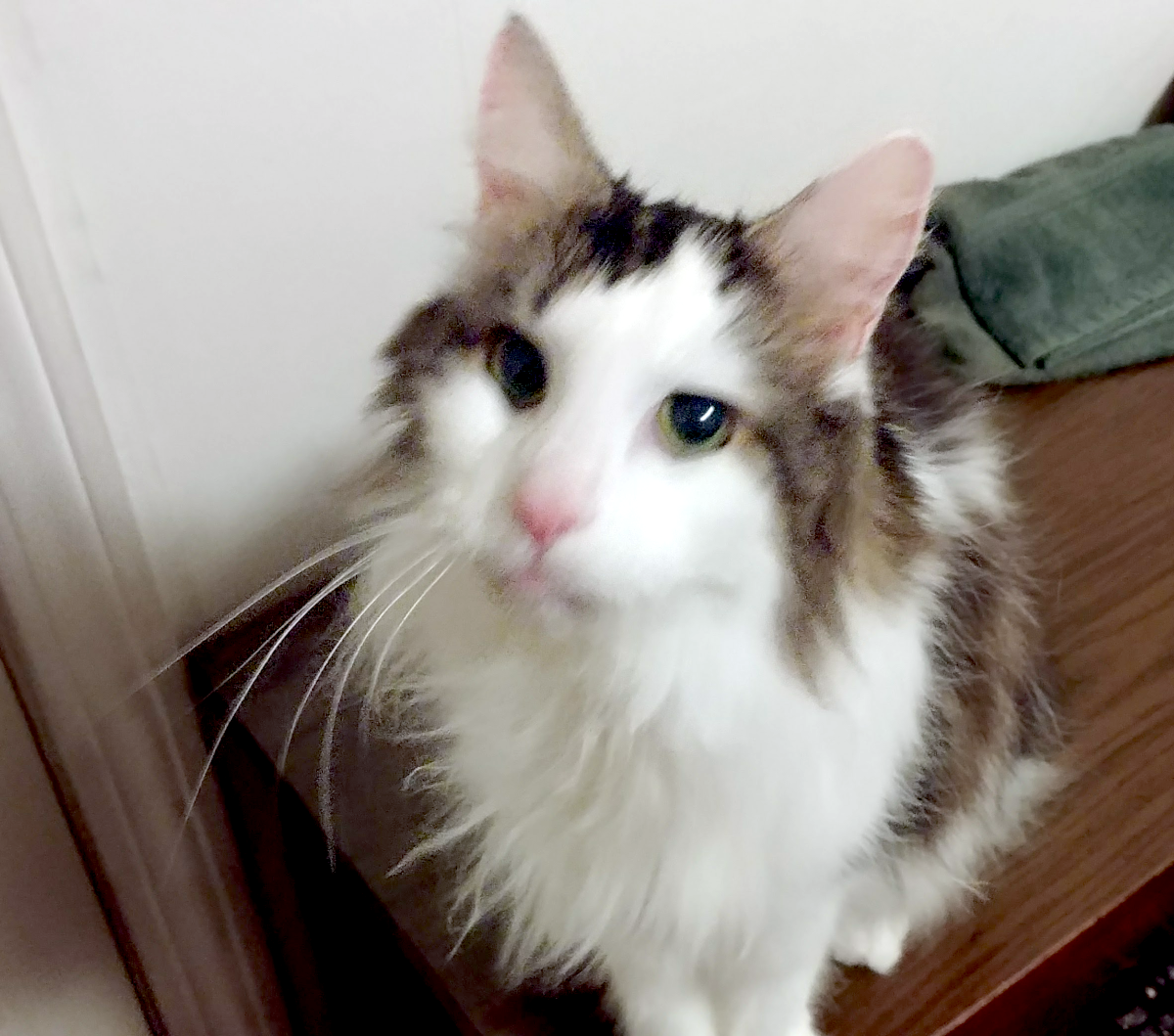 Thyroid-impaired pets do best with routines that remove guesswork. Feed measured meals. Track weight. Keep medication timing steady. Avoid random supplements. Watch stool, thirst, vomiting, appetite, and energy. Ask for blood pressure checks in senior hyperthyroid cats, especially if there are kidney or eye concerns.
For cats, consider moisture intake and muscle support. For dogs, consider calorie control and safe weight loss. For diabetic pets, keep meals and records as consistent as possible. For multi-pet homes, separate feeding may be needed so the pet with the medical diet actually eats the medical diet.
BellenPaws also has cat and dog human-age calculators that can help pet parents think more clearly about life stage. A “12-year-old cat” may sound ordinary until you see the senior equivalent and realize why lab work, blood pressure, diet, and comfort checks matter so much. Aging pets need us to stop winging it.
The Food Bowl Is Part of the Care Plan
Dietary care for a thyroid-impaired pet is not about chasing perfection. It is about matching the food bowl to the diagnosis, the treatment, the lab work, the pet’s appetite, and the other health problems riding along. A hyperthyroid senior cat, a hypothyroid overweight dog, and a diabetic cat on insulin do not need the same plan. They need someone paying attention.
That means reading labels, asking questions, measuring meals, weighing the pet, tracking changes, and staying honest about what is actually happening at home. It also means giving yourself some grace. Caring for a thyroid-impaired pet can be tiring, especially when the pet is older and already has a medical history as long as your arm. The best feeding plan is the one that keeps your pet eating safely, supports the treatment your vet prescribed, and gives you enough clear information to catch changes before they become emergencies.