
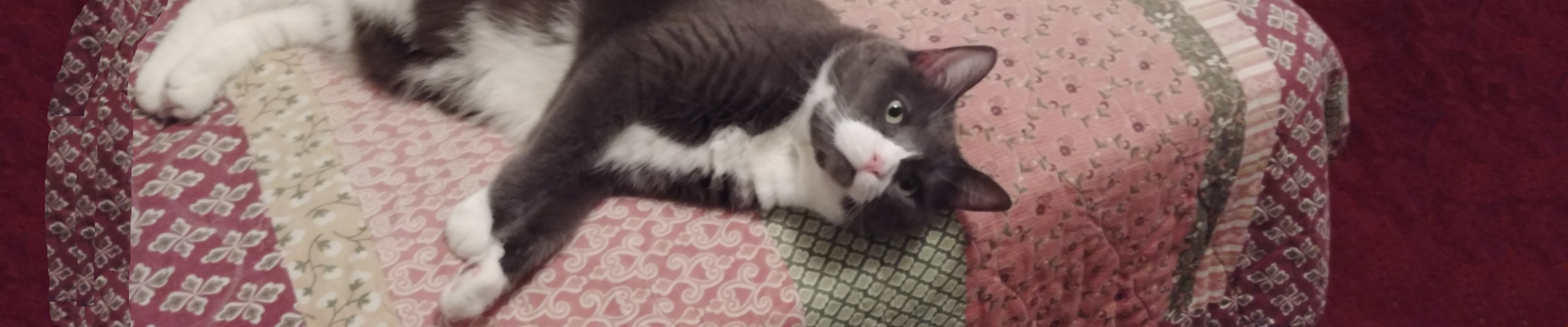
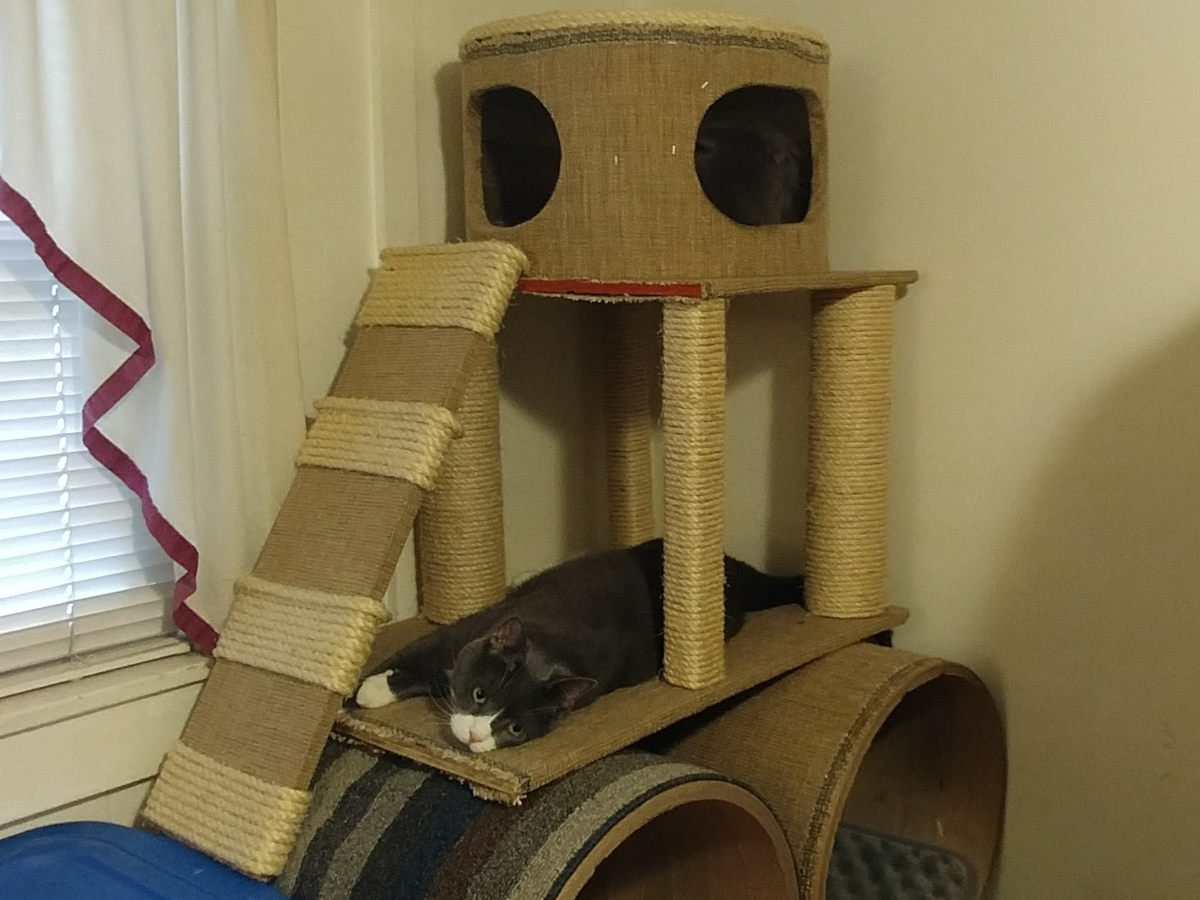
Indoor cats may live safer lives than cats who roam outdoors, but safety does not automatically mean their world feels complete. A home can be warm, loving, and full of food bowls, soft blankets, and gentle voices, yet still feel flat to a cat if everything important happens at floor level. Cats are not built to experience life only from the ground. They are climbers, observers, hunters, nappers, and tiny household supervisors who often feel most secure when they can rise above the traffic of daily life.
When we think about caring for indoor cats, we often focus on the obvious needs first. We think about food, water, litter boxes, veterinary care, toys, and comfortable sleeping spots. Those things matter deeply. But one of the most overlooked parts of indoor cat care is vertical space. A chair, shelf, cat tree, window perch, or safe climbing route can change how a cat feels about the entire home.
For senior cats, shy cats, multi-cat households, and cats with medical needs, vertical space can be more than enrichment. It can be comfort. It can be confidence. It can be a way to reduce stress without forcing interaction. It gives a cat choices, and choice is one of the greatest gifts we can give an animal who depends on us for everything.
Cats Feel Safer When They Can See Their World
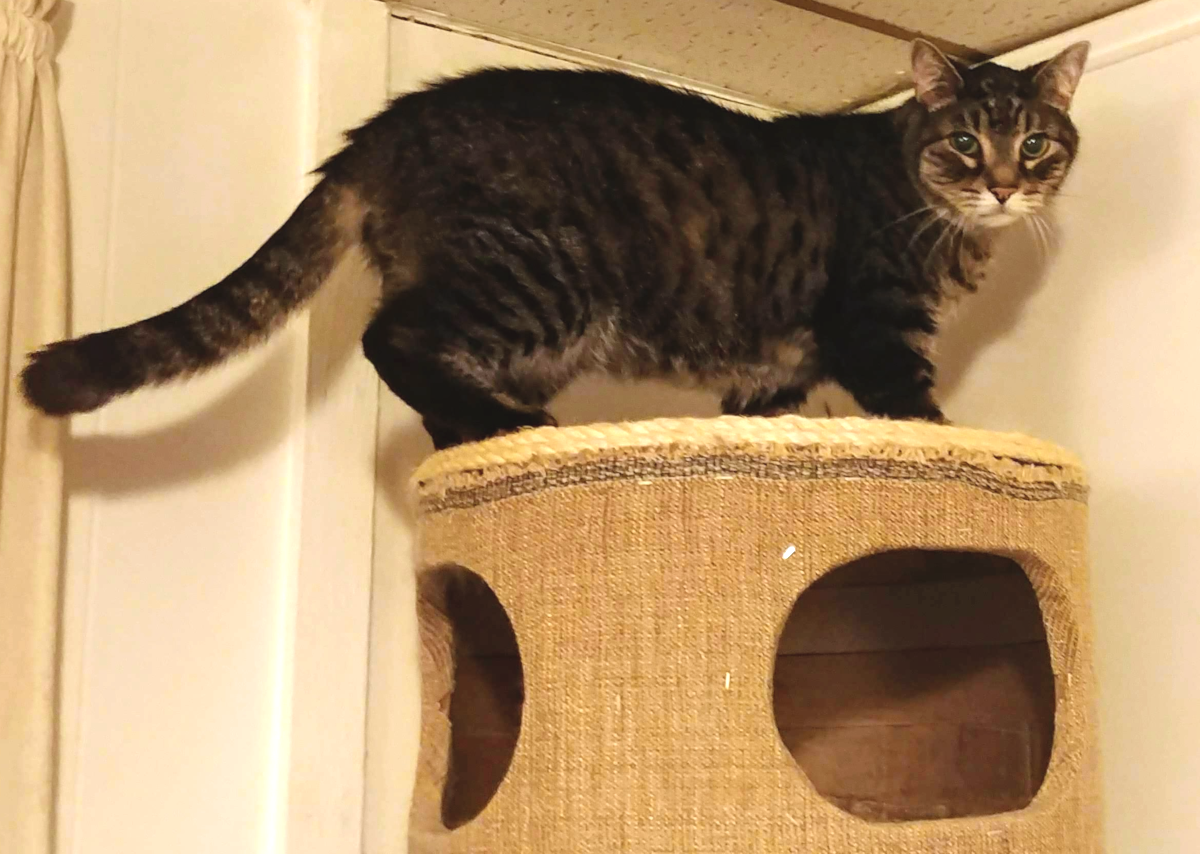 A cat on a high perch is not just being cute or dramatic, although they do manage to look like royalty while doing it. Height gives cats information. From above, they can watch movement, track sounds, observe other pets, and decide when they want to engage. That sense of control can make an indoor cat feel safer and calmer.
This is especially important in busy homes. People walking through rooms, dogs passing by, visitors stopping in, children playing, or even another cat crossing too closely can feel overwhelming to a cat who has nowhere to retreat. A high spot lets them step out of the action without disappearing completely. They can still be part of the household, just on their own terms.
We saw versions of this over the years with our own cats. Belle, one of the founding cats behind BellenPaws, had her own ways of managing stress and comfort as she aged. She was not a cat who needed a crowd around her all the time, but she still wanted to be near her people. A good perch or elevated resting place gave her that perfect middle ground. She could be present, watchful, and connected without feeling crowded.
That is one of the beautiful things about vertical space. It does not force a cat to choose between hiding and participating. It creates a quiet third option. A cat can watch from above, blink slowly at you, nap near the family, and still feel like they have their own little kingdom.
Vertical Space Helps Indoor Cats Stay Mentally Engaged
Indoor cats do not have the same natural variety that outdoor environments provide. They are not climbing fences, watching birds from tree branches, exploring sheds, or choosing different sunny spots across a yard. That is a good thing from a safety standpoint, but it also means we need to bring some of that environmental richness indoors.
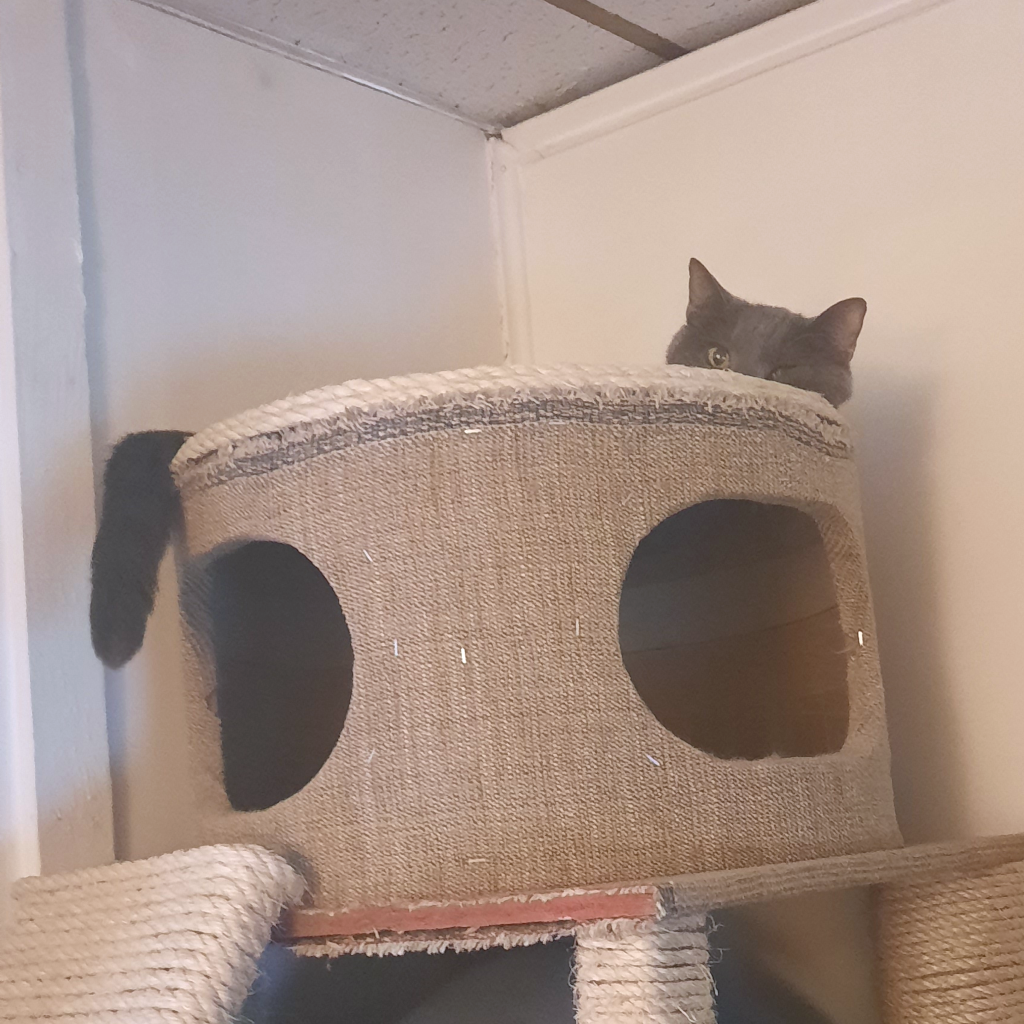 Vertical space adds layers to the home. A room that used to be one flat area suddenly becomes more interesting. A cat can climb, jump, stretch, balance, watch, and choose different resting zones throughout the day. Even a simple window perch can become a daily source of mental stimulation, especially if it overlooks birds, trees, squirrels, passing cars, or changing light.
For cats, watching is not “doing nothing.” Watching is part of being a cat. A cat sitting in a window may be tracking movement, listening to sounds, smelling fresh air through a screened window, and mentally engaging with the world. That kind of quiet stimulation can help reduce boredom, which is important because bored cats may become restless, vocal, destructive, withdrawn, or overly focused on food.
A cat tree near a window can be one of the best gifts for an indoor cat. It combines height, comfort, scratching, climbing, and observation. It does not have to be fancy or expensive. What matters most is that it is stable, safe, and placed where the cat actually wants to spend time. Cats are practical little critics. They will let you know whether your chosen location meets their standards.
This is also where small home projects can become meaningful. Some pet parents build shelves, ramps, or climbing paths. Others repurpose sturdy furniture or add a padded perch to a sunny windowsill. For anyone building DIY scratching posts or cat trees, BellenPaws offers a rope length calculator that can help estimate how much rope may be needed for a project. Little tools like that can make enrichment projects feel less intimidating.
In Multi-Cat Homes, Height Can Reduce Tension
In homes with more than one cat, vertical space can make a major difference. Cats may love each other and still need personal space. They may share a home peacefully most of the time, but that does not mean they want to share every pathway, resting spot, food zone, or window view. When everything happens on the floor, cats may feel like they are constantly crossing into each other’s territory.
Height gives cats more ways to move around and avoid conflict. One cat can rest on a tree while another stays on the couch. One can use a shelf while another walks through the room. These small choices can prevent staring contests, blocking behavior, chasing, swatting, or subtle stress that humans may not notice right away.
A lot of cat tension is quiet. It is not always dramatic fighting. Sometimes it is one cat sitting in a doorway so another cat will not pass. Sometimes it is a nervous cat avoiding a room because another cat owns the favorite chair. Sometimes it is a senior cat choosing to sleep under the bed because the best sunny spots are too exposed. Vertical options help spread out the valuable spaces in the home.
The key is to create more than one good spot. In a multi-cat household, one cat tree may become a prize instead of a solution if everyone wants the same perch. Multiple resting zones at different heights can help. They do not all need to be large. A sturdy shelf, a low bookcase with a blanket, a wide windowsill, or a padded bench can all become part of a cat-friendly layout.
It is also important to think about escape routes. A high perch should not become a trap. If one cat can climb up but another cat can block the only way down, the perch may create stress instead of comfort. Whenever possible, create more than one path up or down, especially in households with complicated cat relationships.
Senior Cats Still Need Height, But They Need It Safely
As cats age, their relationship with vertical space may change. A young cat may launch onto a refrigerator like gravity is just a rumor. A senior cat may still want height, but stiff joints, reduced vision, weakness, or medical conditions can make jumping harder. That does not mean we should remove vertical space. It means we should adapt it.
 Senior cats often still crave the comfort of being elevated. They may want the sunny window, the back of the couch, the bed, or the familiar perch they used for years. If they can no longer reach those places safely, they may become frustrated or withdraw from routines they once enjoyed. Helping them access those spaces with steps, ramps, lower platforms, or furniture arranged like a staircase can preserve a sense of normal life.
This is especially important for older cats with arthritis, kidney disease, hyperthyroidism, high blood pressure, diabetes, or vision changes. These conditions can affect strength, balance, energy, and confidence. A cat may not announce, “I cannot jump like I used to.” Instead, they may stop going to favorite places, hesitate before jumping, pull themselves up awkwardly, or miss a landing.
With Bentley, who is currently living with diabetes and receives insulin twice a day, routines and comfort matter a lot. A cat managing a health condition still needs to feel like a cat, not just like a patient. Safe resting spots, predictable access, and calm spaces can make daily care feel less stressful for everyone. When a cat has comfortable places to retreat and observe, the home feels more supportive.
For diabetic cats, senior cats, or any cat with medical needs, stability matters. Avoid wobbly towers, slippery shelves, or narrow perches that require risky jumps. Soft landing areas can help, especially near favorite elevated spots. Carpeted steps, pet stairs, foam ramps, and non-slip surfaces can make climbing easier. If a cat’s mobility changes suddenly, or if they seem painful, weak, dizzy, or hesitant, that is a good reason to talk with a veterinarian.
Creating Vertical Space Without Overcomplicating It
You do not need to turn your home into a jungle gym overnight. In fact, it is usually better to start with what your cat already likes. Watch where they try to climb, where they nap, where the sun lands, and where they go when they want to avoid noise. Cats often tell us what kind of space they need long before we buy anything.
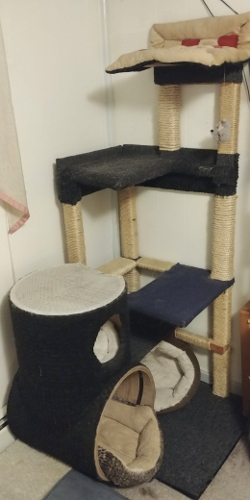 A good cat tree is often the easiest starting point. Look for one with a wide base, sturdy construction, and platforms that match your cat’s age and ability. For a senior cat, lower levels and easy steps may be more useful than a tall, dramatic tower. For a younger or more athletic cat, height and climbing variety may matter more.
Window perches are another excellent option, but they need to be secure. A perch should hold the cat’s weight comfortably and should not shift or tilt when the cat jumps onto it. If it attaches to a window, check it often. If it rests on furniture, make sure the furniture itself is stable. Cats trust the surfaces we give them, so those surfaces need to earn that trust.
Shelving can work beautifully, but only when installed safely. Shelves should be anchored properly, wide enough for the cat to turn around, and placed at reasonable distances. A shelf that looks stylish but is too narrow or slippery may not be cat-friendly. Adding carpet squares, washable pads, or textured surfaces can help cats feel secure.
Even ordinary furniture can become part of the vertical plan. A couch back, a low cabinet, a sturdy dresser, a bench near a window, or a blanket on top of a bookcase can all offer height. The goal is not to create a perfect showroom setup. The goal is to give your cat choices that fit your home and their body.
A Better Indoor Life, One Perch at a Time
Vertical space is really about respect. It respects a cat’s instincts, independence, curiosity, and need for safety. It says, “You do not have to live only at our feet. This home belongs to you too.” For indoor cats, that message matters.
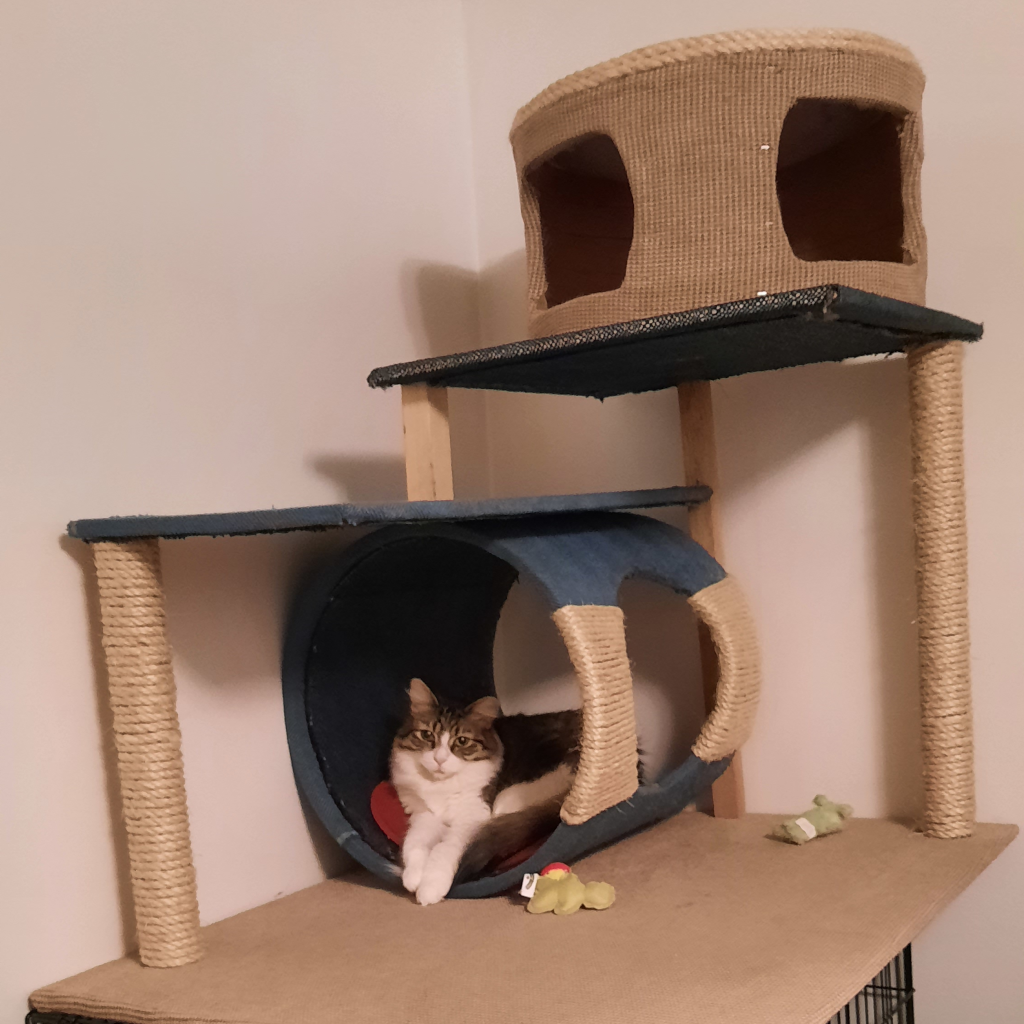 A cat who has good vertical space can watch the room without feeling exposed. They can nap in warmth, avoid tension, enjoy stimulation, and choose when to join the family. For senior cats, it can help preserve dignity and routine. For shy cats, it can build confidence. For active cats, it can reduce boredom. For multi-cat homes, it can create peace.
As pet parents, we do not always have control over aging, illness, or the hard parts of loving animals through every stage of life. But we do have control over the environment we create for them. Small changes can make a home feel safer and more interesting. A perch by the window, a stable cat tree, a ramp to the bed, or a cozy shelf in a quiet corner can all become part of a cat’s daily happiness.
At BellenPaws, we believe those little comforts matter. They are part of the love we give over a lifetime, from playful younger years to the slower senior seasons. Whether you are caring for a healthy indoor cat, a senior companion, or a diabetic cat who needs extra routine and observation, vertical space is one of the simplest ways to support their emotional well-being.
Because sometimes, the best thing we can give a cat is not another toy or another treat. Sometimes it is a safe place to climb, a quiet place to watch, and the freedom to see their world from above.