



There is something deeply comforting about watching an older pet settle into a familiar rhythm. The same sunny spot in the morning. The same slow walk to the food bowl. The same little glance at us when dinner is five minutes late, as if to say, “I know what time it is, human.” To some people, that may look like habit. To many of us who have lived with senior pets, diabetic pets, anxious pets, or pets with ongoing health issues, it feels like something more meaningful. Routine becomes a language of safety.
Pets may not understand calendars, work schedules, or why one week feels busier than another. But they understand patterns. They know when the house usually wakes up. They know the sound of the food dish, the treat drawer, the medicine cabinet, the leash, the insulin supplies, or the bedtime routine. These small repeated moments help them make sense of their world. For senior pets especially, that predictability can be a quiet form of emotional support.
As our pets age, life can start to feel less certain for them. Their hearing may fade. Their vision may soften. Their joints may ache. Their appetite may change. A diabetic pet may need meals, testing, and insulin on a schedule. A cat with kidney disease may need fluids. A dog with arthritis may need gentler activity and more rest. In all of these situations, a reliable daily rhythm can help reduce stress because the pet does not have to wonder what comes next.
Routine does not mean life has to be perfect or rigid. None of us live in a perfectly controlled world. It simply means giving our pets enough consistency that they can relax into the day. When a pet knows they will be fed, cared for, noticed, comforted, and included, their whole body seems to breathe a little easier.
Why Predictability Feels Like Safety
Animals are incredibly observant. They notice tiny details that we often miss, like the shoes we wear before leaving the house, the sound of a pill bottle, or the way we move when we are preparing a meal. Over time, those details become signals. Some signals create excitement. Some create worry. Some create calm. A thoughtful routine helps make more of those daily signals feel safe.
 For pets, uncertainty can be stressful. A pet who never knows when dinner is coming may become restless, vocal, clingy, or anxious. A diabetic pet whose meals and medication times shift too much may not only feel unsettled, but may also be harder to regulate safely. A senior pet who wakes from a nap and finds the house unusually chaotic may seem confused or nervous. These reactions are not stubbornness or drama. They are often a pet’s way of saying, “I am trying to understand what is happening.”
This is especially important for pets who already carry extra stress in their bodies. Senior cats and dogs may be coping with pain, changes in mobility, reduced senses, or illness. A pet with diabetes may be dealing with hunger changes, glucose shifts, vet visits, blood tests, and injections. Even when we do everything with love, care routines can still feel intrusive to them. Predictability helps soften that. When care happens in a calm, familiar order, it becomes less of a surprise and more of a shared ritual.
We saw this often with Zippy during his diabetic journey. Testing, feeding, and insulin could have felt overwhelming if every day was different. But once the rhythm became familiar, the process felt less like a medical event and more like part of our relationship with him. That does not mean every day was easy, because anyone who has cared for a diabetic pet knows there are emotional days. But routine gave us a foundation. It gave him a better chance to understand that these moments were part of being cared for.
The same idea applies beyond medical care. A bedtime pattern can help an anxious dog settle. A morning routine can help an older cat feel oriented. A familiar walking path can help a senior dog feel confident even when eyesight or hearing begins to change. Repetition, when it is gentle and loving, tells our pets that the world is still steady.
Routine Supports the Mind, Not Just the Body
When we talk about pet routines, we often think first about food, medication, bathroom breaks, walks, and sleep. Those things matter tremendously. But routine also supports a pet’s emotional and mental health. It gives them little anchors throughout the day. Those anchors can be especially powerful when a pet is aging, grieving, adjusting to a new diagnosis, or living in a home where the human schedule changes often.
 A mentally healthy pet is not necessarily a pet who is playful every minute. Senior pets may sleep more. Diabetic pets may have slower days. A pet with chronic illness may need quiet more than excitement. Mental health is often about feeling secure, engaged, loved, and understood at whatever stage of life they are in. Routine can help us provide those things in a steady way.
For example, a senior cat may benefit from a gentle morning check-in before the day gets busy. That might mean greeting them softly, refreshing water, offering breakfast, cleaning the litter area, and giving them a few minutes of attention. A senior dog may benefit from a predictable walk, even if it is shorter and slower than it used to be. The point is not how impressive the routine looks. The point is that it tells the pet, “You are still part of the rhythm of this home.”
There is also a confidence piece here. Older pets can become unsure of themselves when their bodies change. A dog who once ran up the stairs may hesitate. A cat who once jumped onto the counter may need steps or lower resting places. When we build routines around what they can do now, rather than what they used to do, we protect their dignity. We stop forcing them to constantly adapt to a world that no longer fits them as easily.
That may mean moving meals to a more accessible spot, keeping water bowls in predictable places, using nightlights for pets with vision changes, or keeping furniture layouts fairly consistent. These are not dramatic changes, but they matter. A pet who can move through their environment with confidence is often calmer and more relaxed.
Routine can also help us notice changes sooner. When we know our pet’s normal patterns, we are more likely to notice when something is off. Maybe a cat who always comes for breakfast hangs back. Maybe a dog who loves an evening walk suddenly seems reluctant. Maybe a diabetic pet’s appetite or energy looks different than usual. Those observations are valuable. They help us respond sooner, track patterns better, and know when it may be time to call the vet.
Creating a Gentle Routine Without Making Life Rigid
A good routine should serve both the pet and the household. It should not make you feel trapped or guilty every time life interrupts the plan. Pets benefit from consistency, but they also benefit from calm humans. The goal is to create a rhythm that is reliable enough to feel safe, but flexible enough to survive real life.
Start with the moments that matter most. For most pets, that includes meals, medication if needed, bathroom access, rest, play or enrichment, and bedtime. For diabetic pets, meal timing and insulin timing are especially important and should follow the plan you have worked out with your veterinarian. For senior pets, comfort checks may become part of the routine too. These might include making sure bedding is clean and easy to reach, water is available, litter boxes or potty areas are accessible, and any mobility aids are in place.
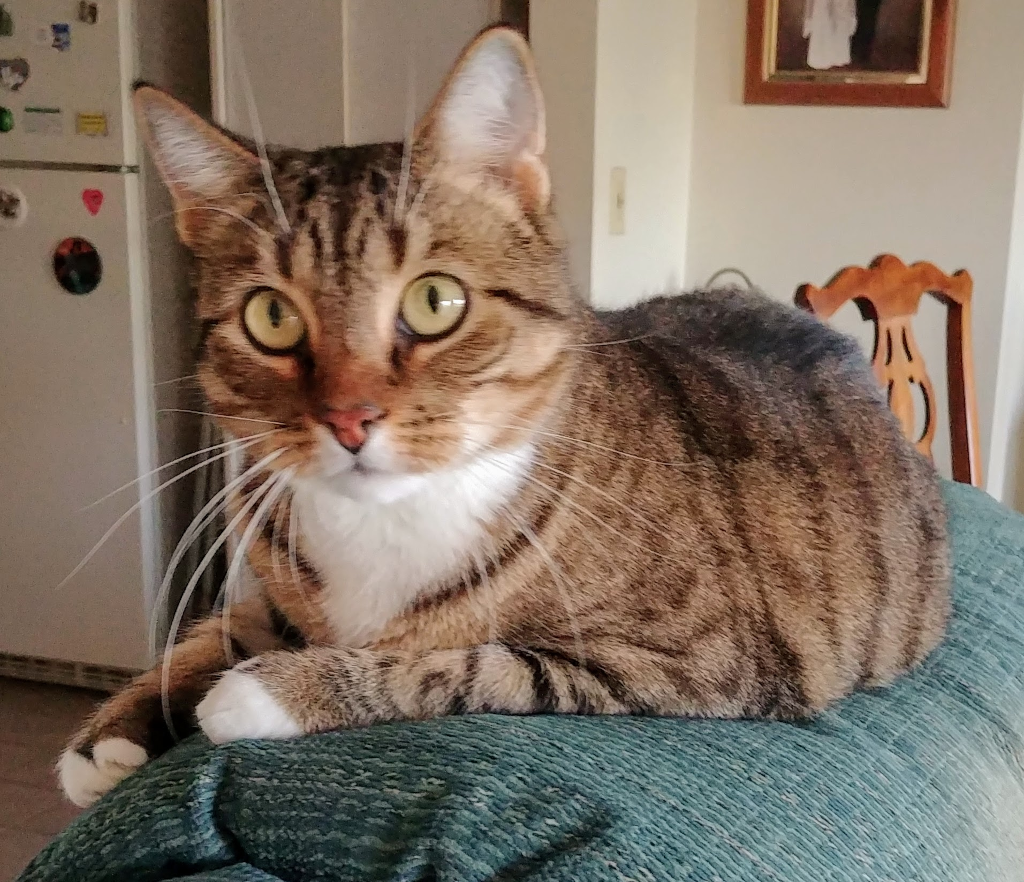 The emotional tone of the routine matters as much as the schedule. A rushed medication time can make a pet tense. A calm, predictable process can make it easier. Soft voices, gentle handling, and small rewards can help transform care from something scary into something more manageable. Some pets respond well to treats. Others prefer praise, petting, or simply being allowed to return to their favorite spot afterward. The trick is learning what feels reassuring to your individual pet.
It can also help to keep care items in the same place. For diabetic care, having supplies organized can reduce stress for both the pet and the caregiver. On BellenPaws, we talk often about how tracking can make diabetic care feel less chaotic. Tools like a pet diabetes tracker, printable glucose curve forms, and blank tracking sheets can help owners see patterns and prepare for vet conversations. That kind of organization is not just paperwork. It can create a calmer care routine because you are not scrambling to remember what happened yesterday or last week.
Routine can also include joy. This part is easy to overlook when a pet has medical needs. We can become so focused on pills, shots, test results, symptoms, and appointments that the day starts to feel like a checklist. But pets still need connection. A routine should make room for the things they love, even if those things need to be adjusted for age or health. A few minutes brushing a cat who enjoys it, a slow sniff walk for a dog, a sunny window perch, a puzzle feeder approved for their diet, or a quiet cuddle can all become emotional medicine in their own way.
With our senior pets, some of the most meaningful routines have been simple. Belle, one of the founding hearts behind BellenPaws, taught us a lot about paying attention to small daily patterns as she aged. When a pet has multiple health issues, the little things become big things. How they drink, how they rest, where they hide or do not hide, how they greet you, and whether they seem comfortable all become part of the conversation. Routine helps us hear that conversation more clearly.
When Routine Changes, Help Them Transition
Even the best routine will sometimes change. People move. Work schedules shift. A new pet joins the family. A pet is diagnosed with a condition that requires new care. A senior pet may need ramps, different food timing, new medications, or more frequent vet visits. Change is unavoidable, but it can be made gentler.
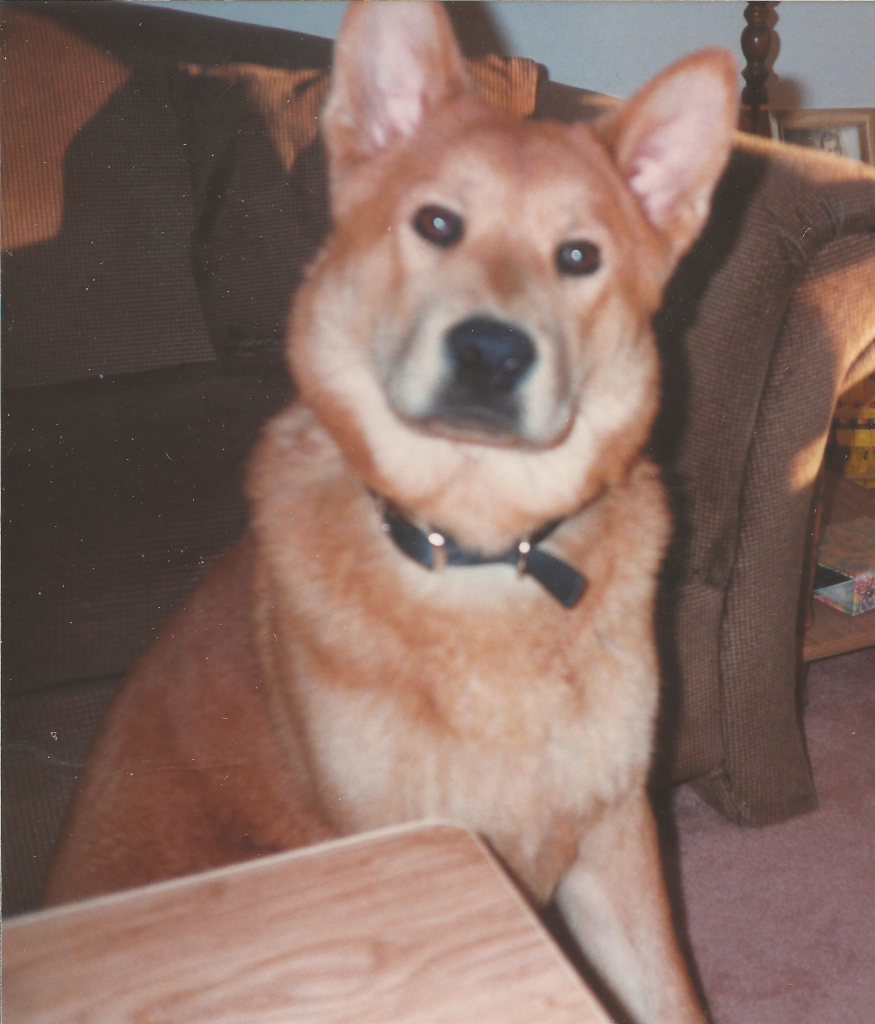 When possible, introduce changes gradually. If feeding times need to shift, move them slowly rather than suddenly. If a pet needs a new sleeping area, make it inviting before removing access to the old one. If a diabetic care routine is new, try to keep your own energy steady, even if you are nervous inside. Pets read us closely. They may not understand the medical reason for a new routine, but they can often feel whether we are panicked or calm.
For pets who struggle with change, familiar scents and familiar objects can help. A favorite blanket, bed, toy, or scratching post can make a new setup feel less strange. Dogs may benefit from maintaining the same walk cues even if the route changes. Cats often appreciate consistency in litter box location, feeding areas, and resting spots. Senior pets, especially those with vision or memory changes, may become upset if too many things shift at once.
There are also times when a change in routine is not just emotional, but medical. If a pet suddenly becomes confused, restless, withdrawn, unusually vocal, aggressive, or unable to settle, it is wise to consider whether pain, illness, blood sugar changes, blood pressure issues, thyroid problems, vision loss, hearing loss, or cognitive decline could be involved. As experienced pet parents, we can observe and support, but we are not a replacement for veterinary care. When behavior changes sharply or seems out of character, a vet check can bring answers and relief.
A Daily Promise They Can Trust
At its heart, routine is a promise. It tells our pets that they are not forgotten in the noise of the day. It tells them that food, comfort, care, and affection are coming. It tells them that even when their bodies change, their place in the family remains secure.
For senior pets and diabetic pets, that promise can be especially powerful. Their world may already feel more complicated than it used to. They may depend on us for medication, mobility help, glucose checks, special meals, or extra patience. Routine gives them something steady to lean on. It also gives us a way to show love through action, not just emotion.
The beautiful thing is that routine does not have to be fancy. It can be breakfast at the same time, a calm testing setup, a favorite blanket returned to the same chair, a slow evening walk, a water bowl checked before bed, or a quiet phrase they hear every night. Over time, those little rituals become part of how a pet understands love.
And maybe that is why routine matters so much. It is not just about keeping the day organized. It is about creating a life where our pets feel safe enough to rest, brave enough to adapt, and loved enough to trust us through every stage. For an aging pet, a diabetic pet, or any animal who depends on us, that kind of steady love can make all the difference.