

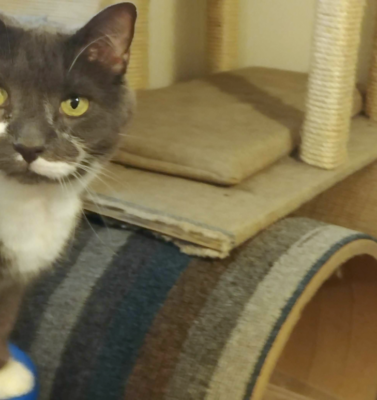
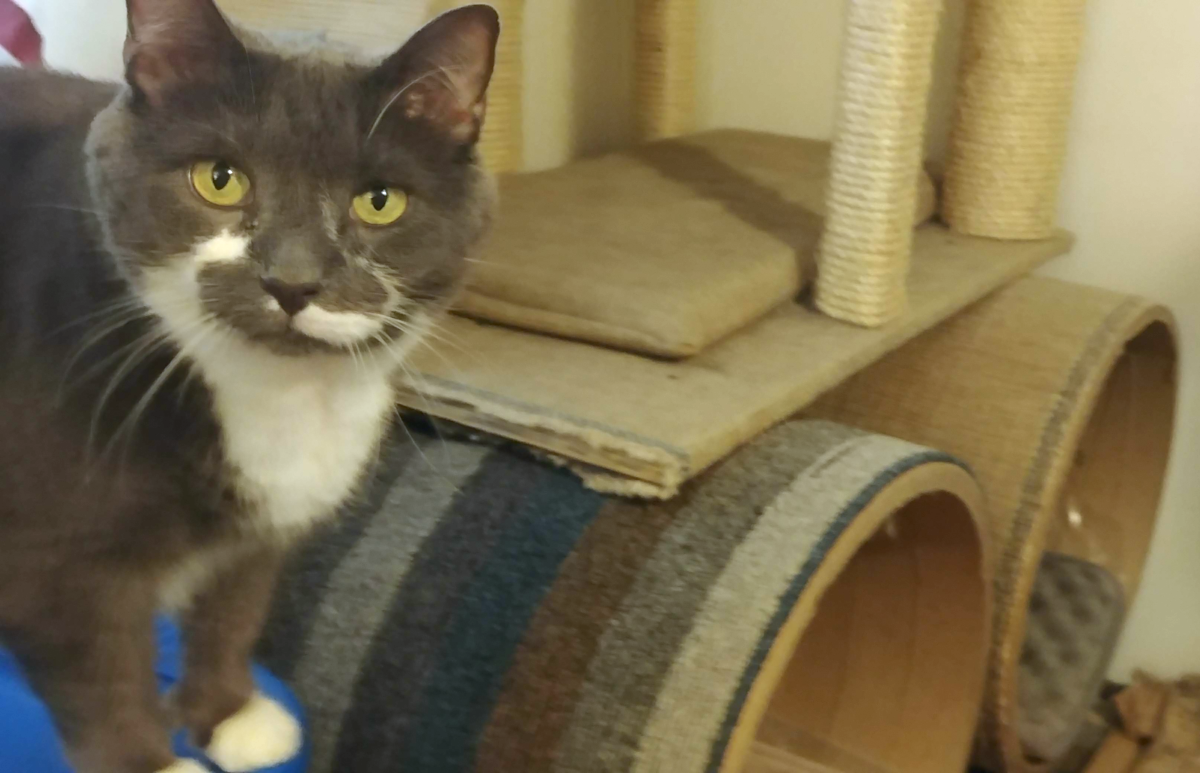
When we talk about arthritis in senior pets, it is easy to picture stiff legs, slow mornings, careful steps, and that little pause before jumping onto a favorite chair. Those signs can be heartbreaking because they remind us that time is moving forward, even when our pets still look at us with the same familiar eyes they had when they were young. Arthritis is often thought of as something that simply “comes with age,” but as pet parents, we are not powerless. One of the most meaningful ways we can protect aging joints is also one of the most ordinary parts of daily care: weight management.
Weight does not sound dramatic. It does not feel like a big medical breakthrough. It feels like food bowls, treats, routines, and small choices made over and over again. But for a senior dog or cat living with aging joints, those small choices can make an enormous difference. Every extra pound places more stress on hips, knees, elbows, shoulders, paws, and the spine. For a small cat or dog, even a pound or two can be a lot more significant than it sounds. What feels like “just a little extra weight” to us may feel like carrying a backpack all day to them.
This is not about blame. Most of us who have loved animals for years have had at least one pet who gained weight before we fully realized what was happening. It can creep up slowly. A little less activity, a few extra treats, aging metabolism, medication changes, arthritis itself making movement harder, or simply wanting to spoil a beloved senior pet can all play a part. The goal is not guilt. The goal is comfort, mobility, and giving our pets the best chance to move through their later years with less pain and more confidence.
Why Weight Matters So Much for Aging Joints
Arthritis happens when joints become inflamed, worn, or painful over time. In senior pets, it can show up gradually. A dog may hesitate before climbing stairs. A cat may stop jumping to the windowsill. A pet who once loved long play sessions may still want to participate, but only in shorter bursts. Sometimes the signs are subtle enough that we mistake them for laziness or “just getting old.”
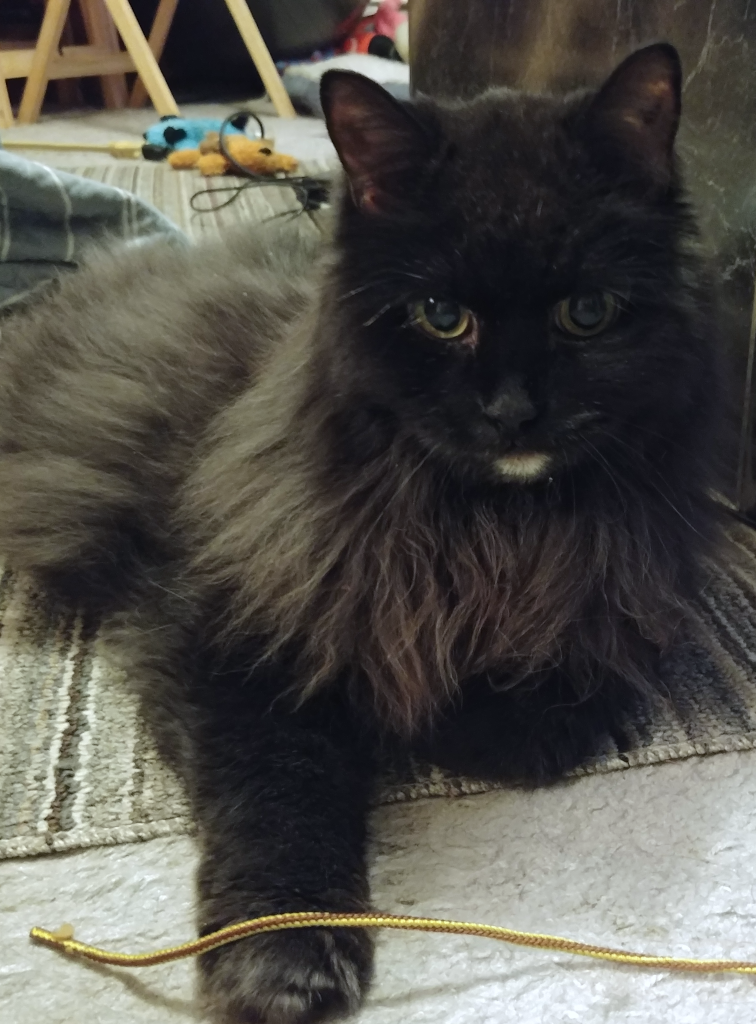 Extra weight makes that situation harder because joints are mechanical structures. They carry the body every time a pet stands, walks, turns, climbs, jumps, or lies down. When there is more body weight to support, damaged or aging joints have to work harder. That added strain can increase discomfort and may make a pet less willing to move. Less movement can then lead to more weight gain, weaker muscles, and even more stiffness. It can become a frustrating cycle.
We saw the importance of weight and mobility very clearly with Bonnie, who struggled with obesity. Weight did not just change how she looked. It affected how she moved, how easily she got comfortable, and how much effort ordinary activity seemed to take. When you live closely with animals, you begin to understand that mobility is not just about exercise. It is about dignity. It is about whether they can reach the water bowl easily, get to the litter box comfortably, stand for meals, or settle into a bed without pain.
For cats especially, extra weight can be deceptive because they are compact animals. A few pounds may not seem like much to a human, but on a cat’s frame, it can be a major burden. For dogs, the same principle applies, especially for breeds already prone to joint trouble. The more weight those joints have to carry, the more every step costs them.
Compassionate Weight Loss Is Not Starvation
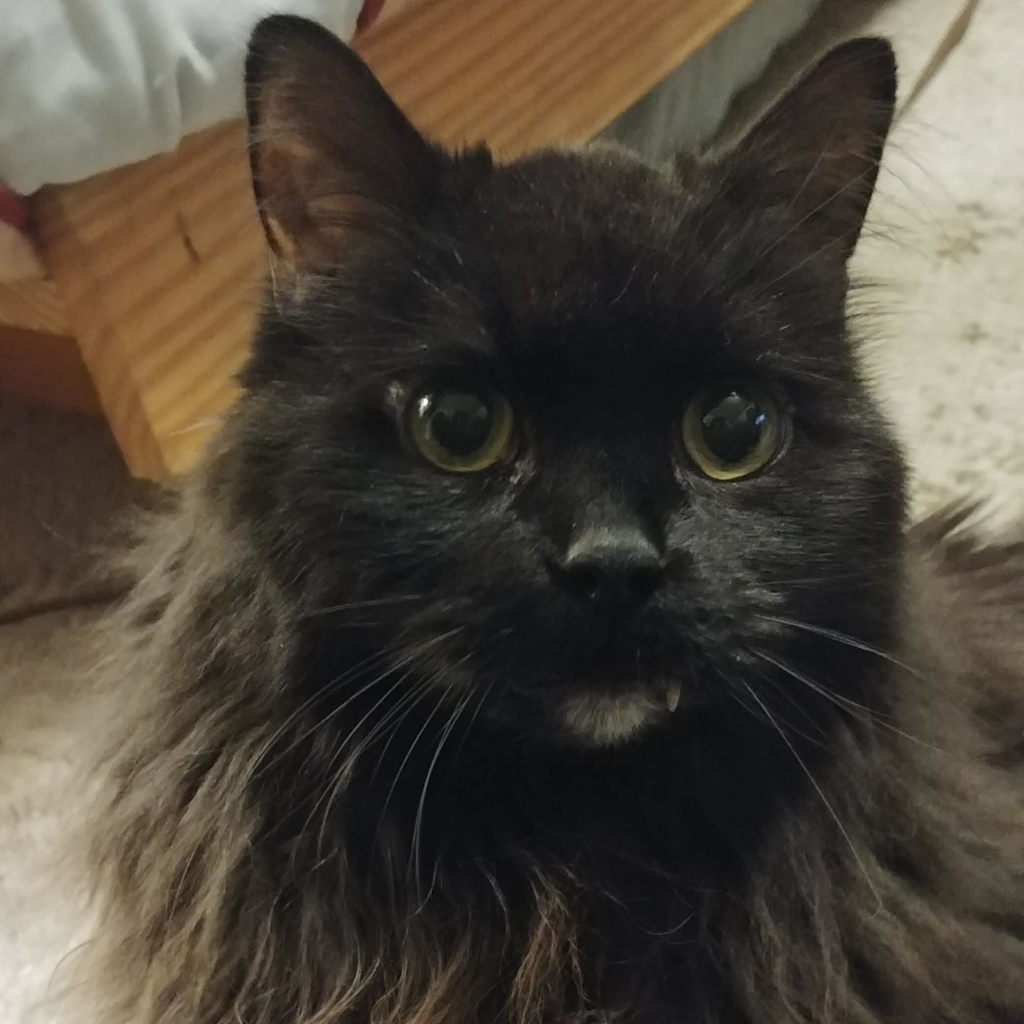 One mistake pet parents sometimes make is thinking weight management means simply feeding less. That can be risky, especially for cats, diabetic pets, frail seniors, and animals with chronic health conditions. Senior pets need steady nutrition, adequate protein, hydration, and a plan that respects their age and medical needs. Weight loss should be gradual and safe, not sudden or harsh.
This is where a veterinarian becomes an important partner. Even though we speak from the perspective of experienced pet parents, not veterinarians, we have learned that weight management works best when it is grounded in real information. A vet can help identify a healthy target weight, check whether thyroid disease or another condition is affecting weight, and recommend a safe pace of loss. This matters deeply because a senior pet’s body is not the same as a young adult pet’s body. Their muscles, organs, appetite, and energy all deserve consideration.
For diabetic pets, weight management can be even more delicate. Food timing, insulin timing, appetite, and glucose patterns all connect. A diabetic cat or dog should never have major diet changes made casually. With Zippy, who achieved remission through tight regulation, and Bentley, who still receives insulin twice a day, we learned how much careful tracking matters. Food is not just food when diabetes is involved. It is part of a rhythm that affects the entire day.
That is one reason BellenPaws offers a free online pet diabetes tracker, along with printable glucose curve forms and blank tracking forms. Tools like these can help pet parents see patterns and bring clearer information to their vet. When weight, appetite, glucose readings, insulin, and behavior are tracked together, decisions become less guesswork and more guided care.
Food Choices, Portions, and the Treat Trap
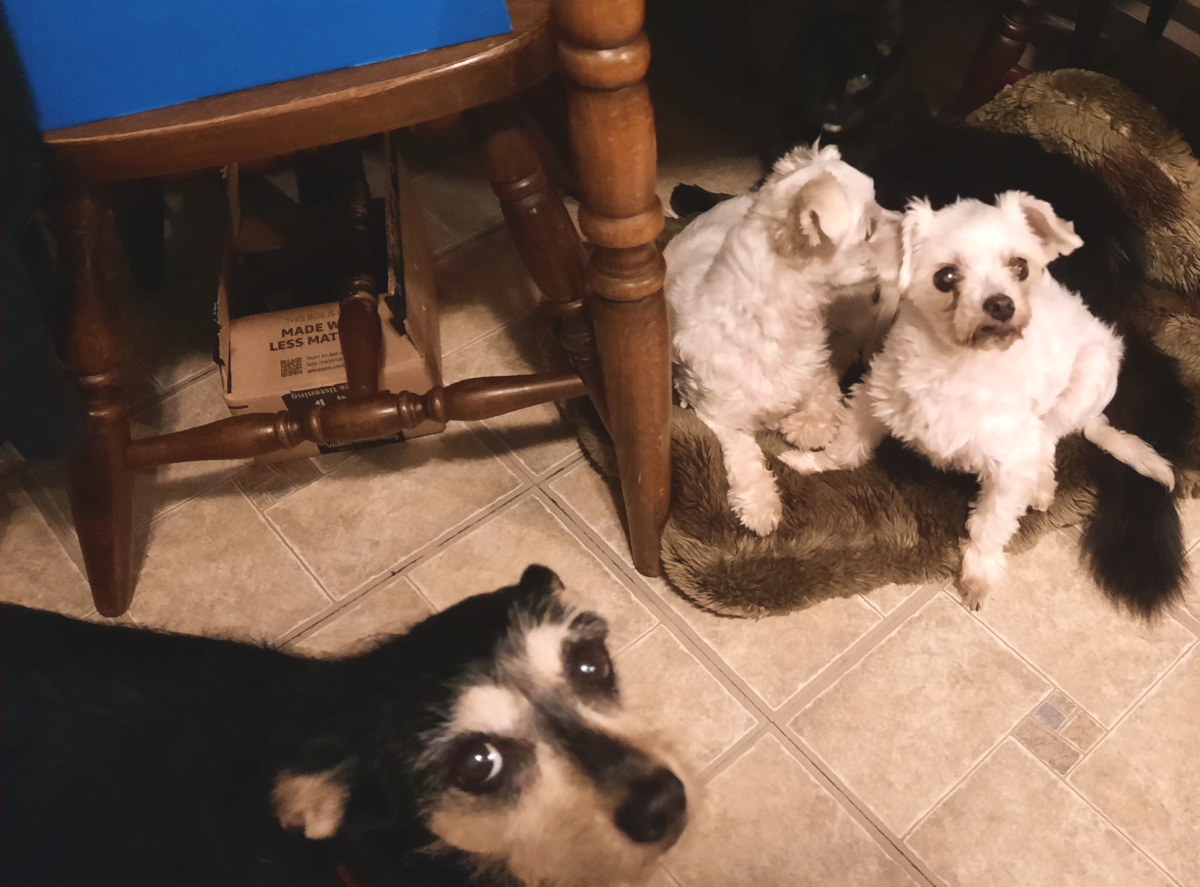 Weight management often starts with the food bowl, but it does not end there. Many pets do not gain weight from meals alone. They gain weight from the extras that feel harmless in the moment. A bite from the plate, a few treats after medication, a snack for being cute, another snack because we feel bad leaving the house, and suddenly the daily calories are much higher than we thought.
Treats are emotional. They are one of the ways we communicate love. So when a senior pet has arthritis, and we already feel tender watching them slow down, it is natural to want to comfort them with food. The hard truth is that too much food can steal comfort later by making movement more painful. That does not mean treats have to disappear. It means they need to become intentional.
For some pets, part of the daily meal can be set aside and used as treats. For others, lower calorie options may help, as long as they are safe for that pet’s medical needs. Some dogs enjoy small pieces of approved vegetables, while some cats may do better with tiny portions of their normal food or a vet-approved protein treat. The exact choice depends on the animal, especially if there are kidney issues, diabetes, allergies, digestive sensitivities, or other concerns.
Measuring meals also makes a bigger difference than many people expect. Scoops can vary. “A little extra” can quietly become the new normal. Using an actual measuring cup, kitchen scale, or pre-portioned containers can remove the guesswork. In a multi-pet home, feeding separately may also be necessary, because one pet may be sneaking from another bowl. Anyone who has lived with multiple cats or dogs knows there is always at least one little food thief in the house.
The goal is not perfection. It is awareness. Once we understand where extra calories are coming from, we can make changes without making our pets feel punished.
Movement Should Be Gentle, Not Forced
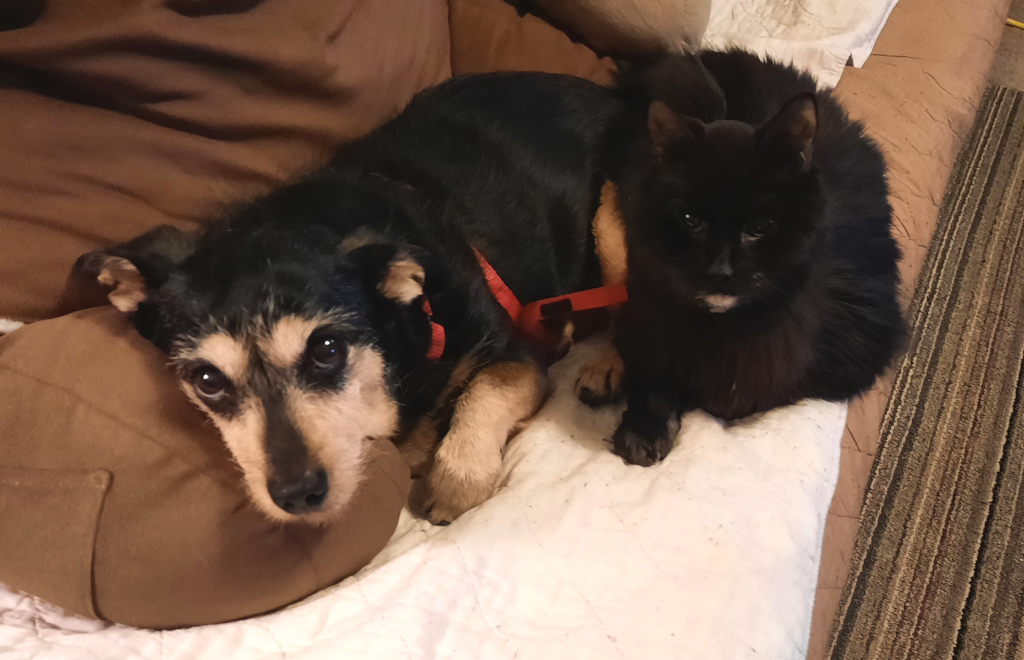 When arthritis is already present, exercise can feel complicated. Movement helps maintain muscle, supports joint stability, burns calories, and keeps pets mentally engaged. But too much movement, or the wrong kind, can cause soreness. The sweet spot is gentle consistency.
For dogs, that might mean shorter walks more often instead of one long walk that leaves them stiff afterward. A senior dog may do better with slow sniff walks, soft ground, and predictable routes. The walk does not have to be athletic to be valuable. Sniffing, strolling, and moving at their own pace can still support both body and mind.
For cats, movement often has to be invited rather than scheduled. A cat with sore joints may not chase a toy across the room like they once did, but they may still enjoy slow wand play, treat puzzles, low climbing surfaces, or a few minutes of gentle activity at a time. Even encouraging them to walk from one room to another for a meal or a small play session can help. The idea is to keep them using their body without asking them to perform like a kitten.
The home environment matters too. A pet carrying extra weight and dealing with arthritis may need ramps, low-entry litter boxes, raised food bowls, non-slip rugs, orthopedic beds, or steps to favorite resting places. These changes do not replace weight management, but they make movement safer while the weight loss journey is underway. They also send a loving message: “I see that this is harder now, and I am going to help.”
BellenPaws also has a rope length calculator for DIY scratching posts, which can be useful for pet parents building or modifying cat furniture. For arthritic cats, sturdy, lower, easier-to-access scratching areas may encourage stretching and movement without requiring big jumps.
Watching the Right Signs Along the Way
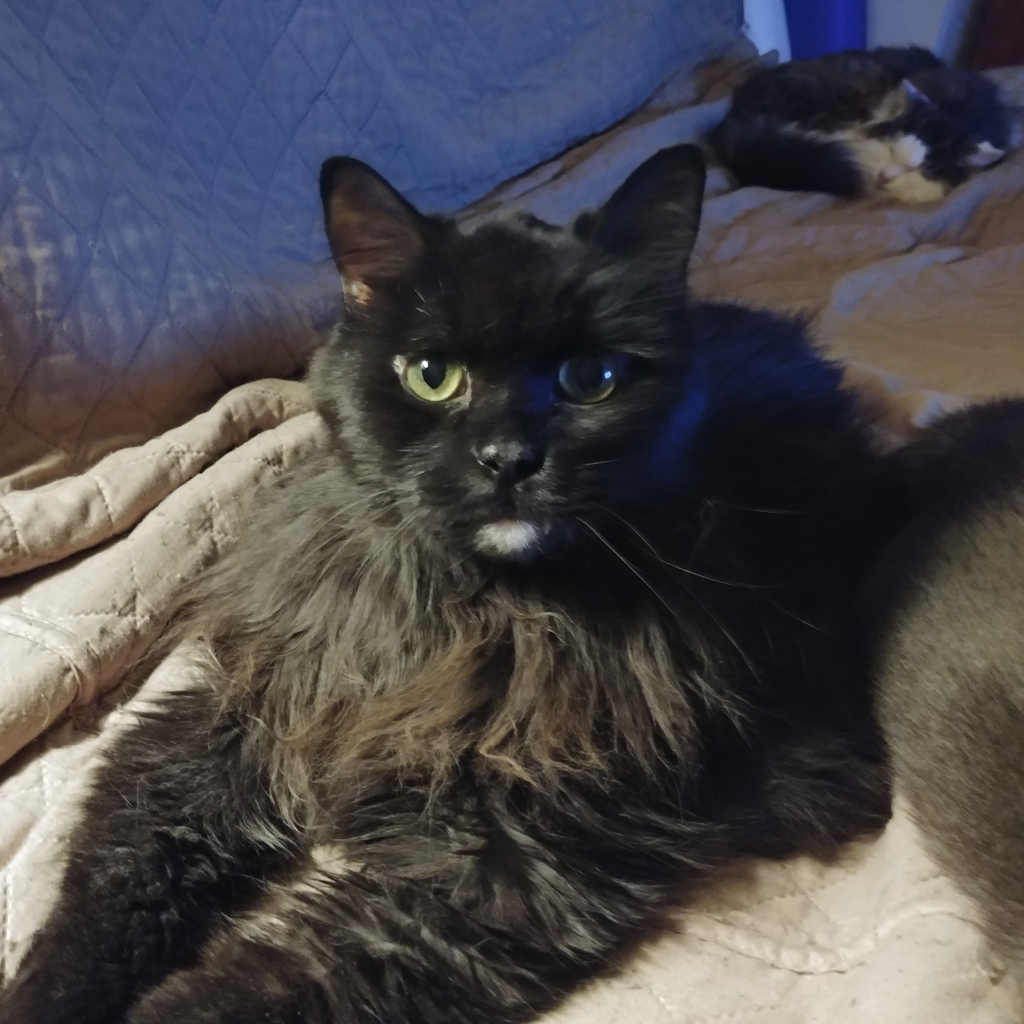 A healthy weight plan is not only measured on the scale. The scale matters, of course, but so does how the pet feels. Is your dog getting up with a little more ease? Is your cat visiting favorite spots again? Is there less hesitation before stairs or jumps? Is your pet more willing to play, groom, stretch, or follow you from room to room?
Small improvements can be deeply meaningful. Sometimes we do not get a dramatic transformation. Sometimes we get a senior pet who stands a little faster, walks a little farther, sleeps more comfortably, or needs less coaxing to move. Those are victories worth noticing.
It can help to keep a simple journal. Write down weight checks, appetite, activity, stiffness, medication changes, and anything unusual. For diabetic pets, combine this with glucose tracking so that food changes and weight loss are monitored safely. Printable charts can be especially helpful when you need to bring clear information to your vet instead of trying to remember everything during an appointment.
It is also important to avoid assuming every mobility problem is caused by weight or arthritis alone. Pain, injury, neuropathy, kidney disease, heart issues, thyroid problems, vision loss, and other conditions can change how pets move. If a pet suddenly limps, stops eating, cries out, hides, collapses, refuses stairs, or seems dramatically worse, that deserves prompt veterinary attention.
Love Is Sometimes Measured in Ounces
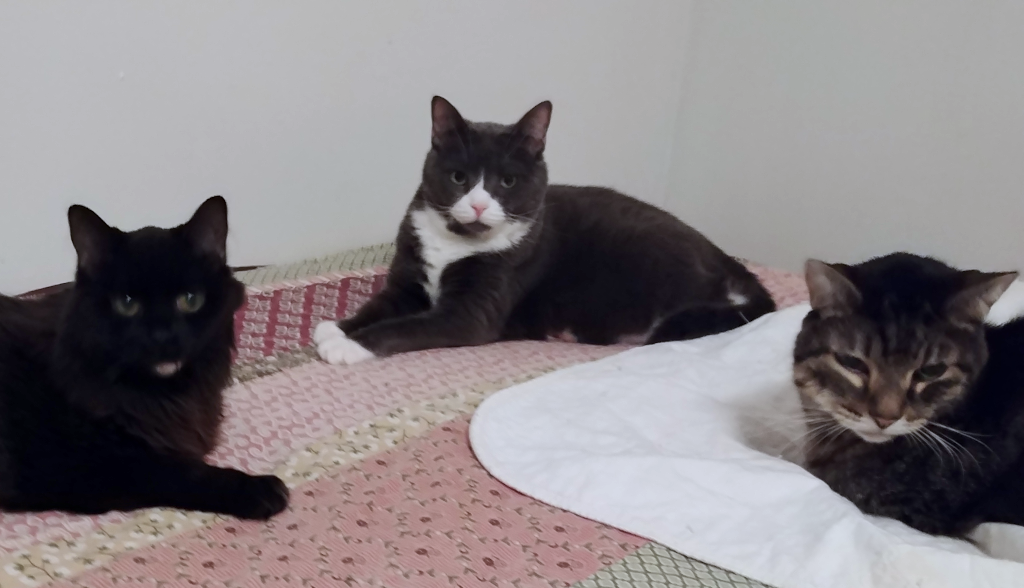 Helping a senior pet lose weight can be emotionally hard. They may beg. They may stare at the bowl. They may act personally betrayed by the new portion size. And because we love them, we may feel cruel. But love is not always giving more. Sometimes love is protecting their joints one measured meal at a time.
For an arthritic pet, weight management is not about appearance. It is about reducing the burden on a body that has already carried them through years of life, loyalty, mischief, naps, routines, and companionship. It is about making each step less costly. It is about preserving independence for as long as possible.
There is something profoundly tender about caring for aging animals. They ask us to pay attention in quieter ways. They may not announce pain loudly. They may simply stop doing things they used to love. When we respond with patience, thoughtful feeding, gentle movement, and a home that supports them, we give them a softer landing in their senior years.
Weight management may not cure arthritis, but it can be one of the strongest defenses we have. It is practical, daily, and deeply loving. Every careful portion, every gentle walk, every low step, every tracked change, and every informed conversation with the vet becomes part of a bigger promise: we are still here, still paying attention, and still doing everything we can to help them feel good in the body they have today.