

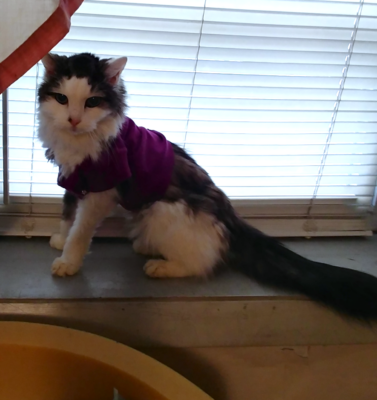
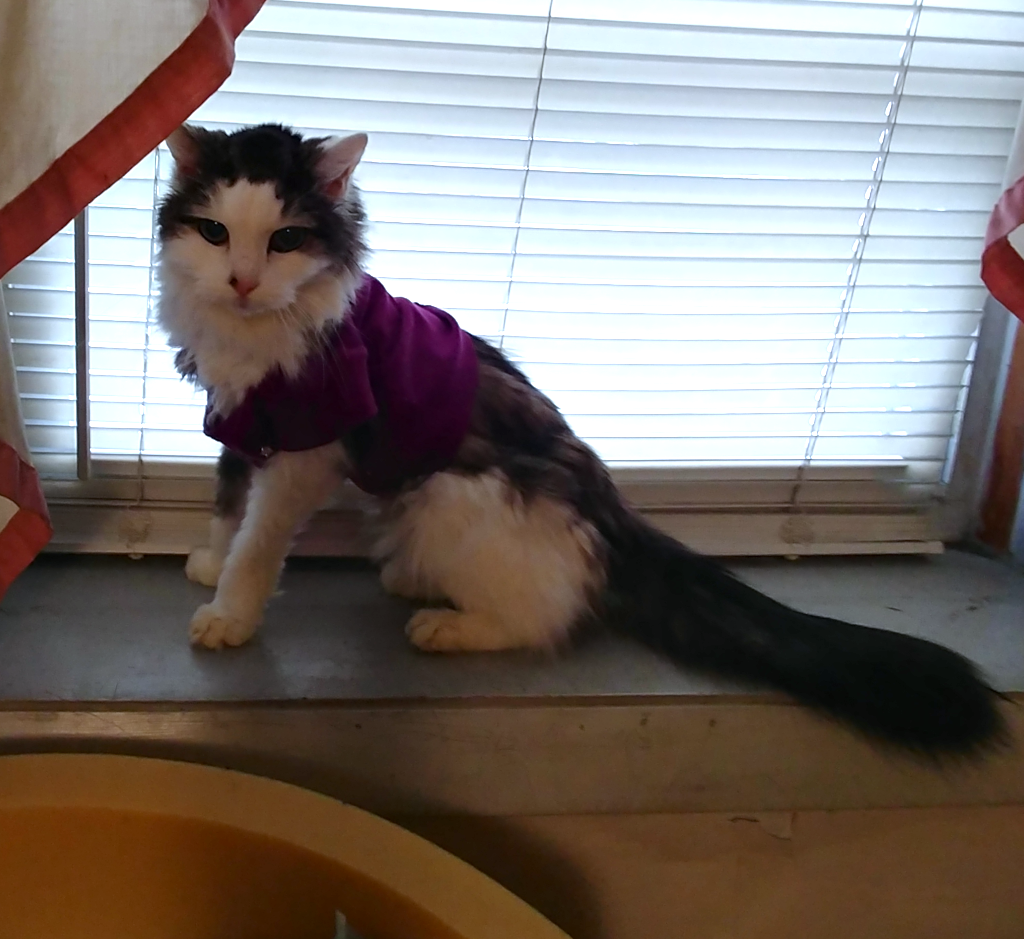
Incontinence is one of those changes that can quietly enter a household and slowly reshape daily life. For many people living with senior pets, it arrives with confusion, worry, and a sense of loss. A pet who once had perfect habits may suddenly have accidents, and it can feel like everything has shifted overnight. The emotional weight of these moments often surprises owners more than the mess itself.
At BellenPaws, we have learned that incontinence does not define a pet, nor does it erase the years of companionship already shared. Aging bodies change, and sometimes those changes show up in ways that are difficult to manage. What matters most is how we respond. With patience, practical adjustments, and compassion, incontinence can be managed in a way that protects both comfort and dignity.
Understanding What Incontinence Really Means
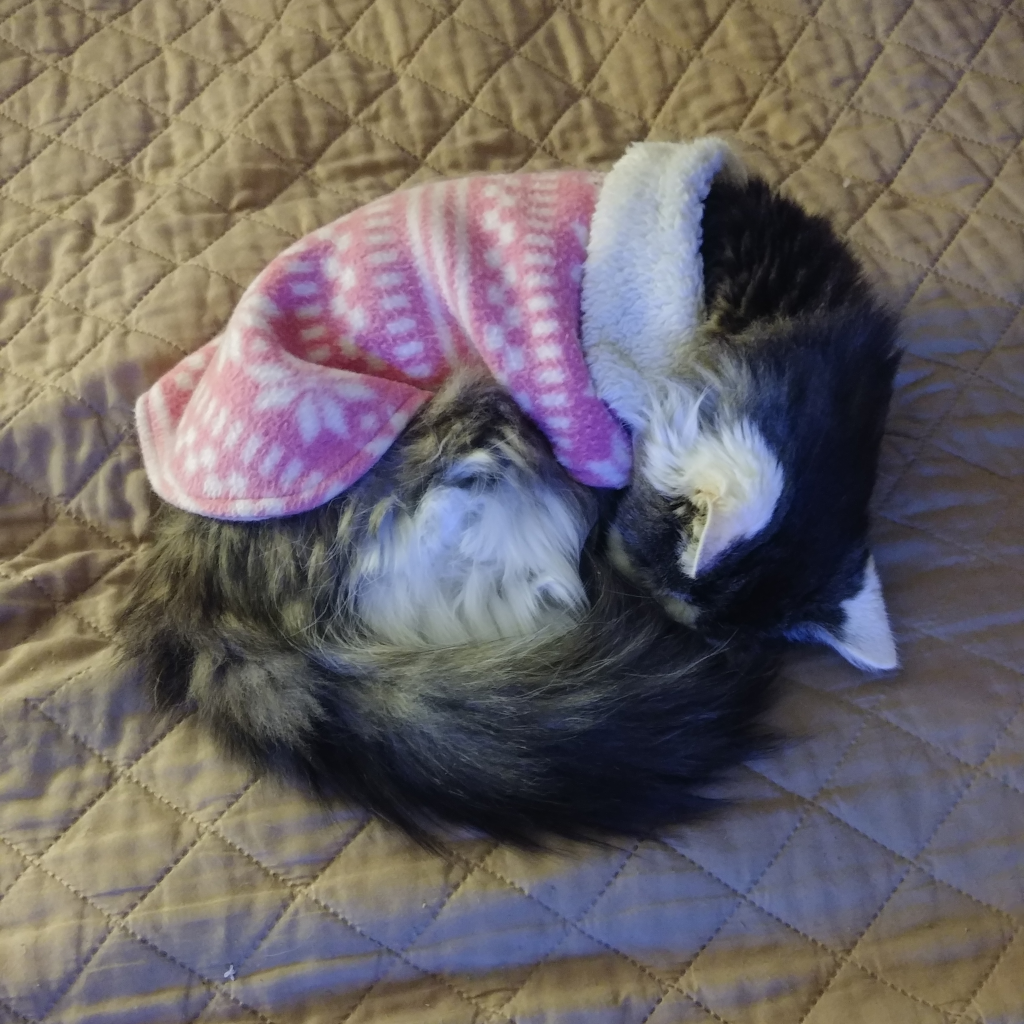 Incontinence is not the same as disobedience or forgetting training. It is a physical issue, not a behavioral one. Senior pets may lose muscle strength, nerve control, or awareness of bodily signals. In some cases, they know they need to go but cannot get there in time. In others, they may not realize an accident has happened at all.
Age-related conditions often play a role. Kidney disease, diabetes, arthritis, hormonal changes, and cognitive decline can all affect bladder or bowel control. Pain or stiffness may prevent a pet from moving quickly, while nerve changes may dull the sensation that once signaled urgency. Understanding this helps shift the mindset from frustration to problem-solving.
Recognizing incontinence as a medical or age-related issue allows owners to focus on solutions instead of blame. That mental shift is often the first and most important step in preserving a pet’s dignity.
The Emotional Side of Accidents
Accidents can be emotionally draining, especially when they happen frequently or at inconvenient times. Many owners feel guilt for becoming frustrated, even when exhaustion sets in. Others worry that their pet feels ashamed or distressed. While animals do not experience embarrassment the way humans do, they are sensitive to tone, body language, and emotional energy.
A calm response makes a difference. Gentle reassurance during cleanup helps pets feel safe, while anger or visible stress can increase anxiety. Over time, anxiety itself can make accidents more frequent. Compassion is not just kind, it is practical.
Owners also deserve compassion. Caring for an incontinent pet can be tiring and isolating. Acknowledging that reality does not mean you love your pet any less. It simply means you are human.
Creating a Supportive Daily Routine
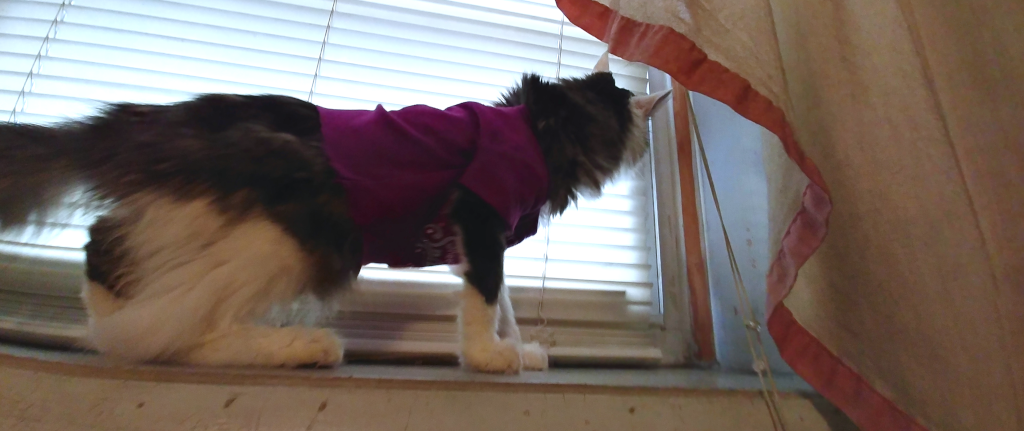 Routine is one of the most effective tools for managing incontinence. Predictable schedules reduce uncertainty for both pets and people. Senior dogs often benefit from more frequent bathroom breaks, even if those breaks are shorter. Giving them fewer chances to reach a full bladder can significantly reduce accidents.
For cats, routine centers around litter box access and cleanliness. Keeping boxes clean and familiar helps prevent confusion. Sudden changes in box location or litter type can increase stress, especially for older cats. Consistency builds confidence. When pets know what to expect, their bodies often respond more reliably, even when control is imperfect.
Making the Home Easier to Navigate
Mobility plays a larger role in incontinence than many owners realize. Arthritis, weakness, or balance issues can make it difficult for pets to reach their usual bathroom spots. A dog that once hurried to the door may now hesitate because the trip is painful. A cat may avoid a litter box if climbing into it strains stiff joints.
Simple adjustments can make a big difference. Adding ramps, using litter boxes with lower sides, or placing additional boxes around the home can reduce accidents. For dogs, keeping pathways clear and doors easy to reach helps them succeed. These changes are not signs of giving up. They are signs of adapting, and they often restore a sense of independence for senior pets.
Protective Products Without Shame
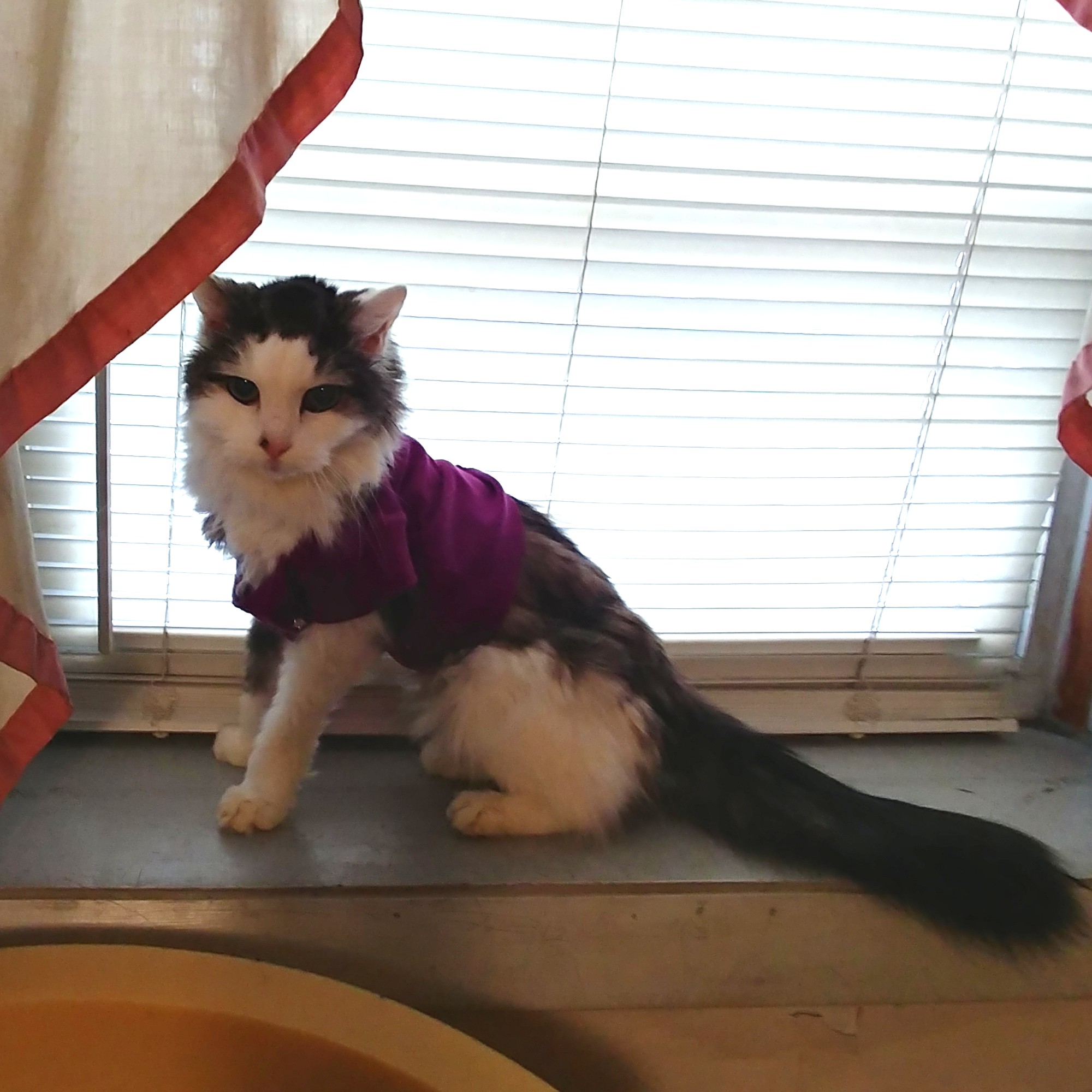 Protective products can help manage incontinence while keeping pets comfortable. Washable pads, waterproof mattress covers, and absorbent bedding protect floors and furniture without restricting a pet’s movement. These items also reduce stress for owners, which benefits everyone involved.
For dogs, belly bands or diapers can be helpful, particularly overnight or during longer periods indoors. Fit is essential. Products that are too tight or too loose can cause discomfort or irritation. These tools should support routines, not replace them.
For cats, some owners find success using puppy pads in familiar areas, especially when mobility or cognitive issues are present. This approach works best when paired with patience and observation.
Skin Care and Physical Comfort
Maintaining skin health is an important but often overlooked part of managing incontinence. Moisture left on the skin can lead to irritation, sores, or infections. Gentle cleaning after accidents helps prevent discomfort and protects sensitive areas.
Using warm water or pet-safe wipes avoids harsh chemicals that can dry out the skin. Thorough drying afterward is just as important as cleaning. Some pets may benefit from protective balms recommended by a veterinarian, especially if irritation becomes frequent. Comfort is central to dignity. When pets feel physically cared for, they are more relaxed and secure.
Special Considerations for Diabetic Pets
Pets with diabetes often urinate more frequently due to increased water intake. This makes incontinence more likely, even when management is otherwise stable. Tracking patterns can help owners understand when accidents are most likely to happen.
Glucose tracking tools and printable forms allow owners to see trends over time. These patterns can reveal connections between blood sugar changes and incontinence episodes. Having clear records also makes conversations with veterinarians more productive. Managing diabetes is a daily commitment, and incontinence is sometimes part of that journey. Structure, observation, and flexibility go a long way in maintaining comfort.
Navigating Nighttime Challenges
 Nighttime accidents are especially difficult for many owners. Pets may sleep deeply and miss the signals that would normally wake them. Creating a protected sleeping area with washable bedding can reduce stress for everyone involved.
Establishing a bedtime routine helps. A final bathroom break before sleep and an early morning trip can reduce overnight issues. While this does not eliminate accidents entirely, it often lowers their frequency. Waking up to an accident can feel discouraging, but calm responses matter. Senior pets rely on familiar routines and gentle reassurance, especially during vulnerable moments.
Preserving Dignity Through Compassion
Dignity is not about avoiding accidents. It is about how pets are treated when accidents happen. Gentle voices, steady routines, and continued affection send a clear message that nothing has changed in terms of love and belonging.
Each pet responds differently to management strategies. Some tolerate protective products well, while others need time to adjust. Paying attention to comfort and emotional responses shows respect for their individuality.
When incontinence is paired with pain, confusion, or withdrawal, it may signal a larger change in health. Ongoing communication with a veterinarian remains important, even as owners manage day-to-day care at home.
You Are Not Alone in This
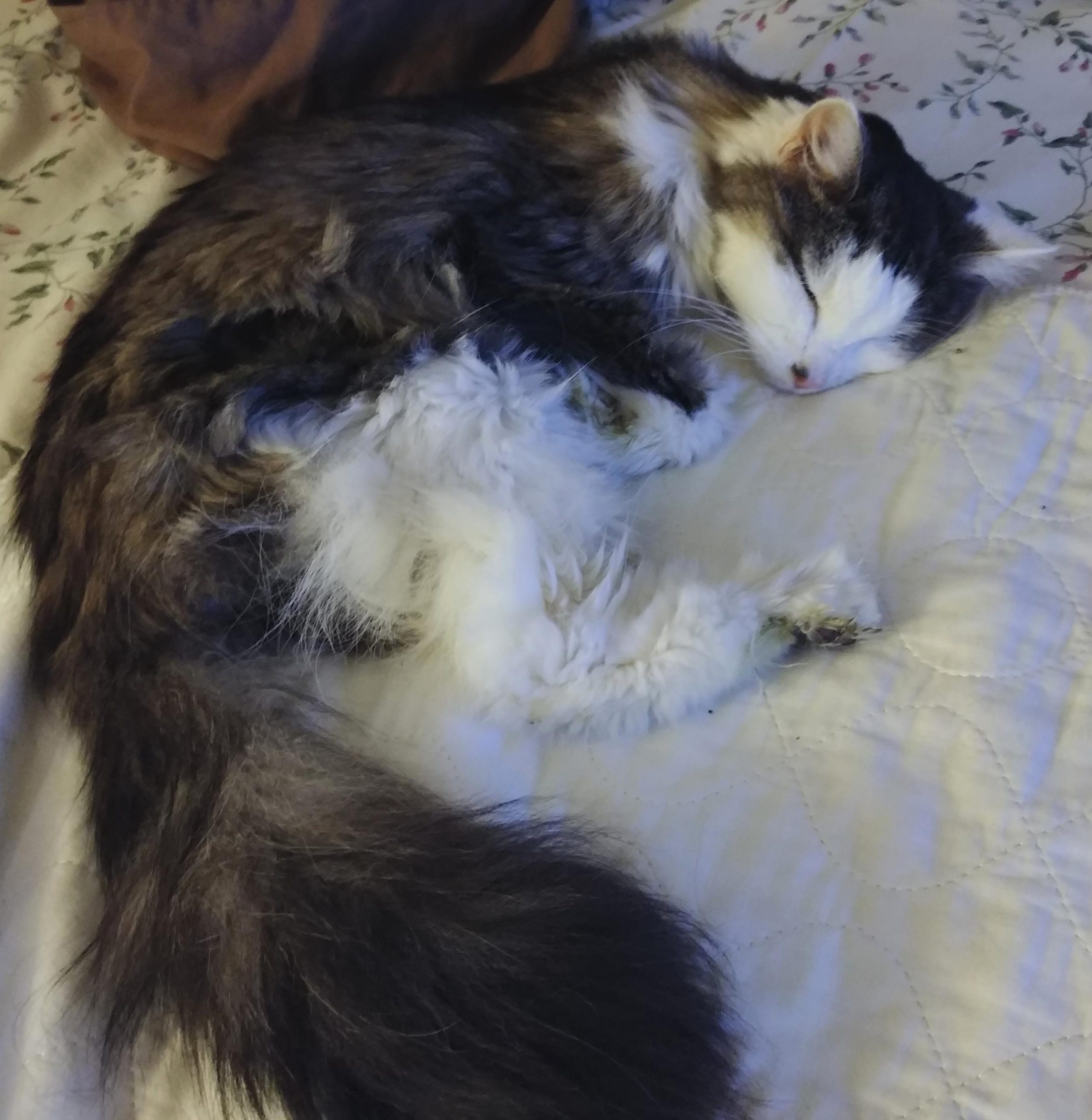 Incontinence is far more common among senior pets than many people realize. Talking openly about it helps remove stigma and isolation. Sharing experiences reminds owners that they are not failing. They are adapting.
Senior pets give us years of loyalty, trust, and companionship. Managing incontinence is one way we return that devotion when they need us most. It is not glamorous work, but it is meaningful.
At BellenPaws, we believe that aging pets still have value, personality, and love to give. Incontinence is one chapter in a long story, not the end of it. With patience, preparation, and compassion, it is possible to navigate this stage with dignity and comfort for both pets and the people who love them.