

When we talk about kidney support for senior pets, our minds often jump straight to food, water bowls, medications, lab work, and vet appointments. Those things matter deeply, of course. Anyone who has loved a senior cat or dog through kidney changes knows how much time can be spent watching appetite, checking hydration, measuring litter box habits, and trying to understand every small shift in behavior. But there is another piece of kidney care that can be easy to overlook: stress.
Stress does not cause every kidney problem, and a calm home cannot replace veterinary care. But for an aging pet whose body is already working harder than it used to, stress can become one more burden. It can affect appetite, drinking habits, sleep, blood pressure, blood sugar stability, litter box routines, and the willingness to move around the house. For pets already dealing with kidney disease, dehydration risks, high blood pressure, or diabetes, those little changes can matter.
A stress-free environment is not about creating a silent, perfect home where nothing ever changes. Real homes have doorbells, vacuums, visitors, storms, medication schedules, other pets, and humans who occasionally drop a pan in the kitchen. The goal is gentler than that. It is about helping our senior pets feel safe, predictable, and supported so their bodies are not constantly bracing for the next surprise.
Why Stress Matters More as Pets Age
 Senior pets often become less flexible with change. A young cat may bounce back quickly after a noisy afternoon or a moved food bowl. An older cat with kidney disease may hide for hours, skip a meal, and drink less water. A younger dog may tolerate a busy household with excitement. An older dog may become restless, pant more, pace more, or sleep poorly afterward.
As pets age, their bodies have fewer reserves. The kidneys help regulate hydration, filter waste, and support balance within the body. When a pet is stressed, the body can respond in ways that quietly complicate that balance. Some pets eat less. Some drink less. Some avoid the litter box if another pet is nearby. Some hold urine longer because the path outside or to the litter area feels unsafe. Some become more tense, which can affect rest and recovery.
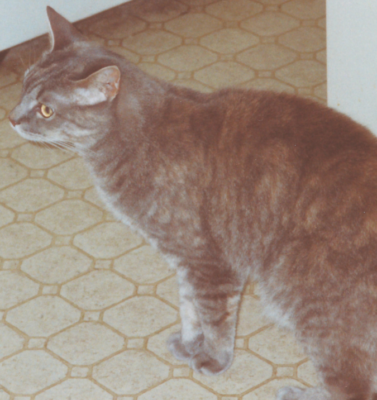
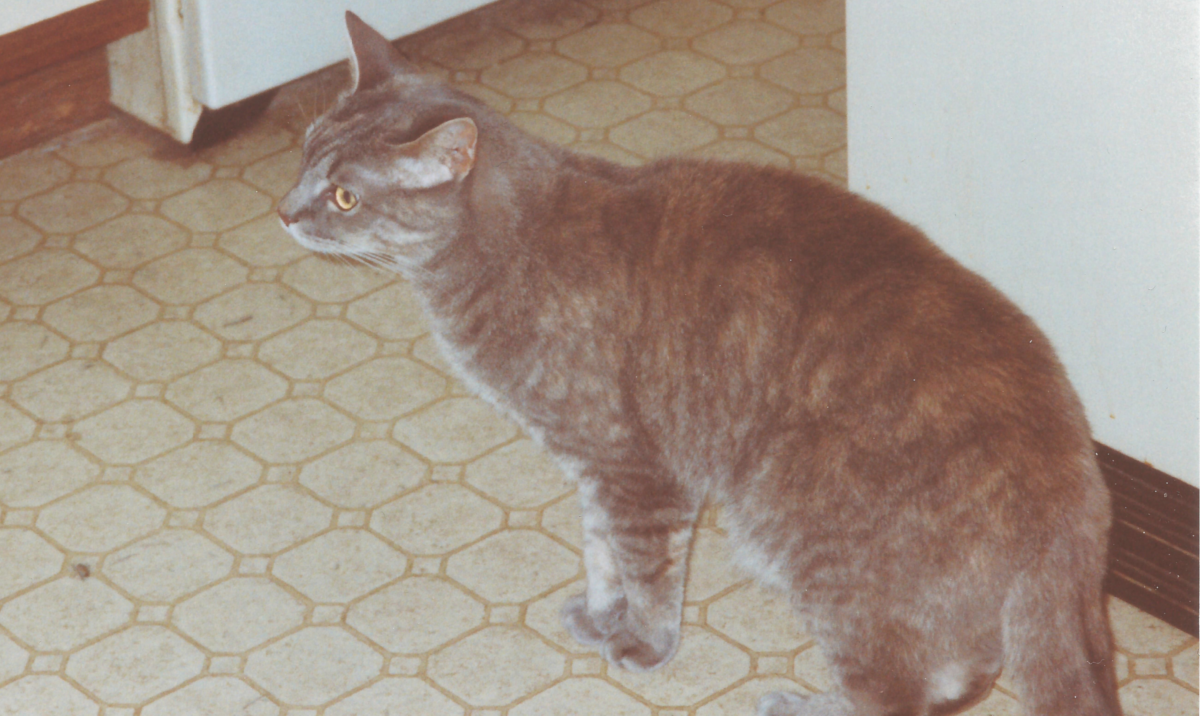
We saw this kind of sensitivity in different ways with our senior cats over the years. Belle, one of the founding hearts behind BellenPaws, dealt with kidney disease, dehydration concerns, high blood pressure, and other senior health challenges. With her, we learned that comfort was not a luxury. It was part of care. A quiet place to rest, easy access to water, and a predictable routine helped her feel more secure on days when her body was asking for extra patience.
That is the thing about kidney support. It is rarely just one grand decision. It is often a collection of small, loving choices repeated every day. Where the water bowl sits. How loud the room is. Whether the pet can get to the litter box without being ambushed by another animal. Whether medication time feels like a battle or a calm routine. These details may seem small to us, but to an aging pet, they can shape the whole day.
Building Safety Into the Home
The first step in reducing stress is looking at the home from your pet’s point of view. We know the house is safe because we understand it. Our pets experience it through sound, scent, routine, access, and body comfort. A senior cat with stiff joints may see a high-sided litter box as a challenge. A dog with sore hips may see slippery floors as a hazard. A pet with kidney issues may want water often, but may not want to cross a busy room to get it.
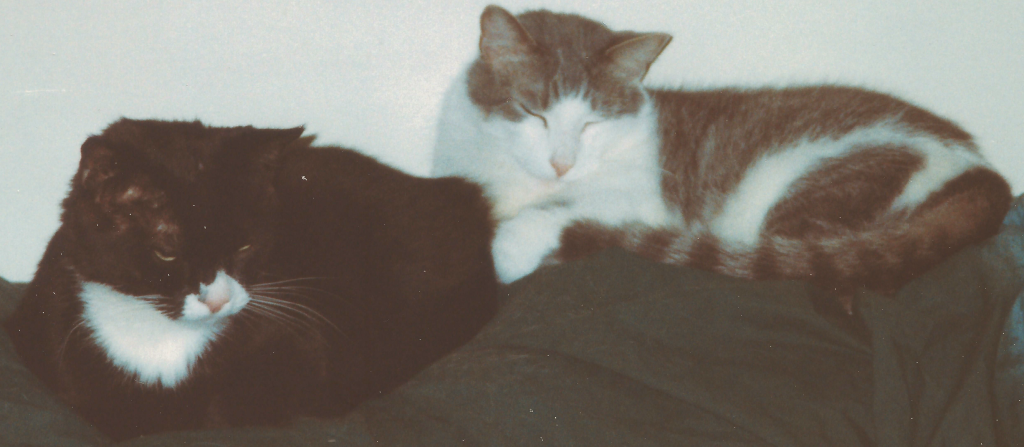 For cats, safety often means having options. A quiet resting spot away from traffic can make a huge difference. This might be a soft bed in a low-traffic room, a warm blanket near a favorite window, or an easy-access perch that does not require a painful leap. Senior cats should not have to compete for food, water, or litter box access. If there are multiple cats in the home, spreading resources around the house can reduce tension without anyone needing to “win” a territory dispute.
For dogs, safety may look more like stability and easy movement. Rugs or runners on slick floors can help an older dog feel confident walking to water, food, or the door. A supportive bed in a calm area can improve rest. If a dog is drinking more because of kidney disease or another condition, easy outdoor access or more frequent potty breaks can prevent discomfort and accidents. A pet who is worried about making a mistake may become even more stressed, so compassion matters here.
Water access deserves special attention. Pets with kidney concerns often need encouragement to stay hydrated, but stress can interfere with drinking. Water bowls should be easy to reach, clean, and placed where the pet feels safe. Some cats prefer water away from food. Some prefer a fountain. Some senior pets prefer a shallow bowl because it is easier on their whiskers or posture. The best setup is the one your pet actually uses.
A peaceful environment also means reducing conflict between pets. Even subtle tension can change behavior. One cat blocking a hallway may stop another from reaching the litter box. A younger dog crowding an older dog’s food area may make meals stressful. We may not see a dramatic fight, but our senior pets may still feel pressured. Creating separate feeding spaces, multiple water stations, and quiet resting zones can reduce that invisible strain.
Routine Is Comfort, Not Boredom
For senior pets, routine can feel like a promise. Breakfast comes at the same time. Medication happens gently in the same familiar way. The favorite blanket stays where it belongs. The water bowl is always there. The litter box does not suddenly move across the house. These patterns help pets relax because they do not have to keep guessing.
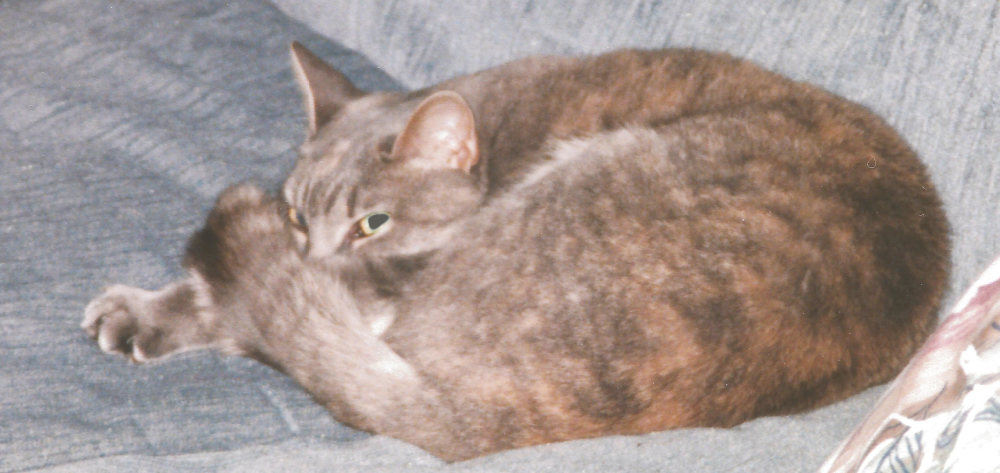 This is especially important for diabetic pets or pets with overlapping health concerns. With Bentley, who receives insulin twice a day, we know how important consistency can be. The rhythm of meals, shots, monitoring, and quiet observation becomes part of the household flow. When a pet has both age-related needs and medical routines, calm structure can make care feel less frightening for everyone involved.
That does not mean every day has to be rigid. Life happens. Vet appointments happen. People visit. Schedules shift. The point is to create enough predictability that your pet has a stable foundation. If something must change, changing it gradually can help. Move a bed a little at a time. Introduce a new food slowly with veterinary guidance. Let a new water fountain sit unplugged for a bit before expecting a cautious cat to trust it.
Medication and treatment routines are another major stress point. Many pets with kidney disease may need fluids, blood pressure medication, appetite support, nausea medication, or other care prescribed by a veterinarian. If every treatment becomes a wrestling match, both pet and owner can become anxious. Sometimes a small adjustment helps, like using a calmer room, preparing supplies ahead of time, offering a favorite treat afterward if allowed, or asking your vet about different medication forms.
It is also okay to admit when something is hard. Loving a senior pet through kidney disease can be emotionally heavy. You may find yourself watching the water bowl too closely, worrying over every skipped bite, or feeling guilty when your pet has a bad day. A calmer environment helps the pet, but it helps the caregiver too. When the home routine becomes more peaceful, care often feels less like crisis management and more like partnership.
Reducing Noise, Pressure, and Overstimulation
Some pets become more sensitive to noise as they age. Others lose hearing and become startled more easily because they do not hear people approaching. A pet with vision changes may feel vulnerable in a busy room. A pet who does not feel well may simply want fewer demands placed on them.
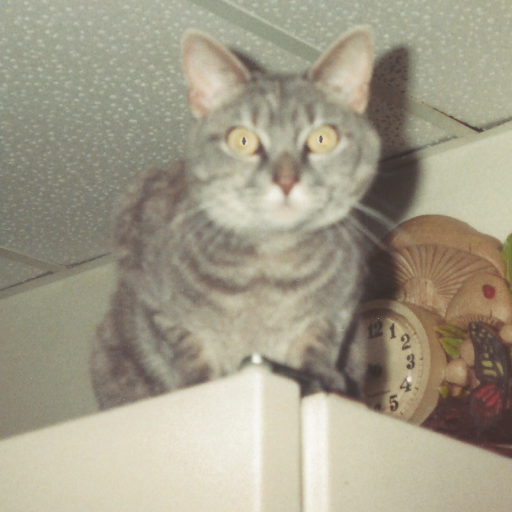 Reducing stress does not require everyone in the house to whisper all day. It may be as simple as giving your pet a retreat during loud chores, closing a door during vacuuming, or setting up a cozy space away from gatherings. During storms or fireworks, a familiar room with bedding, water, and soft background noise may help. Some pets benefit from calming music or white noise. Others prefer silence. Your pet’s behavior will usually tell you what feels best.
Visitors can be another source of pressure. Many people love animals and want to greet them immediately, but senior pets may not want that attention. A kidney-compromised pet who is tired or nauseated may not appreciate being picked up, crowded, or followed. Giving pets permission to opt out is one of the kindest things we can do. Let them approach if they want to. Let them rest if they do not.
For cats, hiding is not always a problem to eliminate. Sometimes it is a coping tool. The key is making sure hiding places are safe, accessible, and not so remote that you cannot monitor appetite, breathing, or comfort. For dogs, stress may look like clinginess, pacing, panting, licking, trembling, or refusing to settle. Instead of scolding the behavior, it helps to ask what the dog may be trying to communicate.
The emotional tone of the home matters too. Pets are incredibly tuned in to us. If every meal becomes a worried inspection, every litter box trip becomes a dramatic event, and every medication time begins with dread, our pets can pick up on that tension. This does not mean we should pretend everything is fine. It simply means approaching care with as much gentleness as possible. Slow hands. Soft voices. Prepared supplies. Breaks when needed.
Supporting the Body Through Gentle Daily Care
A stress-free environment supports kidney health indirectly by making good habits easier. A pet who feels safe is more likely to drink, eat, rest, eliminate normally, and accept care. These are not small victories. For a senior pet with kidney strain, they are the daily building blocks of comfort.
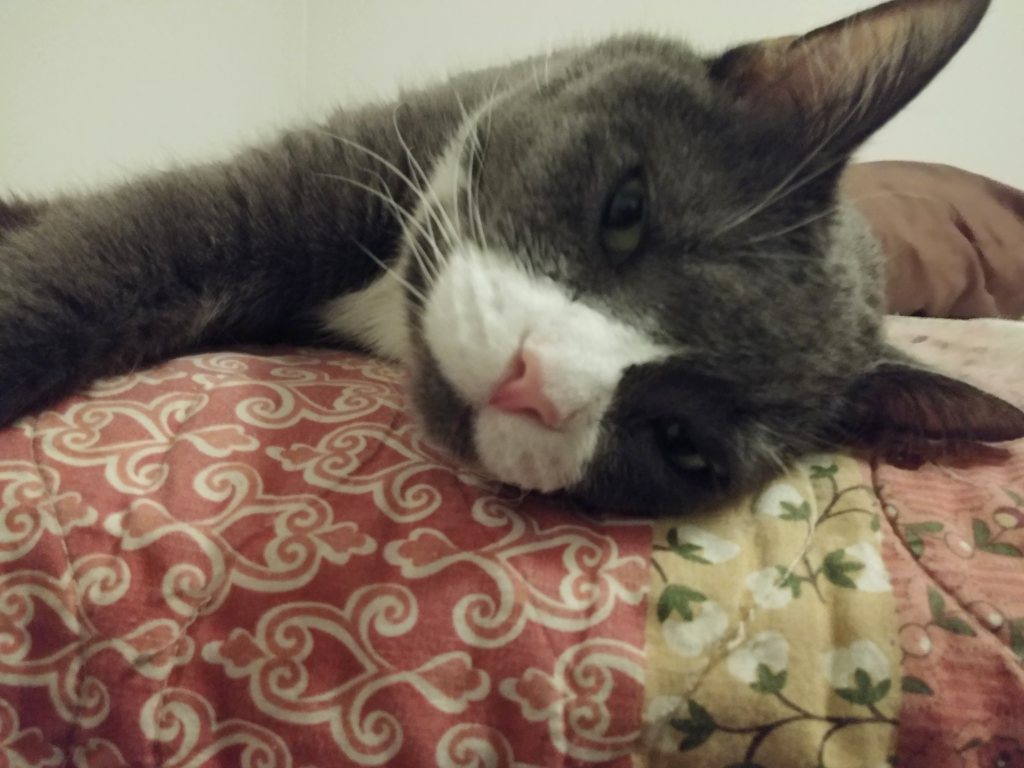 Hydration is one of the biggest areas where environment can help. Multiple water stations can encourage drinking, especially for cats who do not like traveling far. Wet food, if recommended by your vet, may support moisture intake. Fountains can help some cats drink more, but they should be cleaned regularly. Dogs may benefit from fresh water in more than one room, especially if stairs are difficult.
Litter box and potty comfort also matter. For cats, low-entry litter boxes can help seniors with arthritis or weakness. Keeping boxes clean reduces avoidance. Placing boxes in quiet, accessible locations can prevent stress-related accidents. For dogs, more frequent outdoor breaks can reduce discomfort, especially if kidney disease causes increased urination. If accidents happen, punishment only adds fear. Cleanup and adjustment are far more helpful.
Monitoring should be calm and practical. Watch for changes in appetite, thirst, urination, weight, energy, vomiting, bad breath, mouth discomfort, hiding, or confusion. These signs do not automatically mean something terrible is happening, but they are worth discussing with a veterinarian, especially in a senior pet. Kidney disease can shift over time, and early communication with your vet can make a real difference.
For pet parents managing diabetes alongside senior care, tracking can reduce stress because it turns scattered worry into organized information. On BellenPaws, we offer free tools like an online pet diabetes tracker with printable charts and tables for vets, along with printable glucose curve forms. Even when the topic is kidney support, organized notes about water intake, appetite, weight, medications, and behavior can help you have clearer conversations with your vet.
A Peaceful Home Is an Act of Love
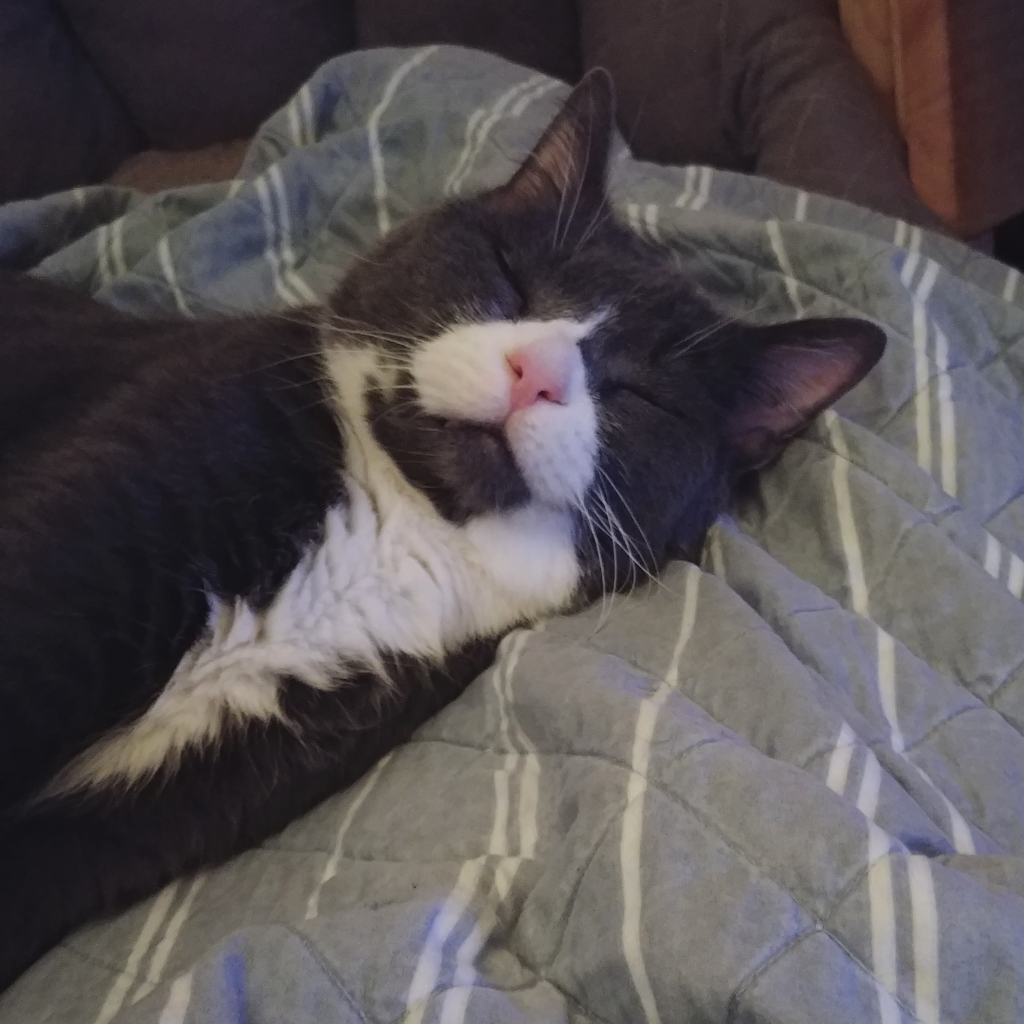 Creating a stress-free environment for a pet with kidney concerns is not about perfection. It is about paying attention. It is noticing that the water bowl in the hallway is not being used, but the one near the sunny room is. It is realizing that the litter box is technically available, but not comfortable. It is choosing to make medication time slower and kinder. It is giving an aging pet more softness, more patience, and more control over their day.
Kidney disease and renal strain can make pet parents feel helpless at times. There are parts of the journey we cannot fully control. We cannot turn back the clock. We cannot make every lab value perfect through love alone. But we can shape the environment around our pets. We can reduce unnecessary stress. We can make the path to water easier. We can protect rest. We can soften the hard edges of daily care.
Senior pets do not ask for much in complicated words. They ask through habits, glances, appetite, posture, and trust. When we listen closely, we often find that comfort is built from simple things: a clean bowl, a quiet room, a warm bed, a gentle hand, and a routine that says, “You are safe here.”
For pets facing kidney strain, that safety matters. It supports the body, but it also supports the bond. And in the end, that bond is what carries us through the difficult days, the careful routines, and the quiet moments when our old friends remind us that love is often found in the smallest adjustments.