
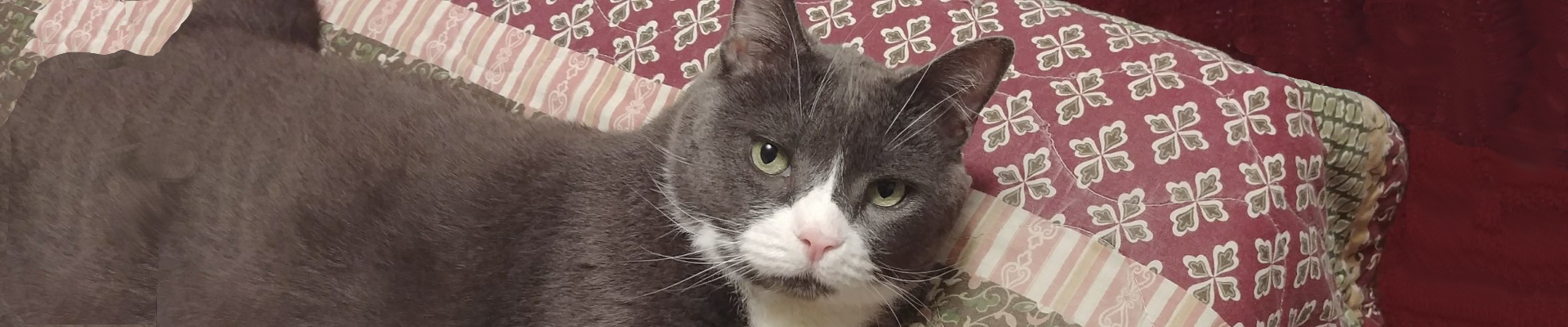
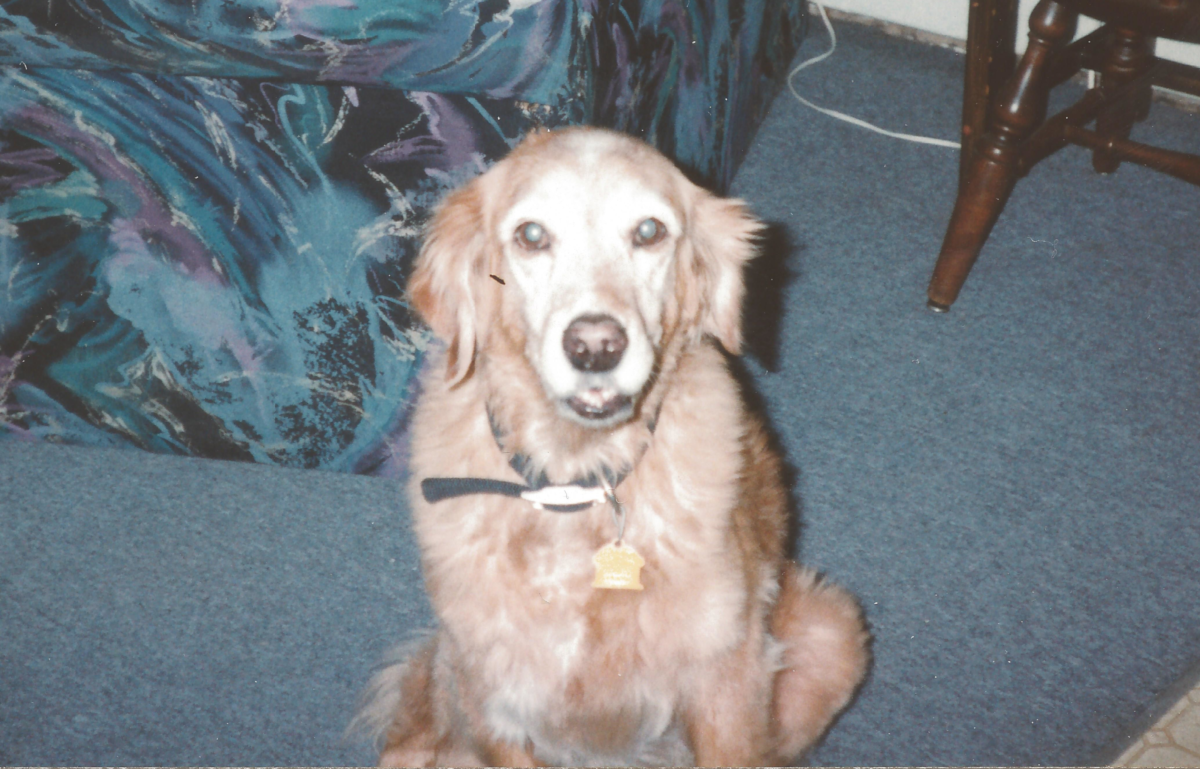
There is a certain look older pets give us when their bodies start changing. They still want to be part of the day. They still want to follow us from room to room, greet us in the kitchen, climb into a favorite chair, or wander over to the sunny patch on the floor. But somewhere along the way, the movement becomes slower. The leap becomes a pause. The walk down the hallway becomes a little more careful. For pet parents, that shift can tug hard on the heart.
Stiff joints are one of those aging changes that can sneak up gradually. At first, we may notice a dog taking longer to stand after a nap, or a cat hesitating before jumping onto the couch. Some pets become less playful. Others still try to do everything they used to do, but pay for it later with soreness or extra rest. The goal with gentle exercise is not to push an aging pet back into their younger body. It is to help the body they have now keep moving in a safe, steady, loving way.
I have always believed that movement matters, but comfort matters more. A senior pet does not need a hard workout routine. They need small, thoughtful habits that keep their muscles engaged, their joints lubricated, and their confidence intact. That means choosing exercise that feels like care, not pressure. It also means watching the pet in front of us instead of following a rigid plan.
Why Gentle Movement Helps Aging Joints
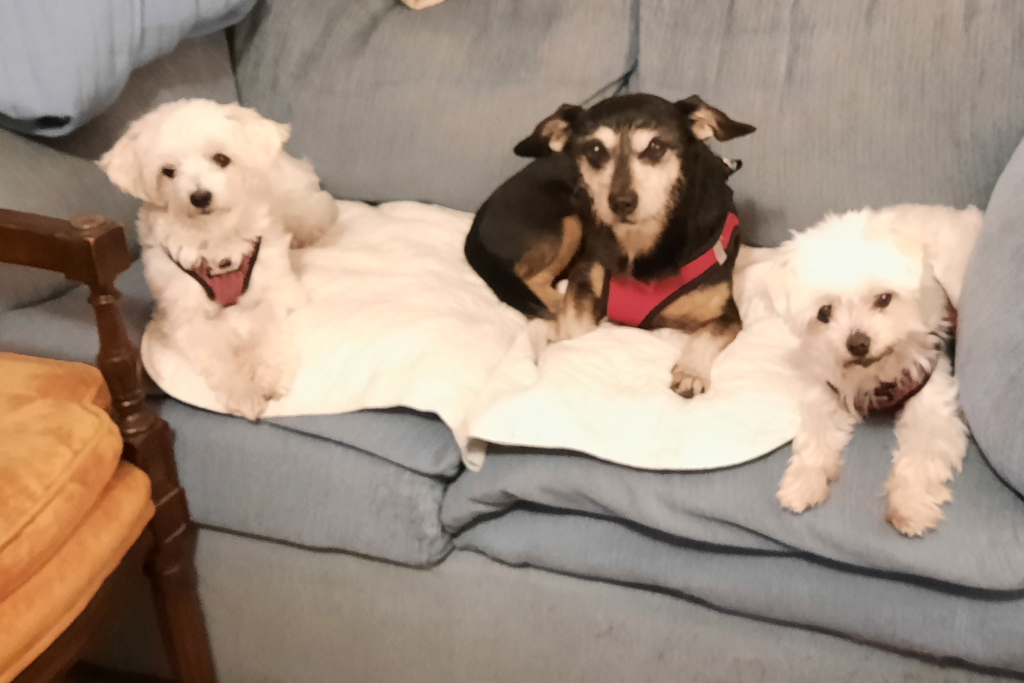 When joints get stiff, it can be tempting to let a pet rest as much as possible. Rest is important, especially during painful flare-ups, but too much stillness can make stiffness worse. Muscles can weaken when they are not used. Weak muscles offer less support to the joints. Then movement becomes harder, which can lead to even less activity. It becomes a quiet little cycle that many senior pets fall into.
Gentle exercise helps break that cycle. Slow, regular movement encourages circulation and helps keep the body from tightening up. It can also help maintain balance, coordination, and muscle tone. For dogs, this might mean short walks that are more about sniffing than distance. For cats, it might mean a few minutes of slow play or encouraging them to move through the house in ways that do not require big jumps.
The key word is gentle. Senior pets are not trying to win a race. They are trying to preserve independence. That independence may look like being able to stand more easily, step into a litter box comfortably, walk to the water bowl, or climb a low ramp to a favorite resting place. Those little victories matter. They are part of quality of life.
With our older cats, I learned that exercise often has to be disguised as routine. A cat with stiff joints may not appreciate being “exercised,” but they may be willing to follow us to the kitchen, stroll toward a treat, or bat at a toy for a few lazy swipes. A senior dog may not want a long walk anymore, but they may still love a slow trip down the driveway to sniff the air. When we stop measuring exercise by distance or intensity, we start seeing how much small movement can still help.
Starting Where Your Pet Is Today
Before beginning any new exercise routine, it is wise to talk with your veterinarian, especially if your pet has arthritis, diabetes, heart disease, kidney disease, obesity, or any condition that affects stamina. A vet can help you understand what kind of movement is safe and whether pain management, supplements, weight support, or physical therapy may be needed. As pet parents, we can observe and support, but we should not try to diagnose pain or force exercise through it.
The best starting point is your pet’s current comfort level. If your dog can only walk for five minutes before slowing down, five minutes may be the right routine for now. If your cat only wants to play for thirty seconds, that still counts. The aim is to build consistency, not exhaustion. A good gentle exercise session should leave your pet looking relaxed, not wiped out.
Warm-ups matter for stiff pets. For a dog, the first few minutes of a walk should be slow and easy. Let them sniff, stretch, and find their rhythm. For a cat, movement may begin simply by encouraging them to stand, walk a short distance, or follow a toy along the floor. Avoid sudden bursts, sharp turns, slippery floors, or jumping games that can strain sore joints.
It also helps to notice the time of day when your pet moves best. Some seniors are stiff first thing in the morning but loosen up later. Others have more energy before dinner or after medication has had time to work. Bentley, our diabetic cat, has taught us how important rhythm is in a care routine. His world revolves around meals, glucose checks, insulin, and calm observation. That same idea applies beautifully to stiff joints. A predictable routine can make movement less stressful because the pet knows what to expect.
Gentle Routines for Dogs and Cats
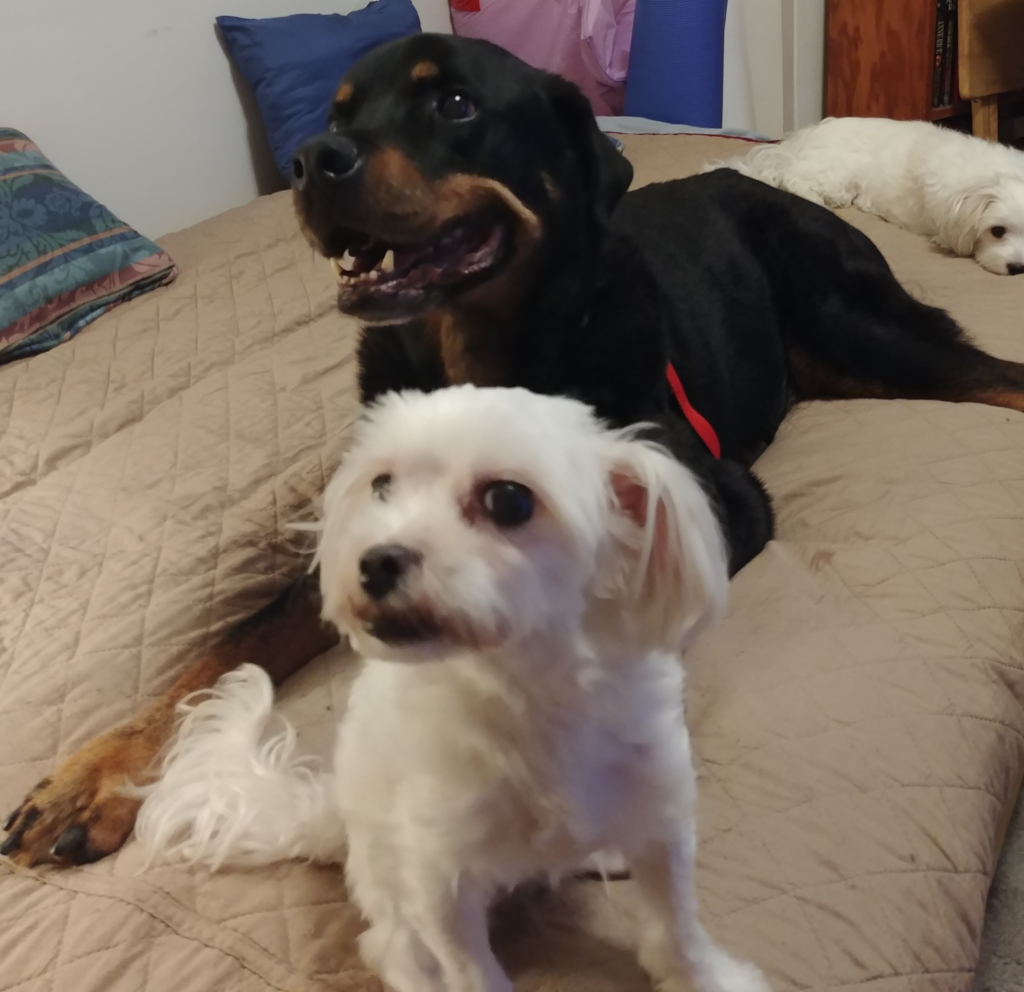 For dogs, short walks are often the foundation of joint-friendly movement. Instead of one long walk that may leave them sore, many senior dogs do better with two or three shorter outings. A ten-minute stroll on level ground can be more helpful than a longer walk over hills or uneven terrain. Let the pace belong to the dog. Sniffing is not wasted time. It is mental enrichment, and for many seniors, that relaxed pace keeps the walk enjoyable.
Inside the house, simple movement can help too. Walking slowly from room to room, stepping carefully over a low object, or standing for a few moments while being brushed can gently engage muscles. Some dogs enjoy slow treat searches, where a few small treats are placed nearby to encourage easy walking and sniffing. The idea is to create motion without making it feel like a drill.
Cats need a different approach because most cats will not respond well to being marched through an exercise plan. Floor-based play is usually safer for stiff cats than jumping or chasing toys up furniture. Wand toys can be moved slowly along the floor, giving the cat a chance to stalk, paw, and stretch without leaping. Soft balls, crinkle toys, or treat puzzles can encourage mild movement. Even placing food, water, beds, and favorite resting spots in ways that invite gentle walking can support mobility.
For cats who still want vertical space, ramps, pet stairs, and low platforms can make a huge difference. The goal is not to take away their favorite places, but to make those places easier to reach. A stiff cat may stop using a beloved window perch if the jump becomes painful. Add a stable step or ramp, and suddenly that little piece of joy is available again.
Stretching should be handled carefully. Some pets naturally stretch after getting up, and that is wonderful. But forcing a limb into a stretch can hurt, especially if there is arthritis or an old injury. If stretching or massage seems helpful, ask your vet or a qualified pet physical therapist to show you safe techniques. A gentle hand can comfort, but guessing with sore joints is not worth the risk.
Reading the Signs and Respecting Limits
One of the most loving things we can do is learn when to stop. Pets do not always cry out when they hurt. Many hide discomfort, especially cats. Watch for slower movement, lagging behind, panting that seems unusual, trembling, limping, reluctance to continue, irritability, or hiding after activity. A pet that seems fine during exercise but struggles later may be doing too much.
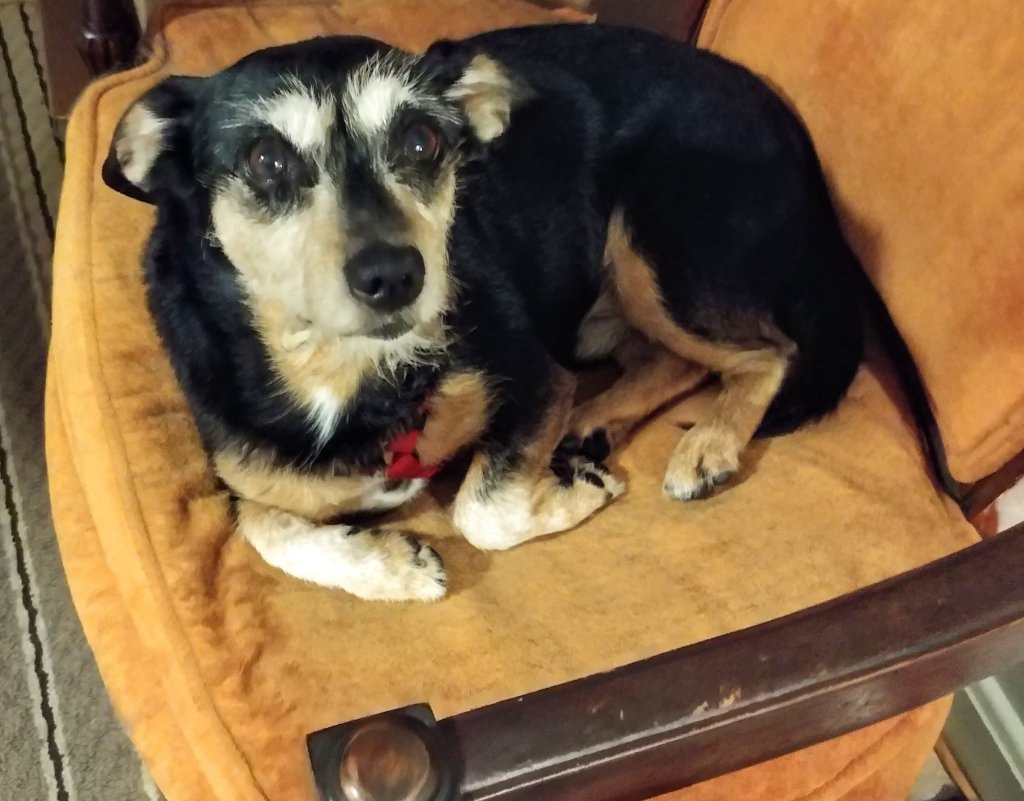 The “next day test” is useful. If your pet moves worse later that evening or the next morning, the routine may need to be shorter or easier. Senior pets often tell us the truth after the excitement is over. They may push themselves in the moment because they love being with us, but their body may complain afterward.
Surfaces matter more than many people realize. Slippery floors can make stiff pets tense their bodies to avoid sliding. That tension can add strain. Rugs, yoga mats, carpet runners, and non-slip steps can help pets move more confidently. For dogs, harnesses may provide better support than collars during slow walks, especially if they need help staying steady. For cats, low-entry litter boxes can reduce joint stress from climbing in and out.
Weight also plays a role in joint comfort. Extra weight can make every step harder, especially for pets with arthritis or weakness. This is not about blame. Many senior pets gain weight because they slow down, and many health conditions complicate the picture. Gentle exercise works best alongside thoughtful feeding and veterinary guidance. Even a small improvement in weight can sometimes make movement easier.
Pain control should never be ignored. If a pet avoids movement because it hurts, exercise alone is not the answer. Your vet may recommend medication, joint support, physical therapy, laser therapy, or other options depending on your pet’s health. Never give human pain medications unless a veterinarian specifically instructs you to do so. Many common human medications are dangerous for dogs and cats.
Keeping Movement Loving, Not Stressful
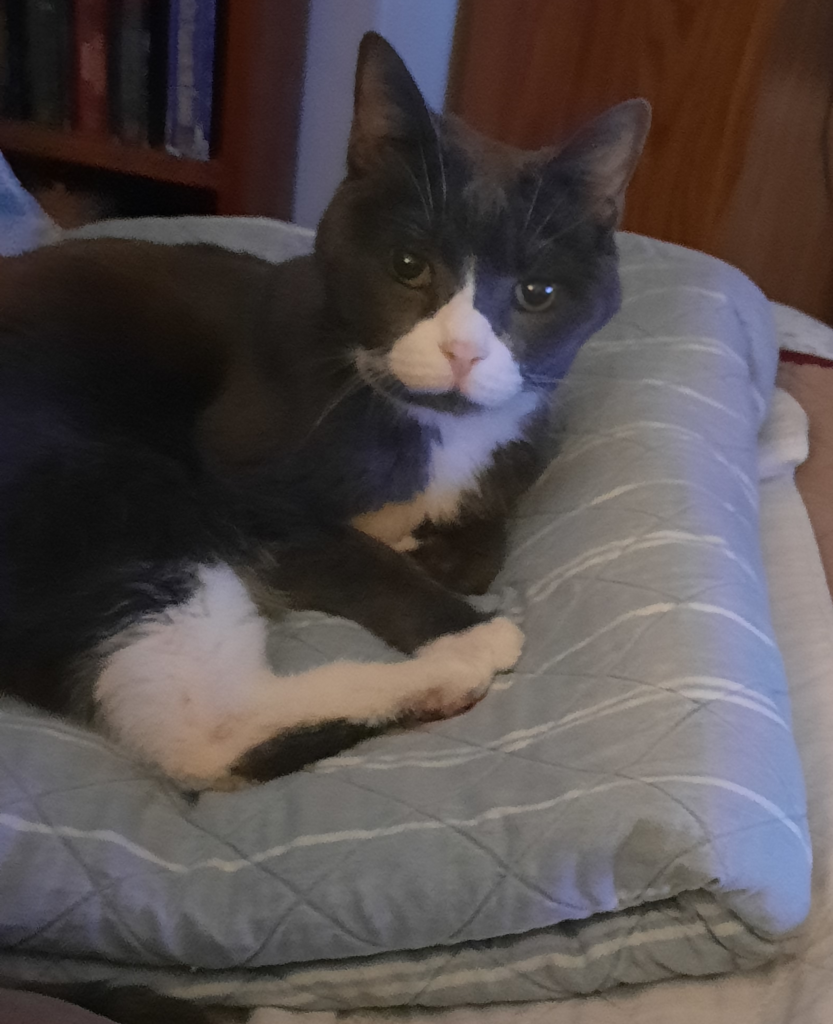 The heart of gentle exercise is trust. Our pets need to know we are not going to push them past what they can handle. A stiff senior pet may feel vulnerable, especially if they have fallen, slipped, or struggled to jump. Encouragement should be calm and positive. Praise, patience, soft voices, and small rewards can help movement feel safe again.
Routine helps. Try attaching movement to moments that already happen each day. A dog might take a slow walk after breakfast and another after dinner. A cat might have a short floor-play session before a meal. A diabetic pet may already have a structured day around food and medication, so gentle movement can be placed thoughtfully around that schedule, with veterinary guidance if blood sugar concerns are involved. At BellenPaws, we care deeply about tracking patterns because patterns often tell the story. Our free pet diabetes tracker and printable glucose curve forms are designed for diabetic care, but the same mindset applies to senior mobility: observe, write things down, and look for changes over time.
A simple notebook can help. Record how long your pet walked or played, what the weather was like, whether they seemed stiff afterward, and what surfaces or activities helped. You do not need anything fancy. You are simply building a clearer picture. When you speak with your vet, those details can be incredibly useful.
Most of all, let the routine be shaped by love. Some days your pet may surprise you with energy. Other days, the best exercise may be walking to the food bowl and back. That is not failure. That is senior pet care. It is adjusting with compassion instead of clinging to what used to be.
As our pets age, we become caretakers of their comfort in a deeper way. We learn the sound of their steps. We notice the pause before a jump. We celebrate the slow walk, the gentle stretch, the little tail wag, the soft paw reaching for a toy. Keeping stiff joints moving is not about chasing youth. It is about preserving dignity, comfort, and connection for as long as we can.
Gentle movement says, “I still see you. I still want you with me. We will go at your pace.” And for a senior pet, that may be one of the kindest routines we can offer.