
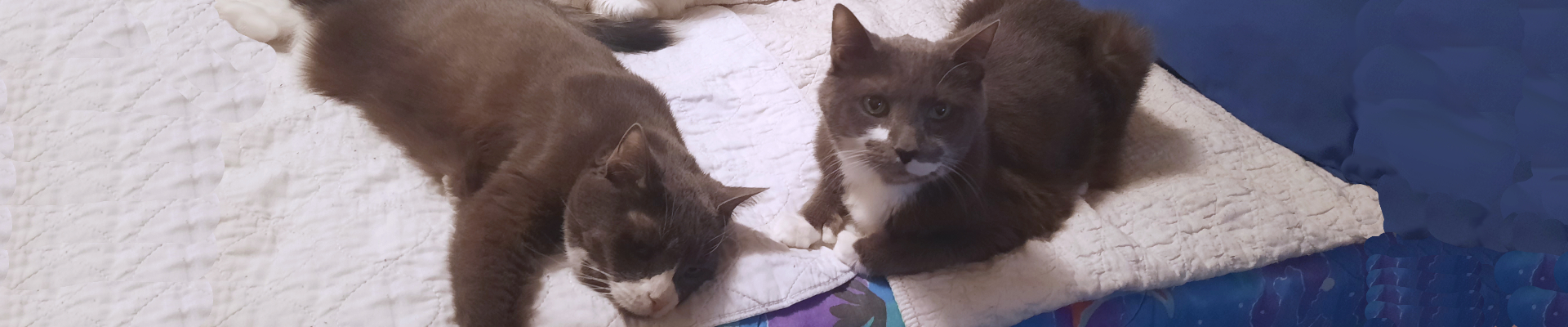
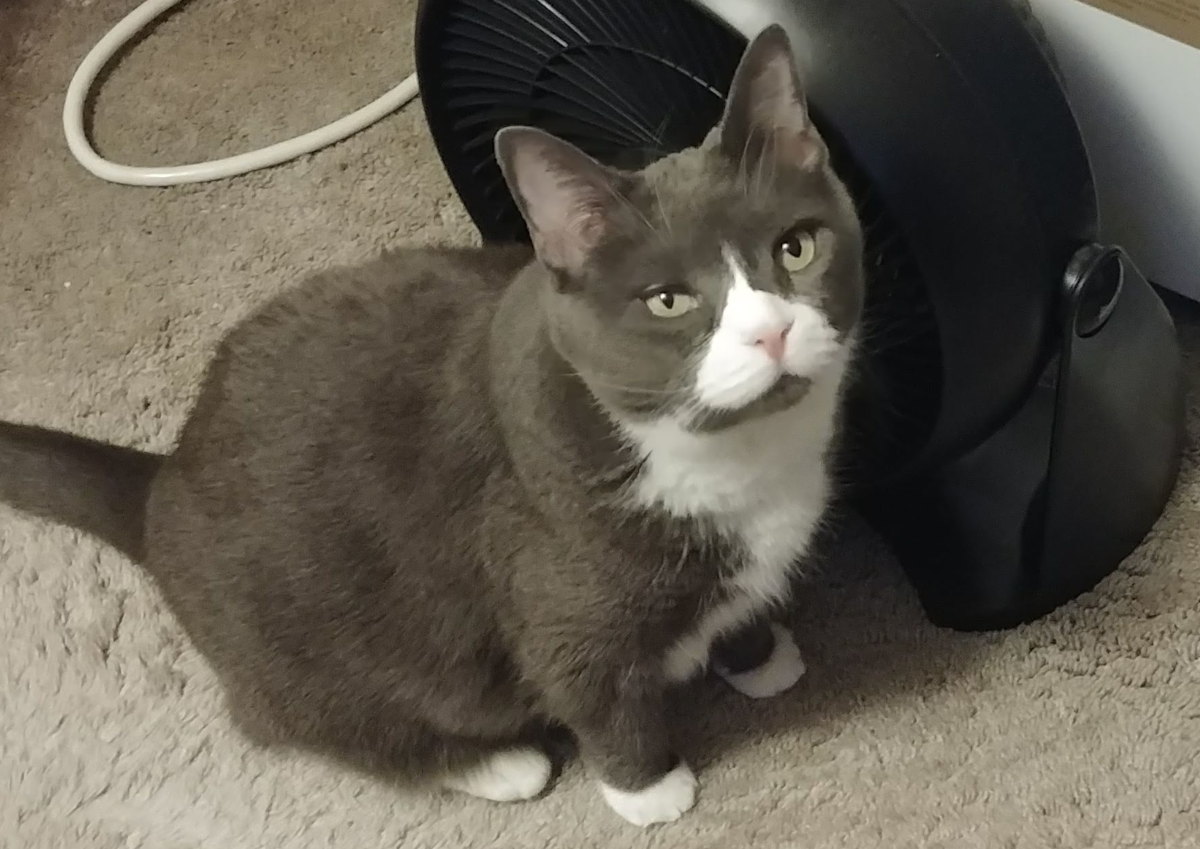
There is something quietly powerful about a senior pet. They may not be the first animal people notice at the shelter. They may not bounce against the kennel door with puppy energy or tumble over their own paws like a kitten. A senior dog might sit calmly with cloudy eyes and a gray muzzle, watching the room with patient hope. A senior cat might stay tucked in a soft bed, not because they have nothing to offer, but because they have learned to wait.
And that waiting can break your heart a little. Senior pets are often overlooked, not because they are less loving, but because people worry. They worry about medical needs. They worry about time. They worry that falling in love with an older animal will hurt too much. Those fears are real, and I would never dismiss them. Loving any pet means accepting that the story will one day end. But adopting a senior pet has a way of changing how you understand love, gratitude, routine, patience, and home.
A young pet grows up with you. A senior pet often arrives already shaped by life. They have history. They have habits. They may have lost someone. They may have been surrendered after years in a home. They may have lived outside, bounced between families, or simply found themselves needing a second chance through no fault of their own. When you welcome that animal into your life, you are not just adopting a pet. You are telling them, “Your story still matters.” That decision can change both of you.
The Love of a Senior Pet Feels Different
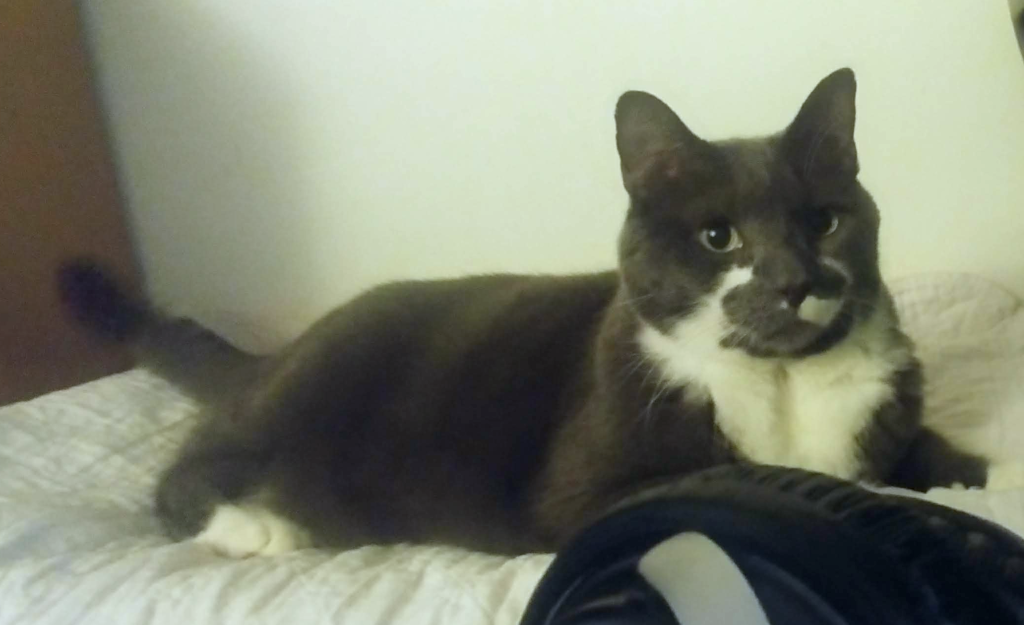 Senior pets often love in a way that feels deep, quiet, and intentional. They may not demand your attention every second, but when they choose to sit beside you, lean into your leg, curl up near your pillow, or follow you from room to room, it feels like a gift. There is a tenderness in that connection because many older animals seem to understand comfort. They know what it means to feel safe, and they know what it means to finally rest.
This does not mean every senior pet is instantly calm or easy. Some are anxious at first. Some grieve. Some need time to trust new people, new smells, and new routines. A senior cat may hide under a bed for days before deciding the living room is acceptable territory. A senior dog may pace at night, unsure whether this new home is truly theirs. But when they begin to settle, the change is beautiful to witness.
There is a moment many senior pet adopters recognize. It is the first real exhale. The first time the dog sleeps deeply without jumping at every sound. The first time the cat stretches out in a patch of sunlight instead of staying hidden. The first time they look at you not with uncertainty, but with recognition. You become their person.
At BellenPaws, our hearts have always been shaped by older animals. Belle and Paws, the founding cats behind the name, taught us so much about caring through age, illness, and all the little adjustments that come with senior life. They were not “less” because they were older. If anything, their senior years showed us just how much personality, dignity, and love can deepen over time.
That is one of the gifts of adopting a senior pet. You stop measuring life by youth and energy alone. You begin to see beauty in the slower walk, the soft routine, the familiar nap spot, and the trust that builds quietly day after day.
Senior Pets Teach You to Slow Down
A senior pet changes the rhythm of a home. With younger animals, life can revolve around training, chewing, climbing, chasing, and constant supervision. That can be joyful, of course, but it can also be exhausting. Senior pets often bring a different kind of companionship. They remind you to sit down. They remind you that peace is not boring. They remind you that a good day can be as simple as breakfast eaten well, a gentle walk, a clean litter box, a soft blanket, and a nap nearby.
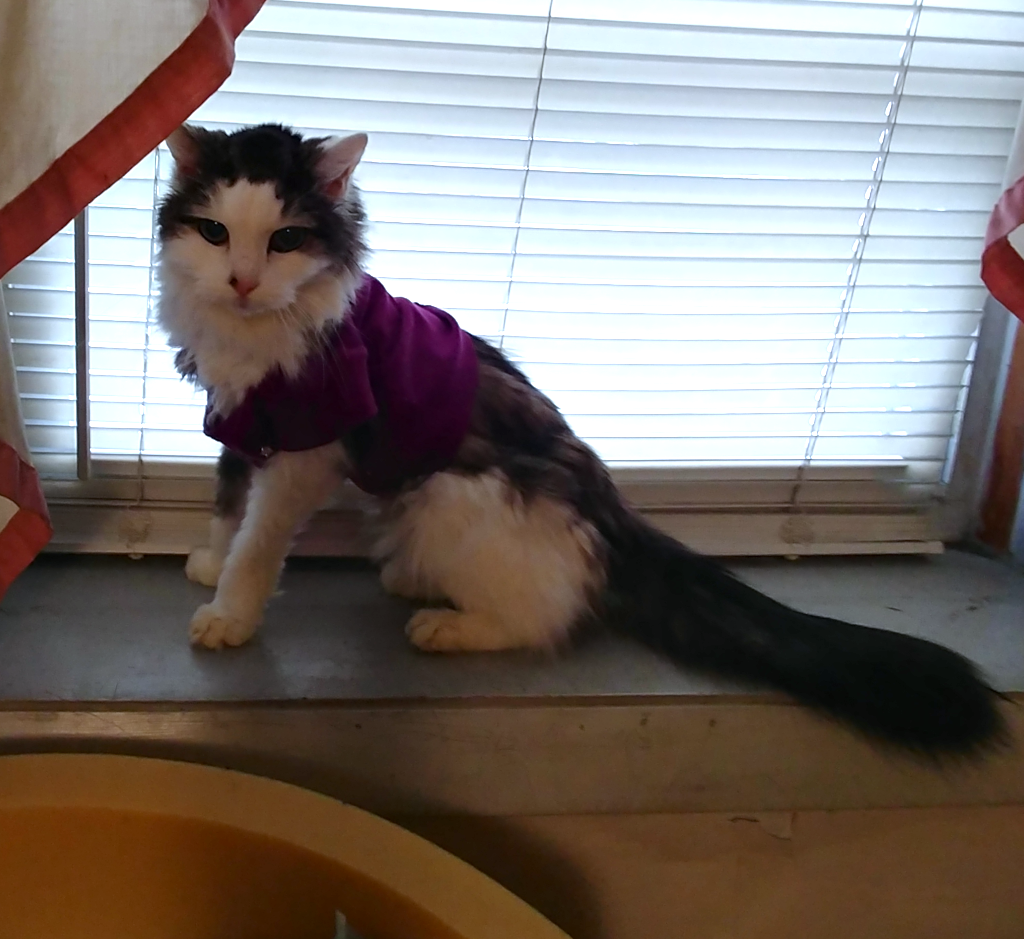 That slower pace can be surprisingly healing for people. We live in a world that pushes speed, productivity, and constant noise. A senior pet does not care how busy your inbox is or whether you finished your to-do list. They care that you are there. They care about your hand resting on their back, your voice saying their name, and the familiar sound of you moving through the house.
This kind of companionship can be especially meaningful for someone who has known loss, stress, loneliness, or caregiving. Senior pets often meet you in a very human place. They do not need perfection. They need presence. In return, they offer a steady kind of love that can make a house feel warmer almost immediately.
There is also something grounding about caring for an older animal. You become more observant. You notice how they walk in the morning, whether their appetite has changed, whether they are drinking more water, whether they seem restless, stiff, confused, or uncomfortable. These observations are not about fear. They are about attention. Senior pet care teaches you to listen with your eyes and your heart.
That awareness can make you a better pet parent in every season. You learn that love is not just cuddles and treats. Love is noticing the small things early. Love is calling the vet when something feels off. Love is adding a step stool, adjusting a feeding station, choosing softer bedding, trimming nails regularly, and making the home easier for an aging body to navigate.
The Practical Side Is Real, But It Is Manageable
It would not be fair to talk about adopting senior pets without talking honestly about care. Senior animals may need more veterinary visits than younger pets. They may have dental disease, arthritis, kidney issues, thyroid problems, vision changes, hearing loss, diabetes, or other age-related conditions. Some may need medication. Some may need special food. Some may need help getting up stairs or into the car.
 That can sound intimidating, especially if you have never cared for an older pet before. But many senior needs become manageable once you build a routine. Medication can become part of breakfast. Glucose checks, if needed for a diabetic pet, can become less scary with practice. Mobility support can be as simple as rugs on slippery floors, a lower-sided litter box, ramps, or shorter walks more often.
The key is not to assume that senior care means constant crisis. Many older pets live happy, comfortable lives with basic adjustments and consistent attention. A senior pet does not need you to be a veterinarian. They need you to be willing, observant, and honest about what you can provide. A good vet relationship matters, and so does keeping track of changes before they become emergencies.
For diabetic pets especially, routine is everything. We learned that deeply with Zippy, who achieved remission through careful management, and with Bentley, who still receives insulin twice a day as part of his daily care. Those experiences taught us that a diagnosis does not erase joy. It simply changes the rhythm. Meals, shots, glucose readings, and vet conversations become part of the love story.
That is why BellenPaws offers free tools like an online pet diabetes tracker with printable charts for vet visits, plus blank glucose curve forms and tracking forms. Tools like these cannot replace veterinary guidance, but they can help pet parents feel more organized and less alone. When you are caring for a senior or diabetic pet, having clear records can bring peace of mind.
Still, it is important to adopt with open eyes. Ask the rescue or shelter what they know about the pet’s medical history, behavior, diet, mobility, and personality. Plan for a vet visit soon after adoption. Think about your budget, your schedule, and your home setup. Compassion is beautiful, but preparation helps that compassion become sustainable.
You Become Their Safe Ending, And Maybe Their Best Chapter
One of the most common worries people have about adopting a senior pet is time. They fear there will not be enough of it. That fear comes from love, and it is understandable. But time is never guaranteed with any pet, young or old. What matters most is not the number of years. It is the quality of the days.
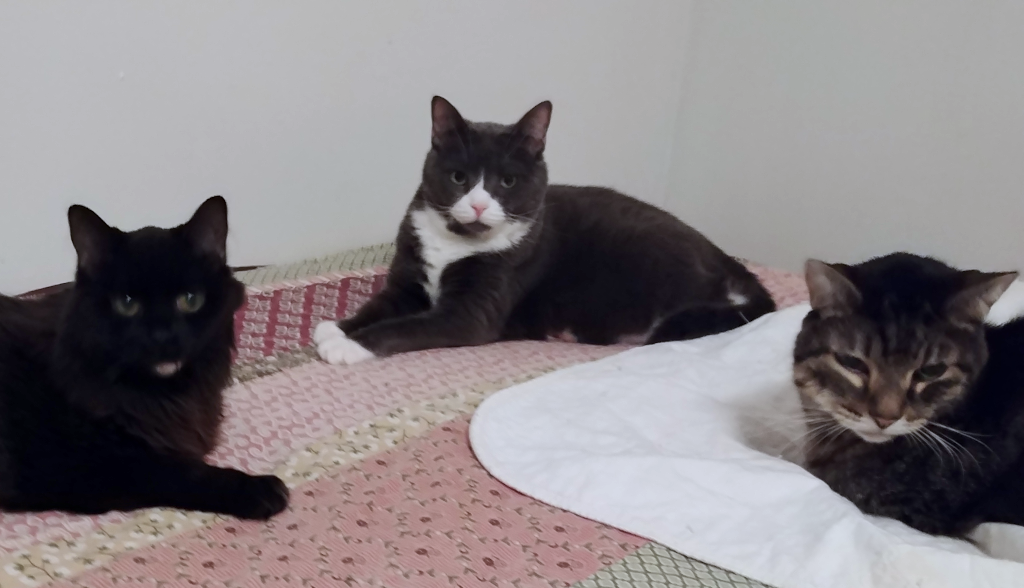 A senior pet may only be with you for a few years, or even less. But those years can be rich, meaningful, and full of love. You may become the person who gives them their first truly soft bed. Their first quiet home. Their first pain relief. Their first regular meals. Their first gentle brushing. Their first chance to sleep without fear. For an animal who has waited too long, that is not a small thing.
There is a special honor in being the safe ending. Not everyone can do it, and not everyone is ready for it. But those who choose senior pets often discover that the ending is not the whole story. There are new routines, silly habits, favorite snacks, little victories, stubborn opinions, and moments that make you laugh when you least expect it.
Older pets can be wonderfully funny. A senior cat may decide that one specific chair now belongs to them forever. A senior dog may develop a dramatic routine around bedtime, snacks, or walks. They may be slower, but they are still full of preferences and personality. Age does not erase who they are. In many ways, it reveals them more clearly.
And when the hard days eventually come, you may find that the grief is mixed with something else: gratitude. Gratitude that they were not alone. Gratitude that they knew comfort. Gratitude that you got to be part of their life, even if it was not as long as you wished. Senior pet adoption teaches us that love is not less valuable because it is brief. Sometimes brief love is the kind that changes us the most.
The Life You Save May Help Save You Too
People often say adoption saves an animal’s life, and that is true. But senior pet adoption has a way of saving pieces of the human heart too.
It can soften you. It can make you more patient. It can remind you that worth does not fade with age. It can change how you see old animals, old people, and even your own aging. A senior pet asks you to look beyond the surface and value the soul in front of you. That is a lesson many of us need more than we realize.
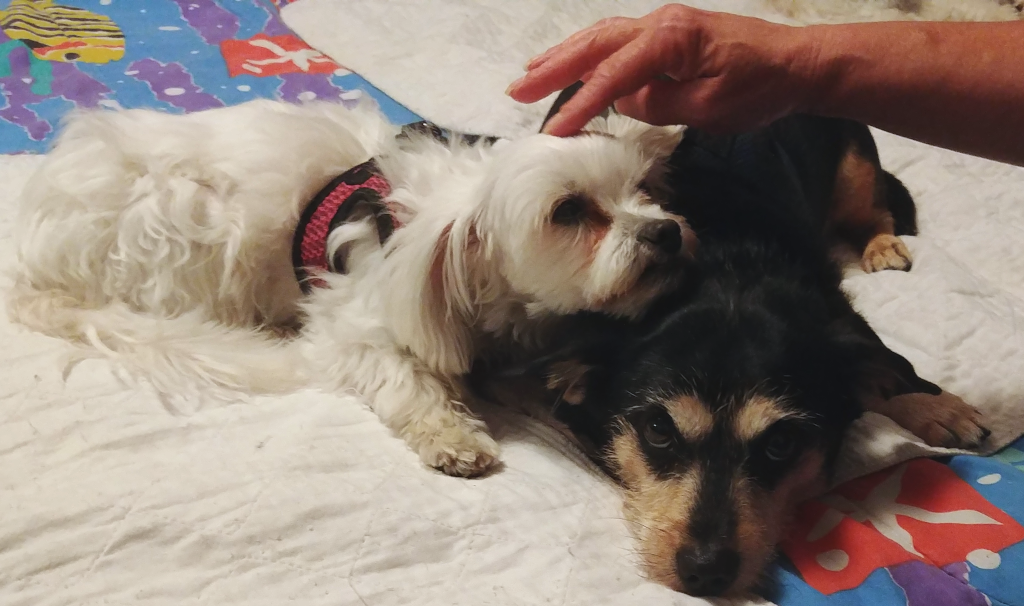 They also bring a kind of companionship that feels honest. They do not need grand adventures every day to be happy. They are often content with ordinary love, which is the kind most of us are actually able to give consistently. A warm home. A predictable meal. A gentle voice. A safe lap. A slow walk. A soft place to land.
Of course, senior adoption is not for everyone at every point in life. Some people are not ready for possible medical care or shorter timelines, and that is okay. Responsible love includes knowing your limits. But if your heart keeps drifting toward the older face in the shelter photo, the gray muzzle, the cloudy eyes, the cat curled quietly in the corner, there may be a reason.
That animal may not need a perfect home. They may just need yours. Adopting a senior pet will change your life because it changes what you notice. You begin to celebrate comfort instead of chaos, trust instead of novelty, and presence instead of perfection. You learn that old animals still have so much to give. You learn that healing can happen quietly. You learn that a second chance can become one of the most meaningful chapters in both your lives.
And one day, when that senior pet looks at you with the calm confidence of an animal who finally knows they are home, you will understand something that cannot be fully explained until you live it. You did not just rescue them. They found a way to rescue a part of you too.