
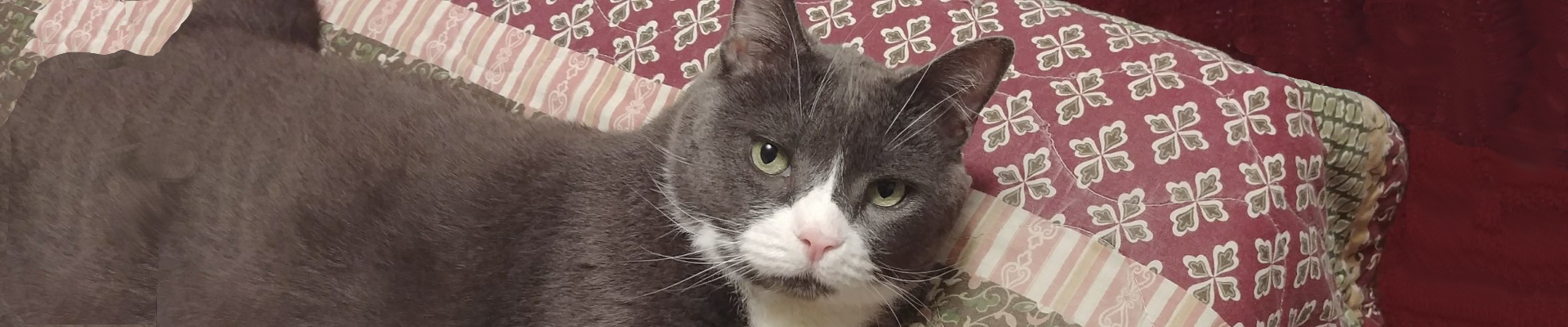
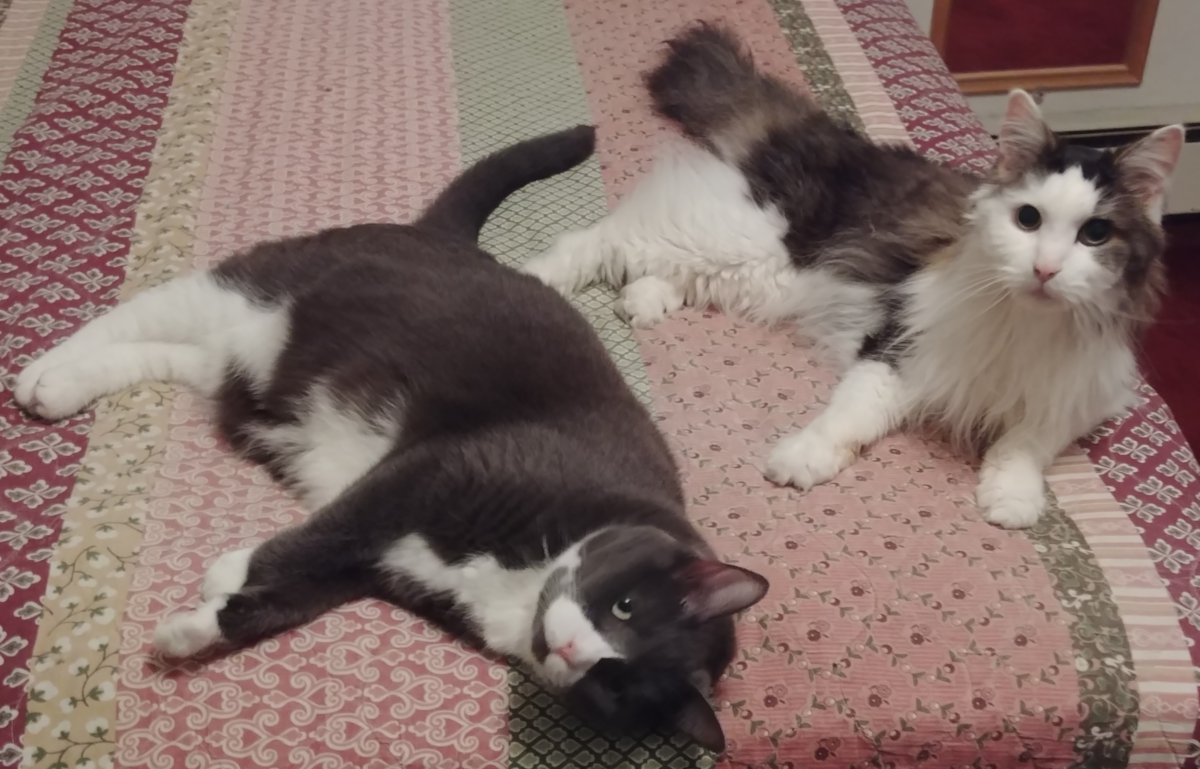
There is a quiet kind of courage in adopting a senior pet. It does not always look dramatic from the outside. There may be no grand rescue moment, no tiny kitten tumbling into your hands, no puppy growing up beside you from the beginning. Sometimes it looks like an older dog with cloudy eyes resting his chin on your knee. Sometimes it looks like a gray-faced cat who has learned to move slowly, watch carefully, and trust cautiously. Sometimes it is simply a pet who has already lived a whole chapter before you ever met them, and somehow still has love left to give.
For many people, the idea of adopting a senior pet brings up one painful question right away: “What if I fall in love and lose them too soon?”
That fear is real. It is not silly. It is not selfish. It is the part of your heart trying to protect itself before it gets attached. Anyone who has loved an animal deeply knows that the bond is not “just a pet” bond. It becomes part of the rhythm of your home. Their food bowl, their favorite blanket, the way they greet you, the medications on the counter, the little noises they make when they sleep. They become family.
So when someone says, “I could never adopt a senior pet because it would hurt too much,” I understand that completely. I have felt versions of that fear myself. But I have also learned, through many years of caring for older cats and dogs, that the possibility of heartbreak is not the whole story. Sometimes the deepest love arrives later in life. Sometimes the most meaningful season with an animal is not the longest one, but the one where they finally feel safe, seen, and cherished.
Love Is Not Measured Only in Years
One of the hardest things about senior pet adoption is that we tend to think in numbers. How old are they? How many years might they have left? Are we talking months, a couple of years, maybe longer? Those questions are natural, but they can also trap us into thinking love only counts if we get a long timeline. Animals do not live that way.
 A senior cat does not worry that she was adopted at twelve instead of two. An older dog does not count birthdays and wonder whether he has enough years left to justify being loved. They live inside the day they are given. They notice the soft bed. They notice the gentle voice. They notice when meals arrive on time and hands touch them kindly. They notice when the scary shelter noise is gone and the house is quiet enough to sleep.
That is one of the gifts senior pets give us. They remind us that love is not only about future plans. It is about presence. It is about the small daily promises we keep. Fresh water. A warm lap. Medication given with patience. A slow walk that lets them sniff every blade of grass. A quiet evening where nobody rushes them.
When we cared for Belle, one of the senior cats behind the spirit of BellenPaws, her later years came with health concerns like hyperthyroidism, kidney disease, high blood pressure, and dehydration. Those words sound heavy, and some days they were. But they were not the whole of her life. She was still Belle. She still had personality, habits, preferences, and dignity. Caring for her did not feel like loving a diagnosis. It felt like loving a family member through a fragile season.
That is something senior pet adopters often discover. You may adopt an older pet knowing there could be health needs ahead, but you do not spend every moment staring at the ending. You spend most moments learning who they are. What treats they like. Where they prefer to sleep. Whether they are shy, bossy, cuddly, goofy, dignified, stubborn, or all of the above. The timeline matters, yes. But it is not the only thing that matters.
The Fear of Loss Often Comes From Love, Not Weakness
People sometimes feel guilty for being afraid. They think, “If I were a better person, I would adopt the senior pet without hesitation.” But fear does not mean you lack compassion. Fear often means you understand exactly how much love can cost. When you have already lost pets before, your heart remembers. It remembers the quiet house afterward. It remembers the last vet visit. It remembers the empty spot on the couch. That memory can make you hesitate before inviting another vulnerable animal into your life.
 But here is the gentle truth: grief is not proof that love was a mistake. Grief is proof that love mattered. A senior pet does not need someone who is fearless. They need someone who is willing. Willing to offer comfort even with uncertainty. Willing to learn their needs. Willing to make room for them, not as a temporary visitor, but as a real member of the family for however long they are here.
Sometimes people imagine senior pet adoption as signing up for immediate sadness. In reality, many senior pets have plenty of good life left. Some older animals are surrendered because of human circumstances, not because they are at the end of life. Their owner passed away. A family moved. Finances changed. A household no longer had the ability to care for them. They may be older, but they may still be playful, affectionate, curious, and deeply ready to bond.
And even when a senior pet does come with medical needs, that does not mean every day is tragic. Care can become a rhythm. With diabetic pets, for example, routines matter a lot. We have lived that closely with Zippy, who achieved remission through tight regulation, and Bentley, who is still on tight regulation and receives insulin twice a day. That kind of care can sound intimidating at first, but over time it becomes part of how you love them. You learn the schedule. You track the numbers. You celebrate stable days. You build confidence one step at a time.
That is one reason BellenPaws offers free tools like a pet diabetes tracker with printable charts for vet visits, along with printable glucose curve forms. Tools cannot remove every worry, but they can make care feel less chaotic. They help turn fear into information, and information into calmer decisions.
Senior Pets Often Give Back More Than People Expect
There is a special tenderness in earning the trust of an older animal. Some senior pets settle in quickly, as if they have been waiting their whole lives for a soft place to land. Others take time. They may be confused, grieving, or unsure why their world changed. They may not understand that this new home is permanent. They may need patience, routine, and gentle reassurance before their true personality begins to show.
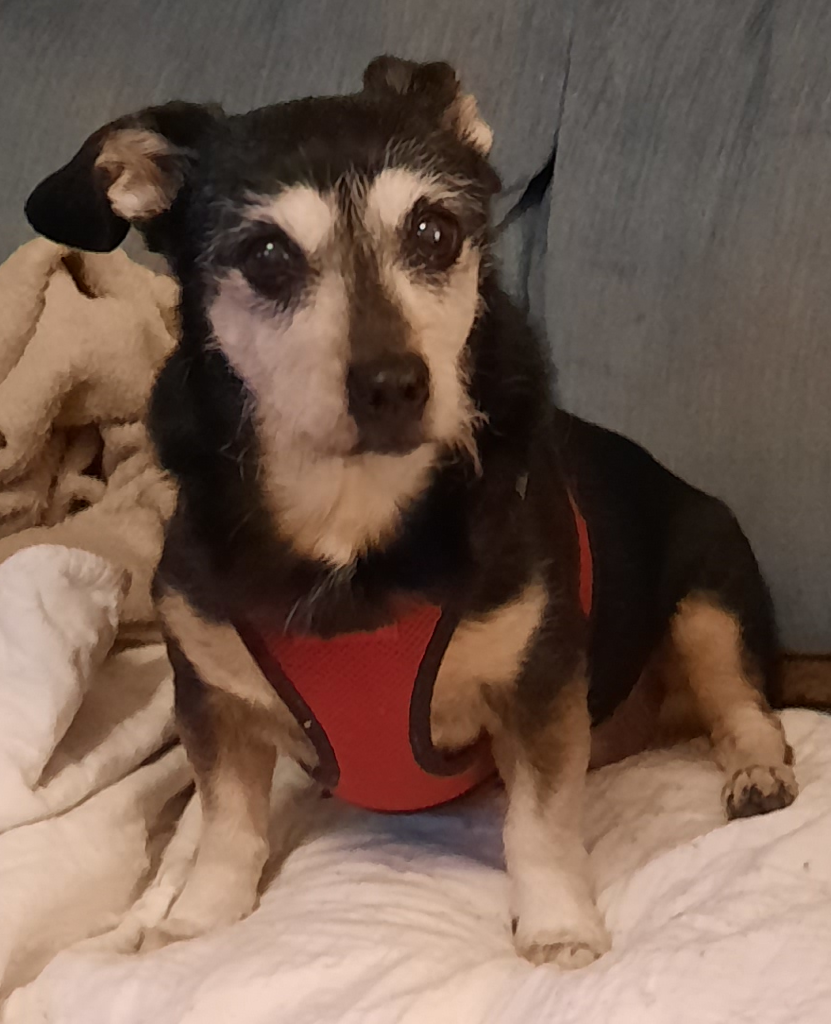 But when it does, it can feel like a gift. A senior dog who finally sighs and falls asleep beside you is saying something. A senior cat who begins showing up at your feet, then beside you, then eventually in your lap is saying something too. They are not speaking in words, but the message is clear: “I believe you. I trust this place.” That trust can be incredibly healing for the human as well.
Many people who adopt senior pets describe a different kind of bond than the one they expected. It may be quieter. It may be less about training and more about companionship. Less about molding a young animal and more about honoring who this animal already is. Senior pets arrive with history. They have preferences, memories, and habits. You are not starting from a blank page. You are being invited into the next chapter. That chapter can be beautiful.
It may look like slow mornings instead of wild energy. It may look like soft food, orthopedic beds, low-sided litter boxes, ramps, rugs for traction, or shorter walks. It may mean learning the signs of discomfort and becoming more observant. It may mean working with your veterinarian more often than you would with a young pet. But it can also mean a deep calmness in the home. Senior pets often know how to simply be with you.
There is something comforting about an old soul animal. They do not need perfection. They need consistency. They need patience. They need kindness. And when they receive those things, many of them bloom in ways that surprise you.
Preparing Your Heart Without Closing It
One way to face the fear of heartbreak is to be honest about it before you adopt. That does not mean expecting the worst every day. It means accepting that love and loss are connected, especially with animals. Every pet, young or old, comes with uncertainty. Puppies and kittens are not promises of a pain-free future. Senior pets simply make us more aware of the truth we were already living with: time is precious.
 Before adopting a senior pet, it helps to think about what you can realistically offer. Can you handle possible medication? Can you manage vet visits? Is your home safe for an older animal who may have arthritis, vision changes, or mobility issues? Can you provide a calm routine? These are not questions meant to scare you away. They are questions that help you adopt with care rather than impulse.
It can also help to talk openly with the rescue, shelter, or foster family. Ask about the pet’s personality, known medical history, mobility, appetite, litter box or house-training habits, and comfort level with other pets. A good match matters. A senior pet who needs a quiet home may not thrive in a chaotic environment. A senior dog who loves gentle walks may be perfect for someone who wants companionship without puppy energy. A senior cat who mostly wants a sunny window and a respectful human may fit beautifully into a peaceful household.
You can also prepare your home in small, practical ways. Softer bedding helps aging joints. Non-slip rugs can help dogs or cats who struggle on slick floors. Raised dishes may help some pets eat more comfortably. Night lights can help pets with vision changes. Low-entry litter boxes can make a big difference for older cats. For cats who still enjoy scratching, simple enrichment matters too, and tools like our rope length calculator can help pet parents planning a DIY scratching post refresh.
These little adjustments are acts of love. They say, “You do not have to become young again to belong here. We will meet you where you are.”
The Heartbreak Is Real, But So Is the Rescue
There is no honest way to write about senior pet adoption without admitting that goodbye may come sooner than we want. Sometimes it does. Sometimes the time together is shorter than we hoped. Sometimes we are left wishing we had found them earlier. But I have come to believe that “earlier” is not always the point.
 The point is that they were found. The point is that, in their later years, they were not invisible. They were not overlooked because of gray fur, cloudy eyes, missing teeth, medication needs, or a slower walk. They were chosen. They were welcomed. They were given a family. That matters more than we can measure.
A senior pet who spends their final chapter loved has received something priceless. And the person who gives that love often receives something priceless too: the knowledge that they made the end of an animal’s story softer, warmer, safer, and more dignified.
Yes, your heart may break. But it will not break because you made the wrong choice. It will break because you gave yourself fully to a life that deserved love. That kind of heartbreak is painful, but it is not empty. It is filled with meaning. And before the heartbreak, there may be so much joy.
There may be tail wags at the door. There may be purrs you did not expect. There may be silly habits, favorite toys, sunbeam naps, car rides, shared routines, and quiet companionship that settles deep into your life. There may be a moment when you look at this older animal and realize they are not “less adoptable” at all. They are simply ready for someone who understands that love does not have to begin at the beginning to be complete.
Adopting a senior pet is not about pretending loss will never come. It is about refusing to let fear have the final word. It is about saying, “You are worth loving now.” And for a senior dog or cat waiting for a home, that may be the most beautiful sentence in the world.