The Truth About Senior Pet Surrender Rates (And How to Help)
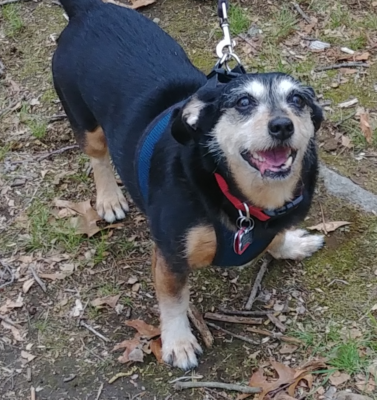
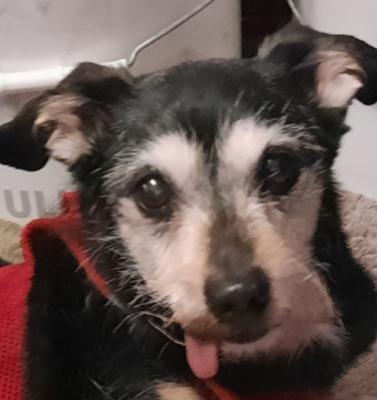
An older dog arrives at an animal shelter with a graying muzzle, worn teeth, and a lifetime of habits that someone once knew by heart.

Pet and Senior Pet Advocacy
An older dog arrives at an animal shelter with a graying muzzle, worn teeth, and a lifetime of habits that someone once knew by heart.
A child may look at an older dog sleeping on the rug or a gray-faced cat curled on the sofa and see the same familiar companion they have always known.
There is a kind of companionship that becomes easier to appreciate with age.
A senior dog or cat can be wonderful company, but many adoption listings accidentally make older pets sound like a collection of limitations before a potential adopter ever gets the chance to meet them.
Walk through an animal shelter and the youngest animals often draw attention first. Puppies bounce against kennel doors, kittens tumble over one another, and people naturally stop to watch.
Bringing home an older rescue dog can be surprisingly quiet. Instead of exploring the house, carrying toys around, or following everyone from room to room, a timid senior may find the safest corner available and simply watch.
Animal rescues hear some version of the same sentence all the time: “I wish I could help, but I just don’t have extra money right now.”
Bringing home a rescue dog can fill a house with hope. Then the dog arrives and disappears.
A pet losing their sight or hearing can be frightening for the person who loves them. We immediately picture everything they may no longer be able to do.
Bringing home an adopted adult dog is a special kind of beginning. You may know very little about the life that came before you.
Bringing home a rescue pet can be one of the most meaningful decisions a person makes. It can also become stressful when the adoption happens too quickly
Agreeing to care for a friend’s pet can feel like a simple favor. You stop by, fill the food bowl, refresh the water, clean up a little, and spend some time together.