



Looking through rescue listings can be an emotional experience. One minute you are smiling at a sweet gray muzzle, a cloudy-eyed senior cat, or a goofy dog with one ear standing up. The next minute you are staring at a paragraph full of phrases that sound gentle on the surface, but leave you wondering what they really mean. “Needs time to warm up.” “Would do best as the only pet.” “Has a big personality.” “Looking for a patient adopter.” It can feel like you need a secret dictionary just to understand whether a pet might be a good fit for your home.
Rescue groups and shelters are usually trying to do something very difficult with very limited space. They need to describe a living, feeling animal in just a few sentences. They want to be honest, but they also want to give that pet a fair chance. Most of the time, the wording is not meant to trick anyone. It is meant to soften difficult truths while still giving clues about behavior, medical needs, history, or the kind of home where that pet may thrive.
As pet parents, we owe it to ourselves and to the animals to read those clues carefully. A rescue listing is not just a sales pitch. It is the beginning of a conversation. When you learn how to decode the language, you can ask better questions, avoid heartbreak, and find the pet whose needs truly fit your life.
Why Rescue Listings Use Gentle Language
Shelters and rescues often care for animals who have been through change, loss, neglect, illness, or confusion. Some pets arrive after their person passes away. Some are surrendered because of medical costs, behavior struggles, allergies, housing issues, or family changes. Others are found outside and no one really knows their full story.
Because of that, rescue listings tend to use careful, compassionate language. A phrase like “shy at first” may describe a cat who hides under the bed for three days before asking for chin scratches. It could also describe a cat who may need weeks of quiet, patient work before feeling safe. Both are possible, and that is why the words matter.
When we adopted and cared for seniors over the years, we learned that first impressions rarely tell the whole story. Belle, one of the cats who inspired BellenPaws, had medical challenges and her own emotional rhythms as she aged. She reminded us often that animals are not “problems” to solve. They are individuals to understand. A pet listing is only a snapshot, not the full portrait.
That said, rescue jargon can still tell you a lot. The key is to read it with both hope and realism. Hope helps you see the beautiful animal behind the description. Realism helps you understand whether you can meet that animal’s needs without resentment, fear, or surprise.
What Common Phrases May Really Mean
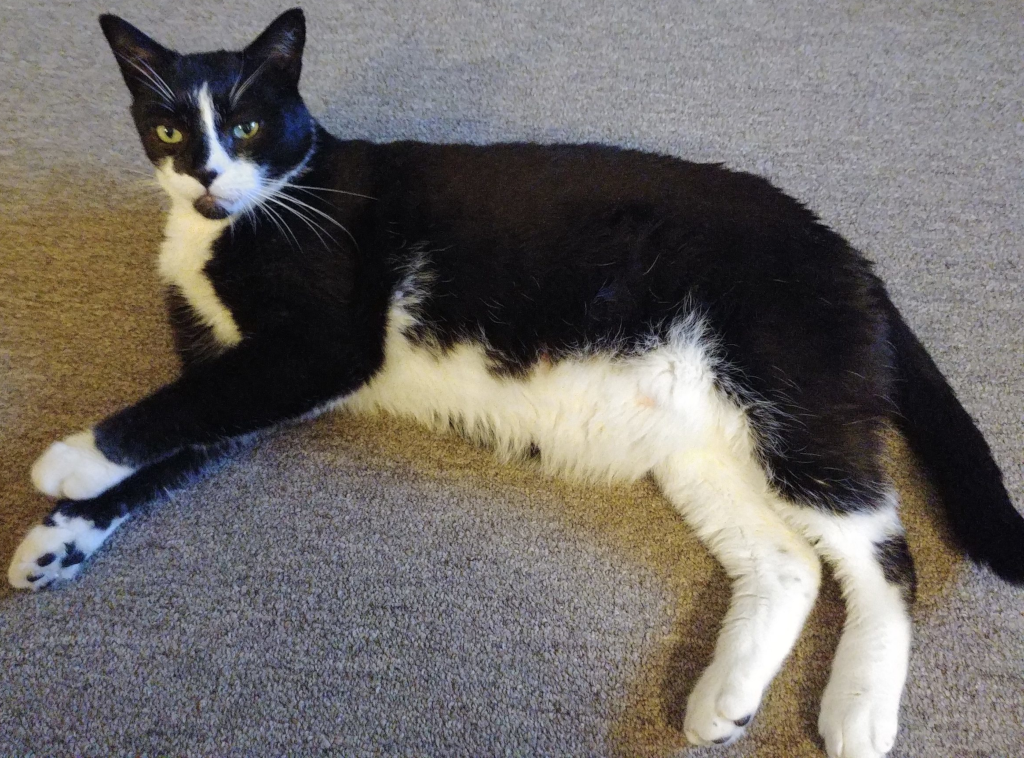 When a listing says a pet “needs time to warm up,” it usually means the animal may not be instantly affectionate. That does not mean the pet is unfriendly. It may mean they are overwhelmed by new spaces, strangers, noise, or quick movements. For cats, this might look like hiding, avoiding touch, or only coming out at night at first. For dogs, it might look like nervous pacing, barking, freezing, or staying glued to one trusted person.
A phrase like “would do best in a quiet home” is often a clue that the pet may be sensitive to chaos. Loud children, frequent visitors, barking dogs, or busy households might be too much. This does not mean the pet is broken or impossible. It means peace and predictability may be part of their care plan. Senior pets especially can appreciate a quieter rhythm, because aging bodies and tired nerves do not always handle commotion well.
“Needs an experienced adopter” is one of the bigger phrases to pay attention to. It may mean the pet has behavior needs, medical needs, handling sensitivities, fear issues, or a history that requires patience and skill. This is not a phrase to ignore because the pet has beautiful eyes. It is a sign to slow down and ask direct questions. What kind of experience is needed? Medication? Training? Slow introductions? Bite history? Fear of strangers? Trouble with grooming or vet visits?
When you see “best as the only pet,” take it seriously. It may mean the animal has shown stress, aggression, fear, resource guarding, or poor social skills around other animals. Sometimes it simply means the pet has never lived with other pets and the rescue does not want to risk it. Other times, it means there was a known conflict. Either way, if you already have pets at home, this phrase deserves a careful conversation.
“High energy” can sound cute, but it can mean a lot of work. A high-energy dog may need long walks, structured play, training, enrichment, and consistency. Without that, they may bark, chew, jump, dig, or become anxious. A high-energy cat may need climbing spaces, interactive play, puzzle feeders, and patience with nighttime zoomies. Energy is not bad, but mismatched energy can become stressful for everyone.
“Has a big personality” is one of those phrases that can mean delightful, dramatic, demanding, or all three. It might describe a bossy cat who wants affection on their terms, a dog who talks back, or a pet who needs firm but loving boundaries. This kind of animal can be incredibly fun in the right home. In the wrong home, their charm can become frustration.
Medical Clues Hidden in Soft Wording
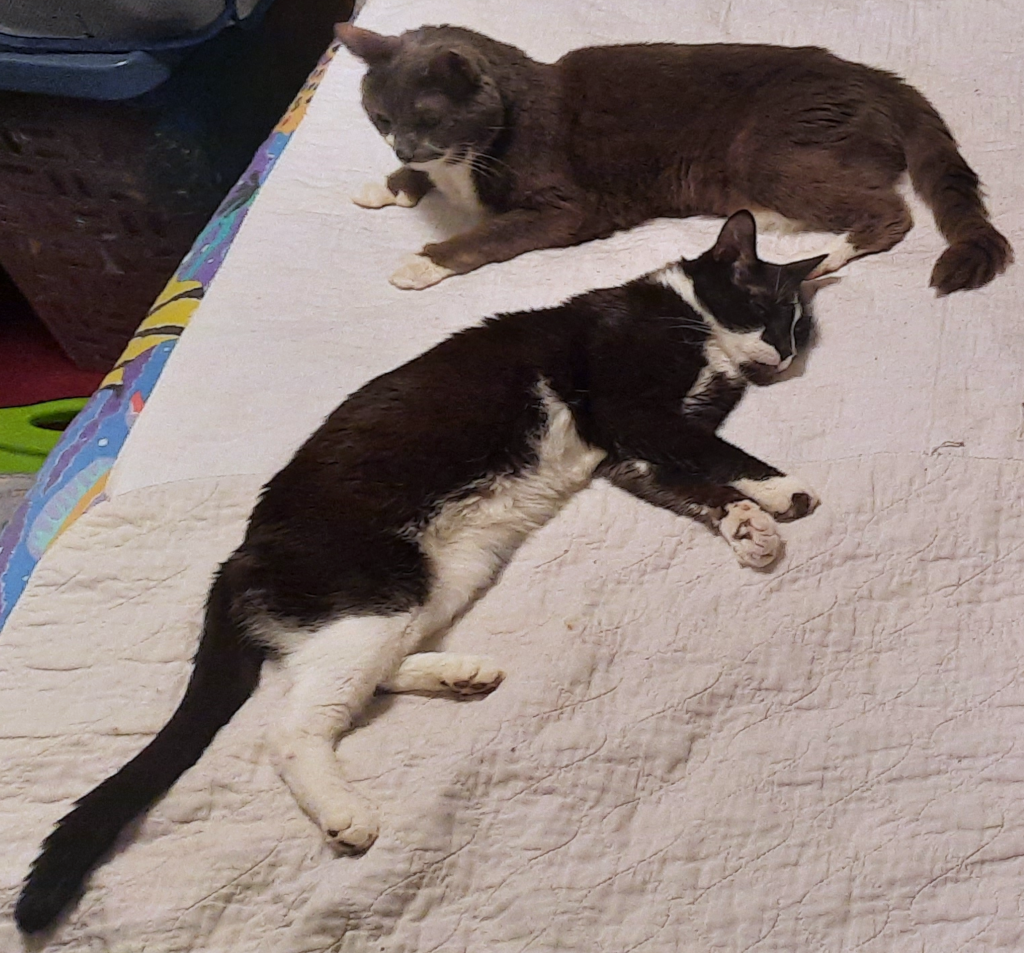 Medical language in listings is often softened because rescues do not want people to panic. A pet described as having “special needs” may need medication, a special diet, mobility support, monitoring, or extra vet visits. That phrase can cover a huge range, from very manageable to financially and emotionally demanding.
If a listing says a pet “requires daily medication,” ask what medication, how often, how much it costs, and how easily the pet takes it. Some pets take pills like little angels hidden in a treat. Others act like you are negotiating a peace treaty with a raccoon. Neither situation is shameful, but it matters for your daily life.
For diabetic pets, wording may include phrases like “regulated,” “needs insulin,” or “requires glucose monitoring.” As pet parents who have lived with feline diabetes through Zippy and Bentley, we know those words can sound intimidating at first. They also do not automatically mean a pet is unadoptable or impossible to care for. With the right supplies, a vet relationship, and a steady routine, diabetic care can become part of normal daily life. It does require commitment, though, especially if the pet needs insulin twice a day, careful feeding, and blood glucose tracking.
That is one reason we offer free tools on BellenPaws, including an online pet diabetes tracker with printable charts for vets and blank glucose curve forms. Tools do not replace veterinary care, but they can make the day-to-day routine less overwhelming. When a rescue listing mentions diabetes or another chronic condition, organization becomes part of compassion.
Phrases like “senior bloodwork recommended,” “dental care needed,” or “ongoing vet care required” should also be read with clear eyes. Senior pets can be deeply rewarding, but they may come with real expenses. Dental disease, kidney issues, thyroid problems, arthritis, vision changes, and blood pressure concerns are not rare in older cats and dogs. The loving question is not “Is this pet perfect?” The better question is “Can I responsibly support this pet as they are?”
Behavior Words That Deserve Follow-Up Questions
 Some phrases in rescue listings should prompt a calm but direct follow-up. “Protective” may sound noble, but it can sometimes mean the dog guards people, space, food, or the home. “Mouthy” may mean playful nibbling, but it can also mean the pet uses their mouth when excited or frustrated. “Selective with other dogs” may mean the dog has a few canine friends, or it may mean introductions require careful management.
“Not recommended with young children” should never be brushed aside. That phrase may mean the animal is frightened by fast movement, does not tolerate rough handling, guards toys or food, or has reacted poorly to children in the past. It does not make the pet bad. It means the rescue is trying to protect both the animal and the child.
For cats, phrases like “independent,” “likes affection on their terms,” or “can get overstimulated” often mean you should learn body language. A swishing tail, flattened ears, rippling back, or sudden head turn can be a cat’s way of saying, “I am done now.” Many wonderful cats are affectionate in short sessions. They just do not want to be carried around or petted endlessly.
Dogs may have similar boundaries. A listing that says “working on leash manners” may mean pulling, lunging, barking at other dogs, or general excitement outside. Ask what that looks like in real life. A dog who pulls because they love sniffing is different from a dog who panics or reacts aggressively when another dog appears across the street.
The goal is not to interrogate the rescue like a courtroom drama. The goal is to understand the pet kindly and honestly. Good rescues usually appreciate thoughtful questions because it shows you are thinking beyond the cute photo.
Reading Between the Lines Without Assuming the Worst
 It is easy to become suspicious of every soft phrase, but that is not fair to the animals or the people helping them. Sometimes “shy” really does mean shy. Sometimes “playful” just means playful. Sometimes “needs a patient adopter” means the pet had a rough transition and needs someone who will not expect instant perfection.
The trick is to avoid both extremes. Do not assume every phrase hides a disaster, but do not ignore patterns either. If a listing says a dog is “protective,” “needs structure,” “best with adults,” and “requires an experienced adopter,” those phrases together paint a picture. If a cat is “independent,” “sassy,” “not fond of other cats,” and “likes attention on her terms,” that also tells you something useful.
Look for what is missing too. Does the listing mention whether the pet has lived with children, cats, dogs, or seniors? Does it mention litter box habits, leash behavior, medication, diet, or handling? If not, those are good areas to ask about. A short listing does not always mean the rescue is hiding something. Sometimes volunteers are stretched thin. Still, missing information is an invitation to ask.
You can also ask what kind of home the rescue would choose if they could design the perfect match. That question often gets more helpful answers than “Is this pet good?” A pet can be good and still not be good for your specific home. A quiet senior cat may be perfect for a calm adult household and miserable in a busy home with toddlers and three dogs. A young, athletic dog may be a dream for someone who hikes daily and overwhelming for someone who wanted a couch buddy.
How to Ask Better Questions Before You Adopt
 Before applying, think about your real life, not your fantasy life. How many hours are you away from home? How much noise is normal in your house? Do you already have pets? Can you afford routine and unexpected vet care? Are you willing to manage medication, special food, or training? The right match is not only about love. It is about capacity.
When you contact the rescue, ask for examples. Instead of asking, “Is he anxious?” ask, “What does his anxiety look like day to day?” Instead of asking, “Is she okay with cats?” ask, “Has she lived with cats, met cats, or only been observed near cats?” Details matter. A pet who ignored one calm cat across a room has not necessarily been proven safe with all cats.
For medical needs, ask what the rescue currently does each day. What food is the pet eating? What medication is given? When was the last vet visit? Are there known diagnoses? Are records available? For senior pets, ask about mobility, vision, hearing, dental condition, bathroom habits, and comfort level with handling.
It is also fair to ask what would make the adoption fail. That may sound negative, but it is actually compassionate. A rescue may say, “He would struggle in an apartment with lots of hallway noise,” or “She needs someone who will not rush petting,” or “He cannot live with cats.” That information protects everyone.
Adoption should never feel like being pressured into proving you are kind enough. Kindness includes honesty. If you cannot meet a pet’s needs, stepping back is not rejection. It is respect.
The Heart Behind the Words
 Every rescue listing represents an animal waiting for safety. Behind “special needs” may be a diabetic cat who just needs a steady routine. Behind “shy at first” may be a senior dog who will someday rest their head in your lap with complete trust. Behind “only pet” may be an animal who has spent too long feeling unsafe and simply needs a kingdom of their own.
Decoding rescue jargon is not about becoming cynical. It is about becoming prepared. When you understand the language, you can see the animal more clearly and make a decision with both your heart and your head.
Senior pets, medically needy pets, shy pets, and quirky pets often have incredible love to give. They may not fit into a perfect little adoption blurb, but then again, none of us fit perfectly into a paragraph either. The right pet does not need to sound flawless on paper. They need to be understood, supported, and matched with someone who can love them in real life.
So when you read the next listing and see those gentle phrases, pause for a moment. Read with compassion. Ask thoughtful questions. Picture the daily routine, not just the adoption-day photo. Somewhere in that careful language may be a pet who is not perfect for everyone, but just right for you.