
Bringing home a rescued dog is one of those decisions that can fill a house with hope, nervous excitement, and a little bit of mystery. You may know their age, their breed mix, or the shelter notes written about them, but you rarely know the full story of what they carried before they came to you. Some dogs arrive with soft eyes and cautious steps. Some walk in like they have always belonged there. Others seem sweet and relaxed until a food bowl, toy, bone, bed, or favorite person enters the picture.
That is when resource guarding can show up.
Resource guarding is when a dog feels the need to protect something valuable. That “something” might be food, treats, toys, a sleeping spot, a crate, another animal, or even you. The behavior can look mild, like freezing over a chew toy, lowering their head, or turning away when someone gets close. It can also become more serious, with growling, snapping, lunging, or biting. For many rescued dogs, this behavior is not about being “bad,” “dominant,” or “ungrateful.” It is often about fear, insecurity, and the deep belief that good things might disappear.
As pet parents, it can hurt a little when a dog we are trying to love acts like they do not trust us. But trust is not something we can demand from a rescued dog. It is something we build, patiently and repeatedly, through safe routines and gentle choices.
Resource Guarding Is Usually Fear Wearing Armor
When a rescued dog guards food or objects, it is easy to take it personally. You fill the bowl, buy the toys, wash the bedding, and open your heart, then suddenly your dog stiffens when you walk by. But in that moment, your dog may not be thinking about your kindness. They may be reacting from survival memory.
 A dog who has gone hungry, competed with other animals, lived in a crowded environment, or had items taken away unpredictably may learn that possession equals safety. Even dogs who were never abused can guard resources if they were stressed, undersocialized, or naturally more anxious around valuables. The behavior does not always come with a clear backstory. Sometimes we never know why a dog guards. What matters most is recognizing what the dog is trying to communicate.
Growling, for example, is not a dog being rude. It is a warning signal. It is your dog saying, “I am uncomfortable. Please do not come closer.” While no one wants a dog growling over a bowl or toy, punishing the growl can be risky because it may remove the warning without removing the fear. A dog who learns that growling gets them in trouble may skip the warning next time and move straight to a bite.
That is why resource guarding needs calm handling, not confrontation. We are not trying to “win” the bowl. We are trying to teach the dog that humans approaching good things can be safe, predictable, and even positive.
With our senior pets over the years, we have learned that behavior often makes more sense when we stop asking, “Why are you doing this to me?” and start asking, “What are you feeling right now?” That shift matters. Whether we were caring for Belle through complicated senior health issues or helping dogs in the family settle into routines, the lesson stayed the same: fear softens faster when it feels understood.
Recognizing the Early Signs Before Things Escalate
Resource guarding does not always begin with growling. Many dogs whisper before they shout. Learning those whispers can help prevent scary moments before they happen.
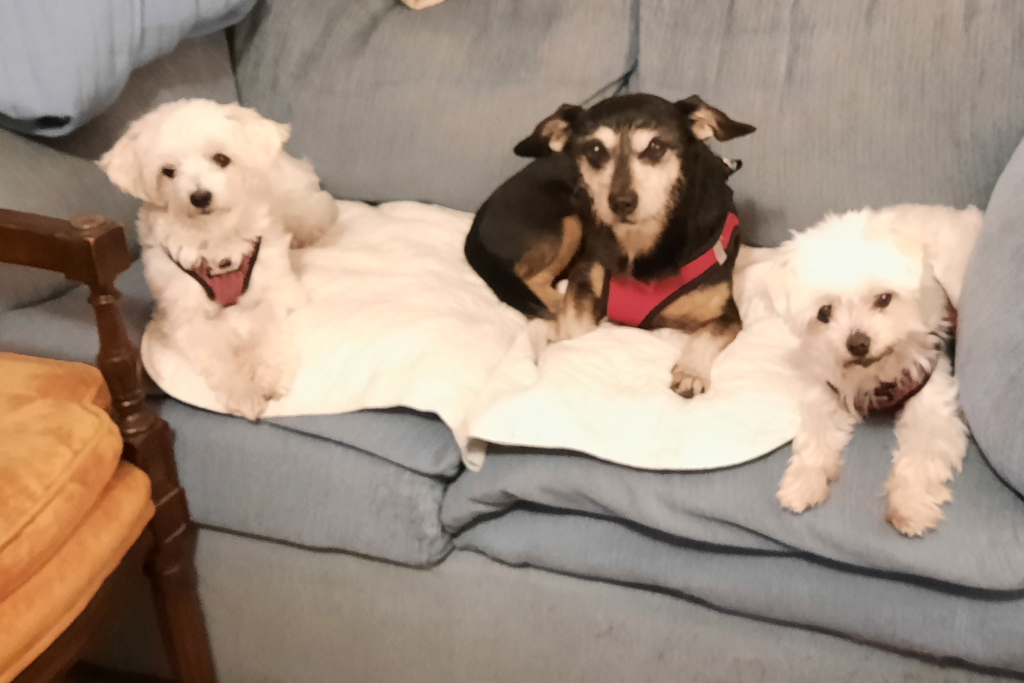 A dog might suddenly become still when you approach their bowl. They may eat faster, hunch over the food, widen their eyes, or angle their body between you and the item. Some dogs pick up the object and move away. Others lick their lips, tuck their tail, pin their ears, or stare hard. A dog guarding a couch, bed, or person may block access, lean stiffly, grumble, or snap when another pet comes near.
These signals matter because they tell you the dog is stressed. The goal is not to push past them. The goal is to make the situation easier for the dog while you build safer habits.
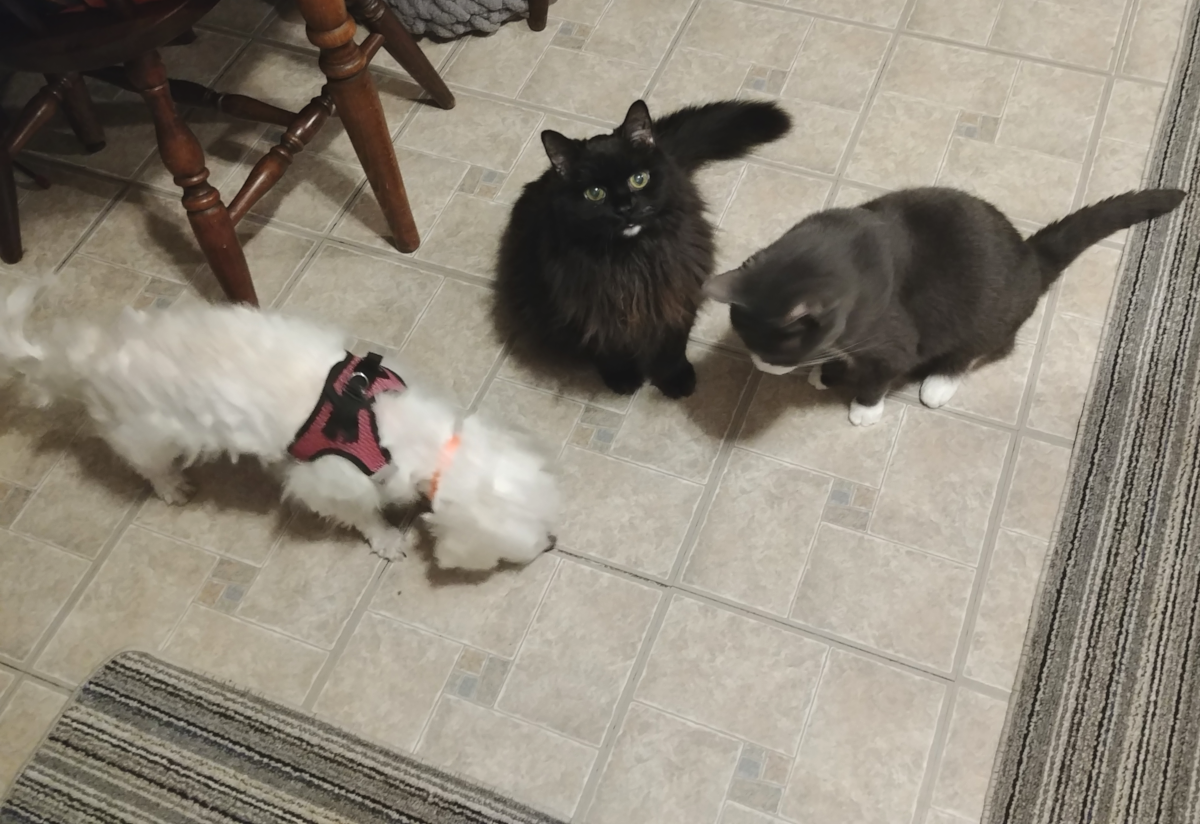
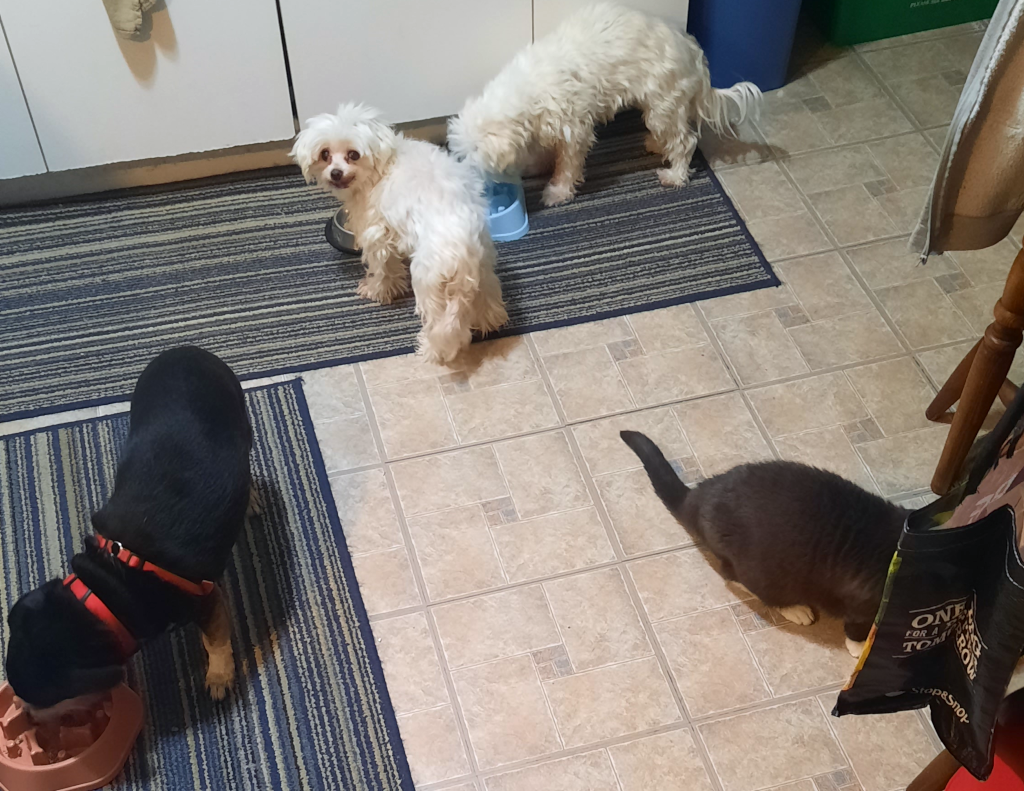
In a multi-pet home, resource guarding can become more complicated. A rescued dog may guard from people, other dogs, cats, or all of the above. Even a normally gentle dog may feel pressure when another pet wanders too close during meals. This is especially important in homes with senior pets, pets with mobility issues, or diabetic pets who need predictable feeding schedules. A dog who guards food should not be fed in a busy traffic lane where people, children, cats, or other dogs pass by constantly.
A simple management change can make a huge difference. Feeding a guarding dog in a quiet room, behind a baby gate, or inside a comfortable crate can lower stress for everyone. This is not punishment. It is privacy. Many dogs relax when they realize they can eat without competition or interruption.
For diabetic pet households, routines matter even more. While BellenPaws often talks about careful tracking for diabetic cats and dogs, including our free pet diabetes tracker and printable glucose curve forms, the emotional side of feeding matters too. A pet who feels rushed, crowded, or threatened around food is living with extra stress. Calm mealtimes support both safety and daily care.
What Not to Do When a Dog Guards
One of the most common mistakes people make is taking things away “to show the dog who is boss.” This can backfire badly. If a dog already believes resources vanish when humans approach, grabbing the bowl or toy only confirms that fear.
Another mistake is repeatedly putting your hand in the food bowl while the dog eats. This old advice was meant to teach tolerance, but many dogs experience it as harassment. Imagine finally sitting down to a meal while someone keeps reaching into your plate. For a nervous rescue dog, that is not trust-building. That is pressure.
Chasing a dog who has stolen an item can also make guarding worse. If your dog grabs a sock, wrapper, or toy and you immediately chase, the dog may learn that humans approaching means conflict. This can turn a simple stolen object into a high-stakes event. It is much safer to teach trades and keep dangerous items out of reach.
The best mindset is prevention first, training second, and professional help when needed. If your dog has bitten, seriously lunged, or guards intensely, it is wise to contact a qualified force-free trainer or veterinary behavior professional. Resource guarding can often improve, but serious cases need experienced guidance. Safety is not failure. Safety is love with a plan.
Building Trust Through Trades and Predictability
The heart of helping a resource-guarding dog is changing their expectation. Instead of thinking, “When people come near, I lose my good thing,” we want them to slowly learn, “When people come near, good things happen.”
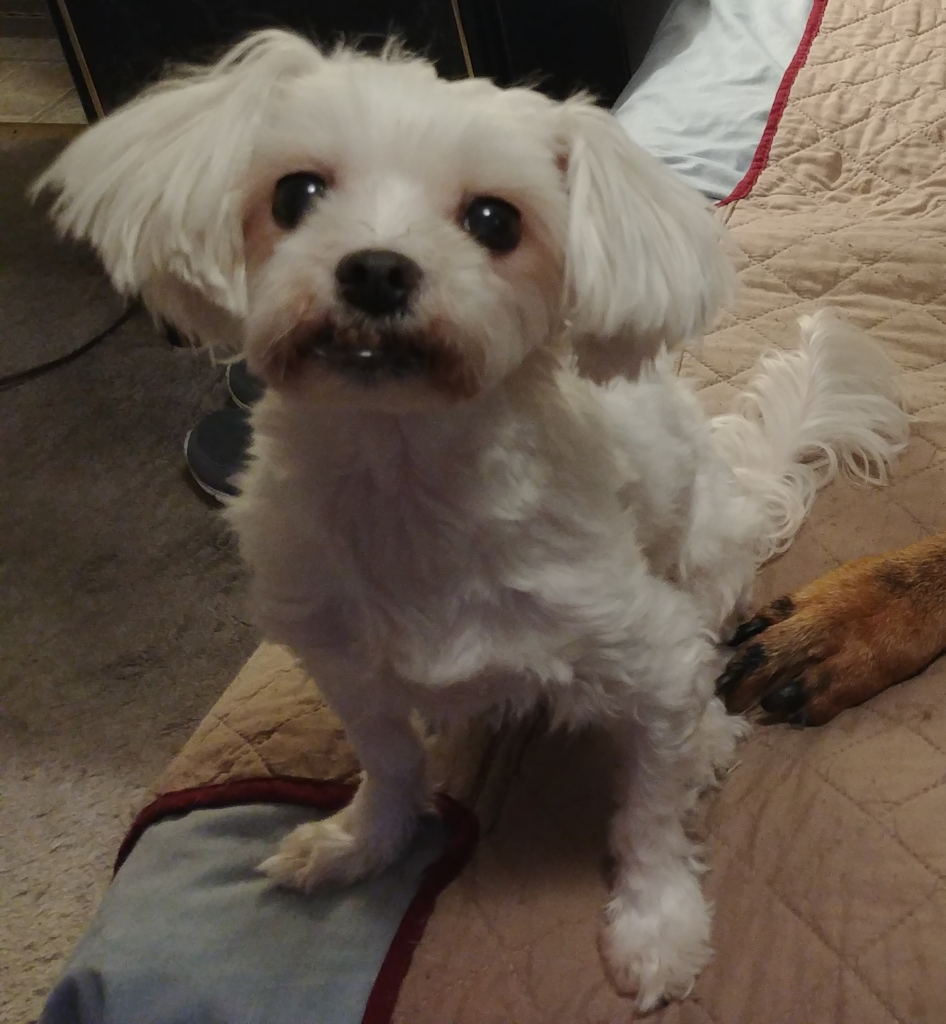 One gentle method is trading. Start with low-value items before trying anything your dog deeply loves. Offer a better treat in exchange for the item, then give the item back when safe and appropriate. That last part matters. If every trade means the prized object disappears forever, the dog may become suspicious. But if trades often lead to a treat and then the item returning, your dog begins to relax.
For food bowl guarding, many trainers use a careful approach where the person does not take the bowl. Instead, from a safe distance, they toss a tasty treat near the bowl and walk away. Over time, the dog learns that a person approaching during meals does not mean loss. It means bonus. The distance, timing, and pace matter a lot, so this should be done slowly and respectfully. If the dog stiffens, growls, or shows stress, you are too close or moving too fast.
Teaching a reliable “drop it” or “leave it” can also help, but those cues should be trained when there is no emergency. Practice with boring items, reward generously, and keep sessions short. A dog cannot learn well when they are panicked or defensive. Training should feel like a game, not a courtroom.
Consistency is where many families struggle. Everyone in the home needs to follow the same rules. If one person trades gently while another grabs objects away, the dog receives mixed messages. Children especially need clear boundaries. They should never be allowed to approach a dog who is eating, chewing, sleeping, or guarding a space. Even the sweetest child and the sweetest dog can have a bad moment when fear and surprise collide.
Living Peacefully With a Dog Who Needs Extra Reassurance
Some rescued dogs improve dramatically with time, patience, and good training. Others may always need thoughtful management around food, toys, or resting spaces. That does not mean they cannot live happy, loving lives. It just means we respect their limits.
 A dog who guards chews may only get special chews in a quiet room. A dog who guards meals may eat separately forever. A dog who guards the couch may need a cozy bed nearby and gentle training to make getting off furniture rewarding. These adjustments are not signs that the dog has “won.” They are signs that the household has become wiser.
We often talk about senior pets as individuals with histories, habits, aches, and emotional needs. Rescued dogs deserve that same grace. Many of them are not trying to control the home. They are trying to feel safe in it. When we give them structure, we are not spoiling them. We are giving their nervous system a chance to stop standing guard.
It also helps to celebrate small wins. The first time your dog lets you walk past the bowl without stiffening, that is progress. The first relaxed trade, the first soft tail wag near a toy, the first time they choose to bring you something instead of hiding with it, those moments count. Healing rarely looks dramatic day to day. It often looks like tiny changes that only a devoted pet parent notices.
If you share your home with other animals, remember that fairness does not always mean sameness. One dog may be fine eating in the kitchen while another needs a closed door. One pet may enjoy open toy baskets while another needs supervised toy time. The goal is not identical treatment. The goal is each pet feeling secure.
Compassion, Boundaries, and Hope
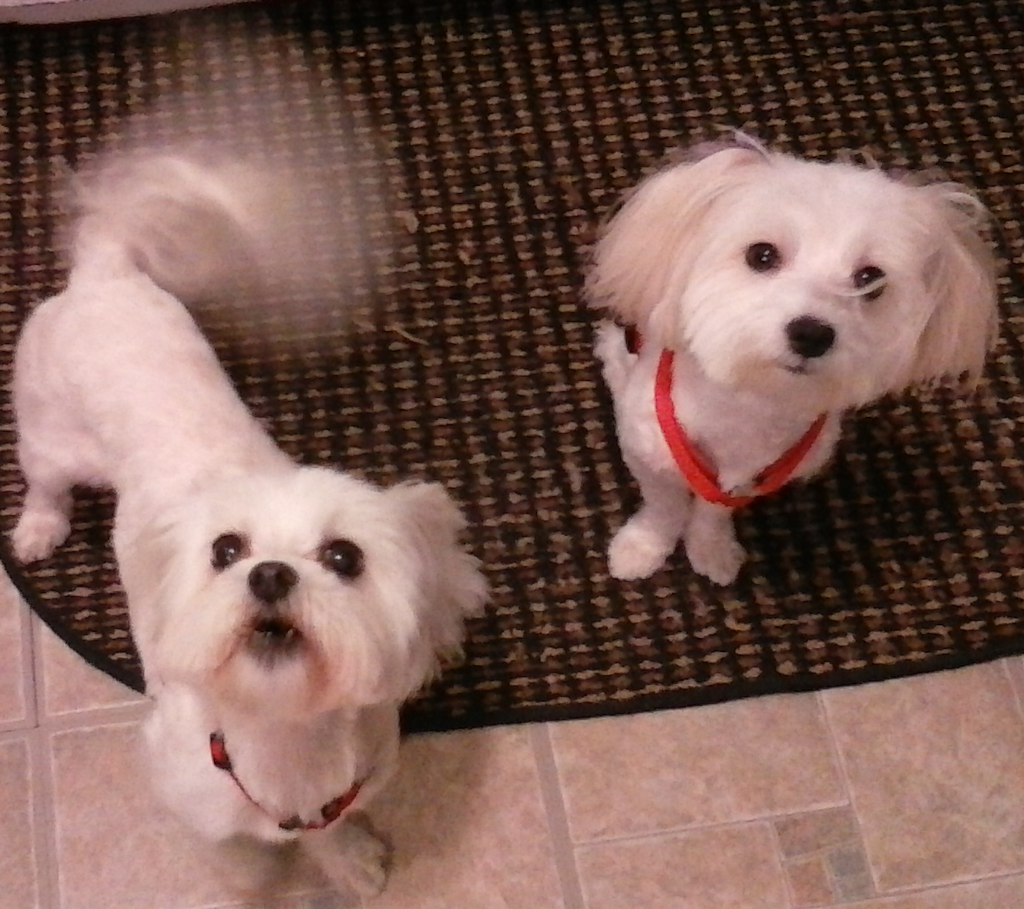 Resource guarding can be unsettling, especially when you hoped your rescued dog would simply understand they are safe now. But dogs do not heal on our schedule. They heal through repeated experiences that prove the world has changed.
Your job is not to erase their past overnight. Your job is to become predictable. Feed them in peace. Trade instead of grab. Listen to early warning signs. Protect children and other pets. Bring in professional help when the behavior feels unsafe or beyond your comfort level. Most of all, remember that trust is built in ordinary moments.
A rescued dog who guards resources is not broken. They are communicating insecurity in the only language they have. With patience, management, and compassionate training, many dogs learn that food will come again, toys are not always taken, beds are safe, and people can be trusted.
That is the quiet beauty of rescue work. We do not just give animals a home. We give them new evidence, one gentle day at a time.