

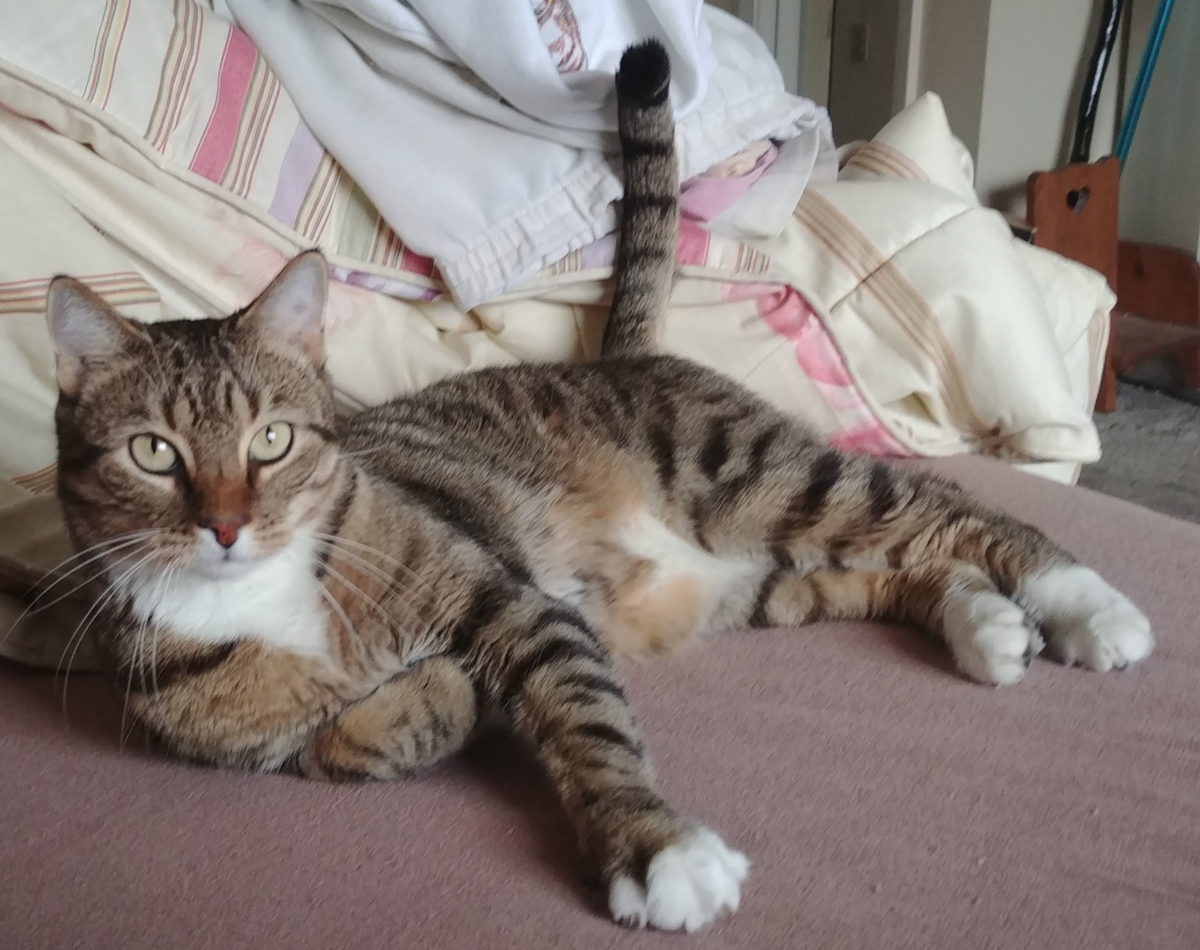
There is a certain kind of quiet that settles over a home with senior pets. It is not empty quiet. It is the sound of slow paws crossing the floor, the gentle sigh of an old dog settling into a bed, the soft creak of a cat stretching in a sunny window. When you have loved animals through many seasons of life, you start noticing how deeply they respond to the feeling of a room. A loud television can make them tense. A slammed door can make them disappear under the bed. A calm voice, a steady routine, and a peaceful environment can help them feel safe.
That is where the idea of music therapy for pets becomes interesting. Many pet parents have wondered whether soft music can actually help a nervous dog, an aging cat, or a diabetic pet who needs a calmer daily routine. It sounds gentle and hopeful, but it also raises a fair question: does music really do anything for them, or does it simply make us feel better while we care for them?
From my perspective as a longtime pet parent, not a veterinarian, I think the answer lives somewhere in the middle. Music is not magic. It will not cure arthritis, reverse kidney disease, replace anxiety medication, or make a stressful vet visit suddenly easy. But the right kind of sound, used thoughtfully, can become part of a comforting environment. For some pets, especially seniors or animals who are easily startled, that small layer of calm can matter more than we realize.
Why Sound Matters So Much to Pets
 Pets live in a world of sound that is much sharper than ours. Dogs and cats hear things we miss completely. A truck down the road, a high-pitched electronic noise, a neighbor’s footsteps, the clatter of dishes, or even the hum of an appliance may register with them before we notice anything at all. For senior pets, that sound world can become even more confusing. Some lose hearing gradually, while others become more sensitive to vibration, sudden movement, or changes in the household rhythm.
This is one reason music can be helpful. It does not need to “entertain” a pet the way it entertains us. It may work more like a sound blanket. Gentle, steady music can soften the edges of the home environment by covering unpredictable noises with something more consistent. For a pet who startles easily, that can help reduce the feeling that every little sound is a threat.
We saw this kind of sensitivity often with senior cats in our home. Belle, one of the founding hearts behind BellenPaws, had her own ways of responding to stress as she aged. When a senior pet is dealing with health issues, routine and atmosphere become part of care. You start thinking about lighting, voices, feeding times, medication schedules, soft bedding, and yes, sometimes even what sounds are filling the room.
Music therapy for pets is really about that larger idea. It is not just pressing play and expecting transformation. It is about asking, “What does my pet experience in this room?” If the answer includes chaos, sharp sounds, or long stretches of lonely silence, then gentle music may be worth trying.
What Kind of Music Seems to Help?
Not all music is equally calming for pets. A blasting playlist with sudden drum hits, heavy bass, or sharp vocals may do the opposite of what we want. Many animals seem to respond better to slower, softer sounds. Classical music, gentle piano, soft acoustic pieces, harp music, and simple ambient tracks are often used by pet parents who want to create a peaceful space.
 There is also music designed specifically for cats or dogs. Some of it uses tempos, tones, and patterns intended to match the way animals process sound. Whether every pet responds to those tracks is another story, because animals are individuals just like people. One cat may melt into a blanket during soft piano music, while another could not care less. One dog may settle during gentle instrumental music, while another may prefer silence.
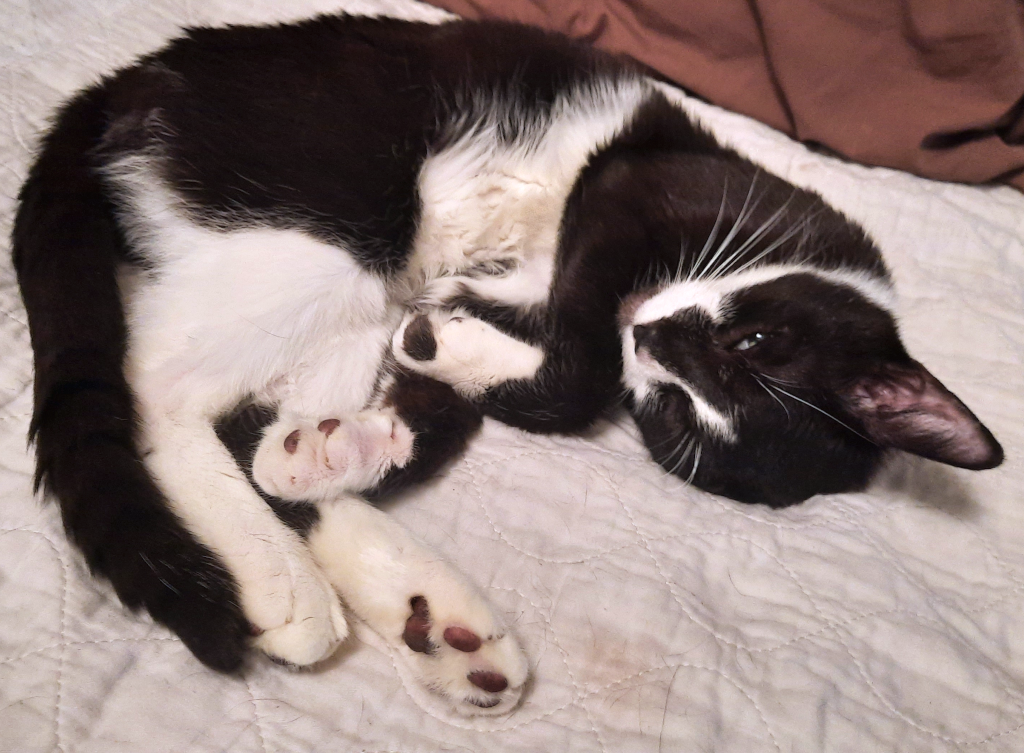
The key is observation. Pets tell us what works if we pay attention. A relaxed pet may stretch out, slow their breathing, blink softly, groom calmly, curl up, or fall asleep. A stressed pet may pace, hide, pin the ears back, vocalize, pant, stare toward the speaker, or leave the room. If the music causes tension, it is not therapy for that pet. It is just more noise.
Volume matters too. What sounds soft to us may still be too much for an animal, especially a cat resting in a quiet room. The goal is not to fill the house like a concert hall. The goal is to create a gentle background layer. I usually think of it like speaking softly beside a sleeping pet. If the sound would interrupt their rest, it is probably too loud.
For diabetic pets, calming music may be useful around routines that can feel repetitive or stressful, such as glucose checks, meals, and insulin time. With Bentley, who receives shots twice a day, the routine itself matters most. The calm voice, the predictable timing, the steady handling, and the confidence of the caregiver are the foundation. But a peaceful room can support all of that. Music may become one more cue that says, “Nothing scary is happening. We are just doing what we always do.”
Where Music May Be Most Useful
Music may help most in situations where a pet is mildly anxious, overstimulated, lonely, or unsettled by the environment. It can be especially useful during thunderstorms, fireworks, neighborhood noise, construction, or when visitors are in the home. It may also help some pets who experience separation stress when their person leaves, although severe separation anxiety usually needs a more complete plan with veterinary guidance.
 Senior pets may benefit because their world often becomes smaller and more routine based. Many older animals spend more time resting. They may not enjoy household commotion the way they once did. A calm sound environment can make their favorite resting spots feel more secure. Soft music in a room where an elderly cat naps or an older dog rests can make the home feel less abrupt and more predictable.
Music can also help us, and that should not be dismissed. Pets read our energy. If soft music helps a worried pet parent slow down, breathe, and handle care more gently, the pet may benefit from that too. When you are caring for an aging animal, especially one with a chronic condition, your nervous system becomes part of the household rhythm. A calmer caregiver often creates a calmer room.
That said, music should never be used to cover up signs that something is wrong. If a pet is pacing, crying, hiding, panting heavily, trembling, refusing food, suddenly acting confused, or showing pain, music is not the solution by itself. Those signs deserve attention. Sometimes what looks like anxiety may actually be pain, high blood pressure, vision changes, thyroid disease, cognitive decline, urinary trouble, or another medical issue. A veterinarian should be involved when behavior changes are new, intense, or unusual.
This is especially important with senior pets. We have cared for enough older cats and dogs to know that behavior often speaks before a diagnosis does. A pet who suddenly seems restless at night may not just need music. They may need a blood pressure check, thyroid testing, pain evaluation, kidney monitoring, or a review of their medications. Music can comfort, but it cannot examine.
How to Try Music Safely at Home
The safest way to try music therapy is to start gently and let your pet vote with their behavior. Choose a soft, steady track and play it at low volume during a calm time of day. Do not start during the worst thunderstorm of the year or in the middle of a stressful glucose check. Introduce it when the environment is already peaceful, so your pet can form a relaxed association with the sound.
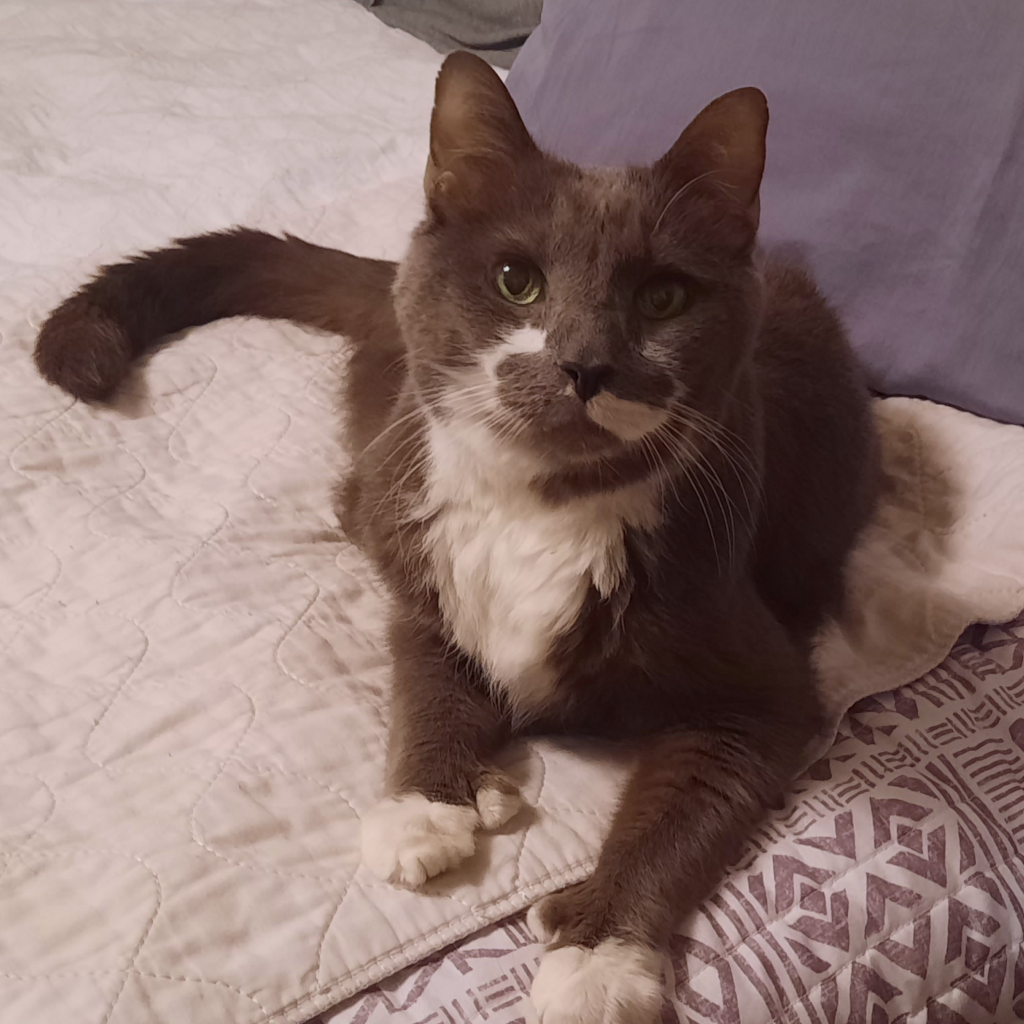 Stay nearby at first and watch your pet’s body language. If they seem relaxed, you can use the same type of music during other quiet routines. If they leave the room, hide, or seem irritated, turn it off and try silence another day. A pet should always be able to move away from the sound. That choice matters, especially for cats, who often feel safest when they can control their space.
Avoid placing speakers right beside a pet’s bed, crate, carrier, or food bowl. Sound should be environmental, not aimed directly at them. Also be careful with headphones or small enclosed spaces. A crate covered with blankets and filled with sound can become overwhelming if the pet has no escape from it.
Music can pair nicely with other calming habits. A soft bed in a familiar corner, dim lighting in the evening, a predictable feeding schedule, and a gentle human voice can all work together. For diabetic pets, a calm care station can make a difference. At BellenPaws, we care deeply about routines that make diabetes management less frightening for both pets and people. Our free pet diabetes tracker and printable glucose curve forms are designed to help pet parents stay organized, but the emotional side matters too. A chart helps you see patterns. A calm routine helps your pet live through those patterns with less fear.
The goal is not to turn your home into a spa. The goal is to reduce unnecessary stress in realistic ways. Sometimes that looks like turning the television down. Sometimes it means using a white noise machine. Sometimes it means soft piano music during evening rest. Sometimes it means realizing your pet prefers quiet, and honoring that.
So, Does It Actually Work?
Music therapy for pets can work, but not in a one-size-fits-all way. It works best when we define “work” honestly. If we expect music to cure illness or erase serious anxiety, we are asking too much. If we hope it can support a calmer environment, soften stressful sounds, and help some pets settle more comfortably, then yes, it can be a useful tool.
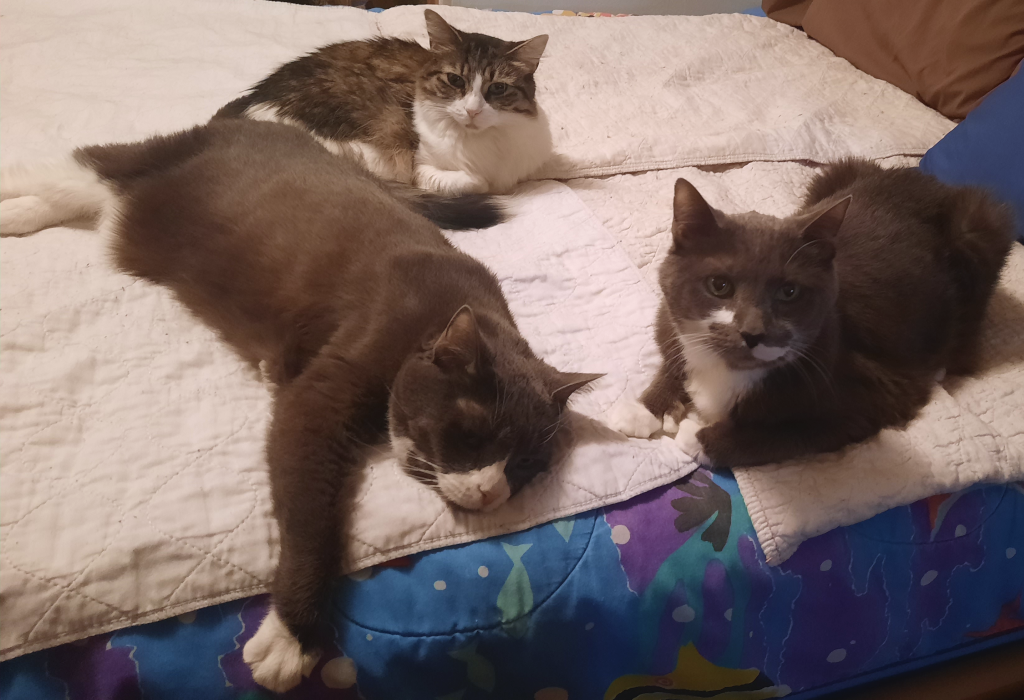 The real therapy is not only the music. It is the attention behind it. It is the pet parent noticing that their old dog sleeps better when the house is quieter. It is the cat caregiver realizing that a senior kitty rests more deeply with gentle background sound instead of sudden household clatter. It is the diabetic pet parent building a shot-time routine that feels steady instead of rushed. Music becomes meaningful when it is part of thoughtful care.
Every pet has preferences. Some will respond beautifully. Some will ignore it completely. Some may dislike certain sounds, instruments, or volumes. That does not mean you failed. It means your pet is an individual, and good care means listening to the animal in front of you.
For senior pets, comfort is often built through small mercies. A softer blanket. A night light. A raised dish. A slower approach. A warm voice. A quieter room. Music may be one of those mercies. It is simple, low-cost, and easy to try safely. When used with patience and common sense, it can become part of a home that says to an aging or anxious pet, “You are safe here.”
And sometimes, that is exactly what they need to hear.