

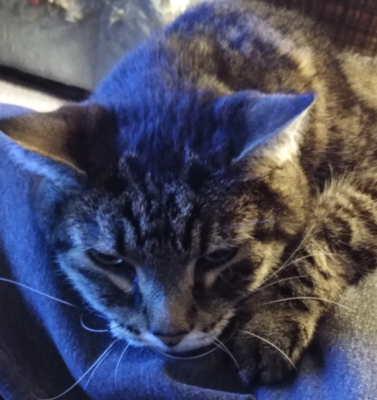
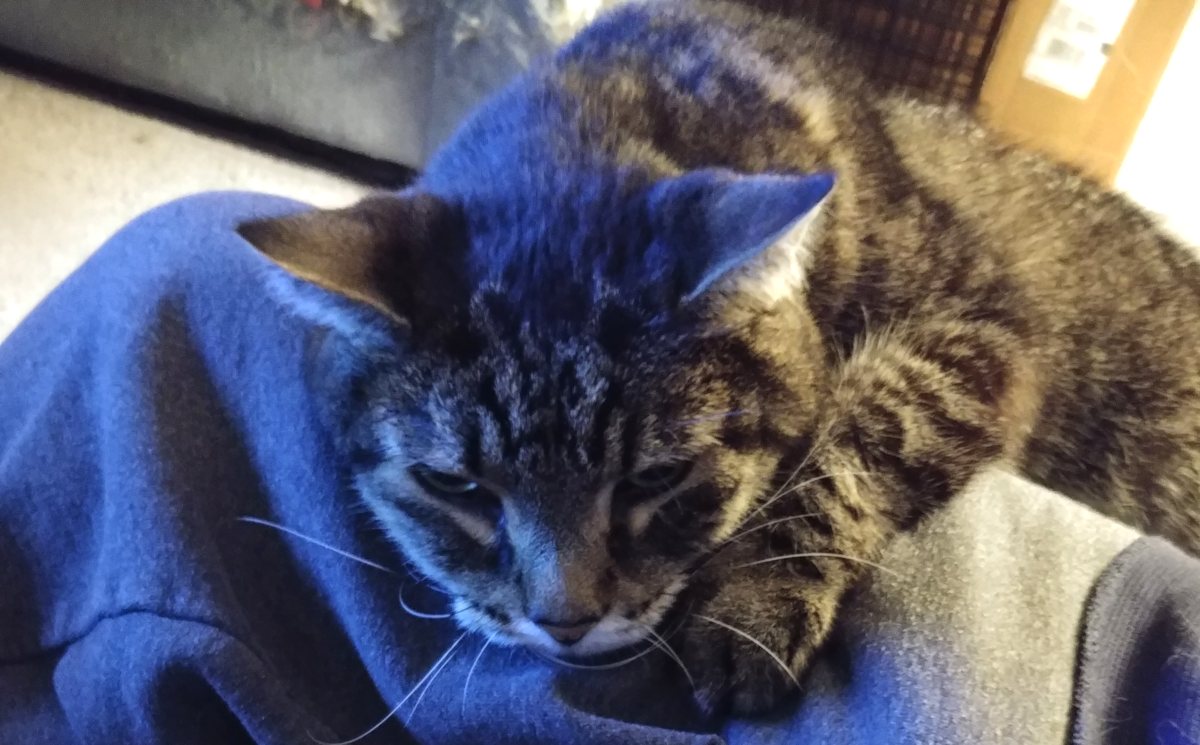
There is something deeply humbling about caring for an older pet. Senior dogs and cats have a way of walking into a room with history in their eyes. They may move a little slower, sleep a little deeper, and ask for comfort in quieter ways than a young puppy or kitten, but they often bring a kind of love that feels steady, grateful, and wise.
Fostering senior pets is one of the most meaningful things a pet parent can do, but it is also one of the most misunderstood. People sometimes imagine fostering as only a temporary stop between shelter life and adoption. In reality, when the foster pet is older, it becomes something more intimate. You are not just giving them a bed. You are giving them peace, routine, dignity, and the chance to be seen as more than their age or medical chart.
At BellenPaws, we have always believed that senior pets deserve more than sympathy. They deserve advocacy. They deserve homes where their quirks are understood, their needs are respected, and their remaining time is treated as valuable, whether that time is measured in years, months, or sometimes only a short season. Fostering senior dogs and cats is not always easy, but the rewards can reach places in your heart you did not know were waiting to be opened.
Why Senior Pets Need Fosters So Badly
Animal shelters and rescue groups often struggle to place senior pets. A young animal might attract attention quickly, while an older dog curled in the back of a kennel or a senior cat quietly watching from a cage may be passed over again and again. Sometimes people worry about medical costs. Sometimes they fear heartbreak. Sometimes they assume an older pet will not bond with them the way a younger one would.
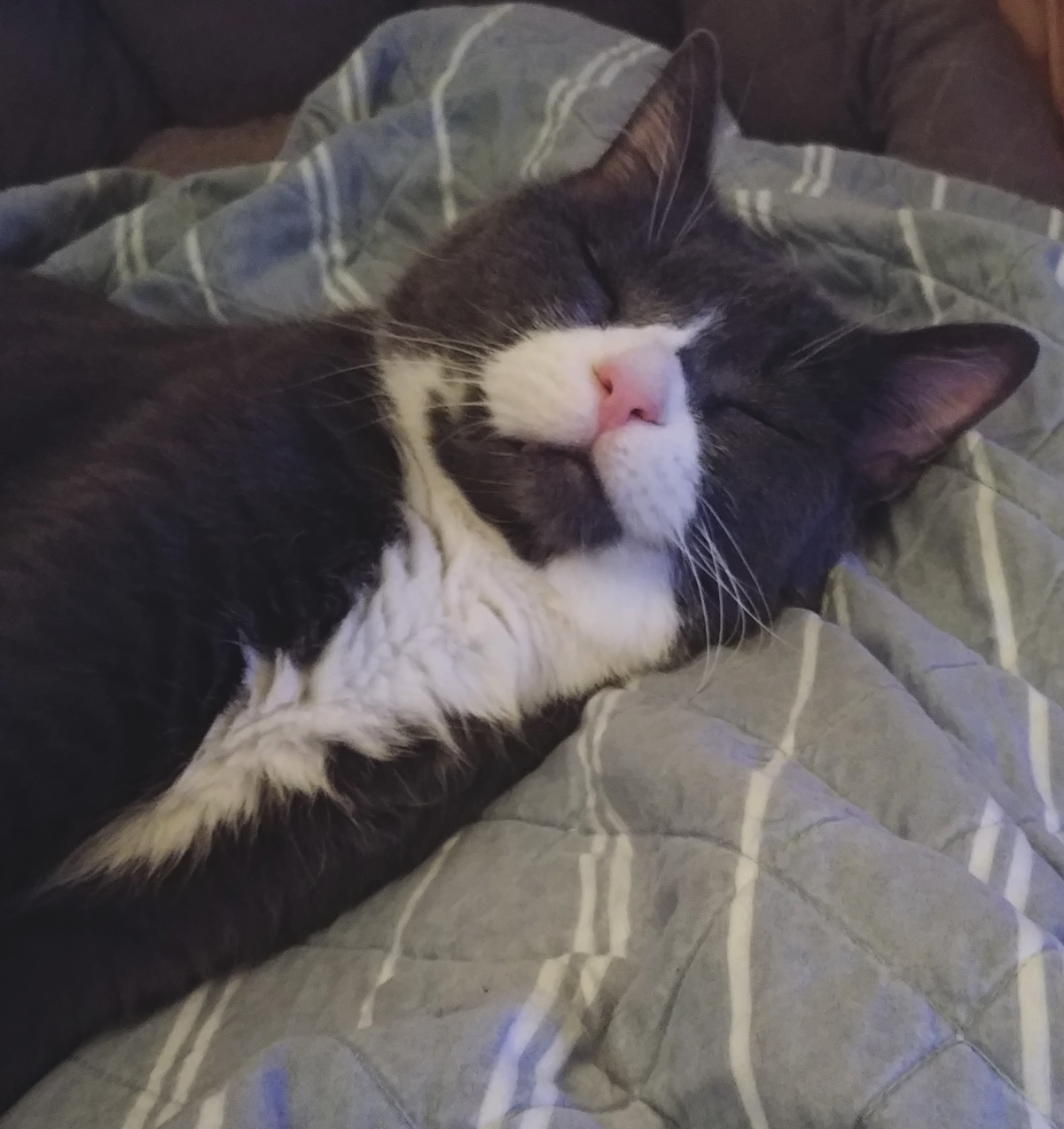 But anyone who has loved seniors knows how untrue that last part can be. Older pets absolutely bond. Many bond quickly, almost as if they understand the gift of safety. A senior dog may lean into your leg after only a few days. A senior cat may begin sleeping beside you once they realize the food bowl is full, the room is calm, and no one is rushing them.
Foster homes give senior pets something shelters often cannot provide consistently: a quiet environment, observation, individualized care, and a better sense of who the animal really is. A shelter may see a scared cat hiding in a cubby, but a foster home may discover a gentle lap cat who simply needed time. A rescue may see an older dog who seems tired and withdrawn, but a foster may learn that the dog perks up on short walks, loves soft blankets, and still has a silly tail wag when dinner is served.
That kind of knowledge matters. It helps rescues match the pet with the right adopter. It also gives the animal a chance to rest, recover, and show their true personality away from the stress of a shelter setting. For senior pets, that chance can be life-changing.
The Rewards Are Quiet, But Powerful
Fostering a senior pet is not usually loud or dramatic. The rewards often come softly. They show up in the first relaxed sigh after a nervous animal finally settles into a bed. They appear when a dog who once paced all night begins sleeping peacefully. They arrive when a cat who hid for a week decides to sit nearby, not quite on your lap yet, but close enough to say, “I am starting to trust you.”
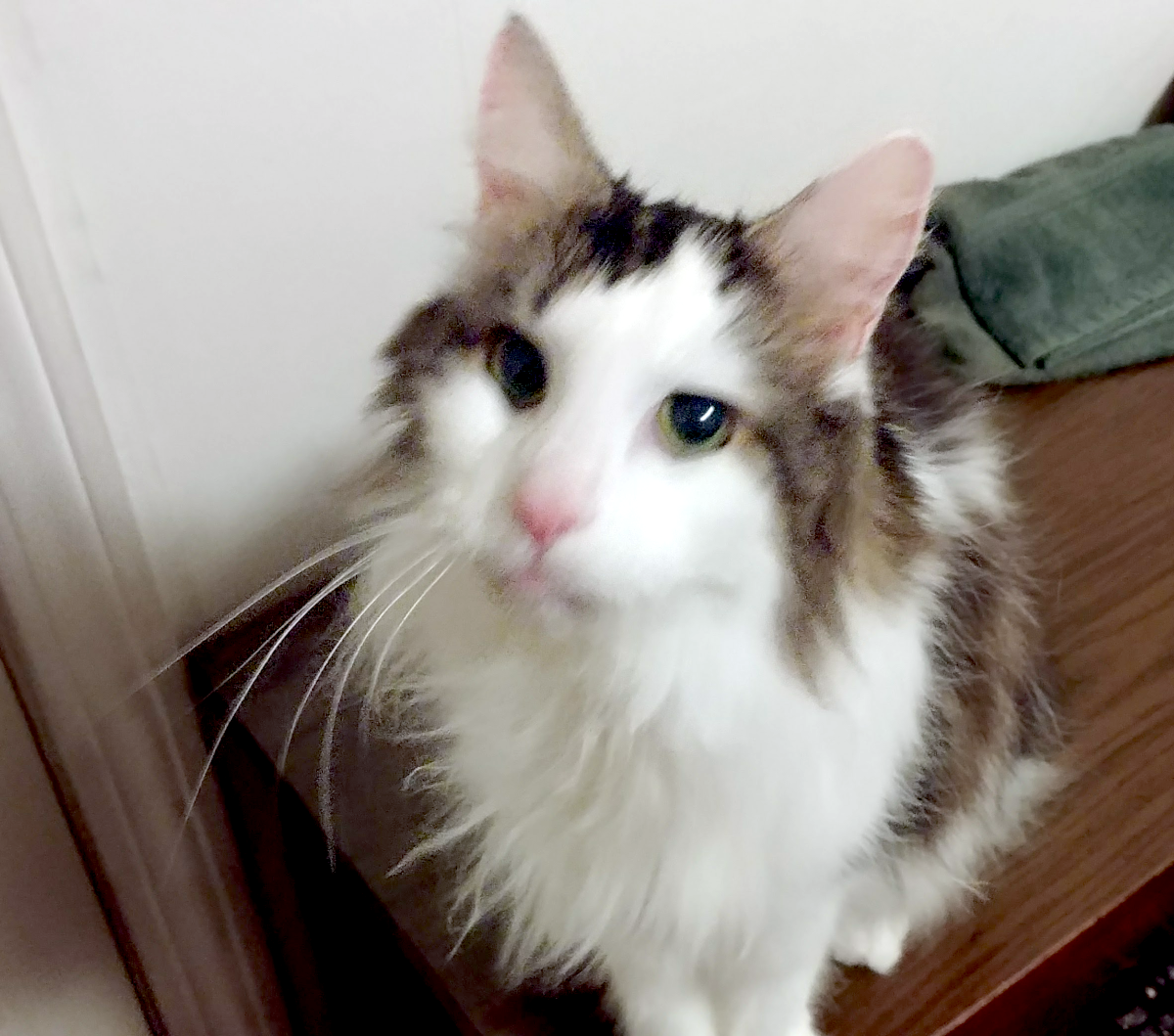 There is a special kind of joy in earning the confidence of an older animal. Many senior pets have lived through loss, change, confusion, or abandonment. Some have lost their previous families because of illness, housing issues, death, finances, or circumstances completely outside their control. They may arrive unsure of what is happening, carrying the emotional weight of being uprooted.
When they begin to relax, it feels like a privilege to witness. You are not forcing them to become someone new. You are simply giving them room to remember they are safe.
That reward can be especially meaningful for people who have cared for aging pets before. We still think of Belle and Paws often, the senior cats who inspired the heart behind BellenPaws. Loving them through their older years taught us that senior care is not just about managing problems. It is about honoring the whole animal. Their routines, their preferences, their comfort, their dignity, and their little daily joys all matter.
A foster senior may not be with you forever, but that does not make the relationship small. Sometimes temporary care leaves a permanent mark. You become the bridge between fear and hope. You help an animal move from uncertainty into the next chapter of their life.
The Realities Should Be Faced With Open Eyes
As beautiful as senior fostering can be, it is important to be honest about the hard parts. Older pets may come with medical needs, mobility challenges, dental problems, vision or hearing loss, anxiety, medication schedules, special diets, or simply the need for extra patience. Some may have accidents in the house, especially at first. Some may sleep more than expected. Some may need help getting onto furniture, navigating stairs, or adjusting to new routines.
 This does not mean fostering seniors is only for experts. It means the foster home needs to be willing to observe, communicate, and adapt. A good rescue group should tell you what they know about the pet’s health, behavior, medications, and veterinary plan. They should also make clear what costs they cover and who to contact if something changes.
Senior pets often do best with predictability. A quiet sleeping space, consistent feeding times, gentle introductions, and a low-stress household rhythm can make a huge difference. If the pet is diabetic, on heart medication, dealing with kidney disease, or managing another chronic condition, the routine becomes even more important. That does not have to be frightening. It just means care needs to be organized.
For diabetic pets in particular, tracking matters. We know this from our own experience with Zippy, who achieved remission through careful tight regulation, and Bentley, who is still managed with insulin twice a day. When numbers, food, insulin, and behavior are tracked clearly, patterns become easier to see and conversations with the vet become more productive. That is one reason BellenPaws offers free tools like our online pet diabetes tracker with printable charts and tables for vets, along with printable glucose curve forms. For fosters caring for diabetic dogs or cats, tools like these can help turn a scary diagnosis into a more manageable daily routine.
Of course, not every foster pet will have diabetes or complex medical needs. Some are simply old. They may need a soft bed, patience with slower movement, and someone willing to love them without demanding puppy energy or kitten behavior. But even then, senior fostering asks for emotional maturity. You have to understand that love is still worth giving, even when forever may look different.
Preparing Your Home and Your Heart
Bringing a senior foster home is less about having a perfect setup and more about creating a thoughtful one. Before the pet arrives, it helps to think through the basics. Where will they sleep? Can they reach food, water, and litter boxes easily? Are floors slippery? Are there stairs they may struggle with? Is there a quiet room where they can decompress before meeting other pets?
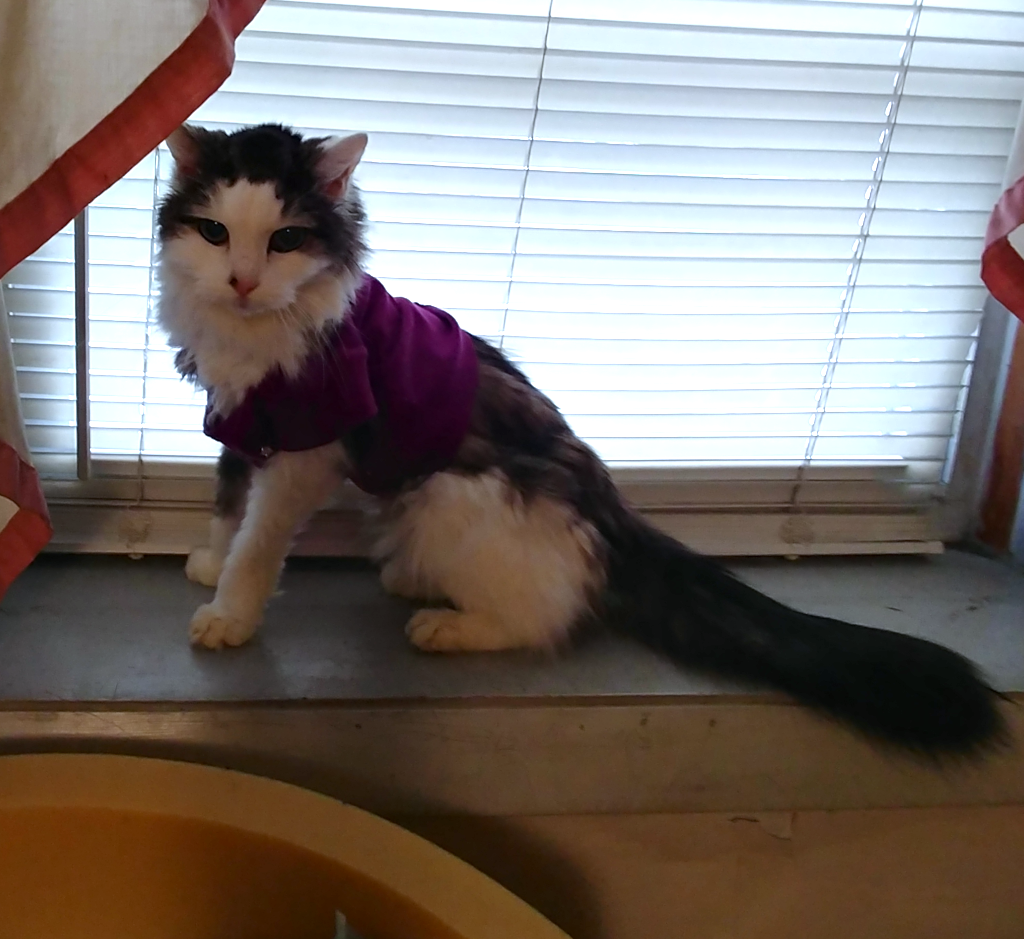 Senior cats often appreciate low-sided litter boxes, soft bedding, warm resting spots, and vertical spaces that do not require major jumping. Senior dogs may benefit from rugs or mats on slick floors, easy access to outside potty breaks, orthopedic beds, and shorter walks that respect their stamina. The goal is not to baby them unnecessarily. The goal is to remove avoidable stress so they can feel secure.
Introductions should be slow, especially if you have resident pets. Older animals may not appreciate chaos, and many need time to feel safe before interacting. A foster pet does not need to become best friends with everyone in the house immediately. In fact, giving them space can build trust faster than pushing closeness.
Your heart needs preparation too. Fostering means caring deeply while knowing the outcome is not entirely yours to control. The pet may be adopted by someone else. The pet may stay longer than expected. In some cases, especially with hospice or medical fostering, the role may be to provide comfort for the final stretch of life. That is tender work, and it is not for everyone at every season of life.
But there is no shame in knowing your limits. Some people are wonderful short-term fosters. Some are better suited for calm seniors with mild needs. Others can handle hospice care or complex medical routines. The important thing is to be honest with the rescue group so the right match can be made. Saying “I can help, but only within these limits” is far better than overcommitting and burning out.
When Goodbye Hurts, It Still Means the Love Worked
One of the biggest fears people have about fostering is the goodbye. It is a real fear. Saying goodbye to a pet you have cared for, even temporarily, can hurt deeply. You may wonder if they will understand. You may worry about missing them. You may even feel guilty for letting them go.
But when a foster pet moves into a loving adoptive home, that goodbye is not a failure. It is the mission completed. You gave them safety when they needed it. You learned their habits, helped them heal, and made it easier for someone else to welcome them. Your love did not disappear because they left your home. It became part of the path that carried them forward.
And sometimes the goodbye is different. Sometimes a senior foster becomes a permanent family member. Foster families often joke about “foster failing,” but there is nothing wrong with realizing a pet has already found home. Still, adoption should be considered carefully, especially with senior or medically fragile animals. Love matters, but so do resources, time, space, and long-term care ability.
The hidden reward of fostering seniors is that it teaches a different kind of love. It is not based on how long you get. It is based on the quality of what you give. You learn to celebrate small victories: a clean bill of appetite, a good nap, a successful medication routine, a tail wag, a purr, a relaxed stretch in a sunbeam.
Those little moments may not look dramatic to the outside world, but to a senior pet, they can mean everything.
A Final Thought for Anyone Considering It
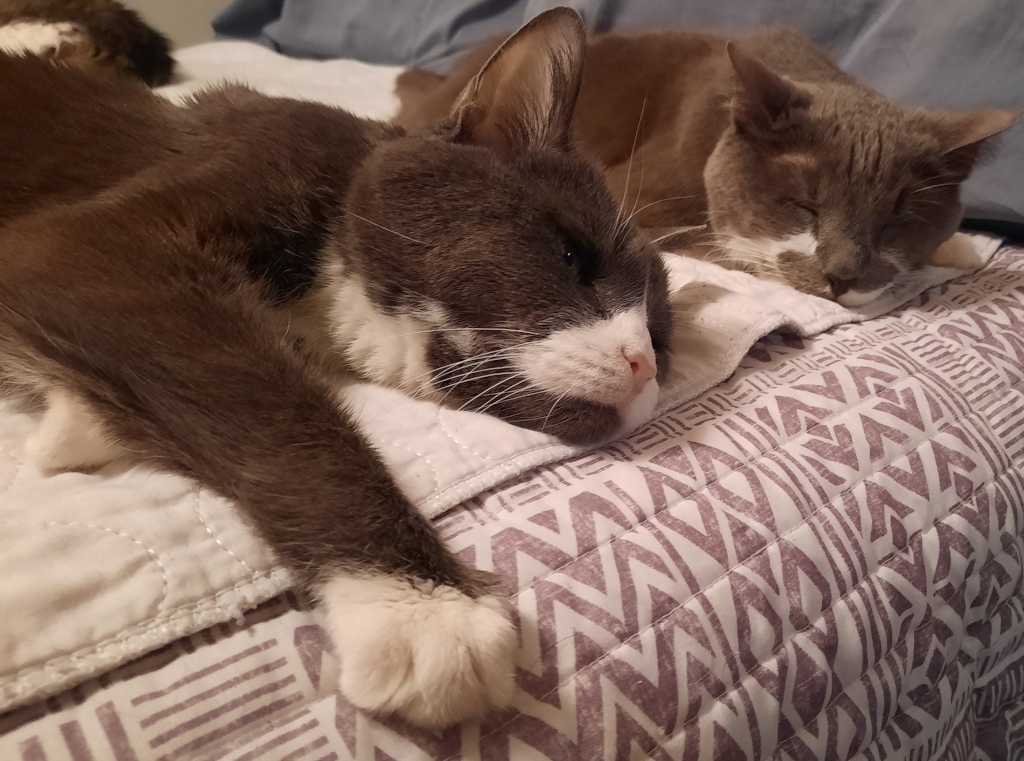 If you are thinking about fostering a senior dog or cat, start with a conversation. Reach out to a reputable rescue or shelter and ask what support they provide. Ask about medical costs, emergency procedures, supplies, behavior history, and expected commitment. Be clear about your home, your schedule, your other pets, and your comfort level with medication or special needs.
You do not need to be perfect to foster. You need to be patient, observant, and willing to care. You need to communicate when something changes. You need to understand that older animals may not always arrive polished and easy, but they often arrive with enormous capacity for trust once they feel safe.
Senior pets have already given years of love to the world. Some have been cherished. Some have been failed. Some have simply been caught in circumstances they could not understand. Fostering gives them a chance to be more than overlooked. It gives them warmth, routine, tenderness, and someone who sees their worth right now.
And for the person doing the fostering, the gift goes both ways. Senior dogs and cats remind us to slow down. They teach us that comfort matters. They show us that love does not have to be young, loud, or perfect to be powerful. Sometimes love looks like a gray muzzle resting on your knee. Sometimes it sounds like an old cat purring beside you after finally deciding you are safe.
That is the quiet magic of fostering seniors. It is real work. It can be emotional. It can ask more of you than expected. But it can also become one of the most compassionate and rewarding ways to change a life, even if only for a chapter.