
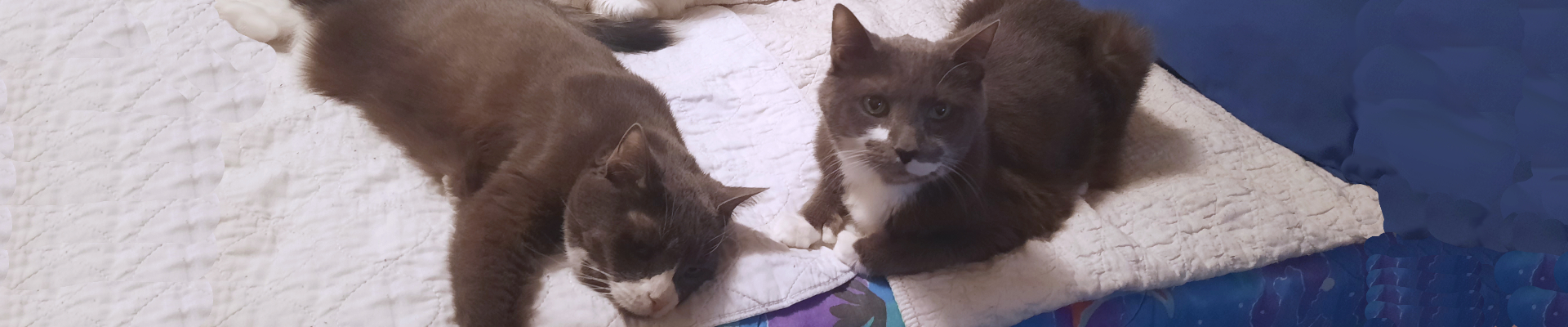
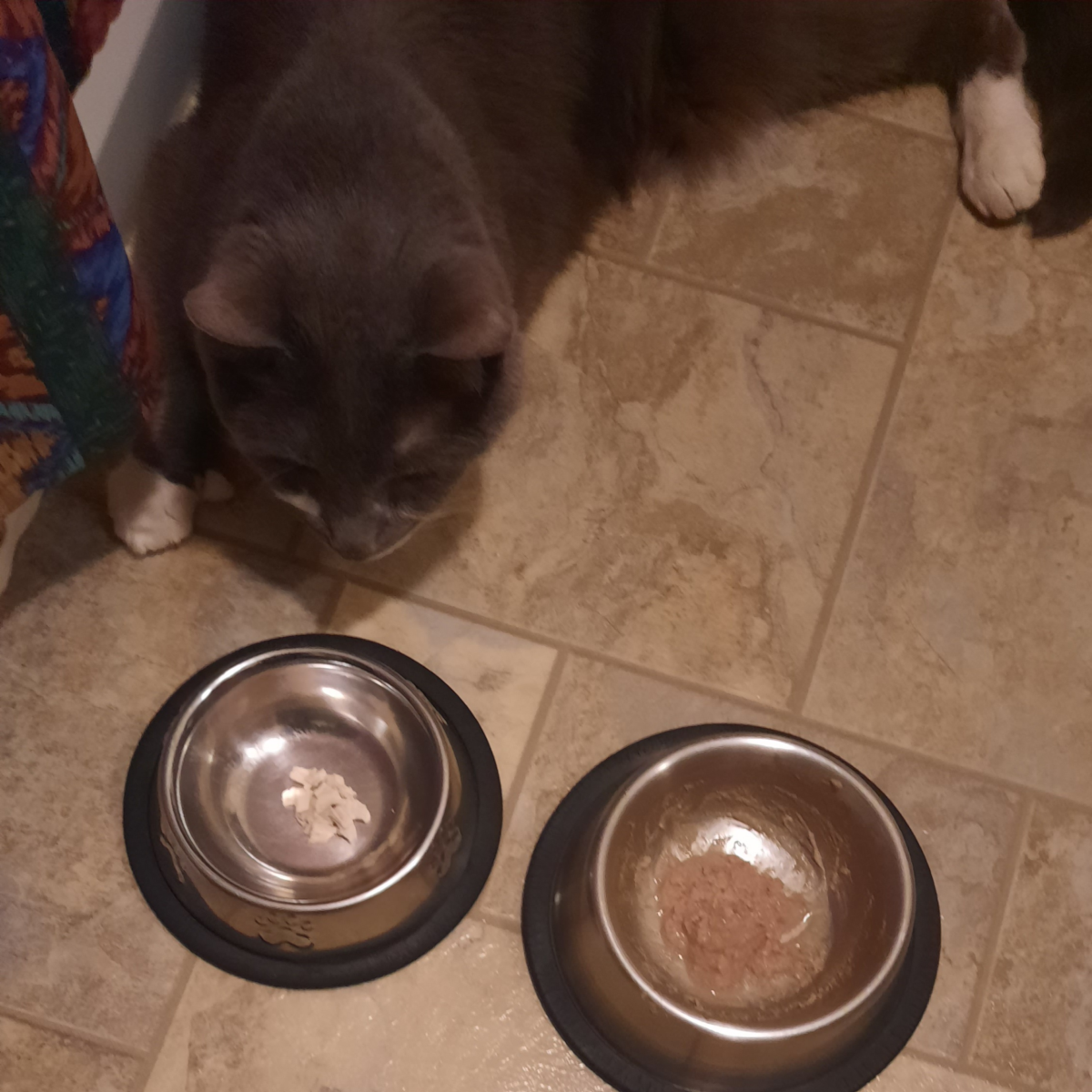
Food becomes personal when you have loved a pet through old age. By the time a dog or cat reaches their senior years, meals are no longer just about filling a bowl. They become part of a daily care routine that may include medications, supplements, water intake, weight checks, blood pressure concerns, kidney values, thyroid numbers, dental issues, digestion problems, and, for some families, glucose readings before insulin.
That is why raw diets can stir up such strong feelings among pet parents. Some people swear their older dog became brighter, leaner, and more energetic after switching to raw food. Others have faced vomiting, diarrhea, bacterial contamination, nutritional imbalance, or a flare-up of an existing health problem. As someone who has cared for senior pets through kidney disease, hyperthyroidism, heart concerns, obesity, dehydration, blindness, cancer, and diabetes, I understand why people go looking for the “best” possible food. When you love an aging pet, you want every meal to help, not hurt.
Raw feeding usually means a diet built around uncooked meat, organs, bones, eggs, or other animal ingredients. Some families prepare it at home, while others buy frozen, freeze-dried, or refrigerated commercial raw products. The idea sounds simple and natural on the surface, but senior pets are rarely simple. Their bodies may not handle risk the way a young, healthy animal can. So instead of treating raw diets as either a miracle or a mistake, it is better to slow down and look honestly at both sides.
Why Raw Diets Appeal to Senior Pet Parents
The biggest appeal of raw diets is the feeling that we are giving our pets something closer to “real food.” Many pet parents are uneasy about highly processed foods, long ingredient lists, artificial colors, fillers, or diets that do not seem to match a cat or dog’s natural instincts. Cats especially are obligate carnivores, which means they need nutrients that come from animal tissue. Dogs are more flexible, but they still tend to thrive on digestible animal protein when their individual health allows it.
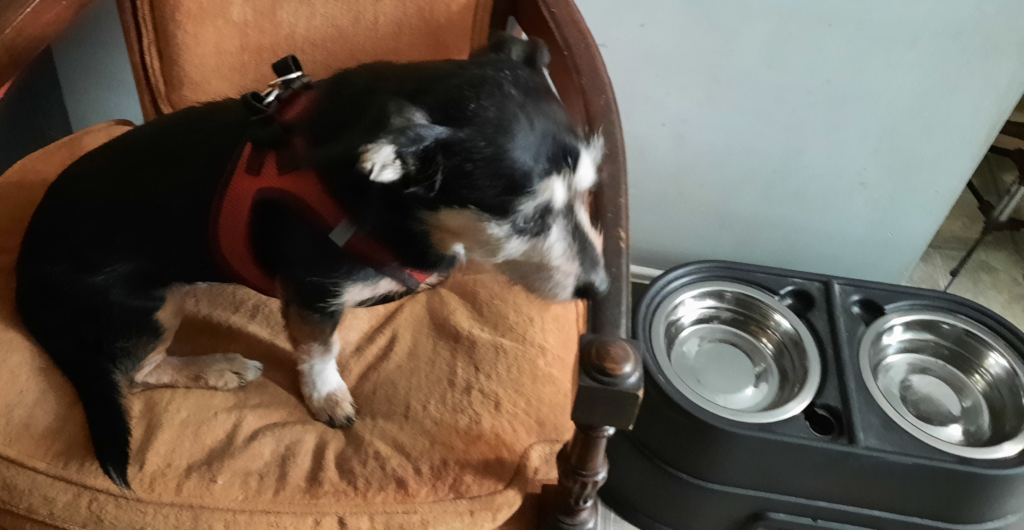 Some owners report improvements after switching to a raw or fresh-style diet. They may notice shinier coats, smaller stools, better muscle tone, improved appetite, fewer itchy-skin episodes, or more excitement at mealtime. For senior pets who have become picky, the smell and texture of meat-based food can sometimes encourage eating. That matters, because keeping weight and muscle on an older pet can become a daily battle.
There is also a strong emotional side to this. When Belle was aging and dealing with several health issues, every bowl of food felt like a decision that carried weight. You start asking yourself whether the food is supporting the body or just getting calories in. With diabetic cats like Zippy and Bentley, food choices become even more intense because carbohydrate levels, timing, appetite, and consistency all matter. A pet parent managing insulin twice a day does not look at food casually. Food becomes part of the treatment rhythm.
That is where raw diets can seem attractive. Many raw diets are lower in carbohydrates than standard dry foods, and some pet parents of diabetic cats become interested in raw feeding for that reason. Lower carbohydrate intake can be helpful for some diabetic cats, but that does not automatically mean raw is the safest or best way to get there. There are cooked, canned, veterinary, and carefully formulated low-carb options that may offer similar carbohydrate control with fewer contamination concerns.
The other perceived advantage is ingredient control. A homemade raw diet gives the owner full visibility over what goes into the bowl. For pets with sensitivities, allergies, or digestive trouble, this can feel empowering. But that same control also brings responsibility. A bowl of raw meat is not automatically a complete diet. Senior pets need the right balance of protein, fat, minerals, vitamins, calcium, phosphorus, essential fatty acids, and moisture. Getting that balance wrong over time can quietly cause harm.
The Real Risks Behind the Bowl
The most important concern with raw diets is bacterial contamination. Raw meat can carry pathogens such as Salmonella, Listeria, Campylobacter, and E. coli. These germs can affect the pet eating the food, but they can also affect the humans in the home through bowls, counters, hands, litter boxes, saliva, feces, and shared surfaces. Major veterinary and public health organizations caution against feeding raw or undercooked animal-source proteins to pets because of pathogen risk. The AVMA discourages feeding cats and dogs animal-source protein that has not gone through a process to eliminate pathogens, and AAHA does not advocate feeding raw or dehydrated nonsterilized animal-origin foods.
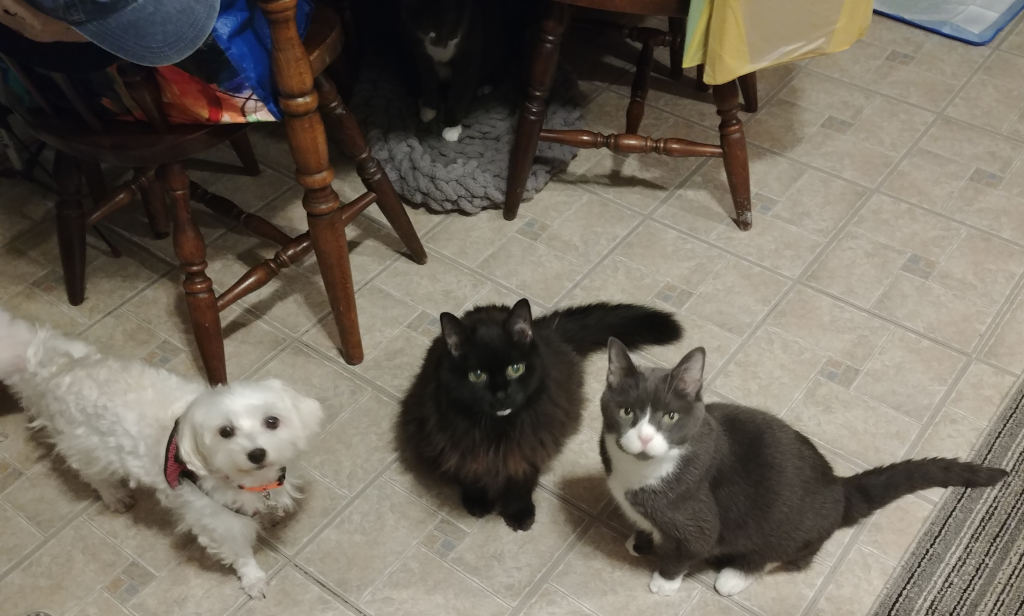 That risk matters even more in a home with seniors, children, pregnant people, immune-compromised family members, or anyone going through medical treatment. It also matters for pets with weaker immune systems. A young, sturdy dog might eat contaminated food and show few signs, while a frail senior pet could become seriously ill. Older pets may already have reduced reserves. A few days of vomiting or diarrhea can quickly turn into dehydration, weakness, appetite loss, or a crisis.
For diabetic pets, the risk can be especially stressful. Diabetic cats and dogs need predictable meals. If a raw meal causes stomach upset, refusal to eat, diarrhea, or vomiting, insulin timing suddenly becomes complicated. Anyone who has managed a diabetic pet knows that “not eating” is not a small detail. It can turn a normal morning into a careful decision about whether to give insulin, reduce insulin, delay insulin, test again, call the vet, or monitor closely. That is one reason I would be very cautious about changing a diabetic senior pet’s diet without veterinary guidance and home glucose tracking.
Raw bones are another concern. Some raw feeders use bones for calcium and dental benefits, but bones can fracture teeth, become lodged, cause choking, irritate the digestive tract, or lead to constipation. Cooked bones are especially dangerous because they splinter more easily, but raw bones are not risk-free. Senior pets may already have worn teeth, missing teeth, dental disease, slower digestion, or arthritis that changes how they chew and swallow. A food that looks “natural” still has to be safe for the actual pet in front of you.
Nutritional imbalance is the quieter danger. A homemade raw diet made from muscle meat alone can be seriously incomplete. Too much liver can cause vitamin excess. Too little calcium can affect bones and metabolism. The wrong calcium-to-phosphorus ratio can be a major issue, especially for cats and dogs with kidney disease. Senior pets often need individualized nutrition, not a one-size-fits-all recipe from social media.
Senior Pets Are Not Just Older Versions of Young Pets
One of the biggest mistakes we can make is assuming that senior pets can handle diet changes the same way they did when they were young. Aging changes digestion, hydration, muscle mass, dental comfort, immune strength, kidney function, and appetite patterns. Even a healthy-looking senior can have hidden issues that only show up in bloodwork or after a stressful change.
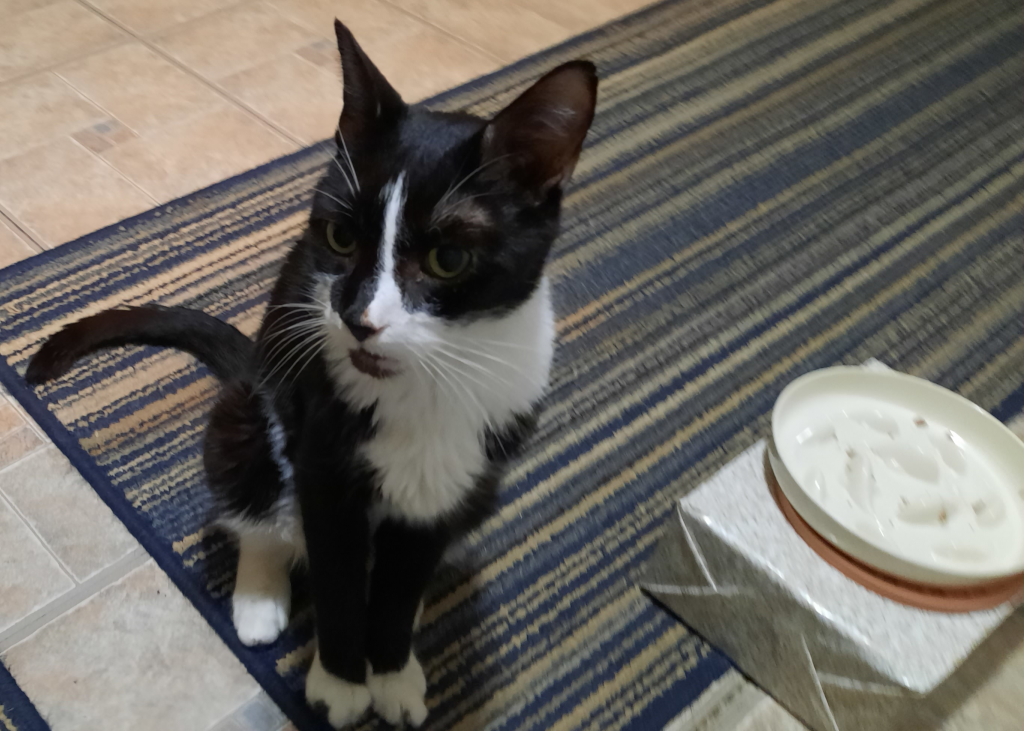 Kidney disease is a good example. Many older cats develop some level of kidney compromise. These cats often need careful attention to phosphorus, hydration, protein quality, and overall calorie intake. A raw diet that is high in phosphorus or poorly balanced may not be appropriate. The goal is not simply “more meat.” The goal is the right nutrition for that pet’s condition, lab values, weight, appetite, and stage of life.
Hyperthyroid cats can also be tricky. They may be hungry all the time, lose weight despite eating, and have heart or blood pressure concerns. A raw diet might look appealing because the cat wants meat and eats eagerly, but the underlying disease still needs diagnosis and treatment. Food cannot replace medical care. The same is true for heart disease, pancreatitis, inflammatory bowel disease, urinary issues, cancer, dental pain, or diabetes.
There is also the transition itself. Older pets may not tolerate sudden changes well. A quick switch can lead to vomiting, diarrhea, constipation, appetite refusal, or stress. Cats, in particular, can be stubborn about food texture and temperature. When a senior cat stops eating, it can become dangerous quickly. Any major diet change should be gradual unless a veterinarian advises otherwise.
This is why I see raw diets as something that requires a “measure twice, cut once” mindset. Before changing a senior pet’s diet, it is wise to know the pet’s current health status. Recent bloodwork, urinalysis, dental evaluation, weight history, medication list, and diagnosis history all matter. For diabetic pets, recent glucose curves and home testing data matter too. At BellenPaws, we are big believers in tracking patterns because memory can blur under stress. Our free pet diabetes tracker and printable glucose curve forms can help families organize readings and bring clearer information to their vet.
Finding a Safer Middle Ground
The raw diet conversation does not have to be all or nothing. Some pet parents are drawn to raw feeding because they want less processing, better ingredients, more moisture, or fewer carbohydrates. Those goals can sometimes be met in safer ways. Gently cooked fresh food, high-quality canned food, veterinary-formulated diets, or cooked homemade diets designed by a board-certified veterinary nutritionist may offer a more comfortable balance between ingredient quality and safety.
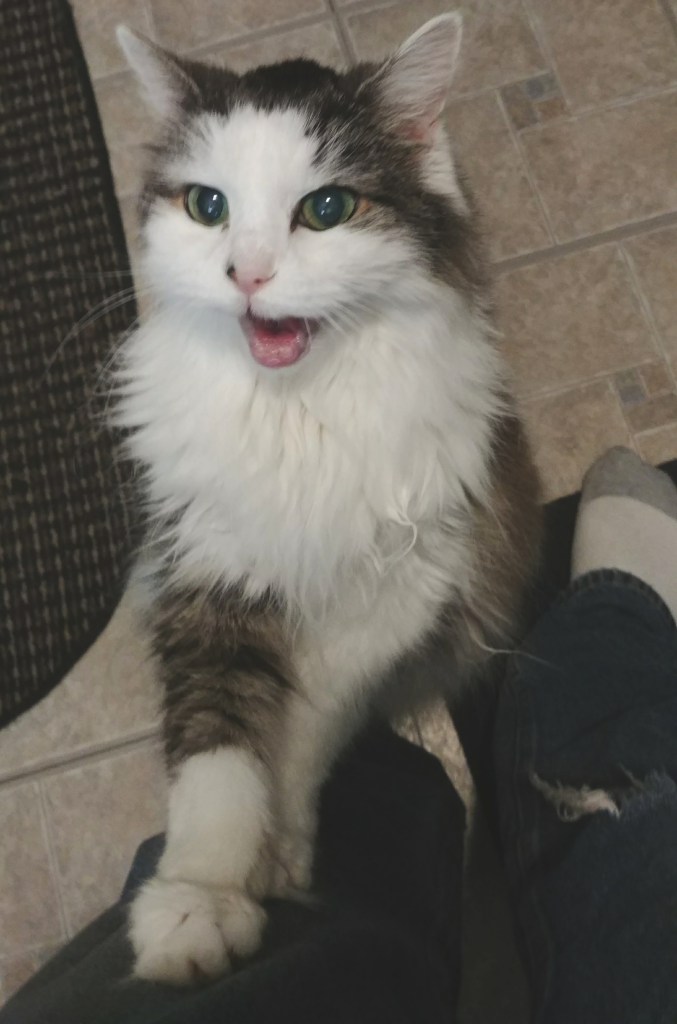 Commercial cooked diets can be especially useful for families who want whole-food ingredients without handling raw meat. For diabetic cats, low-carbohydrate canned foods may be a practical option that supports glucose management while avoiding raw food risks. For pets with kidney disease, prescription or carefully selected therapeutic diets may be more appropriate than raw, even if they are less trendy. For pets with digestive sensitivity, a limited-ingredient cooked diet may be safer than experimenting with raw proteins.
If someone is still determined to feed raw, I would strongly encourage doing it with veterinary involvement. Ideally, that means working with a veterinarian and, when possible, a board-certified veterinary nutritionist. The diet should be complete and balanced for the pet’s species, age, weight, health conditions, and medications. It should not be built from guesswork. Food handling should be treated with the same seriousness as preparing raw chicken for humans, including separate utensils, careful thawing, immediate cleanup, disinfected surfaces, handwashing, and safe storage.
It is also worth being honest about the household. A raw diet might not be a good fit if anyone in the home is immune-compromised, elderly, very young, pregnant, or medically vulnerable. It may not be a good fit if the pet licks faces, sleeps in the bed, has accidents, shares space with other animals, or has messy eating habits. Safety is not only about what goes into the bowl. It is about where the germs can travel afterward.
For senior pets, I would also avoid making several changes at once. Do not switch food, add supplements, change insulin timing, introduce new treats, and start new medications all in the same week unless your veterinarian is guiding that plan. When too many variables change, it becomes hard to tell what helped and what caused trouble. Older pets deserve slow, thoughtful adjustments.
The Bottom Line: Choose the Pet in Front of You
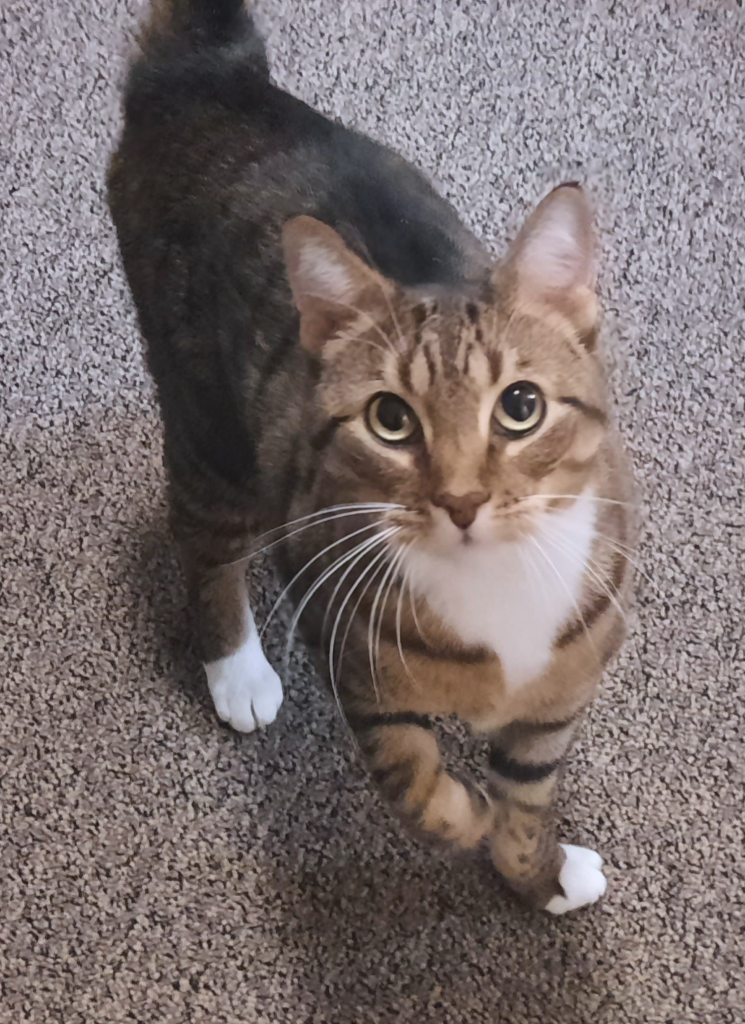 Raw diets are not automatically good or automatically bad for every senior pet. They have potential upsides, especially when people are trying to improve ingredient quality, reduce carbohydrates, increase moisture, or encourage appetite. But they also carry real risks, and those risks can be more serious for older animals, diabetic pets, pets with kidney disease, pets with weak immune systems, and households with vulnerable humans.
For me, the safest approach is to start with the pet, not the trend. What does this individual animal need? Are they losing muscle? Are they drinking more? Are their kidney values stable? Are they diabetic? Are they prone to stomach upset? Are they taking medications? Are they eating consistently? Are they happy, hydrated, and maintaining weight? Those answers matter more than any feeding philosophy.
Senior pet care is rarely about finding one perfect answer. It is about paying attention, adjusting with love, and choosing the option that gives your pet the best chance at comfort and stability. Sometimes that may mean a carefully selected canned diet. Sometimes it may mean a cooked homemade plan. Sometimes it may mean a prescription diet that does not look exciting but keeps bloodwork steady. And for some families, with veterinary guidance and strict safety practices, raw may be part of the discussion.
The heart of it is this: our pets do not need us to follow the loudest food debate online. They need us to be calm, observant, and honest about their needs. They need us to notice when something is not working. They need us to keep records, ask questions, and make changes carefully. Most of all, they need us to remember that love is not proven by choosing the most extreme diet. Love is proven by choosing the safest, kindest, most supportive path for the senior pet sitting in front of us, waiting for their next meal.