


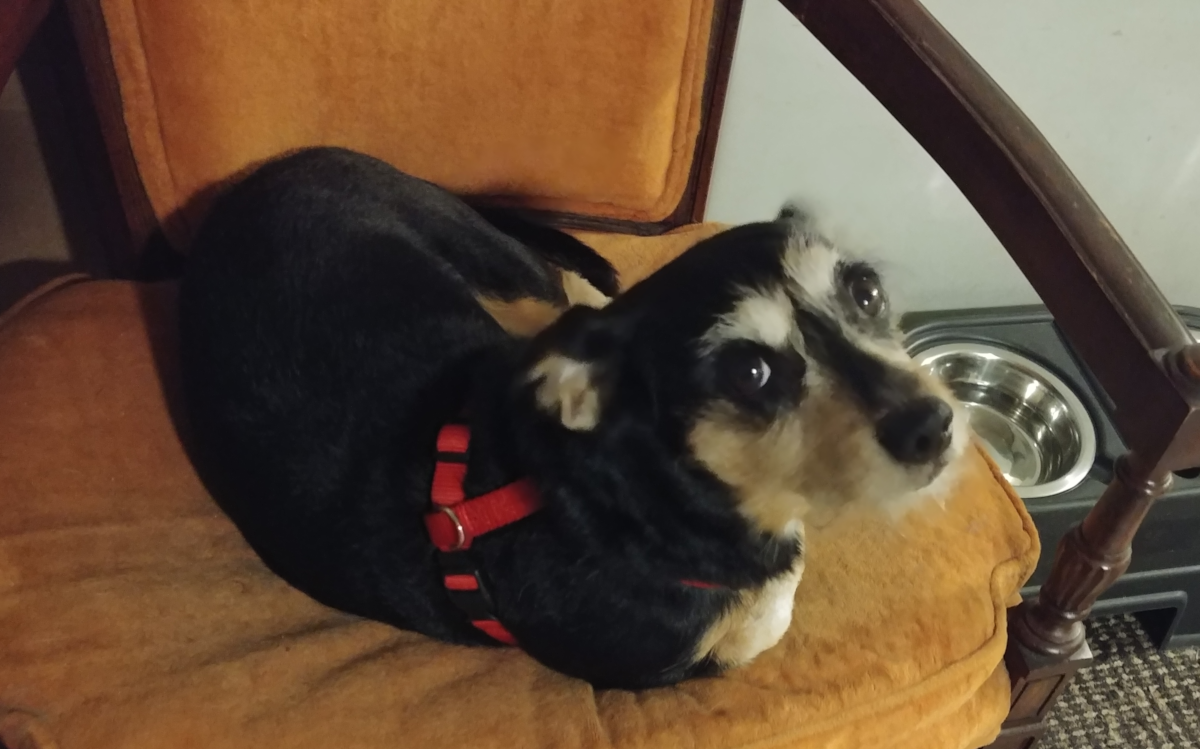
Bringing home an older rescue dog is one of those beautiful acts of love that can feel tender and complicated at the same time. You may look at that gray muzzle, those cautious eyes, or that tired body and feel an instant pull to protect them from everything they have already been through. But then the first time you leave the house, even for a few minutes, you may come back to barking, pacing, accidents, claw marks, chewed trim, or a dog who looks like they have been through a storm.
That is when many pet parents feel their hearts sink. Not because they are angry, but because they realize their dog is not “being bad.” Their dog is afraid.
Separation anxiety in an older rescue dog can be especially emotional because we often do not know the whole story. Maybe they lost a family. Maybe they spent time in a shelter. Maybe their world changed too many times before they landed safely with you. And even when we do know their past, we still cannot explain to them in plain words, “I promise I’m coming back.”
So we have to show them.
As pet parents, not veterinarians, we can still do a lot to help an anxious older dog feel safer. The key is patience, routine, observation, and knowing when to ask a veterinarian or qualified behavior professional for help. Separation anxiety is not spite, stubbornness, or poor manners. It is distress, and punishment can make that fear worse. The ASPCA specifically warns that anxious behaviors during separation are stress responses, not disobedience, and that scolding can increase the problem rather than solve it.
Understanding the Fear Behind the Behavior
 Older rescue dogs often arrive with invisible luggage. Some settle in quickly, but others bond hard and fast because safety feels new to them. Once they decide you are their person, your absence can feel enormous. That does not mean you have done anything wrong. In many cases, it means your dog has finally found someone they trust, and now they are terrified that trust will disappear.
Separation anxiety can look different from dog to dog. One dog may bark nonstop. Another may pant, drool, tremble, pace, scratch at doors, or have accidents indoors despite being house-trained. Some dogs destroy things near exits, not because they want to ruin the house, but because they are trying to get to you. Others shut down quietly, refusing food, staring at the door, or curling into a tight ball until you return.
With an older rescue, it is also important not to assume every sign is behavioral. Pain, arthritis, hearing loss, vision changes, urinary issues, digestive upset, canine cognitive dysfunction, medication side effects, or general aging discomfort can all make being alone harder. A dog who used to nap peacefully may become anxious if their body no longer feels predictable. That is why a veterinary checkup is such a wise first step, especially if the anxiety appears suddenly or worsens quickly.
I think about some of the senior pets we have loved at BellenPaws, like Belle and Paws, and how much their comfort depended on reading small changes. With older animals, tiny clues matter. A shift in appetite, thirst, bathroom habits, sleep, balance, or vocalizing can tell us something is going on beneath the surface. Rescue dogs deserve that same gentle attention. Before we label a behavior as “just anxiety,” we owe them the kindness of making sure their body is not asking for help too.
Building Safety Through Routine
 For an anxious older dog, routine is not boring. Routine is medicine for the heart. The more predictable life becomes, the easier it is for them to believe the world is not falling apart every time you pick up your keys.
Start with the basics. Meals should happen around the same times each day. Walks should have a familiar rhythm. Bedtime should feel calm and repeatable. If your dog is newly adopted, resist the urge to overwhelm them with outings, visitors, pet store trips, dog parks, and constant stimulation. Older rescue dogs often need decompression time. They need to learn the smells of the home, the sounds of the neighborhood, the pattern of your footsteps, and the fact that quiet moments are safe.
When you prepare to leave, try not to turn departures into emotional ceremonies. This is hard because we love them. We want to kiss their heads, apologize, promise we will be back, and make sure they know they are loved. But for an anxious dog, a dramatic goodbye can become a signal that something scary is coming. A calm, ordinary exit is often kinder.
The same is true when you return. Of course your heart may leap when you see that wagging tail, but keeping arrivals calm can help your dog learn that coming and going is normal. Give them a moment to settle, then offer affection when their body softens. You are not withholding love. You are teaching them that your return is not a thunderclap of emotion. It is simply part of the day.
One helpful approach is to create a “safe zone” rather than assuming a crate is always the answer. Some dogs love crates and feel secure in them. Others, especially older rescues with confinement fears, may panic. A cozy room, gated area, or quiet corner with bedding, water, familiar scents, and safe enrichment may work better. The goal is not to trap the dog. The goal is to help them feel protected.
Teaching Alone Time in Tiny Pieces
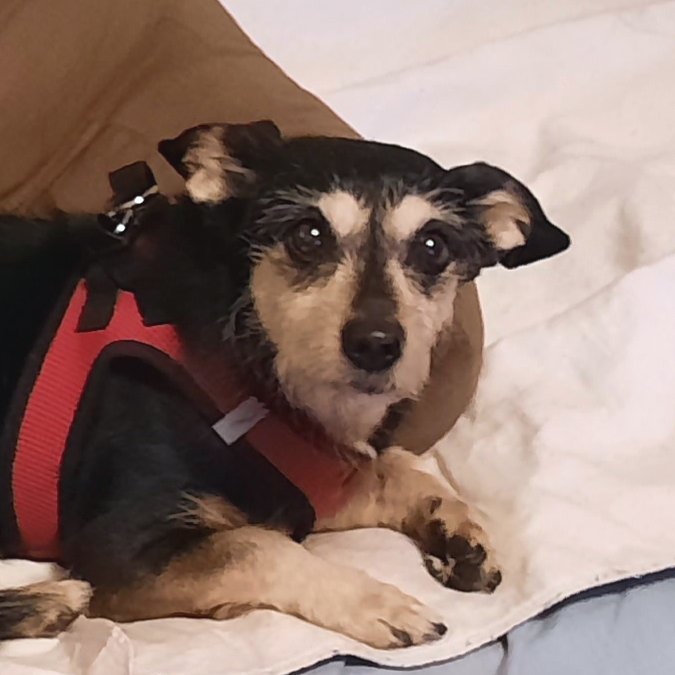 The biggest mistake many of us make is asking too much too soon. We leave for an hour and hope they adjust. But a dog in panic cannot learn. They are not calmly thinking, “My person will return.” They are surviving the moment.
Desensitization and counterconditioning are commonly recommended approaches for separation anxiety, but they must be done carefully because moving too fast can backfire. The ASPCA notes that these methods can be tricky and often require guidance from a trained professional, especially because the process must change based on the dog’s reactions.
In plain pet-parent language, this means we help the dog practice being calm while alone in very small, manageable steps. At first, that might not even mean leaving the house. It might mean standing up, picking up your keys, and sitting back down. It might mean opening the door, closing it, and staying inside. It might mean stepping outside for three seconds and returning before your dog panics.
That “before” matters. The goal is not to let them cry it out. The goal is to return while they are still under their fear threshold, so their brain slowly learns, “That was okay.” Over time, three seconds becomes ten. Ten becomes thirty. Thirty becomes two minutes. Progress may feel painfully slow, but slow progress is still progress.
Leaving a food puzzle, stuffed toy, or special chew can help some dogs associate alone time with something pleasant. But there is an important catch. Dogs with severe separation anxiety often will not eat when they are panicking. If your dog ignores the best treat in the world until you come home, that is information. It means the anxiety is bigger than the reward right now.
For older dogs, comfort also has to be age-appropriate. A senior with dental issues may need softer enrichment. A dog with arthritis may need bedding that supports their joints. A dog with vision loss may need the furniture left in familiar places. A dog with hearing loss may benefit from gentle background noise or predictable environmental cues. We are not training a robot. We are supporting an aging body with an anxious heart.
When Extra Help Is the Kindest Choice
 There is no shame in needing help. In fact, one of the most loving things we can do is admit when a dog’s anxiety is bigger than our home remedies. If your older rescue is injuring themselves, breaking teeth, tearing nails, destroying doors, drooling heavily, howling for long periods, or panicking every time you leave, it is time to bring in professional support.
A veterinarian can help rule out medical problems and discuss whether medication may be appropriate. The Merck Veterinary Manual notes that fluoxetine and clomipramine are FDA-approved in the United States for canine separation anxiety when used alongside a behavior modification plan. Medication is not a failure, and it is not a replacement for patient training. For some dogs, it lowers the panic enough that they can finally learn.
A certified trainer or veterinary behaviorist can also help you create a plan that fits your specific dog. This is especially valuable with older rescues because their history, health, and tolerance levels vary so much. What works beautifully for one dog may overwhelm another. A good professional will not shame you or force harsh methods. They should help you read your dog more clearly and move at a pace your dog can handle.
While working through separation anxiety, it may be necessary to avoid long absences whenever possible. That can mean help from family, a trusted neighbor, a pet sitter, dog daycare if your dog enjoys it, or even adjusting errands so your dog is not left alone longer than they can manage. This is not spoiling them. It is preventing repeated panic while you build new confidence.
At BellenPaws, we often talk about tracking patterns because patterns tell stories. Our free pet diabetes tracker is built for glucose readings, printable charts, and vet-friendly records, but the same mindset can help with anxiety care. Keeping notes on departure length, behavior, accidents, appetite, medications, sleep, and triggers can make conversations with your veterinarian or trainer much more useful. You do not have to track perfectly. Even simple notes can reveal whether your dog is improving, plateauing, or struggling.
Healing Takes Time, But Trust Can Grow
One of the hardest parts of caring for an older rescue dog with separation anxiety is managing our own guilt. We feel guilty leaving. We feel guilty coming home to distress. We feel guilty when progress is slow. But guilt does not help the dog. Steady love does.
Your older rescue does not need perfection from you. They need consistency. They need you to notice their fear without punishing it. They need you to make the world smaller and safer until they can handle more. They need gentle repetition, predictable routines, medical care when needed, and a home where their anxiety is treated as communication rather than misbehavior.
Some dogs may never become the kind of pet who lounges casually through a full workday alone, and that is okay. Success might mean your dog can rest calmly for twenty minutes. Then an hour. Then a peaceful afternoon with support. For a dog who once believed every goodbye was permanent, even small steps are huge victories.
Older rescue dogs carry stories we may never fully know. But the chapter they live with us can be different. It can be softer. It can be patient. It can teach them, day by day, that doors open again, footsteps return, and love does not vanish just because the house gets quiet.
And when that anxious old soul finally sighs, settles into their bed, and trusts that you are coming back, it feels like more than training. It feels like healing.