

Winter has a way of making everything feel a little slower. We move more carefully on icy steps, reach for warmer socks, and notice every stiff joint when the temperature drops. Our older pets often feel that seasonal change too. For dogs and cats living with arthritis, cold weather can turn ordinary routines into small challenges, like getting out of bed, climbing onto a favorite chair, walking across a chilly floor, or making it outside for a quick bathroom break.
As pet parents, we cannot turn back the clock, but we can make winter gentler. Arthritis care is not only about medication or vet visits, although those matter deeply. It is also about the daily details: where they sleep, how far they have to walk, whether the floor feels slippery under their paws, and whether we notice when “just getting older” is actually discomfort asking for help.
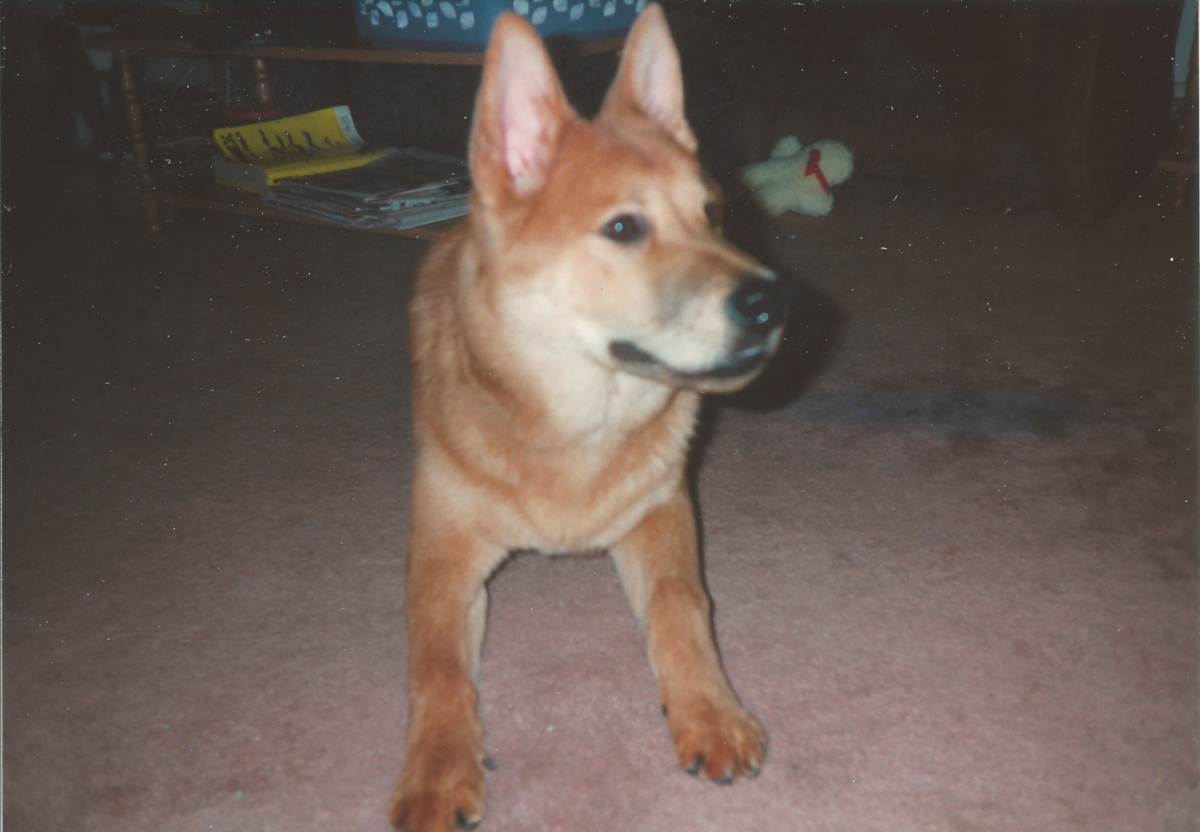
At BellenPaws, we always speak from the heart of lived experience, not as veterinarians. Loving senior pets teaches you to pay attention to little things. With Belle and Paws, and later with other aging pets in our family, we learned that comfort is often built from small kindnesses repeated every day. A warmer bed, a shorter walk, a better step, a softer landing, and a little extra patience can make winter feel less like a season to endure and more like a season to settle into safely.
Why Winter Can Be Harder on Arthritic Pets
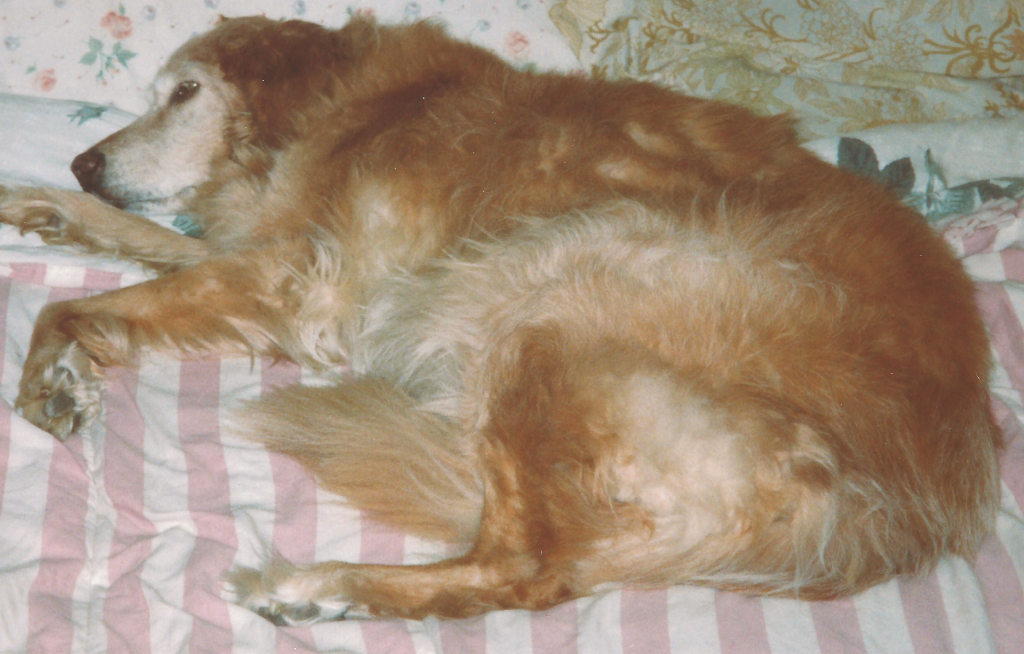 Arthritis is common in senior pets, and it can affect both dogs and cats. It often shows up as stiffness, hesitation, limping, reluctance to jump, slower rising, or a change in mood. Cats may become quieter, hide more, stop climbing to favorite perches, or avoid the litter box if the sides are too high. Dogs may lag behind on walks, struggle with stairs, or need more time to stand after resting. Veterinary groups note that arthritis is one of the common concerns in older pets, and pain management often includes a mix of weight management, medication, supplements, physical therapy, and home adjustments guided by a veterinarian.
Cold weather may make these struggles more noticeable. The American Veterinary Medical Association warns that cold weather can worsen some medical conditions, including arthritis, and that pets should receive regular veterinary exams so health changes are not missed. That matters because winter stiffness can sometimes be brushed off as “normal aging,” when it may actually be pain that could be managed better.
One of the most important things we can do is watch patterns. Is your dog slower after lying on a cold floor? Does your cat avoid the windowsill on chilly mornings? Does your pet seem better after moving around for a few minutes, then worse again after a nap? These small clues help you understand what your pet is feeling. They also give your veterinarian better information if you need to talk about pain control, mobility support, or whether an existing treatment plan needs adjustment.
And please, bruh, never give human pain medication unless your veterinarian specifically tells you to. Many human medications can be dangerous or deadly to pets, especially cats. If your pet seems painful, the safest path is to call your vet and ask what options are appropriate for that animal, that age, and that medical history.
Building a Warmer, Easier Home
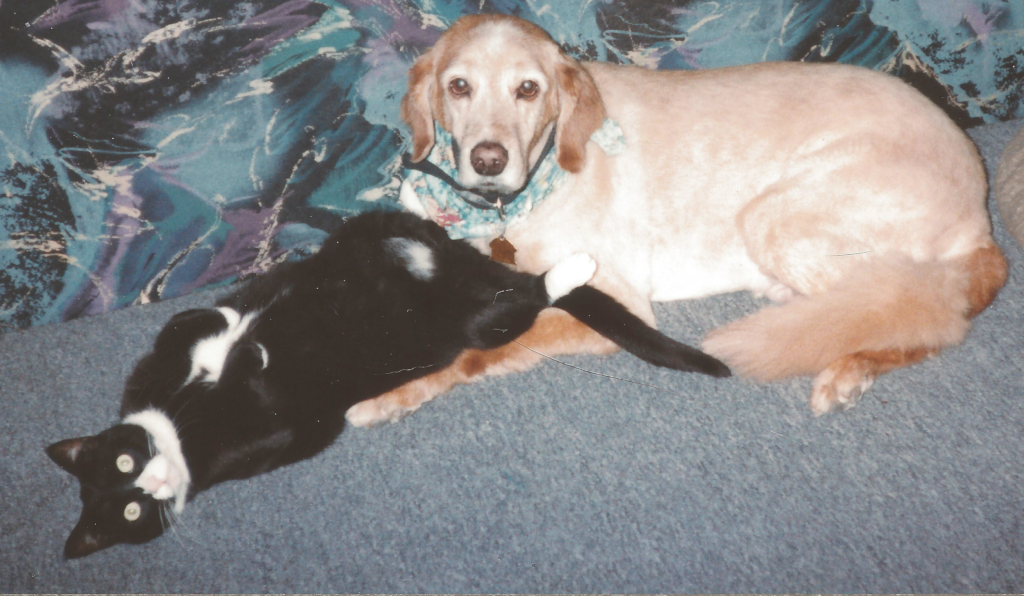 A winter comfort plan starts with the places your pet already loves. Look at your home from their height. A draft under the door may not bother us much, but it can matter to a senior cat sleeping close to the floor. A favorite dog bed near a window may be cozy in spring but too cold in January. Tile, hardwood, and laminate floors can feel chilly and slippery, which is a rough combination for arthritic hips, knees, elbows, and shoulders.
Soft bedding helps, but placement matters just as much. A supportive orthopedic bed in a warm, draft-free area can make rest more restorative. Some pets like raised-edge beds because they feel secure, while others need a flatter surface that is easier to step onto. Heated pet beds can be helpful for some animals, but they should be pet-safe, low temperature, and used carefully so a senior pet can move away if they get too warm. Avoid placing pets too close to space heaters, fireplaces, or radiators because older animals may not move quickly enough if they become overheated or uncomfortable. Recent winter safety guidance also emphasizes giving pets multiple sleeping options indoors so they can choose warmer or cooler spots as needed.
Floors deserve special attention. Arthritic pets may tense their bodies when they feel their paws slipping, and that tension can make movement harder. A few washable rugs, yoga mats, carpet runners, or non-slip mats can create safe pathways from bed to food, water, litter box, door, or favorite resting place. For cats, think vertically but gently. If they still want the couch or windowsill, a small ramp, step stool, or pet stairs may preserve independence without forcing painful jumps.
Food and water stations may need adjusting too. If bending is uncomfortable, a slightly raised bowl can help some dogs and cats, though not every pet needs one. Water should be easy to reach, especially in winter when heated homes can feel dry. For diabetic pets or pets with kidney disease, easy access to water is even more important, and any change in thirst or urination should be discussed with your veterinarian.
Gentle Movement Without Overdoing It
When it is cold outside, it is tempting to let an arthritic pet sleep all day. Rest is important, but too much stillness can increase stiffness. The goal is not intense exercise. The goal is gentle, regular movement that keeps the body from locking up.
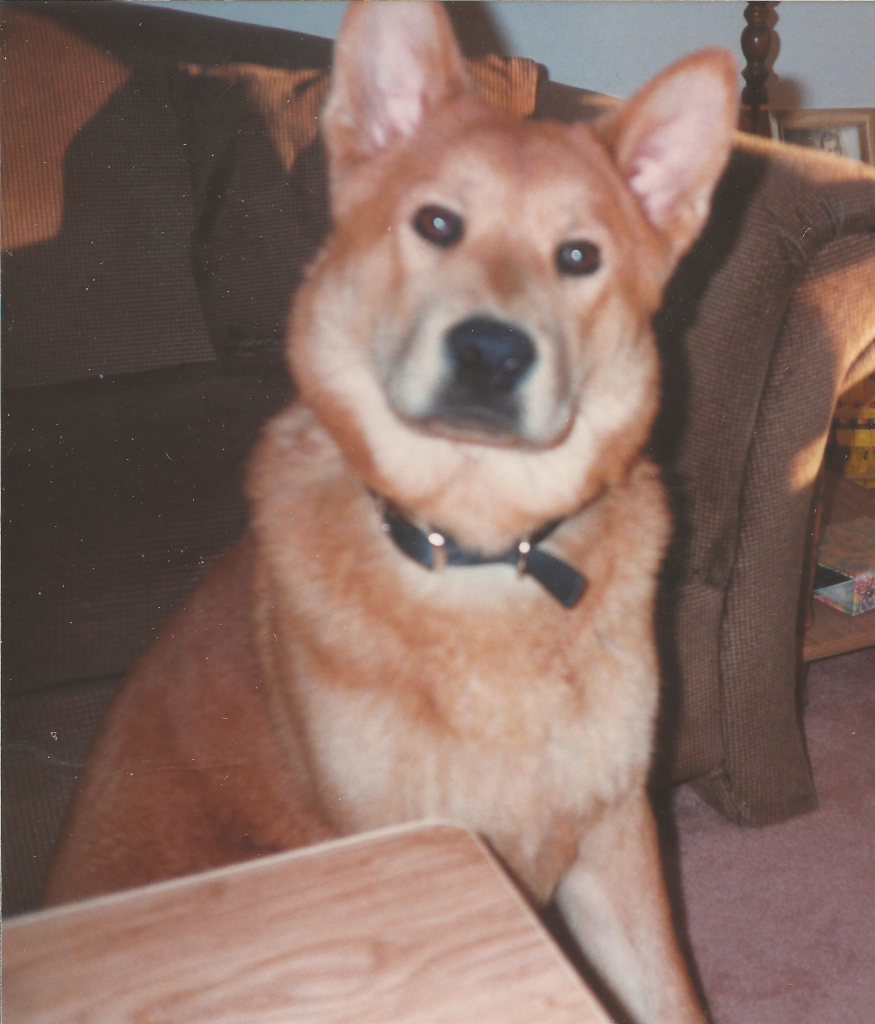 For dogs, shorter and more frequent walks may be kinder than one long outing. A senior dog who handled a half-hour walk in mild weather may do better with three short walks in winter. Watch their pace, posture, and willingness. If they start lifting paws, shivering, lagging, or turning back toward home, listen to them. Winter walks should not become tests of toughness. The AVMA and veterinary safety sources recommend limiting outdoor time in cold weather, especially for older pets and animals with health conditions.
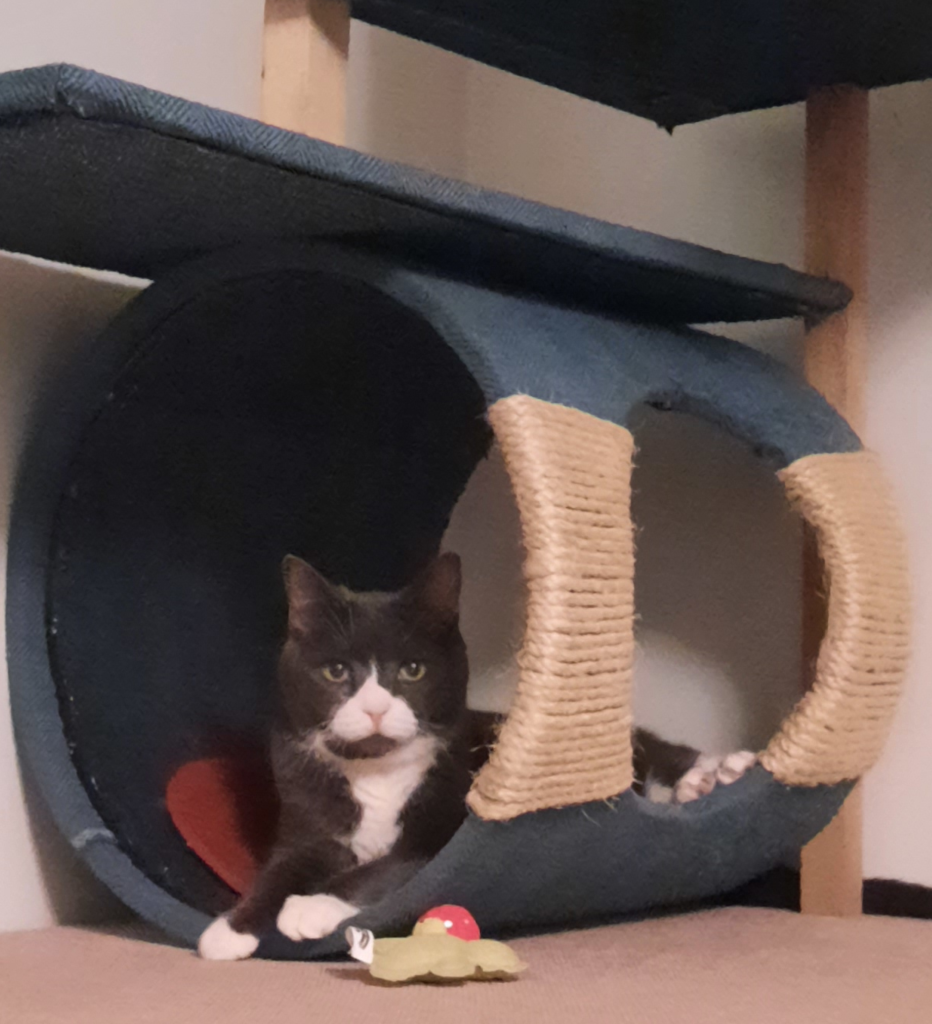
For cats, movement may happen indoors in quieter ways. A senior cat may enjoy following a wand toy slowly across a rug, stepping over a low pillow, or walking to a sunny spot for a treat. Keep play short and positive. If your cat used to leap like a tiny superhero but now prefers ground-level adventures, that is not failure. That is adaptation.
Winter gear can help some dogs, especially short-haired, small, thin, older, or medically fragile pets. A well-fitting coat can keep muscles warmer during quick trips outside. Paw protection may also matter where salt, ice melt, or sharp ice is present. After walks, wiping paws can remove chemicals and prevent irritation. News and veterinary safety summaries have also warned about winter hazards like frostbite, hypothermia, antifreeze, and de-icing chemicals, all of which are especially concerning for older or ill pets.
The trick is to support movement without pushing through pain. If your pet is worse after activity, refuses stairs, cries out, pants heavily at rest, becomes withdrawn, or suddenly changes behavior, that is a sign to call the vet. Pain in pets is often quieter than we expect. They may not complain loudly. Sometimes they simply stop doing the things they used to love.
Comfort Care Is Also Observation
One of the best winter tools is a simple notebook. You do not need anything fancy. Write down the days your pet seems stiff, what the weather was like, whether they ate normally, how they moved, and anything different about sleep, litter box habits, walks, or mood. Patterns can sneak up on us when every day feels almost the same.
 This is where BellenPaws’ mindset around tracking becomes useful beyond diabetes. Our free online pet diabetes tracker is designed for blood glucose records and printable charts for vet visits, and our printable glucose curve and daily tracking forms can help diabetic pet parents stay organized. But the larger lesson applies to senior care too: written records help us see what memory sometimes misses. If your arthritic pet has good days and bad days, notes can help you explain those changes clearly to your veterinarian.
Weight also plays a role in arthritis comfort. Extra weight adds strain to joints, and veterinary guidance often includes weight management as part of arthritis care. That does not mean we shame our pets or ourselves. It means we approach food, treats, and movement with compassion. If weight loss is needed, it should be gradual and guided by a vet, especially for cats, diabetic pets, or pets with kidney, heart, thyroid, or other medical concerns.
Grooming can also become part of comfort. Matted fur can pull on skin and make it harder for pets to stay warm. Long nails can change how a dog walks, adding stress to already sore joints. Cats with arthritis may stop grooming hard-to-reach areas, especially along the back or hips. Gentle brushing, nail care, and checking paws after outdoor time are small acts that protect comfort.
When to Ask for More Help
There is a tender balance in senior pet care. We want to help without hovering. We want to respect independence without ignoring pain. Winter often reveals where that balance needs adjusting.
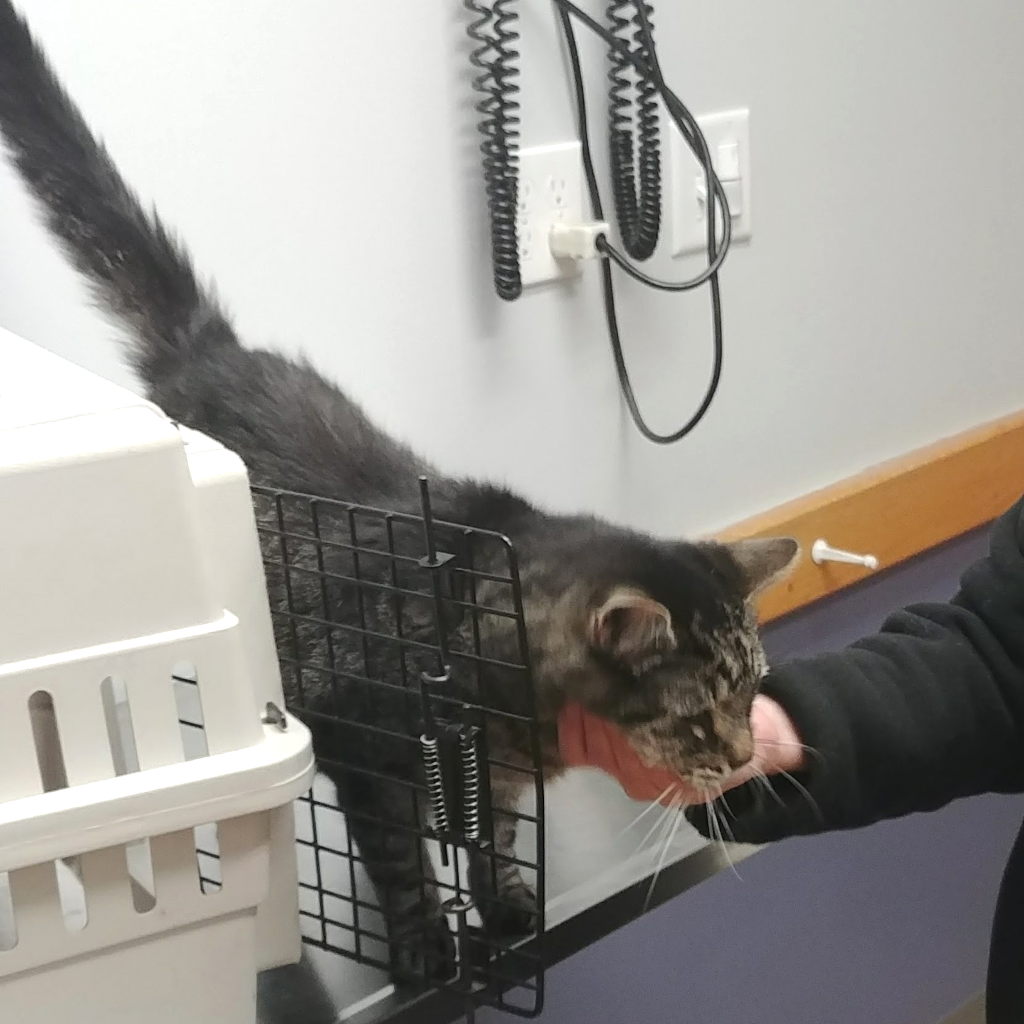 Call your veterinarian if your pet is limping more, struggling to rise, avoiding stairs, hiding, growling when touched, sleeping much more than usual, losing interest in food, having accidents, or showing sudden behavior changes. Also call if your current arthritis plan no longer seems to be enough. Pain management is not one-size-fits-all. Veterinary pain guidelines emphasize evaluating each pet as an individual and adjusting care based on response.
For some pets, help may include medication. For others, it may include supplements, therapeutic exercises, laser therapy, acupuncture, rehabilitation, environmental changes, or a combination of approaches. The safest and kindest plan is one built around your pet’s whole health picture. That is especially important for seniors who may also have kidney disease, thyroid disease, diabetes, heart concerns, or blood pressure issues.
Winter care is really love translated into details. It is the rug you place by the couch because your old friend still wants to sit beside you. It is warming the room before bedtime, shortening the walk without guilt, choosing patience when they move slowly, and noticing when their eyes say, “I need a little help today.”
Our senior pets have already given us so much of their lives. When the cold settles in and their joints complain, we get the chance to give something back in the language they understand best: comfort, safety, routine, warmth, and presence. That is not small. For an arthritic dog or cat trying to make it through winter, it can mean everything.