
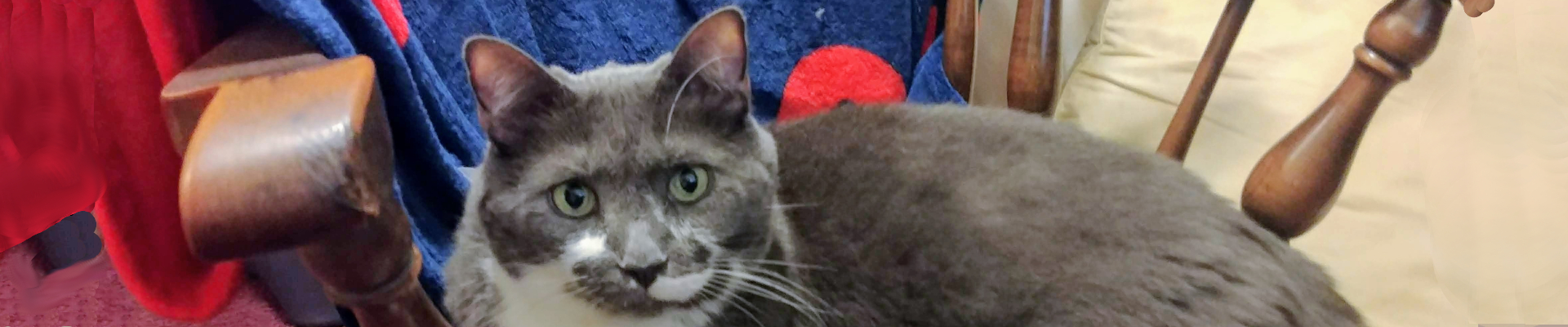
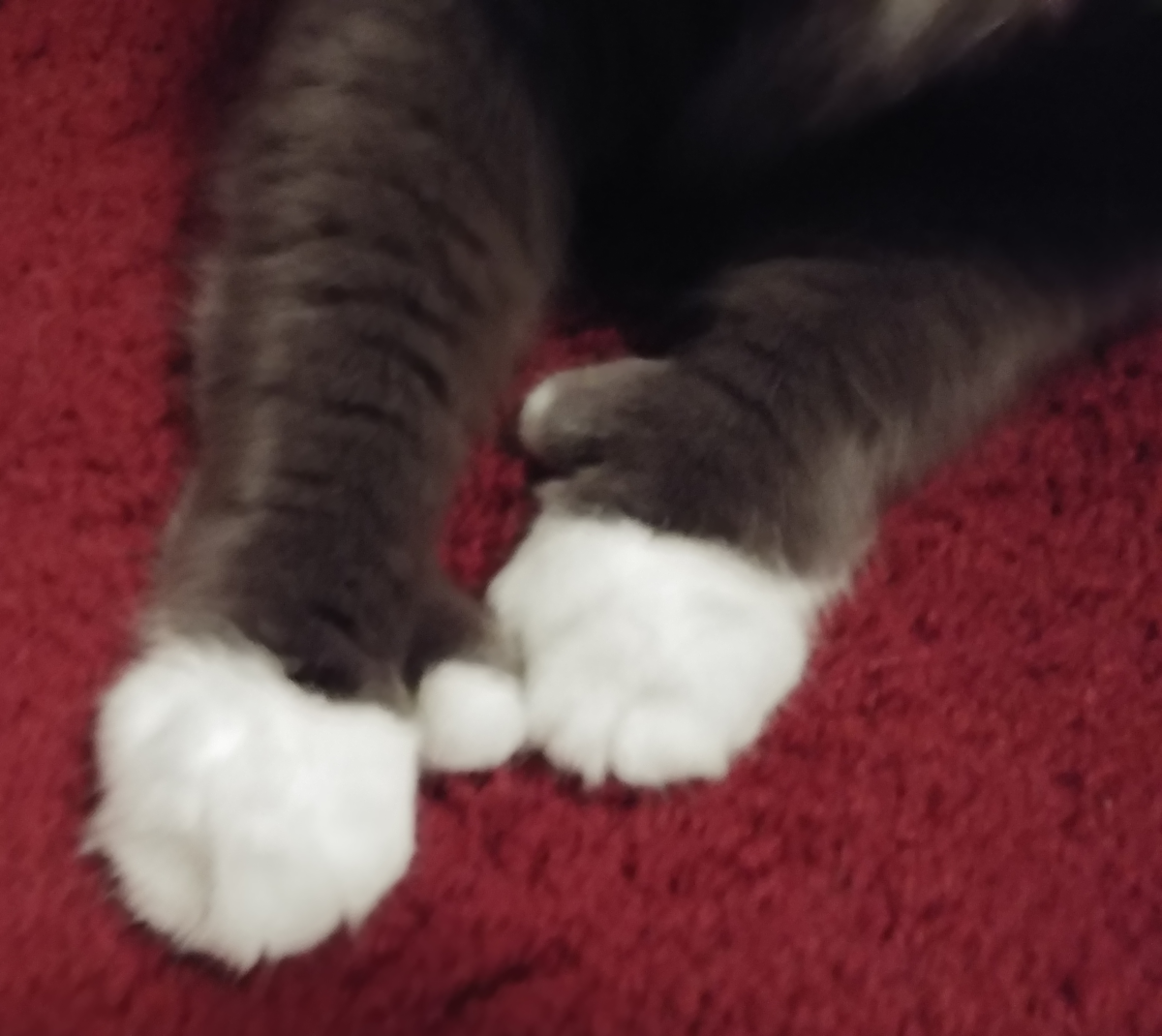
Declawing is one of those topics that can make good, loving pet parents feel defensive, guilty, confused, or heartbroken. Some people were told years ago that it was a routine procedure. Some adopted cats who were already declawed. Some inherited a cat from family, like we did with Sheamus, who had already been declawed before he came into our care. And some, like Belle and Paws, came into our lives already missing that natural part of themselves.
At BellenPaws, we look negatively upon declawing because of what the procedure actually is and because of the long-term effects it can have on a cat’s body, confidence, and behavior. We have never chosen to declaw our pets. But we have loved declawed cats deeply, and that matters too. This is not about shaming anyone who rescued, adopted, inherited, or loved a declawed cat. It is about understanding what these cats may carry with them, so we can meet them with more patience and less blame.
Declawing is not simply trimming the nails. It is the surgical removal of the last bone of each toe, where the claw grows. Veterinary organizations have warned that the procedure can involve significant pain and may lead to long-term issues such as lameness, chronic pain, nerve pain, and behavioral problems.
When Pain Looks Like “Bad Behavior”
Cats are masters at hiding pain. That is part of what makes them so easy to misunderstand. A dog may limp dramatically or look to us for help, but a cat may simply stop jumping, avoid being touched, swat when handled, hide under the bed, or stop using the litter box. To a frustrated owner, that can look like stubbornness. To the cat, it may be survival.
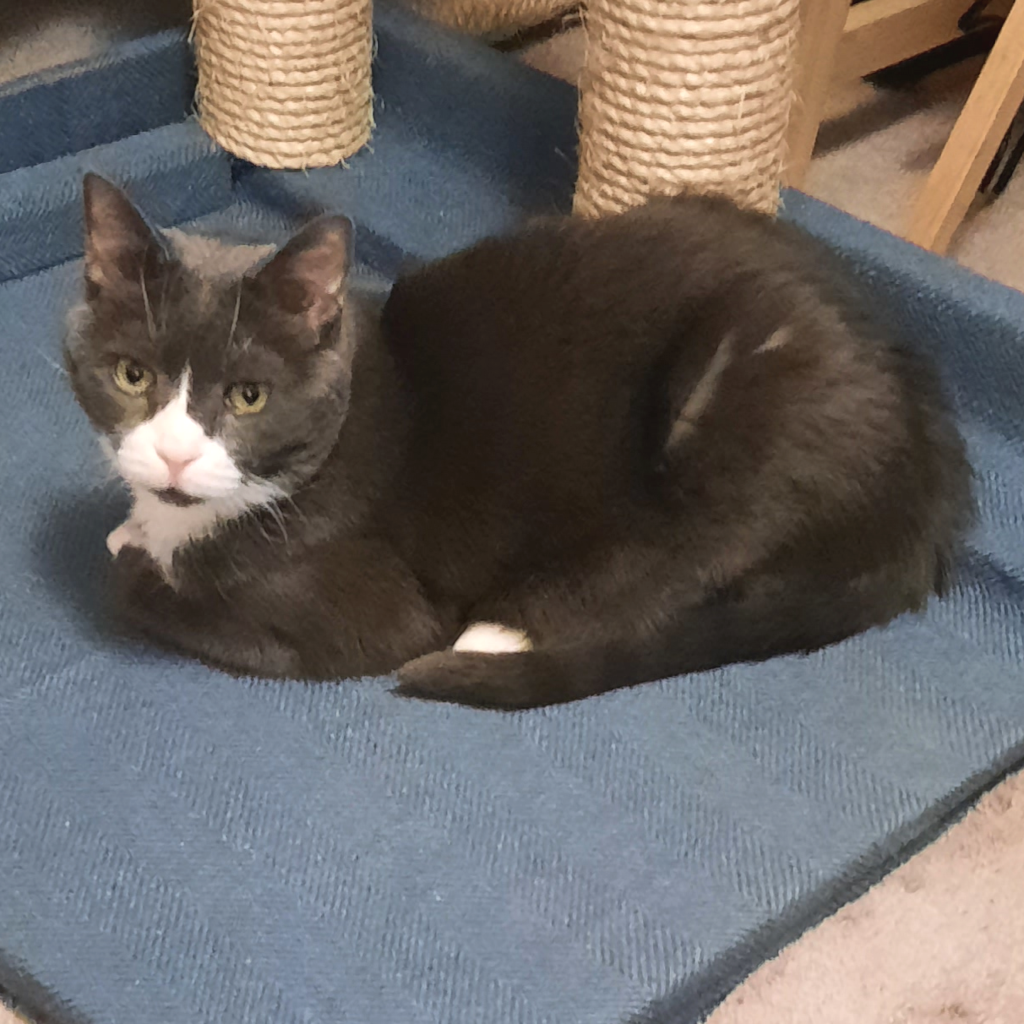 A declawed cat has lost the natural structure it was born to walk on. Cats are toe-walkers, and their claws are connected to balance, stretching, climbing, gripping, play, communication, and self-defense. When the end of the toe is removed, the cat may change the way it stands or walks. Over time, that altered movement may contribute to discomfort in the paws, legs, shoulders, back, or hips.
This matters because behavior is often the language pain uses when it cannot speak plainly. A cat who avoids the litter box may not be “acting out.” The litter may hurt tender paws. The jump into the box may be uncomfortable. The position needed to dig and cover may feel unstable. A cat who bites more may not be mean. Without claws, biting may become the only defense tool left.
This is one of the hardest parts for pet parents to accept. The very behavior people hoped declawing would prevent can sometimes be replaced by a more serious behavior. Scratching is a normal feline behavior, but biting can become a stronger response when a cat feels trapped, startled, or insecure. Declawing does not remove the cat’s need to protect itself. It only removes one of the ways the cat naturally does that.
With Belle and Paws, we did not know their full history before they came to us. We only knew they were already declawed, and we loved them as they were. Looking back, that knowledge shaped the way we handled them. We were careful with their feet, cautious about stress, and aware that a cat without claws may experience the world differently than a cat who still has all of her natural tools.
The Emotional Side of Losing a Natural Defense
When we talk about declawing, we often focus on the physical side because it is easier to explain. Pain, altered gait, nerve sensitivity, and arthritis-like discomfort are things people can picture. But the emotional consequences can be just as important.
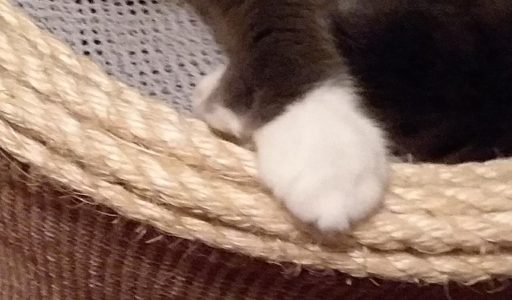 A cat’s claws are not weapons in the way people sometimes imagine. They are tools. They help a cat climb to safety, hold a toy, stretch deeply, grip a surface, mark territory, and feel secure. When those tools are gone, some cats become more anxious. They may avoid other animals, retreat from visitors, or react more intensely to being picked up or cornered.
A declawed cat may also feel more vulnerable in a busy household. Dogs, children, other cats, loud noises, and sudden movement can all feel more threatening when escape and defense feel limited. That does not mean every declawed cat will become fearful or aggressive. Many are gentle, loving companions. But it does mean their behavior deserves a compassionate lens.
This is where we have to resist the urge to label cats as “bad.” A cat who hides is communicating. A cat who bites is communicating. A cat who refuses the litter box is communicating. The message may be pain, fear, confusion, stress, or a need for environmental changes. Our job is not to punish the message. Our job is to understand it.
Senior cats especially deserve this patience. As cats age, old physical changes can become more noticeable. A declawed cat who seemed fine at age five may struggle more at age thirteen. Stiffness, reduced muscle tone, kidney disease, high blood pressure, diabetes, arthritis, and other senior concerns can all layer on top of past surgical changes. The result may be a cat who suddenly seems “different,” when really the body is asking for help.
Litter Box Problems Deserve Compassion First
One of the most painful consequences of declawing, for both cats and owners, is litter box avoidance. This can strain the human-animal bond quickly. Nobody wants urine on the floor, laundry, couch, or bed. But when a declawed cat avoids the box, punishment almost always makes the problem worse.
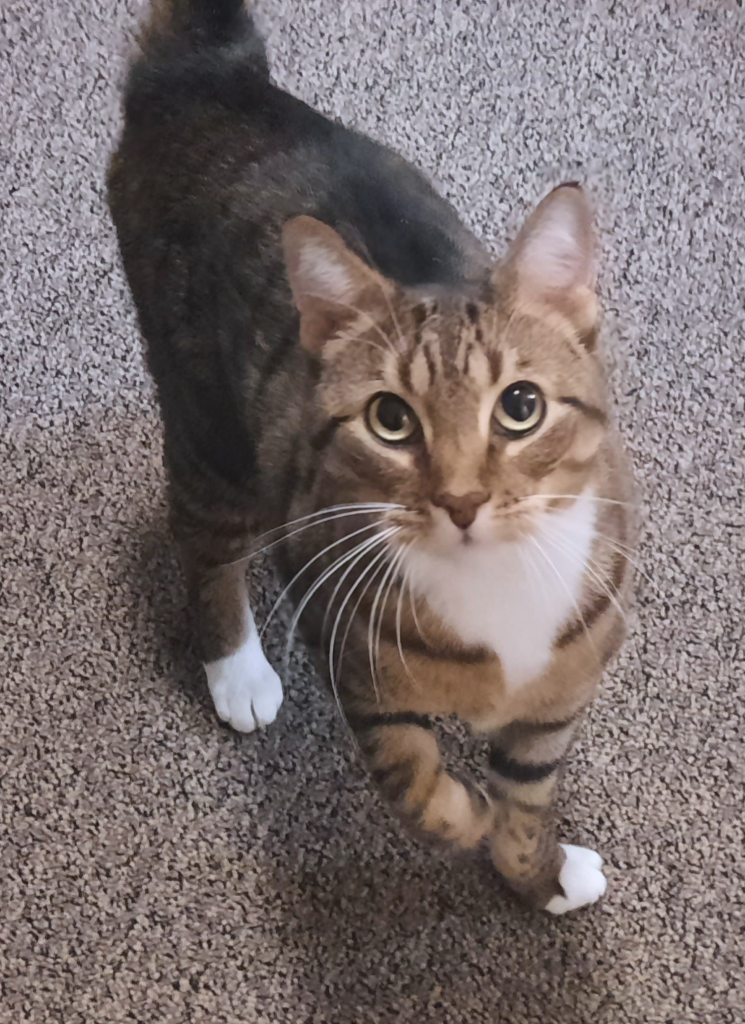 The first step should always be a veterinary checkup. Urinary tract infections, bladder inflammation, kidney issues, diabetes, constipation, arthritis, and pain can all affect litter box behavior. For diabetic cats, increased urination may also be tied to blood sugar patterns, which is one reason careful tracking can be so valuable. On BellenPaws, our free pet diabetes tracker and printable glucose curve forms are designed to help pet parents organize that kind of information for vet conversations.
For declawed cats, the litter itself may be part of the problem. Coarse, sharp, scented, or heavy litter can feel uncomfortable on sensitive paws. Some cats do better with softer, unscented litter. Others need a lower-sided box, a larger box, or multiple boxes in quiet places. The goal is to make the bathroom experience feel safe, easy, and painless.
It can help to think of the litter box like a senior-friendly bathroom. If stepping in hurts, if the floor feels wrong, if the room is noisy, or if getting there is difficult, avoidance starts to make sense. The cat is not plotting revenge. The cat is choosing the option that feels least uncomfortable in that moment.
This is where patience becomes an act of love. We can clean the mess, yes, but we also need to investigate the reason behind it. A declawed cat who is struggling with the box is often asking for softer footing, easier access, medical attention, or a calmer environment.
Helping an Already-Declawed Cat Feel Safe
For cats who are already declawed, the focus should not be guilt. Guilt does not soften a litter box, reduce pain, or help a frightened cat feel safe. The focus should be comfort, observation, and advocacy.
Keep their environment easy to navigate. Soft beds, stable ramps, pet stairs, low-entry litter boxes, and non-slip surfaces can make a real difference. Cats who hesitate before jumping may appreciate furniture arranged in smaller steps rather than one big leap. A senior cat may need warmth, padding, and predictable resting places more than we realize.
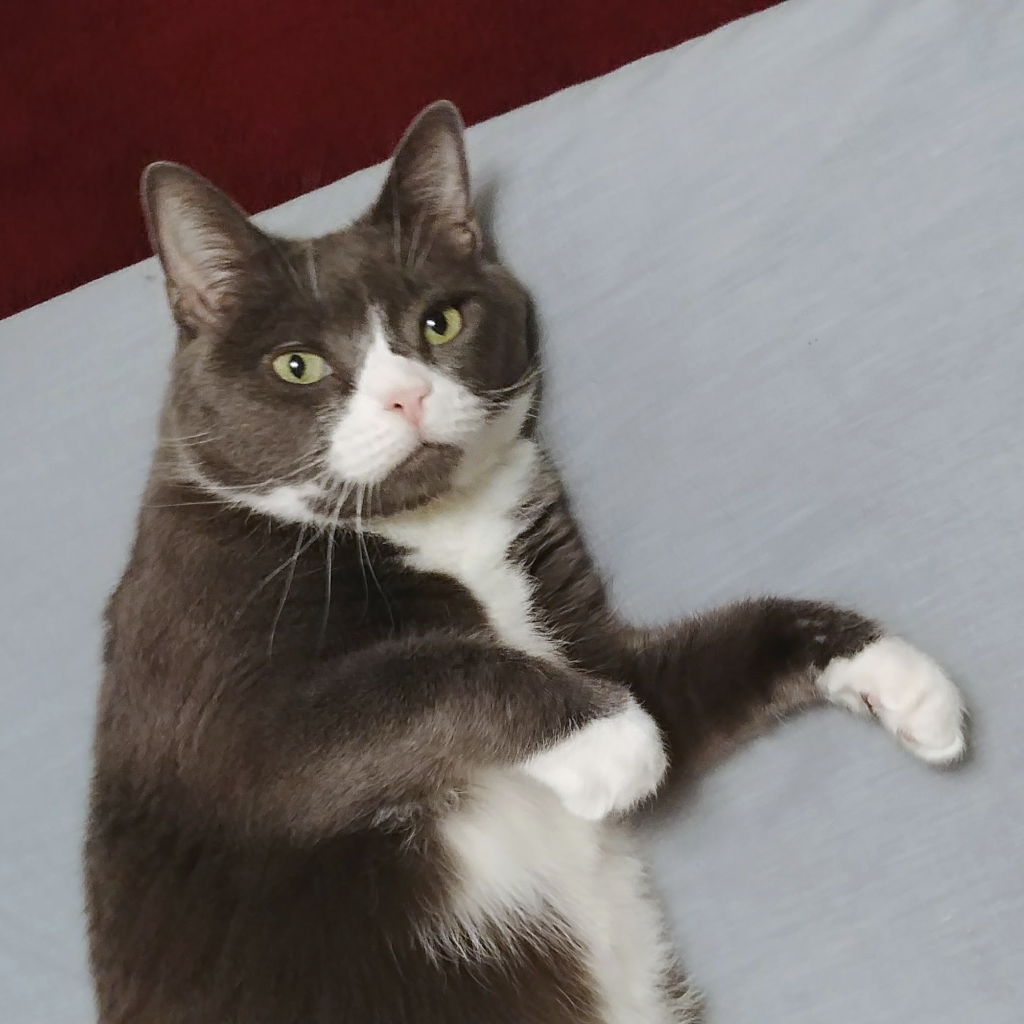 Be careful with play. Declawed cats still need play, enrichment, and mental stimulation, but rough play can make them feel cornered or overstimulated. Wand toys, soft kick toys, food puzzles, and gentle chase games can give them an outlet without forcing them into defensive contact with human hands. If a cat bites during play, that is usually a signal to adjust the game, not punish the cat.
Watch the body language. Tail flicking, flattened ears, sudden stillness, skin twitching, growling, hiding, and quick bites can all mean the cat has reached a limit. Many declawed cats need extra respect around their paws. Some may dislike having their feet touched because of sensitivity, memory, or chronic discomfort.
It is also worth talking to a veterinarian about pain management if an already-declawed cat shows signs of stiffness, litter box trouble, reluctance to jump, or increased irritability. Pain in cats is often underrecognized because they hide it so well. A compassionate vet can help evaluate whether arthritis, nerve pain, back pain, or another issue may be contributing to behavior changes.
Choosing Better Alternatives Before Problems Start
For cats who still have their claws, scratching should be redirected, not surgically removed. Scratching is normal. It stretches muscles, sheds claw layers, marks territory, and helps cats regulate stress. The goal is not to stop a cat from being a cat. The goal is to give that behavior a place where it belongs.
Scratching posts should be sturdy, tall enough for a full stretch, and placed where the cat already wants to scratch. Many cats like sisal, cardboard, wood, carpet, or a mix of textures. Some prefer vertical posts, while others prefer horizontal scratchers. Location matters more than people think. A scratching post hidden in a back room may be ignored, while one near a favorite couch, window, or sleeping area may become the perfect outlet.
Regular nail trimming, nail caps, furniture protection, positive reinforcement, and environmental enrichment can all help. For DIY-minded pet parents, even a homemade scratching post can be a loving solution. That is one reason we offer a free rope length calculator on BellenPaws for cat tree and scratching post projects.
The most important shift is emotional. We should not see scratching as defiance. We should see it as communication and normal maintenance. When we provide better options, many cats are willing to use them.
A Kinder Way to See the Cat in Front of Us
 Declawing can leave long shadows, but those shadows do not define the whole cat. Belle and Paws were not “declawed cats” to us first. They were family. Sheamus is not a past decision made by someone else. He is a living, feeling cat who deserves comfort today.
That is the heart of this issue. We can strongly oppose declawing and still show tenderness toward people caring for declawed cats. We can educate without cruelty. We can advocate without shame. And most importantly, we can listen more closely to the animals already living with the consequences.
A declawed cat who bites, hides, avoids the litter box, or resists handling is not broken. That cat may be uncomfortable, insecure, aging, overwhelmed, or simply trying to cope with a body that was changed without consent. When we respond with patience instead of punishment, we give that cat something powerful: safety.
For pet parents, that safety becomes the bridge back to trust. It may take softer litter, a vet visit, a ramp by the couch, gentler play, or a deeper understanding of feline pain. It may take time. But these cats are worth that time.
At BellenPaws, we believe senior pets and medically complex pets deserve to be seen as whole beings, not problems to solve. Declawed cats deserve the same. They deserve comfort, respect, and a home that understands their behavior as communication. And when we choose compassion first, we become better guardians for every cat who crosses our path.