How to Explain the Realities of Declawing to a Well-Meaning Friend
Declawing is one of those subjects where a single piece of information can completely change how someone sees the procedure.
Declawing of Cats.
Declawing is one of those subjects where a single piece of information can completely change how someone sees the procedure.
The word “declawing” sounds deceptively simple. It can bring to mind a permanent version of a nail trim, as though the veterinarian is removing the claw and leaving the toe itself intact. Anatomically, that is not what happens.
Adopting a declawed cat with arthritis means welcoming home an animal who may have spent years quietly adjusting to discomfort.
Declawing has been talked about for decades as if it were a simple fix for scratched couches, torn curtains, or worried hands. That wording has done cats no favors. Declawing is not a fancy nail trim. It is not a manicure.
When a cat stops using the litter box, it is easy for people to see it as stubbornness, revenge, or “bad behavior.” I wish that idea would disappear forever, because cats are not little troublemakers plotting against the sofa.
If you have ever loved a cat, you have probably had at least one moment where you looked at a shredded couch arm, a clawed-up door frame, or a mysterious line of tiny punctures in your favorite chair and thought, “Why this? Why here? Why now?”
Declawing is one of those topics that can make good, loving pet parents feel defensive, guilty, confused, or heartbroken. Some people were told years ago that it was a routine procedure.
Declawing is a procedure that has generated increasing concern among veterinarians, animal welfare experts, and cat guardians.
The decision to add a feline to the family sometimes accompanies a decision as to whether to have the cat’s claws removed.
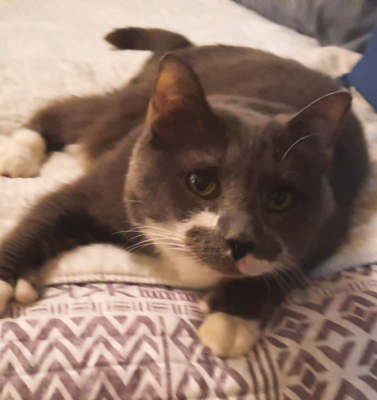
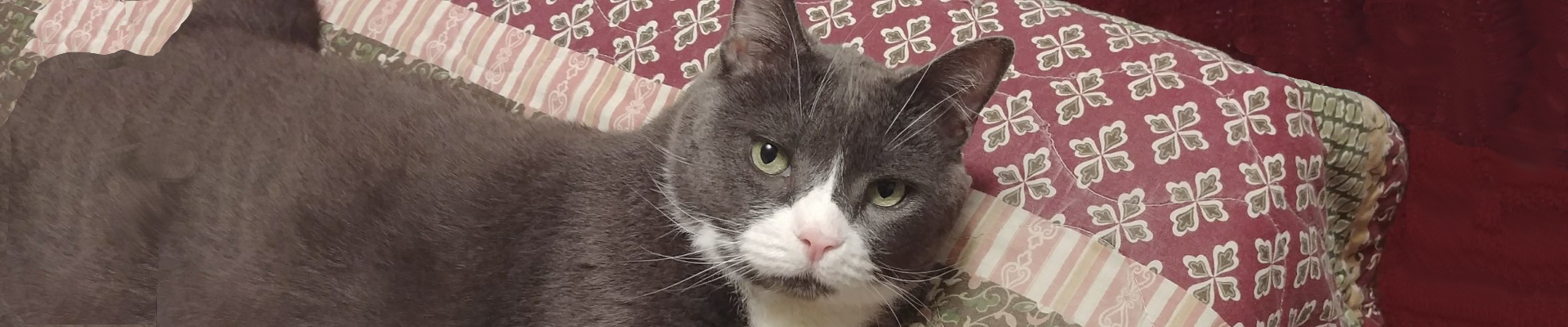
Aside from being overweight Belle and Paws were de-clawed from their previous owners.