
Declawing is one of those subjects where a single piece of information can completely change how someone sees the procedure. Many people who consider declawing are not trying to hurt their cat. They may have grown up when the procedure was common, had a veterinarian offer it years ago, or simply believe that removing a cat’s claws is comparable to permanently trimming the nails.
That misunderstanding is often the best place to begin the conversation. Declawing is not an enhanced pedicure. It is a surgical amputation involving the bones at the ends of a cat’s toes, and once someone understands what the procedure actually removes, the discussion usually becomes very different.
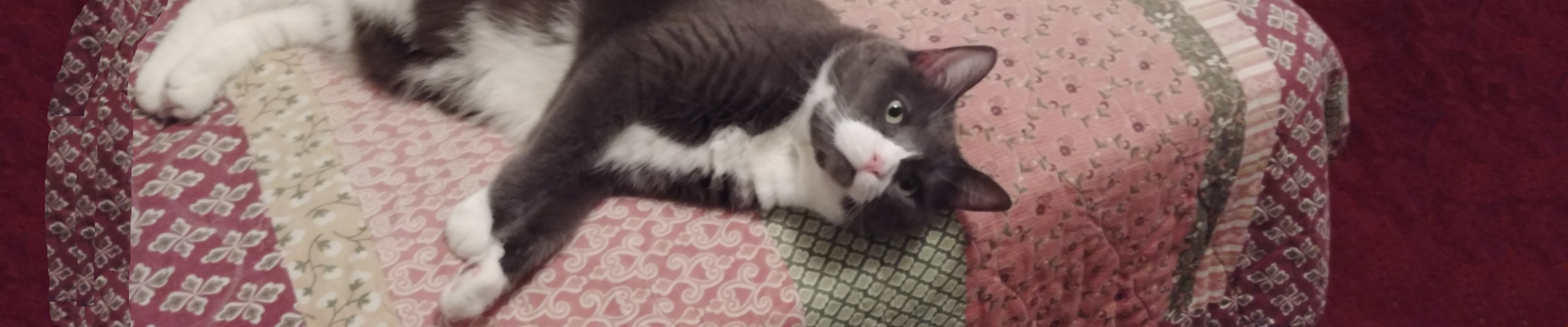
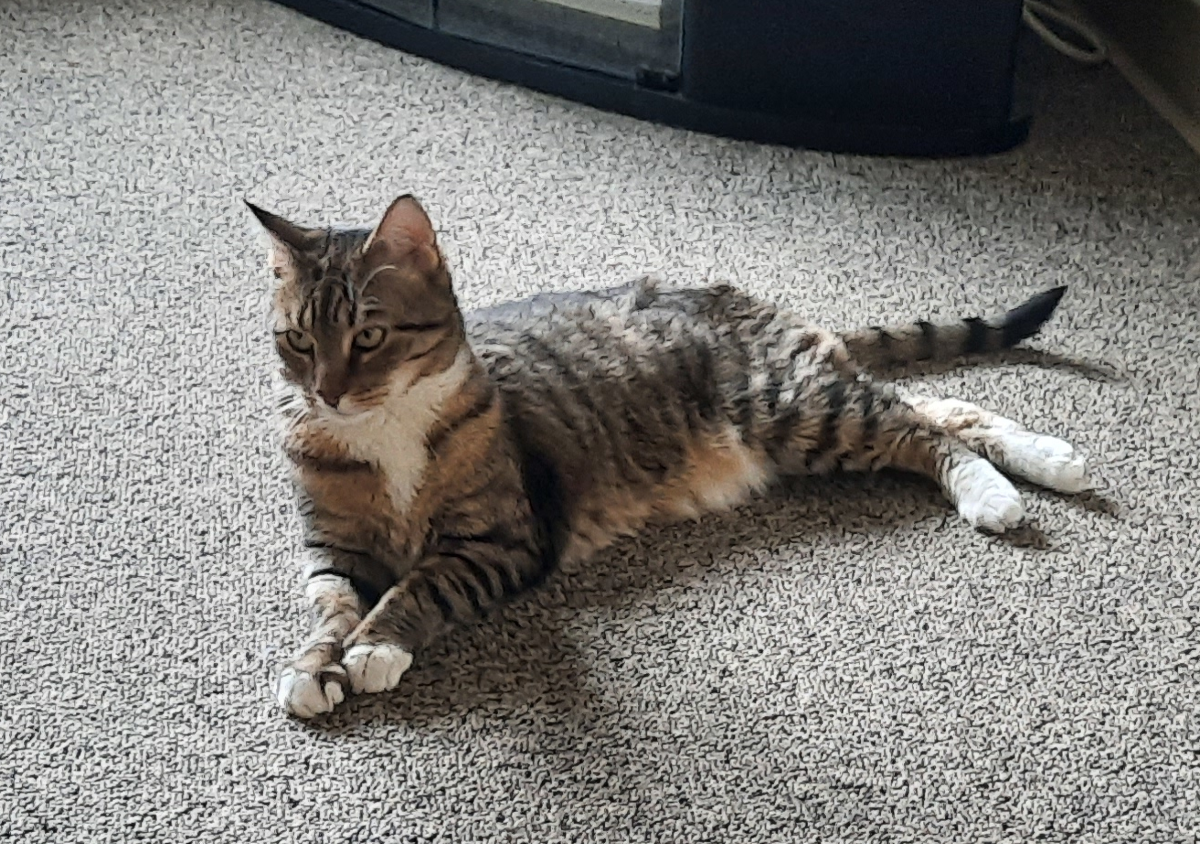
This subject is personal for us. Belle and Paws were already declawed when we rescued them, and Sheamus was also declawed. We have lived with and cared for declawed cats, but that experience has made us strongly opposed to elective declawing rather than accepting of it. After more than 35 years of caring for cats and dogs and working alongside veterinarians through many medical problems, we have learned that one of the most useful things pet owners can do is understand exactly what a procedure involves before deciding whether it is appropriate.
Start With the Anatomy, Not an Argument
The clearest explanation I have found is also one of the simplest: a cat’s claw is not removed the way a human fingernail could theoretically be removed.
During an onychectomy, the medical term for declawing, the third phalanx of each affected toe is amputated. That is the small bone at the end of the toe from which the claw grows. The Feline Veterinary Medical Association states plainly that declawing is an amputation of the third phalanx, and the American Animal Hospital Association describes it as removal of the third bone in each toe rather than simply removal of the claw.
A comparison to human fingers is never anatomically perfect because cats and humans are built differently, but the common explanation of removing the end of each finger rather than trimming the fingernail gets much closer to the reality than calling declawing a nail procedure. The important point is not to make the description gruesome. It is to make it accurate.
That distinction alone can help a friend understand why many veterinarians and feline organizations no longer view elective declawing as routine preventive care. The Feline Veterinary Medical Association strongly opposes elective declawing, while AAHA also strongly opposes elective declawing and has incorporated discouragement of nontherapeutic feline declawing into its accreditation standards.
Scratching Is Something Cats Are Supposed to Do
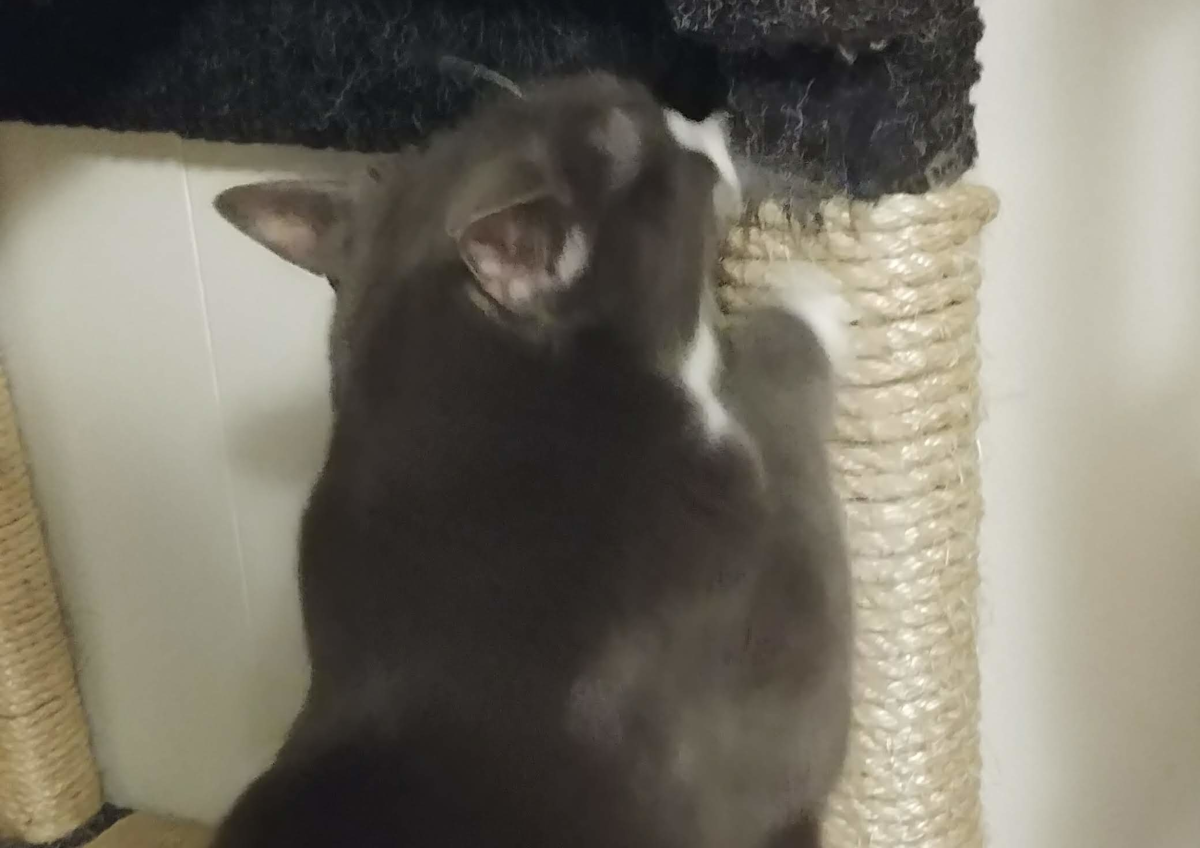 The next misconception worth clearing up is that scratching is misbehavior. Sometimes the location is a problem for us, especially when the chosen target happens to be the side of an expensive sofa, but the behavior itself is normal.
Cats scratch for several reasons. Scratching helps remove old outer claw sheaths, provides stretching and physical activity, and leaves both visible and scent-based territorial signals. Cornell’s Feline Health Center describes scratching as an innate behavior and recommends redirecting it toward appropriate surfaces rather than treating the behavior itself as something abnormal.
That changes how I explain the issue to people. Instead of saying, “Your cat needs to stop scratching,” I would frame it as, “Your cat needs somewhere acceptable to scratch.”
A cat that attacks the sofa may prefer a tall vertical surface with substantial resistance. Another cat may prefer cardboard on the floor. Some like sisal, some prefer fabric, and some want wood. Cornell recommends paying attention to both the material and the direction in which the cat likes to scratch, then providing an appropriate alternative that matches those preferences.
A short, unstable scratching post tucked in an unused corner may technically qualify as a scratching post, but it may have little appeal to a cat who wants to stretch to full height beside the family’s favorite couch. Placement, height, stability, material, and the cat’s existing habits can make a substantial difference.
The Concern Is Bigger Than the Surgery Day
Any surgical procedure can involve pain and complications, and declawing is no exception. AAHA lists risks including pain, bleeding, infection, anesthetic complications, and medication-related effects, while the Feline Veterinary Medical Association also identifies possible nerve trauma, lameness, behavioral problems, and chronic neuropathic pain among its concerns.
The longer-term questions deserve careful wording because research does not justify claiming that every declawed cat will develop chronic pain or behavioral problems. Individual cats may appear to function normally for years, and an owner may never notice an obvious problem.
Research does, however, give us reasons to take those possibilities seriously. A retrospective study involving 137 declawed cats and 137 non-declawed cats found higher odds of back pain, inappropriate elimination, biting, and excessive grooming among the declawed cats. The researchers also found retained bone fragments in many of the declawed cats they examined, and those cats had greater odds of several adverse outcomes.
A 2025 secondary analysis of research involving cats with osteoarthritis also reported sensory, biomechanical, and functional differences in declawed cats compared with non-declawed cats with osteoarthritis. That research adds to concerns about possible lasting pain, although it should not be interpreted as proof that every declawed cat will experience the same problems.
That is an important distinction when talking with a friend. There is no need to exaggerate the evidence to make the case against elective declawing. The procedure permanently changes the anatomy of the foot, established veterinary organizations oppose performing it electively, and legitimate concerns exist about both immediate surgical pain and possible long-term effects.
“But My Last Cat Was Declawed and Was Fine”
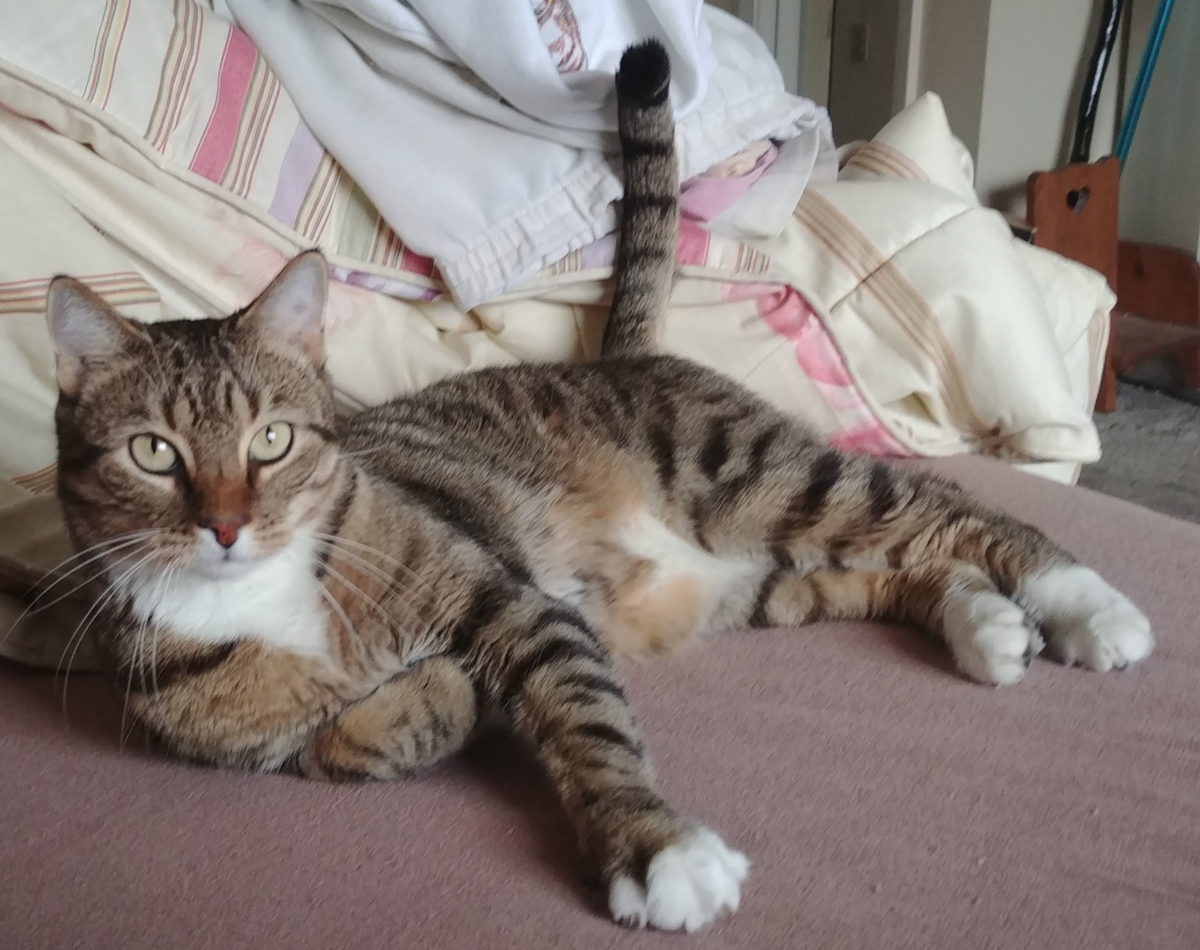 This is one of the most understandable responses because people naturally judge procedures by what they saw with their own animals. Someone may have had a declawed cat that lived to 18, used the litter box normally, jumped onto furniture, played, purred, and never appeared to have painful paws. That experience is real and should not be dismissed.
It also does not tell us whether declawing was harmless for every cat or whether that individual cat experienced subtle discomfort that was never recognized. Cats can be remarkably quiet about pain. Changes such as reduced jumping, altered posture, reluctance to use certain litter, irritability, or decreased activity can have many possible causes, particularly as cats get older, so attributing those changes to a surgery performed years earlier can be difficult.
The more productive response is not, “Your cat wasn’t fine.” A better explanation is that veterinary recommendations change as evidence and professional understanding improve. Many medical procedures that were once common have later been reconsidered when better alternatives became available or previously underestimated consequences became clearer.
Our own history with declawed cats is one reason we approach the subject this way. Belle and Paws did not become less deserving of love or somehow damaged in our eyes because someone had declawed them before they came to us. Sheamus being declawed does not define him either. What those experiences do is remind us that caring for a cat who has already undergone the procedure is completely different from deciding whether to perform the procedure on another cat.
Furniture Problems Have Other Solutions
A friend considering declawing because of furniture damage deserves practical alternatives, not just criticism. Modern feline guidance puts considerable emphasis on matching scratching surfaces to the cat. A sturdy vertical post, horizontal cardboard scratcher, sisal surface, wood, fabric, or several different options may be needed before finding what a particular cat prefers. Scratching surfaces can be placed beside furniture the cat already targets and near sleeping areas, since many cats stretch and scratch after waking. Positive reinforcement can then help make those approved scratching locations rewarding.
Regular claw trimming can reduce the amount of damage caused by sharp claw tips. Temporary nail caps are another option for some cats, particularly when the cat tolerates having its paws handled. Furniture protectors and temporary coverings can make a favorite target less attractive while a better scratching habit develops.
Environmental issues are worth considering too. A cat who suddenly begins scratching much more frequently may be responding to changes in the household, territorial pressure from another cat, boredom, stress, or inadequate opportunities to perform normal behaviors. The Feline Veterinary Medical Association recommends looking at the cat’s environment and behavioral needs as part of managing inappropriate scratching.
If scratching remains severe despite reasonable changes, a veterinarian or qualified feline behavior professional can help identify what may be driving it. That approach tries to solve the actual problem without permanently removing part of the cat’s toes.
What About Someone Who Is Immunocompromised?
 Health concerns sometimes enter the declawing discussion, particularly when someone in the household has a weakened immune system or worries about scratches. That situation deserves individual medical and veterinary advice rather than assumptions. AAHA notes that the U.S. Centers for Disease Control and Prevention does not list declawing as a method of preventing disease in either healthy or immunocompromised people.
Risk reduction may instead involve keeping claws trimmed, avoiding rough hand play, preventing situations likely to provoke scratching or biting, washing wounds promptly, managing interactions carefully, and discussing the person’s particular medical risks with their physician. The cat’s veterinarian can also help develop a household management plan suited to that individual cat.
There can also be genuine medical reasons for amputating a toe or removing diseased tissue. Tumors, severe injuries, or chronic infections can sometimes make amputation medically appropriate. That is very different from elective declawing performed to prevent normal scratching, and both AAHA and the Feline Veterinary Medical Association distinguish medically necessary procedures from elective onychectomy.
Avoid Turning the Conversation Into a Trial
People rarely absorb new information when they feel they are being accused of being bad pet owners. Many people who had cats declawed years ago were following advice that was widely accepted at the time. Some veterinarians routinely offered declawing alongside spaying or neutering. A person can regret that decision after learning more without having been uncaring when the decision was made.
That is why I prefer explaining what the procedure actually is rather than beginning with condemnation. Something as straightforward as, “A lot of people were told it was basically permanent nail removal, but it actually amputates the final bone of each toe,” can open the conversation without immediately putting the other person on the defensive.
From there, the discussion can move toward the cat’s behavior and the alternatives available now. Once someone understands that scratching is normal and that there are ways to redirect it, declawing no longer looks like the only choice between keeping a cat and sacrificing the furniture.
Caring for a Cat Who Is Already Declawed
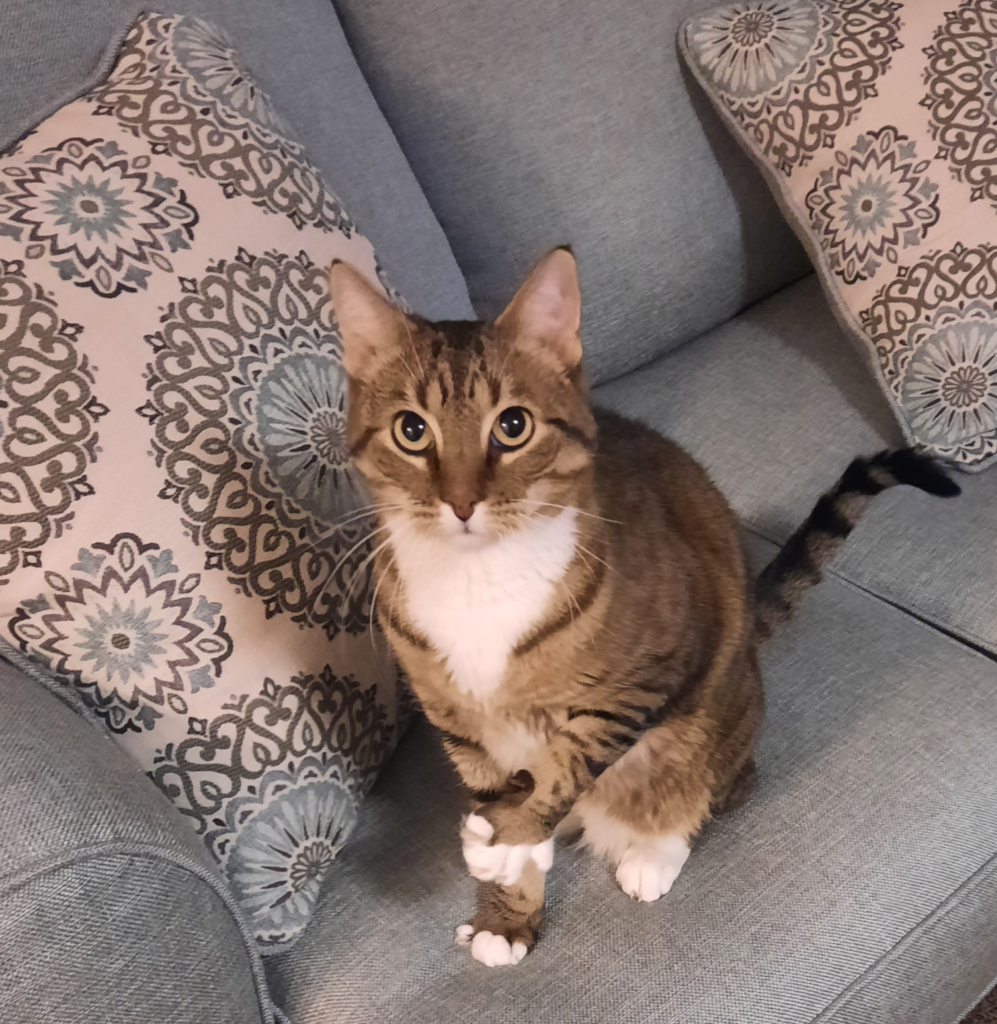 Being opposed to declawing does not mean treating every declawed cat as though something must be wrong with them. If a cat is already declawed and moving comfortably, using the litter box normally, playing, climbing, and behaving as usual, there is no reason to assume that hidden suffering must be present. Observation is more useful than expectation.
As declawed cats age, though, I think their paw history is worth mentioning during veterinary visits, especially if changes appear in mobility, jumping, gait, litter box habits, paw sensitivity, grooming, or behavior. Those signs can result from many medical conditions, including arthritis and other common problems in older cats, so declawing should never automatically be blamed. A veterinarian can examine the cat and decide whether the paws, joints, spine, or another medical issue deserves closer attention.
Soft, comfortable litter may also matter for a cat that appears sensitive about the paws. AAHA notes that painful feet after declawing can make some cats reluctant to step onto uncomfortable litter substrates. If litter box behavior changes suddenly, however, it deserves veterinary attention because urinary disease, arthritis, gastrointestinal problems, stress, and other conditions can produce similar changes.
Living with Belle, Paws, and Sheamus has never made us think less of a declawed cat. It has made us wish more people understood what declawing actually means before the decision is made. That conversation does not require anger or graphic descriptions. Sometimes explaining that the “nail procedure” is actually an amputation, then showing someone the many ways normal scratching can be managed, is enough to change the way they see the choice.