
Adopting a declawed cat with arthritis means welcoming home an animal who may have spent years quietly adjusting to discomfort. These cats are often described as sensitive, grumpy, lazy, unpredictable, or difficult with the litter box. Those labels can follow them into shelters and adoption listings, even though pain may be driving much of what people see.
Cats are remarkably skilled at hiding physical trouble. They rarely announce that their feet hurt, their hips ache, or stepping into a litter box has become miserable. Instead, they stop jumping. They sleep more. They resist being picked up. They urinate beside the box. They may swat when someone touches a painful leg or pulls them from a comfortable bed.
A declawed arthritic cat does not need discipline. This cat needs patience, medical support, and a home arranged around what their body can comfortably do today.
Declawing Changes More Than the Claws
Declawing is not a nail-removal procedure. The operation, medically called onychectomy, removes the third bone of each affected toe. In many cats, all front toes were amputated at that final joint. Some cats were declawed on all four paws.
That physical change does not mean every declawed cat will develop obvious lifelong complications. Still, chronic paw pain, nerve-related pain, retained bone fragments, altered movement, and behavioral problems have all been associated with the procedure. Research reviewed by the Feline Veterinary Medical Association also indicates that declawed cats with osteoarthritis may experience greater nerve pain and impaired physical function compared with arthritic cats who still have their claws.
A cat normally walks on their toes. Removing the final portion of those toes changes the structure of the foot and may change how weight is distributed through the limbs. Over time, a cat may place more pressure on other parts of the paws, wrists, elbows, shoulders, spine, hips, or rear legs.
Arthritis adds another layer. Stiff joints make it harder to compensate for sore or altered feet. The cat may shorten their stride, walk close to the floor, shift weight backward, or avoid movements that once seemed effortless. This is why rehabilitation must consider the whole cat. Focusing only on the arthritic hip while ignoring painful paws will leave part of the problem untreated.
Begin With a Thorough Veterinary Evaluation
 An adopted cat may arrive with little medical history. You might not know when the declawing was performed, which technique was used, whether complications occurred, or how long the cat has shown signs of arthritis.
A veterinary examination should include the paws, limbs, spine, hips, muscle condition, gait, body weight, and neurological responses. Your veterinarian may recommend X-rays to assess arthritic joints and check the declawed toes for bone fragments, abnormal regrowth, infection, or other structural problems.
Bloodwork and urine testing may also be recommended before starting certain pain medications, particularly for an older cat. Kidney disease, thyroid disease, diabetes, dental pain, and urinary trouble can occur alongside arthritis and may affect which treatments are safe.
Bring videos from home. Cats often freeze, crouch, or move differently in a clinic, making their everyday mobility hard to judge. Record your cat walking across a room, stepping into the litter box, rising after sleep, climbing onto furniture, and using stairs. These short clips can reveal changes that are not visible during an examination.
Do not give human pain relievers. Acetaminophen can be fatal to cats, and common anti-inflammatory medications such as ibuprofen and naproxen can cause severe poisoning. Pain treatment should always come from a veterinarian who knows the cat’s medical condition.
Learn the Quiet Signs of Pain
Arthritic and declawed cats do not always limp. Many show subtler changes that are easy to mistake for aging or personality. A painful cat may hesitate before jumping, pull themselves onto furniture with the front legs, or climb down in several awkward stages. They may stop grooming their back, hips, belly, or rear legs. Their coat may become oily, flaky, or matted in areas they can no longer reach comfortably.
Other signs may include:
- Walking stiffly after resting
- Sleeping in fewer locations
- Avoiding stairs
- Refusing hard floors
- Shifting weight from one front paw to the other
- Licking or chewing the feet
- Resisting paw handling
- Becoming less social
- Growling or swatting when touched
- Missing the litter box
- Leaving stool uncovered
- Standing rather than squatting during elimination
- Losing muscle along the back or rear legs
Pain can fluctuate. A cat may appear comfortable one day and struggle the next. Cold rooms, intense activity, a slippery floor, or an awkward jump can make symptoms more noticeable. Keep a simple weekly record of mobility, appetite, grooming, litter-box use, social behavior, and sleep locations. Small changes are easier to recognize when they are written down.
Build a Low-Impact Home
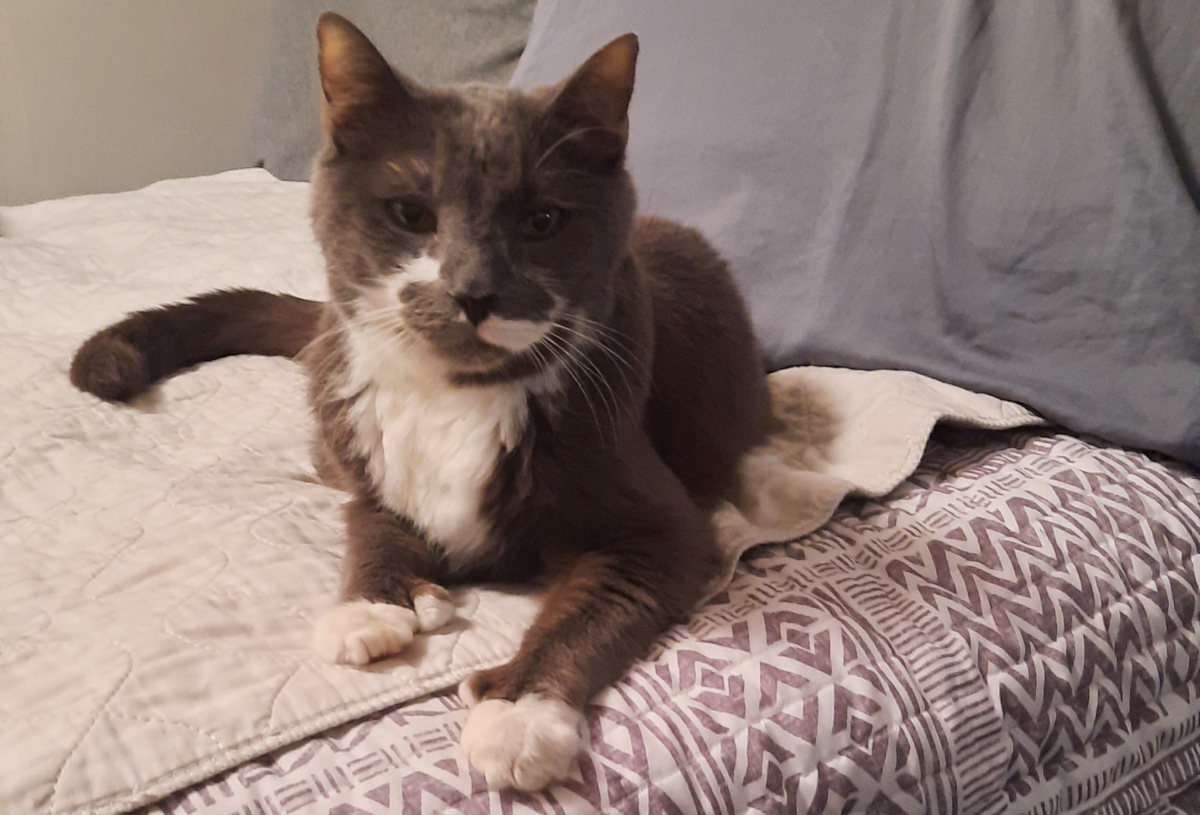 A comfortable home does not require a major renovation. Small changes can remove dozens of painful movements from a cat’s day. Place food, water, beds, and litter boxes on the floor where they are easy to reach. A cat should not have to climb stairs every time they need to drink or eliminate. In a multi-level home, provide basic resources on each floor the cat regularly uses.
Use pet steps or stable ramps beside beds, couches, window perches, and other favorite places. The steps should be wide enough for the cat to turn safely and shallow enough that each movement feels manageable. Cover slick surfaces with carpet, a yoga mat, or another material that provides traction.
Ramps need grip. A smooth wooden board may look attractive, but it can become frightening when a cat’s feet slide backward. Secure the ramp so it cannot wobble or shift under the cat’s weight. Keep furniture placement consistent. A cat who has memorized a safe route may become reluctant to move through a room after everything is rearranged.
Warmth also matters. Heated pet beds made specifically for animals can soothe stiff joints, provided the cat can freely move away from the heat. Thick orthopedic beds, folded blankets, and soft resting areas protect sore joints from hard surfaces.
Make the Litter Box Easy on Painful Feet
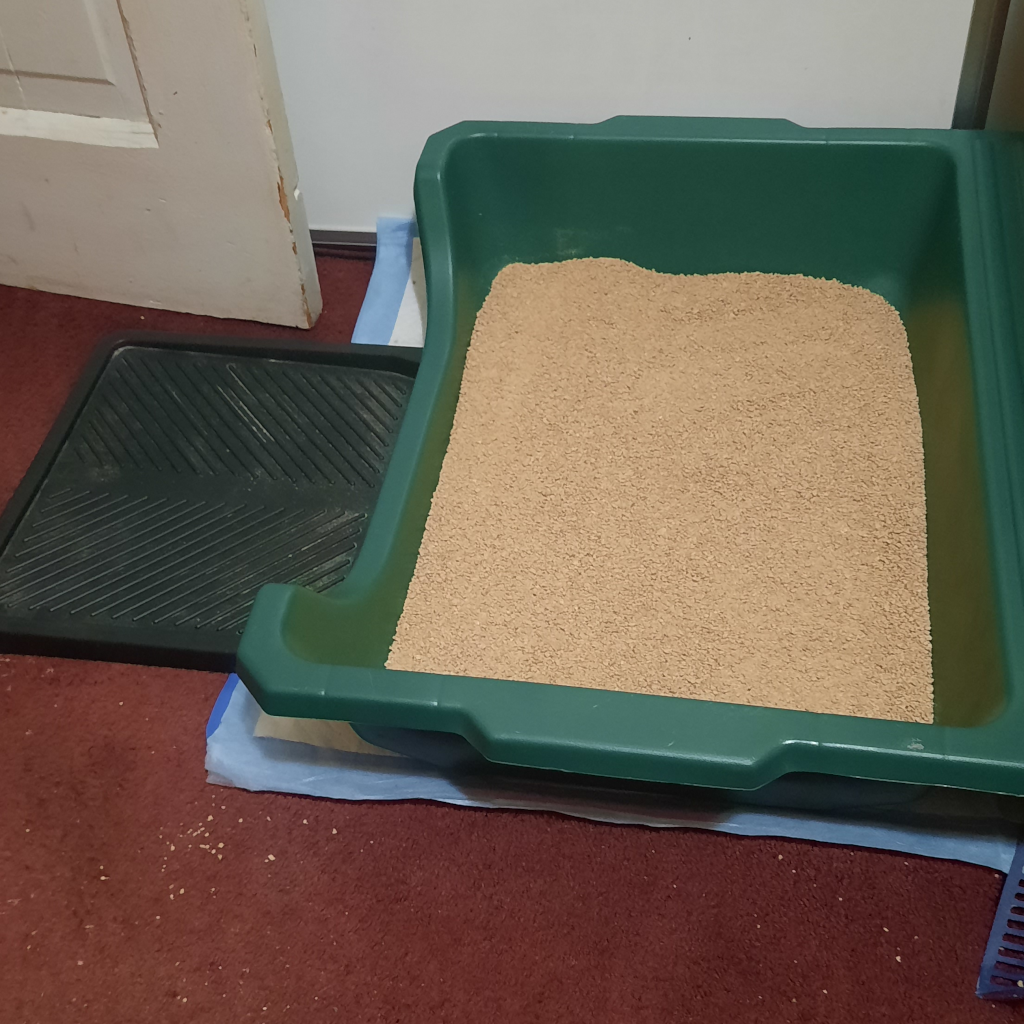 Litter-box trouble is one of the most common reasons cats lose homes. For declawed cats with arthritis, the box itself may be painful. High sides force stiff hips and knees to lift farther. Small boxes make turning difficult. Coarse litter can hurt sensitive paws. Deep litter may shift underfoot and make the cat feel unstable.
Choose a large, uncovered box with a low entrance. Storage containers can be modified with a doorway cut into one side, although every cut edge must be sanded and covered so it cannot scrape the cat. Some senior-cat litter boxes are already designed with a low front opening.
Use a soft, fine-grained, unscented litter unless the cat clearly prefers something else. International Cat Care notes that cats with arthritis or reduced mobility often benefit from low-sided trays, while hard pellet-style substrates may be uncomfortable for painful feet.
Keep the litter shallow enough to feel stable but deep enough for normal digging. Place a washable mat or absorbent pad around the box. Accidents near the entrance often mean the cat tried but could not get fully inside.
Provide more than one box. A commonly used starting point is one box per cat, plus one extra, but an arthritic cat may need additional boxes simply because distance has become a barrier. Never punish litter-box mistakes. Scolding adds fear to an area that may already be associated with pain. Clean accidents with an enzymatic cleaner and treat them as medical information.
Use Pain Control as Part of Rehabilitation
Rehabilitation will not work well if every movement hurts. Current veterinary pain guidelines favor a multimodal plan, meaning several forms of support may be combined rather than expecting one treatment to solve everything.
Depending on the cat’s health, a veterinarian may discuss anti-inflammatory medication, nerve-pain medication, injectable arthritis treatment, or other prescription options. Some treatments are given daily, while others may be administered at longer intervals.
The right plan is highly individual. A medication that helps one cat may be unsuitable for another with kidney, liver, heart, or digestive problems. Follow-up bloodwork may be needed to watch for changes.
Pain control should produce measurable improvements. The cat may begin grooming again, walk farther, use the box more reliably, return to a favorite chair, or interact more comfortably with family members.
Do not judge success only by whether the cat runs or plays. A senior cat who can rise without hesitation, reach the litter box without distress, and sleep without repeatedly repositioning may already have gained meaningful relief.
Introduce Physical Rehabilitation Gently
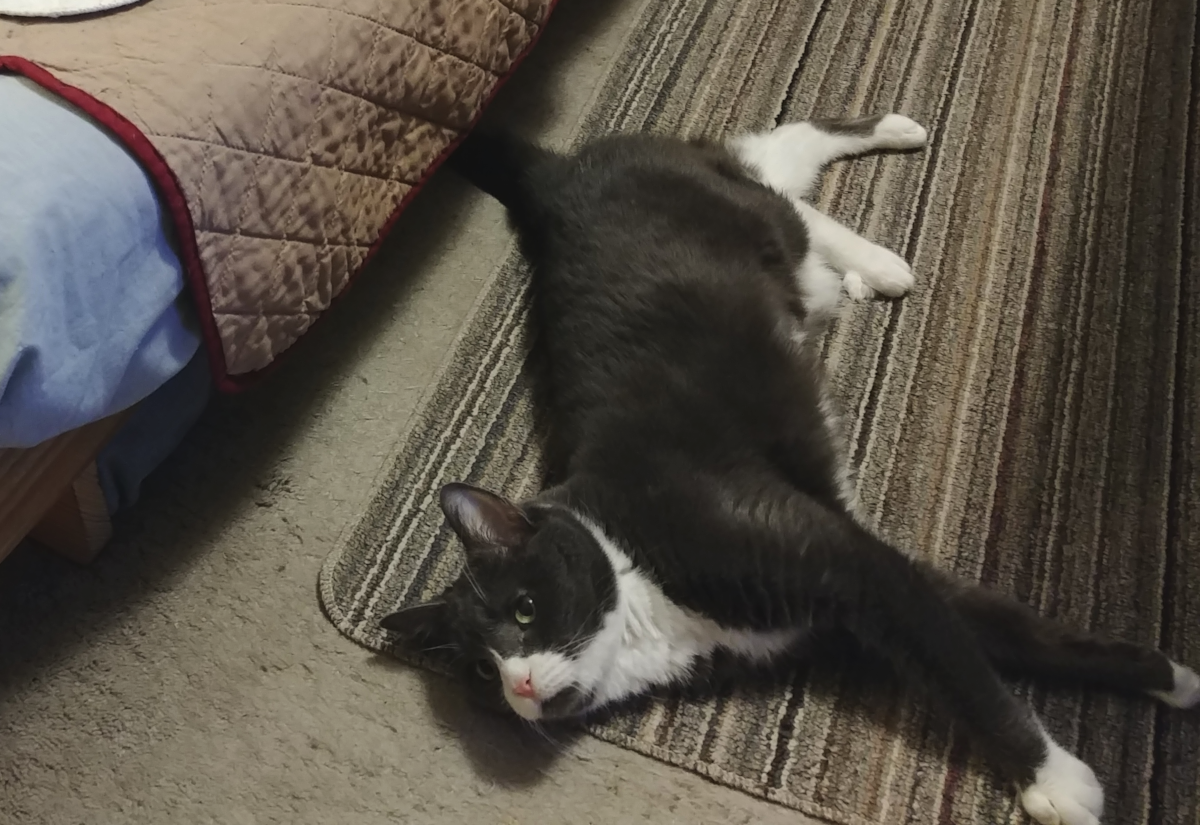 Some cats benefit from professional rehabilitation under veterinary supervision. Treatment may include controlled movement exercises, massage, therapeutic laser, gentle joint work, balance activities, or other methods selected for the individual cat. Cats are not small dogs. They usually do not respond well to forced repetition, restraint, or long exercise sessions. Rehabilitation should feel safe and voluntary.
At home, encourage several brief periods of comfortable movement rather than one demanding workout. Place food bowls a modest distance apart. Roll a soft toy across the floor. Use a wand toy at ground level so the cat can stalk without jumping. Reward movement with affection, praise, or a small food reward that fits the cat’s diet. Stop before the cat becomes tired, irritated, or sore.
Never force a painful limb through a range of motion unless a veterinary rehabilitation professional has demonstrated the exact technique. Pulling, stretching, or rotating an arthritic joint incorrectly can increase pain.
Paw massage also requires caution. Some declawed cats have extreme sensitivity or nerve pain. Begin by touching the shoulder or upper leg, not the toes. Watch for skin twitching, tail lashing, ear movement, freezing, growling, or a sudden attempt to leave. Consent matters here. Let the cat end the interaction.
Protect Muscle Without Overloading the Joints
Muscle supports arthritic joints. Unfortunately, painful cats move less, and reduced movement causes muscle loss. That loss can make mobility even harder. The answer is not strenuous exercise. It is steady, comfortable activity paired with good pain control.
Walking across carpet, stepping over a very low obstacle, changing positions during play, and climbing one or two shallow steps can help preserve strength. Several one-minute sessions may be more useful than ten continuous minutes.
Body weight deserves attention too. Excess weight adds stress to painful joints and can make grooming, squatting, and climbing more difficult. Weight loss must be gradual and planned with a veterinarian. Cats should never be placed on a sudden crash diet because rapid food restriction can lead to serious liver trouble.
A thin cat may need a different approach. Chronic pain, kidney disease, thyroid disease, dental trouble, or reduced appetite can cause weight and muscle loss. Rehabilitation cannot succeed if the cat is not eating enough to maintain their body.
Rebuild Trust Around Touch and Handling
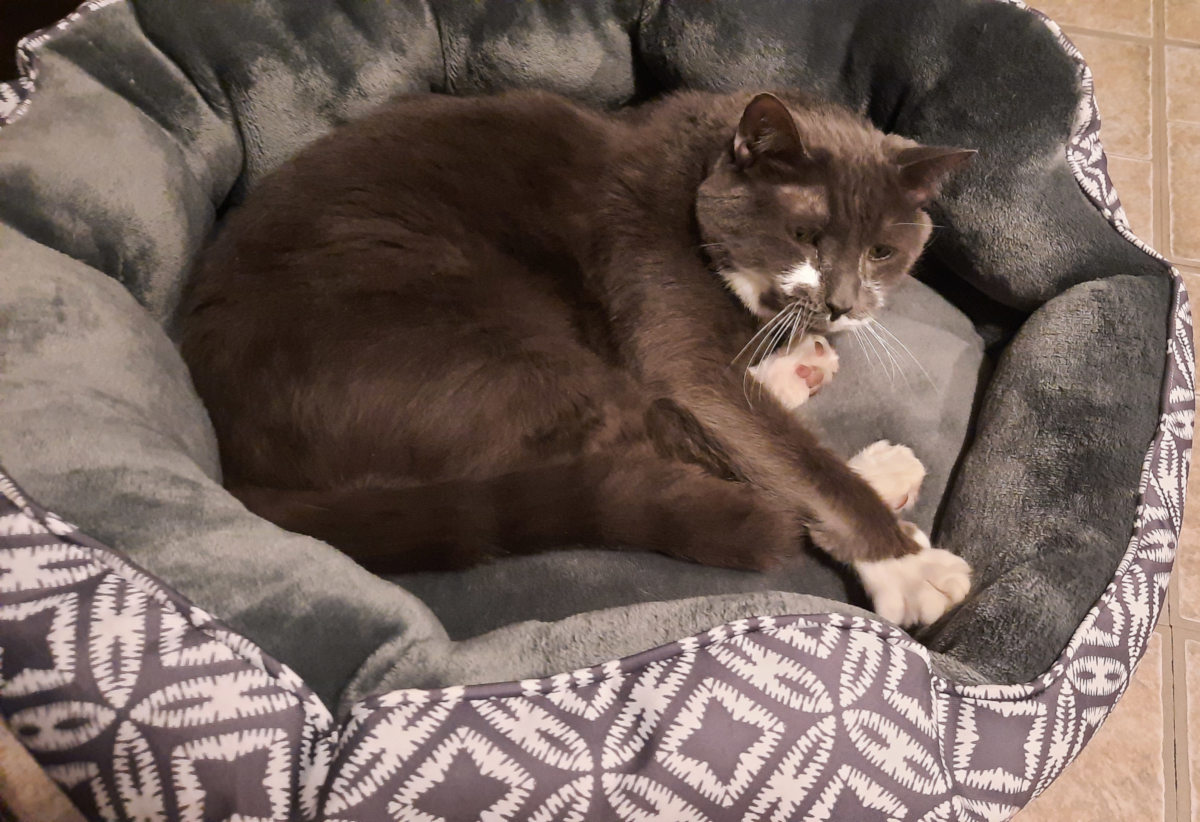 Some adopted declawed cats arrive wary of hands. Their history may include painful foot handling, punishment for biting, rough restraint, or repeated attempts to force them into a carrier. Trust is rebuilt through predictability. Let the cat approach first. Pet areas they clearly enjoy, often the cheeks, chin, or shoulders. Avoid grabbing the paws to “get them used to it.” That approach can confirm the cat’s fear that hands are dangerous.
Use a carrier with a removable top or a large side opening. Leave it in the living space with soft bedding so it becomes a resting place rather than a warning that something unpleasant is about to happen. For necessary handling, move slowly and support the whole body. Do not let the rear legs dangle. Place one hand beneath the chest and the other beneath the hindquarters, then keep the cat close to your body.
Some cats prefer not to be lifted at all. Respecting that preference does not mean the cat is unaffectionate. Sitting beside them, offering a warm lap at floor level, or placing a bed next to your chair can create closeness without causing pain.
Separate Pain Behavior From Bad Behavior
A cat who bites during paw handling is communicating. A cat who urinates beside a high-sided box is communicating. A cat who hides after being chased by another pet is communicating. Pain lowers tolerance. Minor frustrations become harder to bear, and defensive reactions may occur faster. Before labeling a behavior problem, look for the physical barrier behind it.
Watch interactions with other animals closely. An arthritic cat may be unable to escape, climb to safety, or defend space as they once did. Provide separate feeding stations, beds, water bowls, and litter boxes. Give the cat protected resting areas that other pets cannot easily crowd. Children should be taught not to pick up, chase, corner, or touch the cat’s feet. Quiet companionship is often welcomed. Sudden handling may not be.
Measure Progress in Small Victories
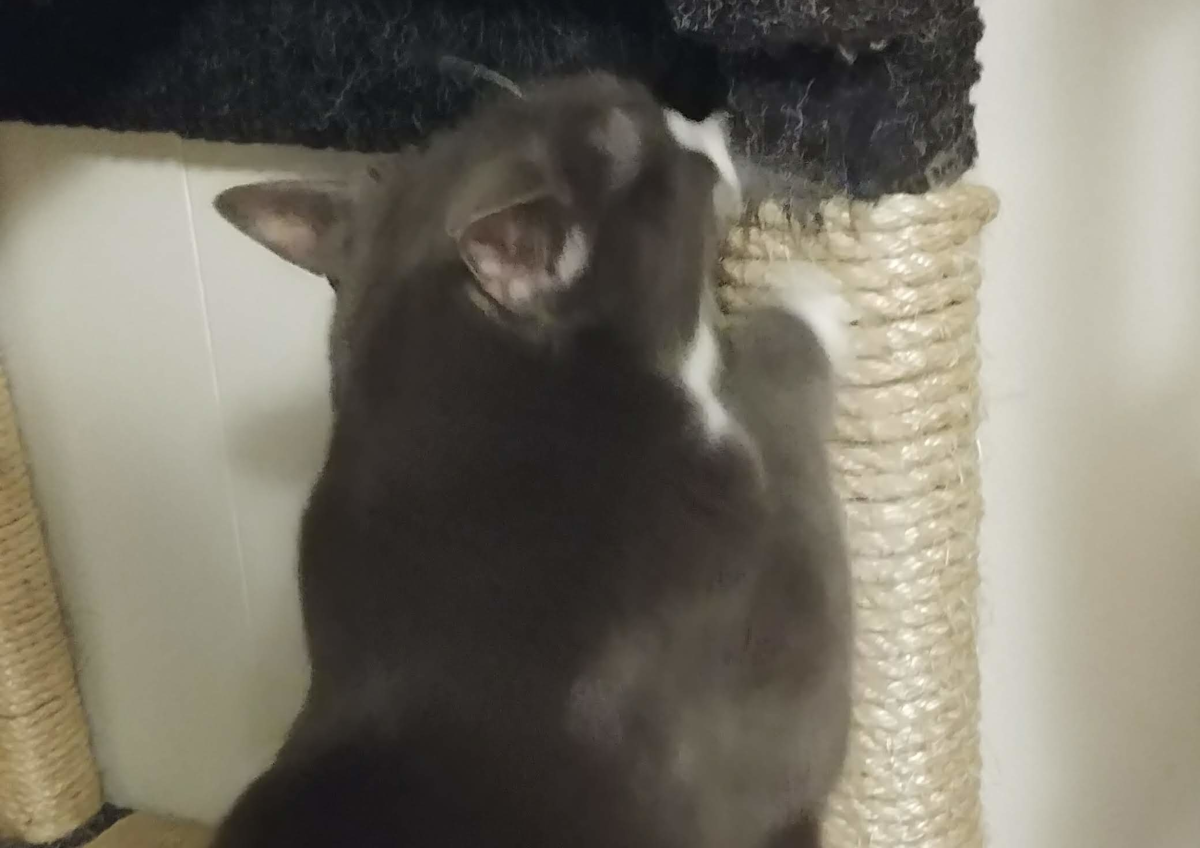 Recovery does not mean restoring the paws that were altered or making arthritis disappear. The goal is to reduce pain, restore confidence, and make everyday activities possible without unnecessary strain.
Progress may appear as a cat stepping into the litter box without pausing. It may be a return to the couch by way of a new set of stairs. It may be a full grooming session, a relaxed stretch, or the first time the cat sleeps with their paws exposed instead of tucked tightly beneath the chest.
Keep notes and videos so changes can be shared with the veterinary team. Report setbacks rather than waiting for the next routine examination. Increased hiding, appetite loss, sudden aggression, vocalizing, limping, swollen paws, repeated litter-box accidents, or refusal to walk deserves prompt attention.
A declawed cat with arthritis may need lifelong adjustments as mobility changes. Ramps may need to become less steep. Boxes may need lower openings. Medication plans may need revision. Food and water may need to move closer to the cat’s preferred bed. The cat should never have to prove that the pain is severe enough to deserve help.