

Aging rarely happens all at once. It arrives in small changes that are easy to explain away. A dog pauses before climbing the stairs. A cat begins sleeping in a different room. A once-enthusiastic eater leaves a little food behind. The water bowl seems to empty faster, but only on certain days. A pet loses a few ounces or gains a pound, and nobody notices because we see them every day.
Many of these changes seem harmless. Sometimes they are. Other times, they are the earliest signs of arthritis, dental pain, kidney disease, thyroid problems, diabetes, high blood pressure, heart disease, vision loss, or another condition that deserves attention.
This is why veterinary examinations every six months matter so much for senior dogs and cats. The goal is not to search for bad news. The goal is to find manageable problems while there are still more choices available. Current senior-care recommendations support examinations at least twice a year for older pets, even when they appear healthy. Some very old pets and those living with chronic illness may need appointments more often.
A Year Is a Long Time in a Senior Pet’s Life
For a young, healthy pet, an annual wellness examination may provide a reasonable schedule. Senior pets are different. Their bodies can change noticeably within six months, especially if they already have a medical condition.
A pet who receives a reassuring examination in January may develop a new heart murmur, lose muscle, gain weight, experience dental pain, or show changes in kidney function before the following January. Waiting an entire year can allow a mild problem to become harder and more expensive to manage.
Twice-yearly visits shorten that gap. They give the veterinary team another opportunity to listen to the heart and lungs, examine the mouth, feel the abdomen, inspect the skin, check the eyes and ears, evaluate mobility, and compare the pet’s weight with earlier records. That comparison matters. One isolated measurement tells only part of the story. A series of measurements can reveal a pattern.
Senior Pets Often Hide Pain and Illness
 Dogs and cats do not always show discomfort in obvious ways. Many continue eating, greeting their family, or following familiar routines while dealing with pain or illness. Cats are especially skilled at concealing weakness. A cat with arthritis may not limp. Instead, she may stop jumping onto a favorite windowsill, hesitate before entering a high-sided litter box, or allow her coat to become messy because grooming hurts.
A dog with dental pain may still eat dinner. He might chew on one side, swallow kibble without crunching it, drop food from his mouth, or become reluctant to play with toys. These behaviors can be mistaken for normal aging. They are not always normal.
Senior pets may also become quieter when they feel unwell. Families often describe them as “slowing down,” but slowing down is a description, not a diagnosis. Pain, muscle loss, heart disease, hormonal disorders, kidney problems, anemia, and reduced vision can all affect activity.
A hands-on examination helps separate expected age-related changes from signs that need closer attention. AAHA also warns that pets commonly hide pain and disease, which is one reason older animals benefit from more frequent routine care.
The Physical Examination Can Reveal More Than Expected
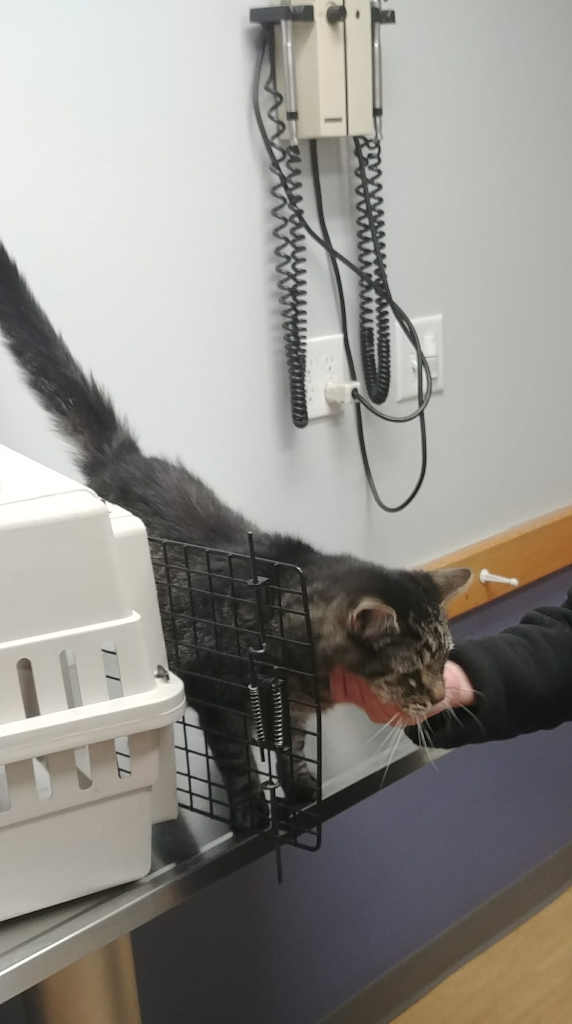 A senior wellness visit is much more than a vaccination appointment. Vaccines may be discussed, but the physical examination is the heart of the visit. The veterinarian may check your pet’s body condition and muscle mass, which are not the same thing. A pet can remain at a similar weight while losing muscle and gaining fat. Muscle loss may be noticed along the spine, hips, shoulders, or head before the number on the scale changes dramatically.
The mouth can reveal broken teeth, inflamed gums, infection, oral growths, or painful tooth resorption in cats. The eyes may show cataracts, inflammation, retinal changes, or signs connected with high blood pressure. The neck may be examined for thyroid enlargement, especially in older cats.
The veterinarian may also feel for enlarged lymph nodes, abdominal masses, bladder changes, constipation, dehydration, skin lumps, coat changes, and sore joints. Listening to the chest may reveal a new murmur, an irregular rhythm, or changes in breathing sounds. Not every finding means something serious. Still, each finding becomes a piece of information that can be compared with earlier visits.
Bloodwork and Urine Testing Create a Valuable Baseline
A pet can look perfectly comfortable while internal changes are beginning. Blood and urine tests may detect those changes before obvious symptoms appear at home. A complete blood count can help identify anemia, inflammation, infection, and certain blood-cell abnormalities. A chemistry panel may provide information about the kidneys, liver, blood sugar, proteins, electrolytes, and other body systems. Urinalysis can add information about urine concentration, infection, crystals, glucose, protein, and kidney function.
The value is not limited to finding disease. Normal results are useful too. Normal test results create a personal baseline for your pet. Later, if a value begins moving away from that baseline, the veterinarian may recognize the shift even if it has not crossed outside the laboratory’s standard reference range.
AAHA’s senior-care guidance supports medical workups once or twice yearly for older pets. Depending on the individual animal, this may include a complete blood count, chemistry testing, urinalysis, and additional screening selected by the veterinarian.
Testing should never be treated as a one-size-fits-all package. Age, species, breed, medical history, medications, physical findings, and household budget all play a role. A thoughtful veterinarian can explain which tests are most useful now and which may be reasonable to postpone.
Blood Pressure Deserves More Attention in Older Cats
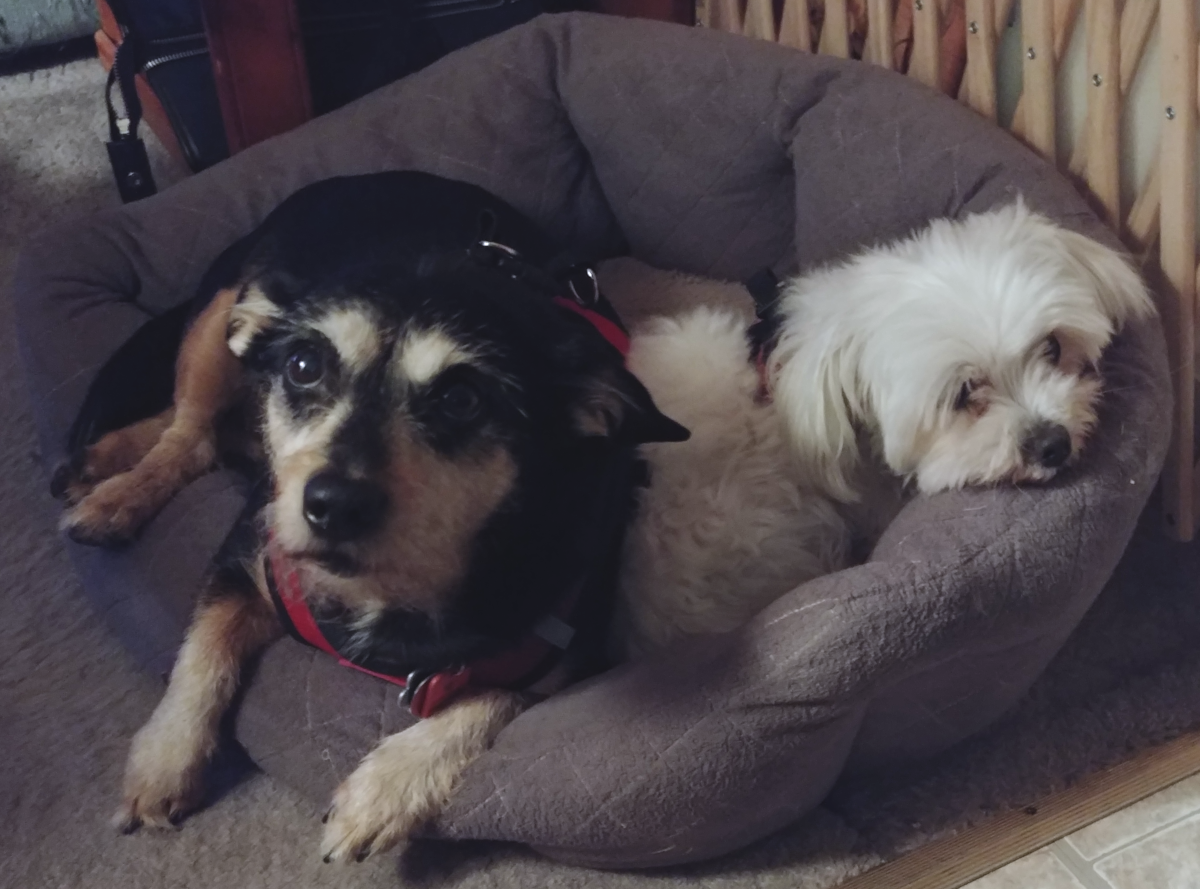 High blood pressure can be easy to miss because it may not cause visible symptoms until damage has already occurred. In cats, hypertension may be connected with kidney disease, hyperthyroidism, or other medical conditions.
Belle and Paws both lived with high blood pressure. From a pet parent’s perspective, that experience changed how we viewed a simple blood pressure check. It was no longer an optional extra. It became another way to protect their eyes, kidneys, heart, brain, and general comfort.
A cat with severe hypertension may experience sudden blindness, changes in behavior, weakness, confusion, or seizures. Those signs can appear frighteningly fast. Earlier detection offers a better chance to begin treatment before a major event occurs.
Feline veterinary guidance recommends screening senior cats for high blood pressure during regular six-month examinations. Cats already receiving blood pressure medication may need readings every three to six months, based on the veterinarian’s advice.
Weight Changes Can Be Early Warning Signs
A pound may not sound like much, but it can represent a large percentage of a cat or small dog’s body weight. Even a few ounces may matter when the change continues over several months.
Weight loss can be associated with dental disease, kidney disease, hyperthyroidism, diabetes, intestinal disorders, cancer, reduced appetite, or muscle wasting. Weight gain may increase strain on arthritic joints and can make diabetes management more difficult. The direction of the change is only one part of the discussion. Speed matters too. Slow changes are easy to miss at home because pet parents see their animals every day.
Regular veterinary weigh-ins make small trends easier to spot. Home records can help between visits. Weigh your pet on the same scale when possible, record the date, and pay attention to changes in appetite, thirst, urination, stool, activity, and body shape. Photos can also be useful. A monthly photograph from above and from the side may reveal gradual changes that were difficult to see in real time.
Chronic Conditions Need More Than Prescription Refills
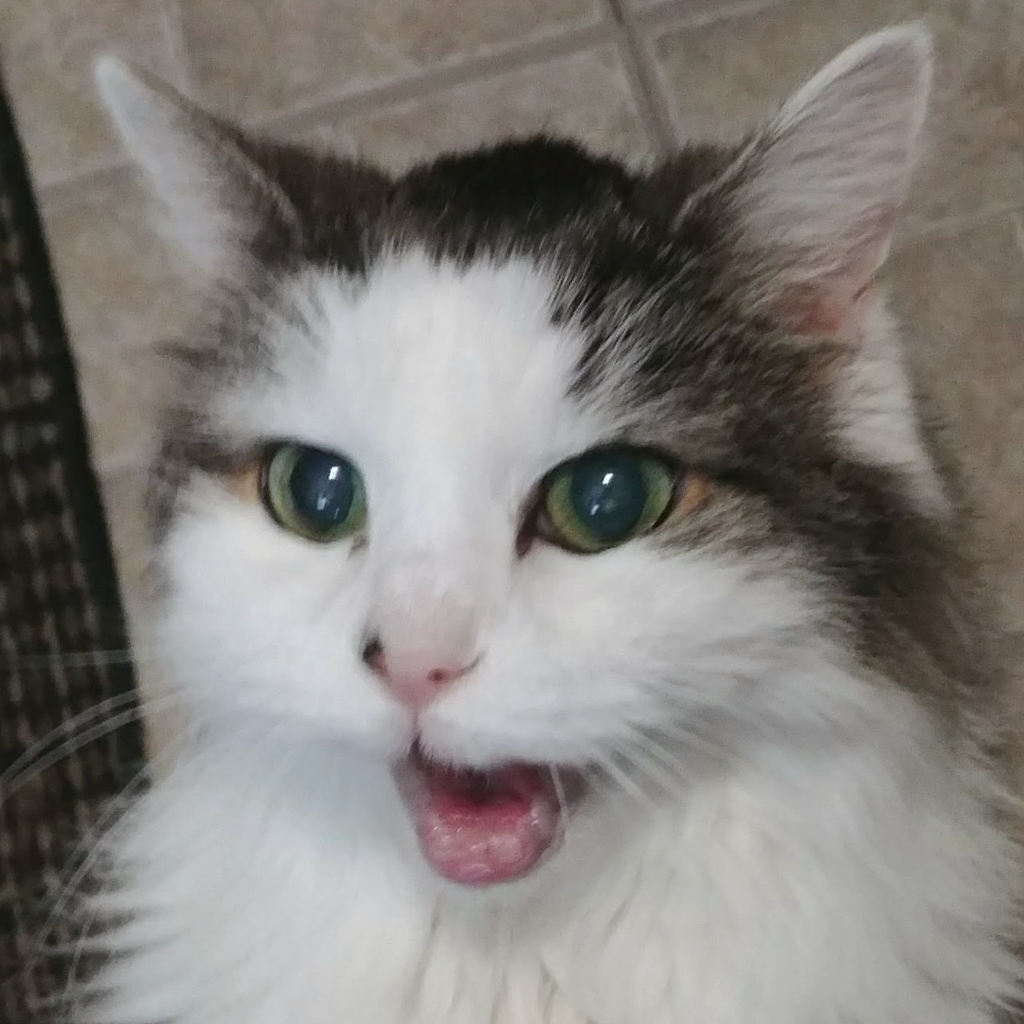 Senior pets often live with one or more long-term medical conditions. Kidney disease, hyperthyroidism, diabetes, arthritis, heart disease, and high blood pressure may require ongoing monitoring even when treatment appears to be working.
A medication dose that was appropriate six months ago may need adjustment after a change in weight, kidney function, blood pressure, appetite, or symptoms. Some medications can also affect organs or electrolyte levels, making follow-up testing part of responsible care.
Diabetes is a good example. Blood glucose patterns can change because of diet, infection, dental disease, stress, weight changes, insulin handling, or another illness. Zippy reached diabetic remission through tight regulation, while Bentley continues to receive insulin twice daily. Those experiences taught us that diabetes care depends on patterns, not isolated numbers.
Pet parents managing diabetes can support veterinary care by bringing clear home records to appointments. BellenPaws offers a free online pet diabetes tracker that creates charts and printable tables, along with blank glucose curve forms for those who prefer paper. These records can help the veterinarian see how glucose readings, insulin, meals, and symptoms fit together. Home testing and recordkeeping do not replace veterinary examinations. They give the veterinarian better information to work with.
Dental Disease Can Affect the Whole Pet
 Dental problems are extremely common in older animals, yet they are easy to underestimate. Bad breath may be dismissed as part of aging, but strong odor can come from infection, diseased gums, damaged teeth, or trapped material around the mouth. A painful mouth can affect appetite, mood, grooming, sleep, and willingness to play. Some pets continue eating despite severe dental disease because hunger gives them little choice.
During a senior examination, the veterinarian can look for inflammation, loose teeth, fractures, masses, discharge, and other signs of oral pain. A complete dental evaluation may require anesthesia and dental X-rays, since much of each tooth lies below the gumline.
The six-month visit gives families a chance to discuss whether dental treatment is needed, how anesthesia risk will be assessed, and what pre-anesthetic testing may be recommended for that particular pet.
Age alone should not be the only reason to deny a pet relief from dental pain. Overall health, test results, the expected benefit, and the veterinary team’s safety plan deserve more weight than the number of birthdays a pet has celebrated.
Mobility Changes Should Be Discussed Early
Arthritis does not always announce itself with a clear limp. The first signs may be subtle. A dog may take longer to rise, avoid slippery flooring, shorten walks, or struggle to get comfortable at night. A cat may stop climbing, sleep in lower places, miss the litter box, or become irritable when touched near the hips or back.
These changes deserve discussion before the pet becomes severely limited. Early support may include weight management, pain medication, rehabilitation, home modifications, better nail care, non-slip rugs, ramps, lower litter boxes, or raised food dishes.
Pet parents should describe what happens at home, not only what the pet does inside the clinic. Stress and excitement can temporarily change movement. A dog who appears lively in the examination room may struggle later that evening.
Short videos are helpful. Record your pet walking, climbing steps, getting out of bed, entering the litter box, or moving across a familiar room. These clips may show details that are not visible during a brief clinic visit.
Behavior Changes May Have a Medical Cause
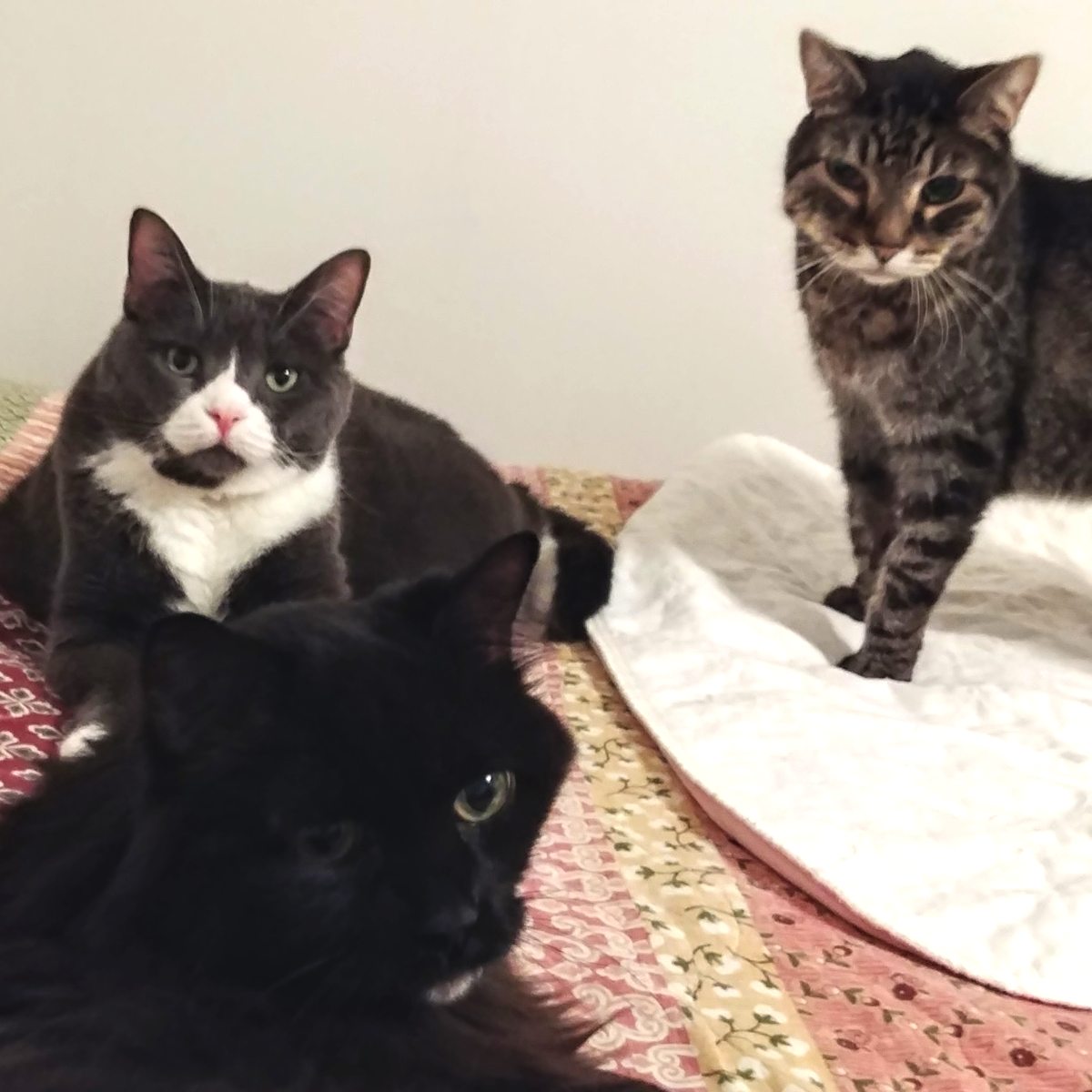 Senior pets can experience changes in sleep, memory, awareness, and social behavior. Some begin pacing at night, staring at walls, becoming trapped behind furniture, vocalizing, or having accidents indoors.
These signs may be associated with cognitive decline, but other causes need to be considered. Pain, urinary disease, kidney disease, diabetes, hearing loss, vision loss, high blood pressure, medication effects, and neurological problems can produce similar behavior.
A veterinary visit provides a starting point for sorting through those possibilities. The examination and test results may identify a treatable cause or help the family create a care plan that makes the home easier and safer for the pet. Behavior deserves the same attention as appetite or bloodwork. A pet’s emotional comfort is part of physical health.
Six-Month Visits Do Not Mean Waiting Six Months
Twice-yearly examinations are a routine schedule, not a rule for delaying care. A senior pet should be seen sooner for breathing trouble, collapse, repeated vomiting, inability to urinate, seizures, sudden blindness, severe weakness, uncontrolled bleeding, marked abdominal swelling, suspected poisoning, significant injury, or a major change in awareness.
Less dramatic changes also deserve a phone call. Increased thirst, weight loss, reduced appetite, coughing, new lumps, bad breath, difficulty jumping, house-soiling, nighttime restlessness, or persistent hiding should not automatically wait until the next wellness appointment.
Pet parents know their animals better than anyone else. A vague feeling that something is different may be worth mentioning, even when it is hard to describe. Writing down what changed, when it began, and how often it occurs can make that conversation more productive.
Preparing for the Appointment Makes the Visit More Useful
A little preparation can turn a routine examination into a much better health review. Bring a current list of medications, supplements, foods, treats, and preventives. Include exact doses when possible. Write down changes in appetite, thirst, urination, bowel movements, sleep, activity, breathing, grooming, and behavior.
Photos and videos can document coughing, unusual movement, confusion, skin changes, or episodes that do not happen at the clinic. Diabetes logs, blood glucose readings, blood pressure records taken under veterinary direction, and weight histories can also provide useful context.
Questions should be written down. Veterinary visits can feel rushed or emotional, especially after a new finding. A written list makes it easier to remember concerns about pain, diet, testing, medication costs, dental care, mobility, and quality of life.
Ask for copies of laboratory results and keep them together. Over time, those records create a health history that may become especially useful during emergencies, specialist appointments, or changes in veterinary practices.
More Frequent Care Can Protect Comfort
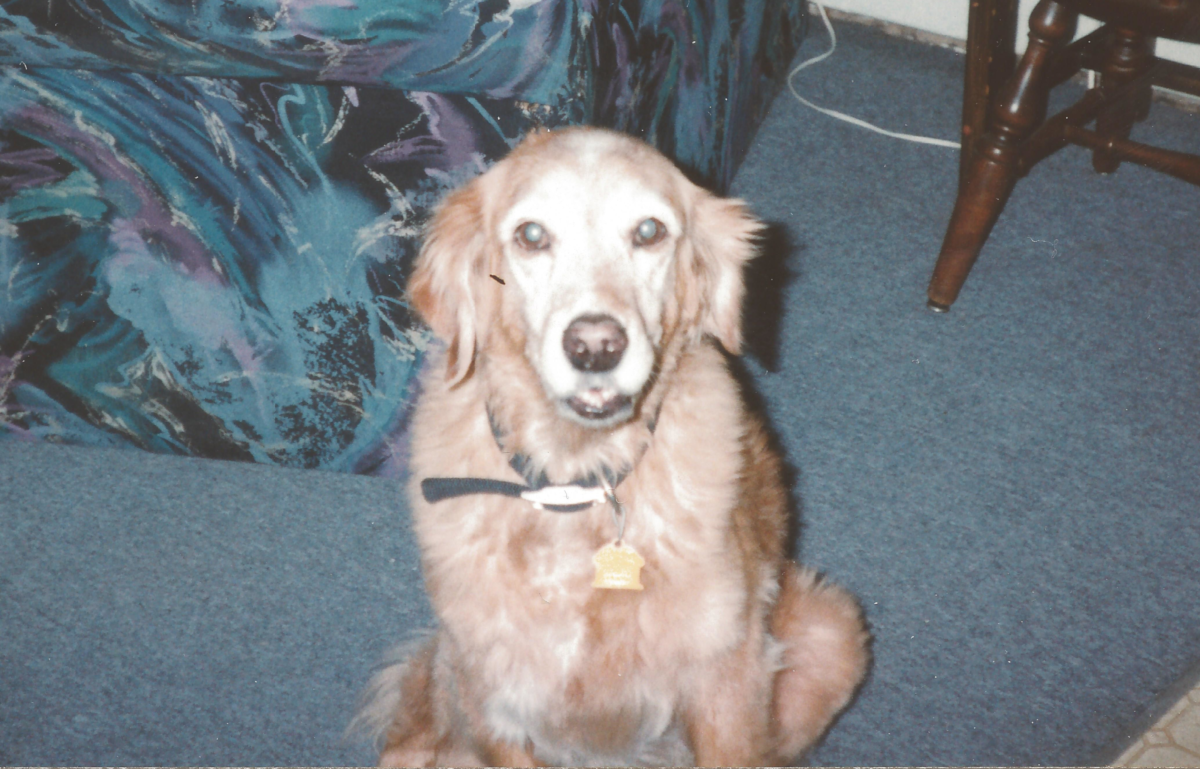 The reason for scheduling senior examinations every six months is not to turn old age into a medical project. It is to protect the ordinary moments that make life good. Comfortable naps matter. So do steady meals, sunny windows, slow walks, gentle games, clean coats, easy breathing, and the ability to reach a favorite sleeping place without pain.
Some visits will end with good news. Others may uncover a problem that needs treatment or observation. Both outcomes have value. A normal examination provides reassurance and a stronger baseline. An early diagnosis may give a pet more time with less pain and better support.
For cats between 10 and 15 years old, feline senior-care guidance recommends examinations at least every six months. Healthy cats older than 15 may benefit from visits every four months, while pets with ongoing medical problems may need an individual schedule based on their condition.
That schedule should remain flexible. A stable 11-year-old dog may need two visits a year. A 17-year-old cat with kidney disease, high blood pressure, and weight loss may need closer monitoring. The right timing is the one that matches the pet in front of us, not a generic number printed on a calendar.