

A diabetes diagnosis can make an ordinary day feel frighteningly complicated. Meals suddenly seem tied to clocks. Insulin syringes appear on the kitchen counter. Water bowls, litter boxes, bathroom trips, and unfinished food all begin to carry more meaning than they did before.
Many pet parents leave the veterinary office holding medication, instructions, and a head full of worries. Did my cat eat enough? Was that injection given correctly? Is my dog drinking more today? What happens if the blood glucose drops while I am asleep? That fear is understandable. Diabetes asks us to take responsibility for decisions that can affect our pet’s health within hours. The good news is that we do not have to make those decisions blindly.
Tracking turns scattered observations into useful information. It gives pet parents something solid to look at when emotions are running high. Instead of trying to remember what happened three days ago, we can open a log and see it. That changes everything.
The Early Days Can Feel Overwhelming
 The beginning is often the hardest part. There is new terminology to learn, a medication schedule to follow, and a pet who may not understand why breakfast has become such a production. Giving the first insulin injection can be intimidating. The needle may be tiny, but the responsibility feels enormous. Many owners worry about hurting their pet, missing the correct spot, giving the wrong amount, or accidentally giving a second dose because nobody wrote down the first one.
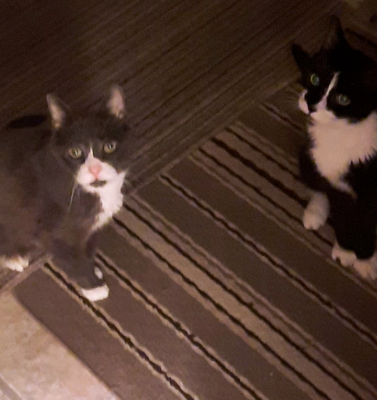
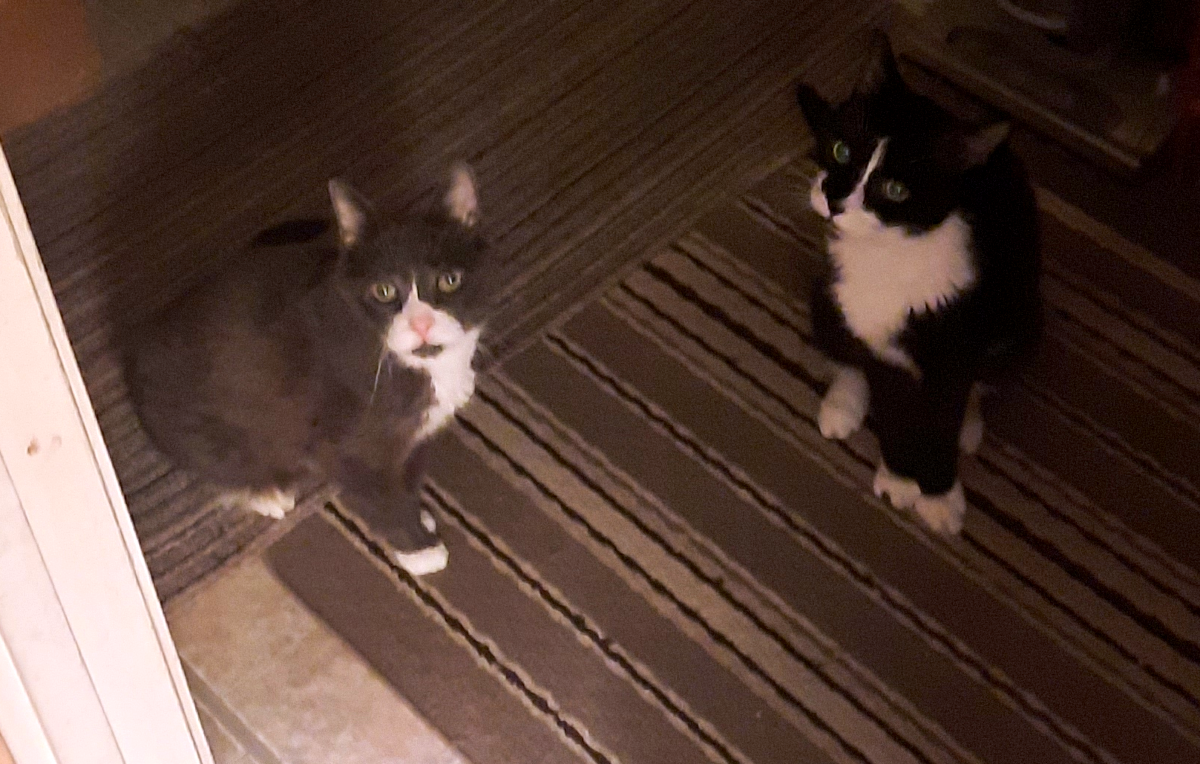
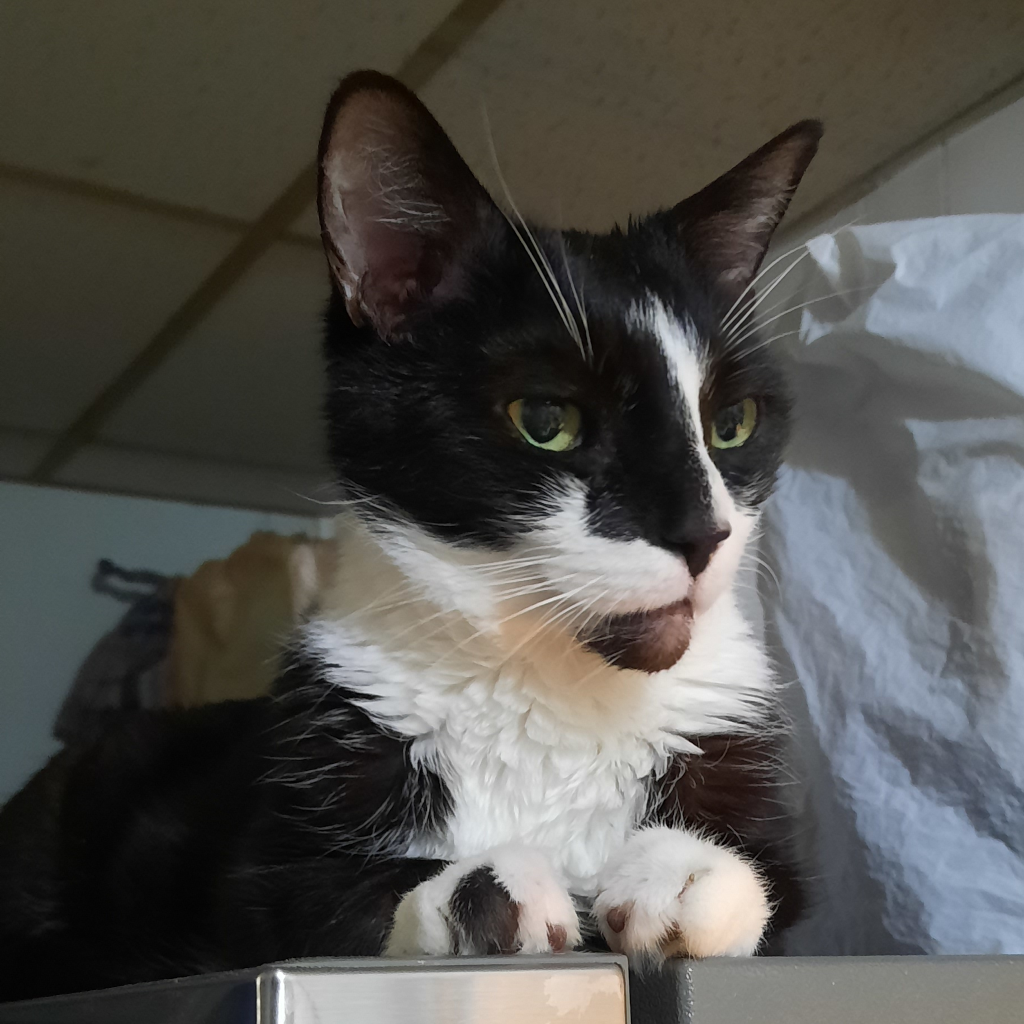
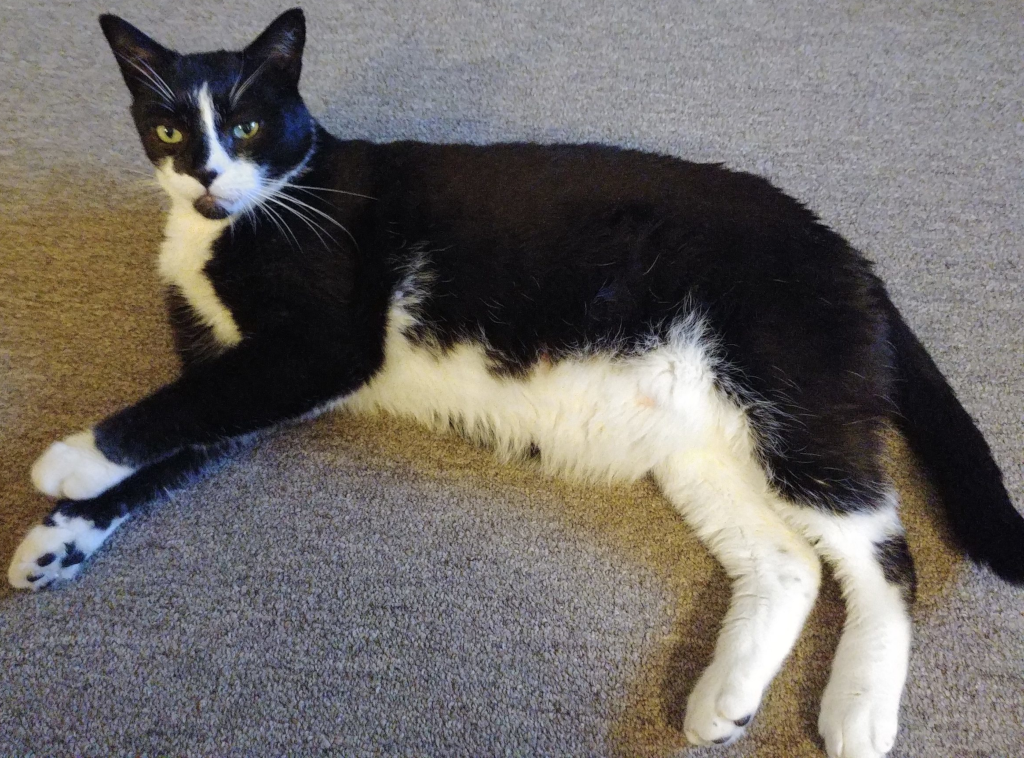
We experienced those fears in our own home. Zippy was one of our diabetic cats, and his care eventually became part of our everyday routine. Through careful home monitoring, consistent feeding, insulin therapy, and tight regulation under veterinary guidance, he reached diabetic remission. Bentley is currently treated with insulin twice each day, so diabetes is still part of our household rhythm.
None of this felt automatic in the beginning. Confidence came from repetition, education, and records. A written log helped transform diabetes from a cloud of uncertainty into a series of manageable tasks. We could see when food was offered, when insulin was given, what the glucose reading showed, and how the cat behaved afterward. There was less guessing and less arguing with our own memory.
Tracking Replaces Memory With Evidence
Human memory is unreliable, especially during stressful weeks. A pet parent may remember that a cat seemed unusually hungry, but not whether it happened before breakfast or several hours after insulin. Someone may recall that the water bowl looked low, but forget that another pet had been drinking from it. A dog may have appeared tired on Tuesday, yet by Friday it becomes difficult to remember whether that tiredness lasted an hour or the entire day. Tracking preserves those details.
A useful diabetes record may include:
- Blood glucose readings
- Insulin dose and injection time
- Meals and approximate amount eaten
- Water consumption
- Urination or litter box changes
- Ketone results when recommended
- Body weight
- Activity level
- Vomiting, diarrhea, weakness, or unusual behavior
- Medication changes
- Notes from veterinary appointments
Not every household needs to record every category every day. The best system is the one that captures meaningful information without becoming so demanding that the owner stops using it. Consistency matters more than perfection.
A Single Glucose Reading Is Only One Moment
 Blood glucose readings are valuable, but one number rarely tells the entire story. Glucose levels change during the day as food is digested and insulin takes effect. Stress, illness, activity, appetite changes, medication, and the timing of the test can also affect a result.
A reading that appears high may cause panic. A lower reading may feel like a victory. Neither should automatically lead to an insulin adjustment made without an established veterinary plan. Patterns carry more meaning than isolated results.
Home blood glucose curves allow readings to be collected across an insulin cycle. This helps show how the glucose level changes, when insulin appears to have its strongest effect, and how long that effect lasts. Current feline diabetes guidance supports home monitoring because readings gathered in a familiar environment can avoid some of the stress-related glucose elevation that may occur in a veterinary hospital. The 2026 American Animal Hospital Association guidelines no longer recommend in-hospital glucose curves for routine monitoring of diabetic cats.
That does not mean every owner must test constantly. Testing frequency should match the pet’s treatment, health, and veterinary plan. A newly diagnosed pet, a cat approaching remission, and a stable diabetic dog may each need a different schedule. Tracking allows those schedules to be followed accurately.
The Log Helps You See the Whole Pet
Good diabetic care is not just a hunt for attractive glucose numbers. The pet’s daily condition matters just as much. Older diabetes guidelines described successful management as controlling the signs of diabetes while avoiding dangerously low blood glucose. Newer feline guidance places added emphasis on resolving clinical signs instead of chasing very tight glucose control at any cost.
That distinction matters. A pet can have a number that looks disappointing while showing real improvement in daily life. The water bowl may no longer empty overnight. Urine clumps may become smaller. A dog may stop asking to go outside every hour. A cat may begin grooming again, gain appropriate weight, or return to a favorite window perch. Those changes belong in the record.
Writing “played with toy after dinner” may seem less medical than recording a glucose result, but it tells the veterinarian something important. So does “left half of breakfast,” “drank more than usual,” or “hind legs seemed weak.” The glucose meter measures blood. The daily log records the patient.
Tracking Can Prevent Dosing Mistakes
 Diabetes care often involves more than one person. A spouse feeds breakfast. A teenager gives an evening injection. A pet sitter steps in during a long workday. Without a written or digital record, communication can fail.
The most serious example is an accidental double dose. One person gives insulin but forgets to tell the other. The second person sees the unused syringe area, assumes the dose was missed, and gives another injection. A simple entry can prevent that.
Record the dose immediately after it is given. Include the exact time and the amount. Some households also initial the entry so everyone knows who handled it. Never rely on moving a syringe, turning a bottle, or placing an object on the counter as the only signal. Objects get moved. People become distracted. A clear record is safer.
Tracking also shows missed or uncertain doses. If you cannot confirm that insulin was given, do not guess or administer another dose without veterinary direction. Too much insulin can cause hypoglycemia, which can become life-threatening.
Low Blood Sugar Deserves a Written Emergency Plan
The fear of hypoglycemia is one of the biggest sources of anxiety for diabetic pet parents. Knowledge helps, but written instructions help even more. Possible signs of low blood glucose include unusual sleepiness, weakness, wobbling, disorientation, trembling, collapse, and seizures. These symptoms require prompt attention.
Every household caring for an insulin-treated pet should have an emergency plan created with its veterinarian. It should state what symptoms to watch for, when to test, what fast-acting sugar source to keep available, when food should be offered, and when to seek emergency care. Keep that plan near the insulin supplies. Give a copy to anyone who may care for the pet.
A glucose reading, the time of the last injection, the amount eaten, and recent symptoms can help the veterinary team respond more effectively during an emergency. This is another moment when tracking earns its place. Instead of trying to reconstruct the day while frightened, the owner can provide exact information.
High Readings Need Context Too
 Repeated high readings can be upsetting. They may create the feeling that the treatment is failing or that the owner is doing something wrong. That reaction can lead to a dangerous temptation. The owner may want to increase insulin based on a few readings without consulting the veterinarian or following an approved adjustment protocol.
Records help slow that reaction down. A high result might be connected to stress, a meal, an inaccurate test, a fur shot, spoiled insulin, an infection, another medical condition, or a dose that truly needs reassessment. The number needs context before it becomes a decision.
Write down anything unusual. Note whether the pet ate normally, whether the full injection seemed to enter under the skin, whether a new insulin bottle or pen was started, and whether illness or medication changes are present. If the injection may have missed the pet, do not give another dose unless a veterinarian specifically directs you to do so. An uncertain partial dose is usually safer than accidentally stacking insulin.
Trends Make Veterinary Visits More Productive
A veterinary appointment offers limited time. Without records, much of that time may be spent trying to remember what happened between visits. A clear report gives the veterinarian a fuller picture. The veterinarian can review glucose trends alongside insulin doses, food intake, weight, thirst, urination, and behavior. That combination may reveal that an insulin dose is not lasting through the full cycle, that appetite changes are affecting readings, or that another health issue should be investigated.
This is especially helpful for senior pets. Older cats and dogs may have kidney disease, thyroid problems, dental pain, arthritis, infections, digestive trouble, or other conditions that affect appetite and diabetes management.
We have cared for many senior pets with overlapping health problems. Belle lived with hyperthyroidism, kidney disease, dehydration, and high blood pressure. Paws also had hyperthyroidism and high blood pressure. Others in our family faced heart problems, cancer, obesity, blindness, and kidney disease.
Senior care rarely stays inside one neat box. A well-kept diabetes record can help the veterinary team separate a glucose problem from a broader change in health. It does not diagnose the cause, but it shows when the normal pattern has shifted.
Tracking Can Show Progress That Anxiety Hides
Diabetes often improves gradually. Daily changes can be so small that they are hard to notice. An anxious owner may feel that nothing is getting better because the pet is not yet fully regulated. The log may tell a different story.
Water consumption may be falling. Urination may be closer to normal. Weight may have stopped dropping. Appetite may be less frantic. Glucose readings may still vary, but the extreme highs may occur less often. Those are meaningful changes.
Looking back over several weeks can show progress that was invisible from one day to the next. It can also confirm that a concern is not merely worry. If appetite has declined for four days or glucose readings have shifted sharply, the written trend supports contacting the veterinary team. The record gives anxiety a job. Instead of circling around frightening possibilities, that nervous energy can be directed toward observation, documentation, and appropriate action.
Keep the System Simple Enough to Continue
 Some owners love spreadsheets. Others want a printed page attached to the refrigerator. Both approaches can work.
A basic daily record only needs enough structure to answer a few practical questions:
- Did the pet eat?
- Was insulin given?
- What was the dose?
- What did the glucose test show?
- Did anything unusual happen?
Extra detail can be added when needed.
At BellenPaws, we created a free online Pet Diabetes Tracker because we understand how difficult it can be to organize weeks of readings. Owners can enter readings with dates and times, view glucose information over different periods, and print charts and tables to share with their veterinarian.
We also provide printable blank glucose curve forms and daily diabetes logs for people who prefer handwriting. Paper can be especially useful near the feeding station because it allows every caregiver to record treatment immediately. The tool does not replace veterinary care or decide insulin doses. Its purpose is to make the information easier to collect, review, and communicate.
Avoid Letting the Numbers Take Over
Tracking should reduce fear, not become another source of it. Some owners begin checking the meter repeatedly because every number feels like a threat. Others feel guilty when they miss an entry or cannot complete a perfect curve. That pressure can exhaust both the person and the pet. More data is not always better data.
Testing should follow a useful purpose and an agreed plan. A pet who becomes extremely distressed during testing may need a gentler technique, fewer attempts, a different sampling site, or another monitoring option. Continuous glucose monitors may be appropriate for some cats and dogs, and current feline guidelines give them a larger role in diabetes care.
There is also no prize for producing a flawless log. Record what happened honestly. A missed test, rejected meal, uncertain injection, or unusual schedule is useful information. Real life belongs in the record.
Confidence Grows Through Repetition
 The first injection may require several deep breaths. The first home glucose test may take multiple attempts. The first curve may feel like an entire day built around a meter. Then the routine begins to settle. Supplies get stored in the same place. Feeding and injection times become familiar. The pet learns that testing is followed by praise, affection, or an approved treat. The owner learns which behaviors are normal and which deserve attention.
Tracking supports that confidence because it proves that the routine is being handled. It creates a history of meals given, doses administered, tests completed, and problems addressed. There will still be difficult readings and disrupted days. Pets get sick. Appetites change. Schedules fall apart. Diabetes does not become perfectly predictable.
The difference is that the owner no longer faces each change empty-handed. There is a record, an established routine, and useful information to share with the veterinary team. The next decision begins with evidence instead of fear.