
Arthritis can quietly change the rhythm of life for a senior pet. A dog who once hurried to the door may begin rising slowly. A cat who always slept on the back of the couch may start choosing a lower cushion. These changes are sometimes dismissed as normal aging, but stiffness, reduced movement, hesitation, and changes in grooming can all be signs that movement has become uncomfortable.
Medication may be part of an arthritis care plan, but it is rarely the whole plan. Weight management, household changes, controlled activity, pain relief, and veterinary rehabilitation can work together to support a pet’s comfort. Gentle massage and carefully chosen exercises may also become valuable parts of care at home. The goal is not to push an older pet into exercising harder. It is to help them move safely, maintain useful muscle, and avoid becoming so inactive that stiffness and weakness make daily life even harder.
Arthritis Affects More Than the Joints
Arthritis is often described as a joint problem, but its effects spread beyond the affected joint. Pain can cause a pet to shift weight, shorten a stride, avoid certain positions, or rely too heavily on another leg. Muscles surrounding a sore joint may tighten. Other muscles may weaken because the pet is no longer using them normally.
A dog with painful hips may place more weight on the front legs. A cat with sore knees may stop jumping and begin pulling itself onto furniture with the front half of the body. Over time, those compensations can place extra strain on shoulders, elbows, the back, and other joints.
Reduced activity also contributes to muscle loss. Less muscle means less support around the joints, which can make movement more difficult. This can create a frustrating cycle. Movement hurts, so the pet moves less. Moving less causes weakness and stiffness, which makes movement hurt even more.
Veterinary rehabilitation may include massage, controlled exercises, passive joint movement, balance work, heat or cold therapy, underwater treadmill sessions, and other methods selected for the individual pet. At home, pet parents usually handle the gentler portions of that plan under professional guidance.
Start With a Veterinary Examination
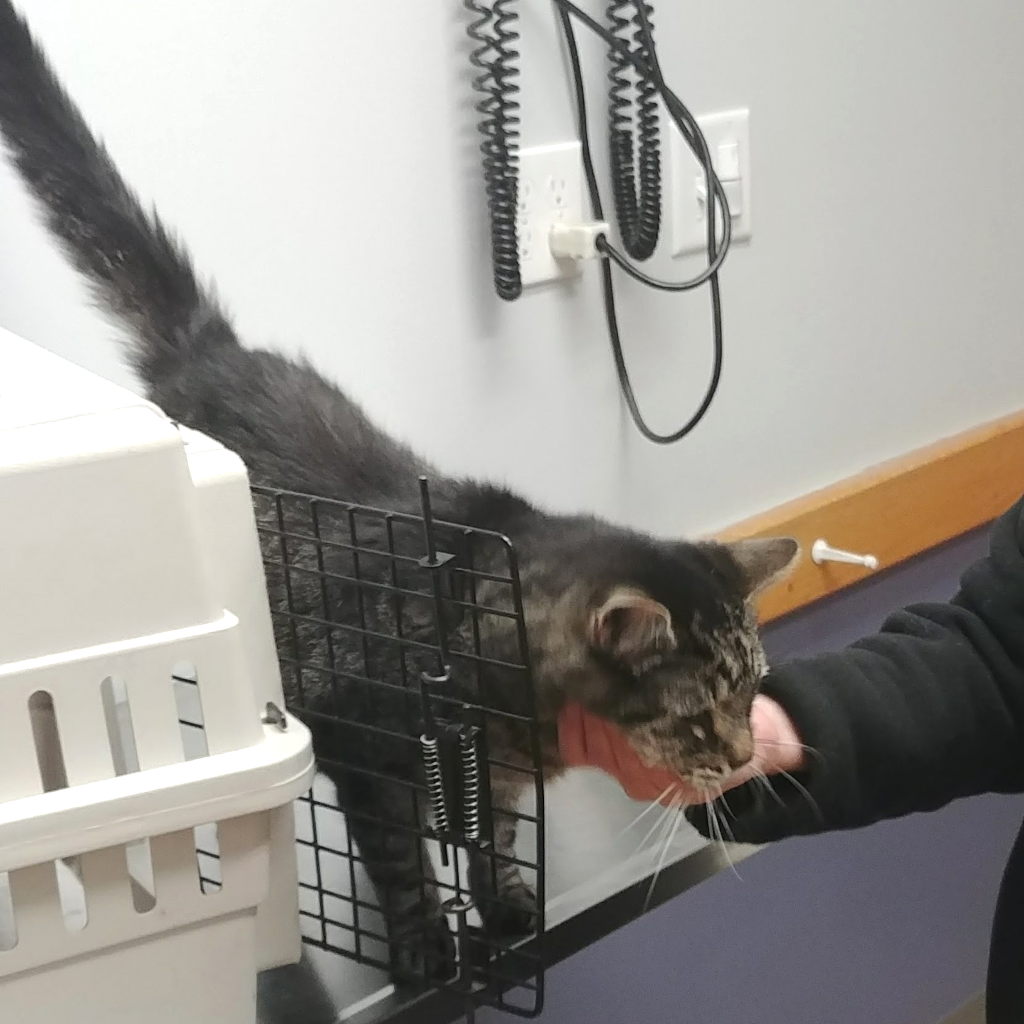 Massage should not be used as a substitute for finding out why a pet is limping, slowing down, or resisting movement. Arthritis is common, but it is not the only cause of mobility changes. A torn ligament, spinal problem, paw injury, fracture, infection, nerve condition, or painful growth can resemble arthritis. Cats are especially skilled at hiding pain, so a small behavioral change may carry more meaning than it first appears to.
A veterinarian should evaluate a pet before a new massage or exercise routine begins. The examination can help identify which joints are affected, how much discomfort is present, and whether there are movements that should be avoided. Pets recovering from surgery, living with spinal disease, or experiencing severe weakness need instructions designed for their exact condition.
A veterinarian may refer the pet to a rehabilitation veterinarian, veterinary physical therapist, or another trained rehabilitation professional. These specialists can demonstrate techniques and create a home program that fits the pet’s age, diagnosis, strength, personality, and pain level. One appointment can prevent a lot of guessing.
What Gentle Massage May Offer
Massage does not repair damaged cartilage or erase arthritis. Its value is more practical. Gentle massage may help relax tight muscles, improve local circulation, reduce guarding, and make some pets feel more comfortable with movement. It can also give pet parents a regular opportunity to notice swelling, tenderness, muscle loss, skin changes, or new areas of sensitivity.
Medical massage is included among the physical medicine options that may support dogs and cats with osteoarthritis. Stronger therapeutic techniques should be performed or taught by someone trained in animal rehabilitation or massage.
There is an emotional benefit too. Many older pets enjoy calm physical contact, especially when it happens in a quiet room without pressure or restraint. A slow massage can become a reassuring ritual between a pet and the person they trust.
The pet still gets the final vote. Some animals love massage. Others tolerate only a few gentle strokes. Cats may accept contact around the shoulders but object to having their hind legs touched. A dog may enjoy massage one day and feel too sore for it the next. That feedback matters.
Creating a Calm Massage Routine
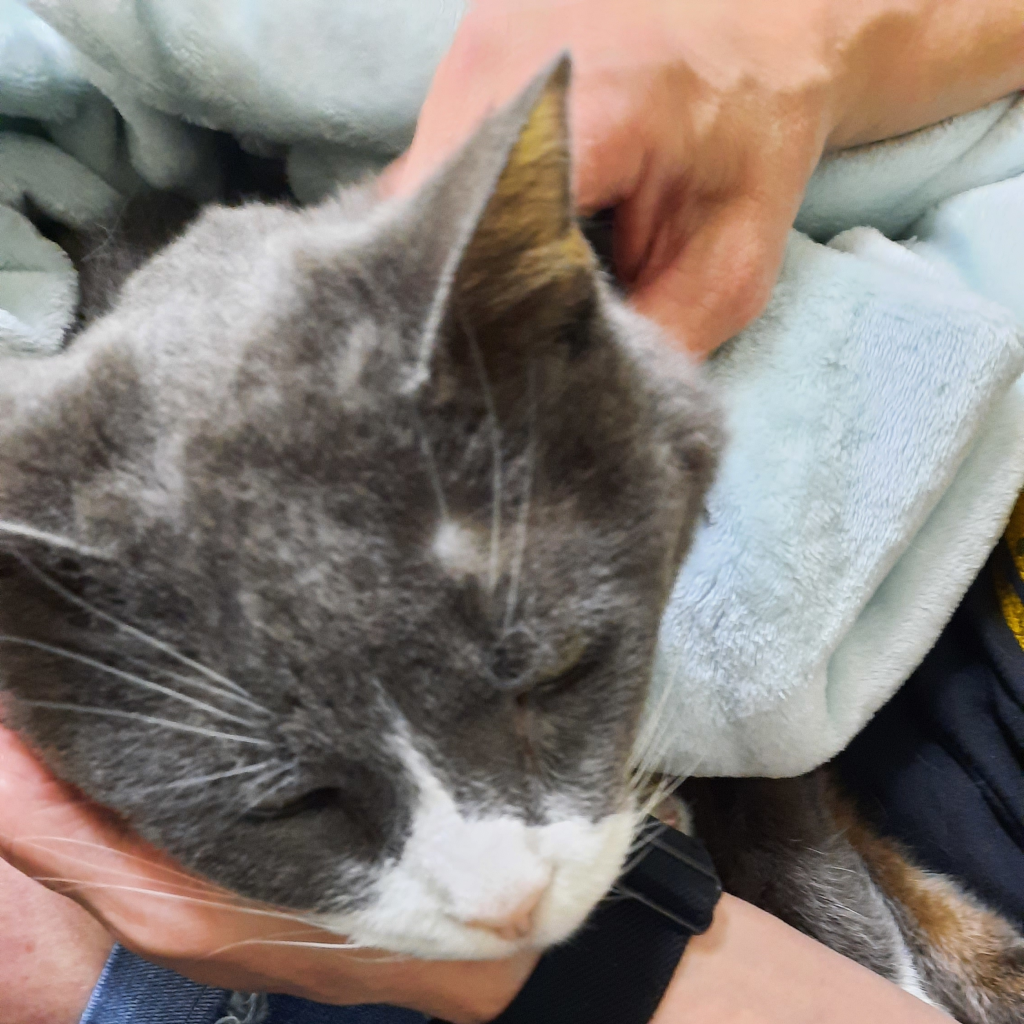 Choose a time when the pet is already relaxed. A soft bed, rug, or padded mat provides better support than a slippery floor. Allow the pet to lie, sit, or stand in the position that feels most comfortable. Begin with slow strokes along the shoulders, back, and large muscle areas. Keep the hand relaxed and the pressure light. Think of moving the skin gently rather than pressing deeply into the body.
Flat-handed strokes can help a pet settle. Small, slow circles may then be used over broad muscle areas, such as the shoulders or thighs. Avoid pressing directly onto the spine, kneecaps, hips, elbows, or other bony points. Do not dig into a painful joint. A first session may last only two or three minutes. That is enough. Longer is not automatically better.
Watch the pet’s body throughout the session. Relaxed breathing, softened facial muscles, leaning into the hand, stretching, or falling asleep may suggest that the contact feels pleasant. Cats may purr, although purring alone does not guarantee comfort.
Stop if the pet turns sharply toward the hand, stiffens, moves away, growls, hisses, flattens the ears, repeatedly licks the lips, pants, trembles, or protects part of the body. These are not signs that the massage needs more pressure. They are signs to back off.
Areas That Should Not Be Massaged
Avoid massage over open wounds, infected skin, unexplained lumps, recent surgical sites, bruising, or areas that feel unusually warm or swollen. Do not massage a limb that may be fractured or a joint that has suddenly become painful.
Massage may also be inappropriate during an acute injury, fever, active bleeding, or certain circulatory and medical conditions. A pet receiving cancer treatment, recovering from surgery, or living with heart disease should have veterinary approval before therapeutic massage begins.
Deep pressure is not home care. Forceful rubbing, hard kneading, rapid joint manipulation, and attempts to “pop” or reposition bones can cause pain or injury. Essential oils and human massage creams should also be left out of the routine. Some topical products contain ingredients that are unsafe when pets lick them from their fur or skin. Clean, warm hands are usually all that is needed.
Physical Therapy at Home Should Be Controlled
 Home physical therapy is not a general workout. It is a collection of specific movements selected to address a pet’s needs. Exercises may help preserve joint movement, maintain muscle, improve balance, or rebuild confidence after a period of inactivity.
The correct exercise depends on the joint involved. A dog with hip arthritis may need a different program than a dog with elbow arthritis. A cat with spinal pain should not be given the same movements as a cat with mild knee stiffness.
Even familiar exercises can cause trouble when performed too quickly or for too many repetitions. A rehabilitation professional should demonstrate the movement, observe the pet performing it, and explain what signs mean the activity should stop. The safest home sessions are usually short and consistent. Five controlled repetitions done well may be more helpful than twenty sloppy repetitions performed after the pet is tired.
Passive Range-of-Motion Exercises
Passive range of motion involves gently moving a limb while the pet remains relaxed and does not actively bear weight on it. These movements may help maintain joint flexibility in some pets, but they should only be performed after a veterinarian or rehabilitation professional has shown the correct technique.
The limb must be supported above and below the joint. Movement should remain slow and within the pet’s comfortable range. Never force a joint to bend farther because it seems stiff. A comfortable joint should move smoothly. Resistance, trembling, sudden muscle tightening, vocalizing, or an attempt to pull away means the movement should stop. Passive movement is not appropriate for every condition. It may be restricted after certain surgeries, fractures, ligament injuries, or spinal problems. Guessing can do harm here.
Simple Strength and Balance Activities
 Some pets may be assigned gentle weight-shifting exercises. With the pet standing on a non-slip surface, the handler applies very light guidance so the pet shifts weight from one side to the other. This can encourage controlled use of supporting muscles without requiring a long walk.
Other pets may practice slow sit-to-stand movements. The dog begins in a square sitting position and rises without lunging forward or letting the hind legs slide outward. A single well-controlled repetition may be difficult for an arthritic dog, so this exercise should never be treated like an obedience drill.
Slow leash walking is another common tool. A controlled pace encourages deliberate foot placement and can be easier on the joints than running, rough play, or sudden turns. Several brief walks may be better tolerated than one long outing.
Cats often respond better when therapy looks like ordinary life. A rehabilitation plan may involve walking a short distance for a treat, stepping over a very low obstacle, or reaching toward a target while keeping all four paws supported. Food should not be used to lure a cat into a painful stretch or risky jump. Non-slip flooring matters during every exercise. Yoga mats, runners, or rubber-backed rugs can help prevent the feet from sliding apart.
Warmth, Cold, and Timing
Gentle warmth may help relax stiff muscles before massage or controlled activity. A warm towel can be placed over a muscular area for a short period, provided it is not hot and the pet can move away.
Heat should not be placed over a swollen, freshly injured, infected, or unusually warm area. Pets with reduced sensation may also be unable to signal that a heat source is becoming too hot. Heating pads can burn skin, even on a low setting, and should not be left under an unattended pet.
Cold therapy may sometimes be recommended after activity or for a recent flare involving swelling. It should be wrapped in cloth rather than placed directly against the skin. The veterinarian or rehabilitation professional should explain whether heat, cold, or neither is appropriate for that pet.
Timing makes a difference. A pet may be more willing to move after prescribed pain medication has taken effect. Another pet may feel best after resting in a warm room. Keeping notes can help identify those patterns.
Measure the Pet’s Response Later
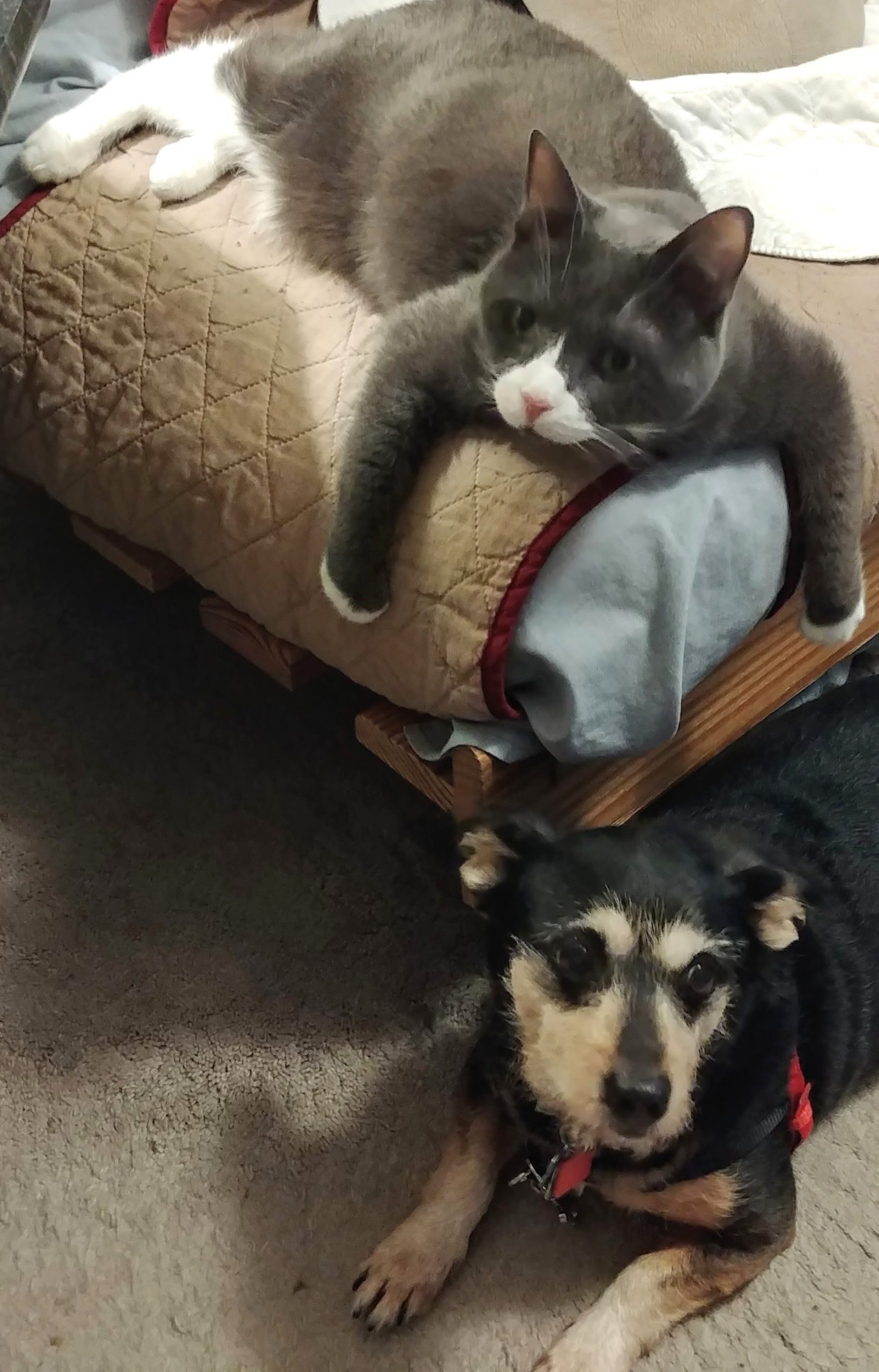 A pet may appear comfortable during an exercise and become sore several hours later. That delayed response is easy to miss unless someone is watching for it. Pay attention to how the pet rises after resting, walks later in the day, handles stairs, enters the litter box, and moves the following morning. Increased limping, reluctance to stand, panting at rest, hiding, irritability, reduced appetite, or refusal to repeat the activity may mean the session was too demanding.
A simple mobility journal can be helpful. Record the activity, number of repetitions, session length, and the pet’s response afterward. Videos of the pet walking, rising, or using stairs can also help the veterinary team compare changes over time. Progress should be gradual. Arthritis can vary from day to day, so a routine may need to be shortened during a flare. Resting on a bad day is not failure.
Massage and Exercise Cannot Replace Pain Control
A pet in significant pain cannot exercise normally. Trying to strengthen painful muscles without addressing that pain may cause more guarding, poor movement patterns, and resistance to future sessions.
Arthritis care often works best as a combined plan that may include veterinary pain medication, weight management, environmental support, controlled movement, rehabilitation, and other treatments selected by the veterinarian. Never give a pet ibuprofen, naproxen, acetaminophen, aspirin, or another human pain medication unless a veterinarian has given exact instructions. Several common human products can cause severe poisoning, stomach ulcers, kidney damage, liver damage, or death in dogs and cats. Massage should support prescribed care, not compete with it.
Make the Home Part of Therapy
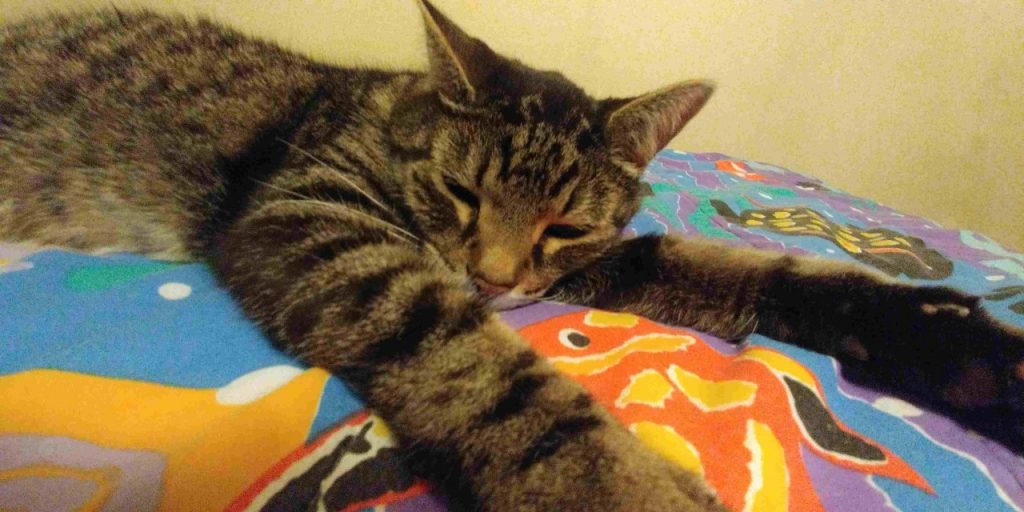 The most effective physical support may happen outside formal exercise sessions. Rugs can create safe walking paths across slick floors. Low-entry litter boxes can reduce the need for painful climbing. Ramps or sturdy pet steps can provide access to favorite resting places.
Food and water should be easy to reach. Raised dishes may help some pets, although their height should suit the individual animal. Thick bedding can cushion sore joints, while a warm sleeping area may reduce stiffness after rest. Nails should be kept at a healthy length because overgrown nails can change footing and posture. Paw fur may also need trimming if it causes sliding on smooth surfaces.
Our free cat and dog human-age calculators at BellenPaws can help families place their pet’s age into perspective, but the calendar does not tell the whole story. Mobility, comfort, medical history, and daily behavior matter more than a number.
Let the Pet Set the Pace
Older pets do not need to prove anything. A successful session may be three minutes of gentle shoulder massage. It may be one controlled sit-to-stand movement followed by rest. For a sore cat, success may simply mean walking across a rug to receive a favorite treat. Consistency helps, but strictness does not. Arthritis changes. Weather, activity, sleep, medication timing, and other health conditions can influence how a pet feels on a given day.
Stay observant. Keep the hands gentle. Follow the plan provided by the veterinary team, and stop before fatigue changes the pet’s movement. Home therapy should leave a senior pet feeling supported, not tested.