
A favorite couch can mean much more to an aging pet than a soft place to sleep. It may be where your dog curls against your leg every evening, or where your cat watches the household from a familiar perch. As joints stiffen and muscles weaken, reaching those treasured places can become difficult.
Many pets keep trying anyway. They hesitate, gather themselves, and make one determined jump. Sometimes they succeed. Sometimes their back feet slip, their chest bumps the furniture, or they land harder than they once did. That is often the moment a pet parent starts looking at ramps and pet steps.
Both can be helpful. Neither is automatically right for every pet. The best choice depends on your pet’s size, balance, joint health, confidence, eyesight, and the height of the surface. It also depends on whether the equipment will remain stable on your flooring and fit comfortably in your home.
Small Changes May Be Early Signs of Discomfort
 Pets rarely announce that their knees hurt or that their back feels stiff. Instead, they quietly change how they move. A dog may stand beside the couch and wait to be lifted. A cat may stop sleeping on the bed and choose a lower chair. Some pets still climb upward but refuse to come back down. Others pause at the top of a staircase as though they are studying every step.
Reluctance to jump, difficulty rising, avoiding stairs, slipping on smooth floors, and changes in how a pet sits or lies down can all be associated with pain or reduced mobility. Older cats may also miss jumps, fall from surfaces, or groom less because twisting has become uncomfortable.
These changes deserve attention. They may be related to arthritis, muscle loss, poor vision, an injury, a neurological problem, or another medical condition. A veterinary visit is wise when the change is new, worsening, or accompanied by limping, crying, weakness, dragging a foot, falling, or refusing to move. As experienced pet parents, we can make the home safer, but we cannot diagnose the reason behind a sudden mobility change.
Why Jumping Becomes Harder With Age
Jumping asks a pet to perform several demanding movements within seconds. The hind legs must push the body upward, the front legs must absorb the landing, and the spine must stay controlled through the motion. Coming down can be even harder.
A pet jumping off a bed or couch lands with much of that force traveling through the front legs, shoulders, elbows, and spine. A stiff or arthritic pet may still be capable of jumping, but capability does not always mean comfort.
Cats can be especially good at hiding the problem. An older cat may keep reaching a windowsill by pulling with the front legs instead of springing cleanly from the floor. That awkward little scramble is easy to dismiss. It can be a sign that the hindquarters no longer have the strength they once did.
Ramps and steps reduce the height of each movement. Veterinary sources commonly recommend these aids for pets with arthritis or limited mobility, along with secure footing and easier access to favorite resting places.
Ramps Offer a Gentler Slope
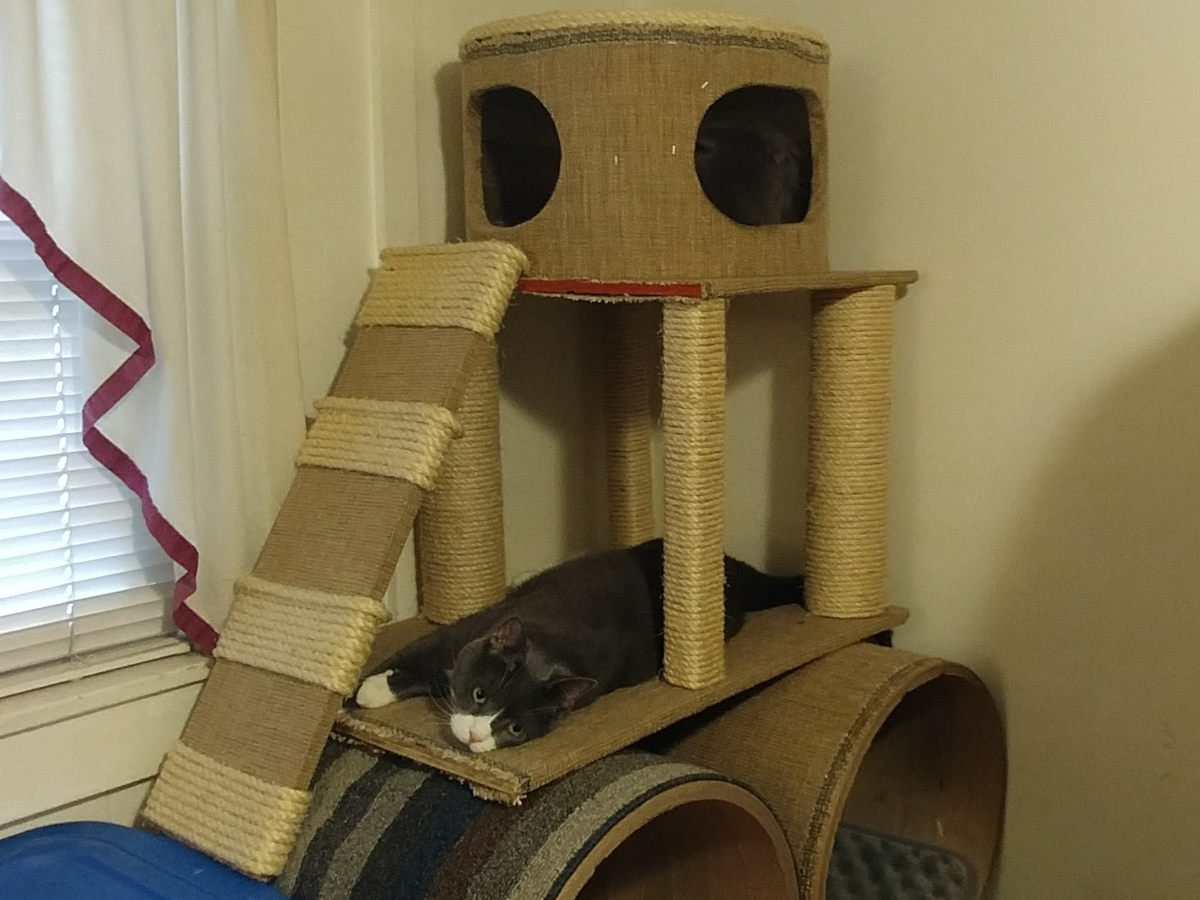 A ramp replaces repeated climbing motions with a continuous incline. This can be easier for pets whose knees, hips, shoulders, or backs do not bend comfortably. Ramps are often a good choice for larger dogs, pets with significant arthritis, dogs with short legs and long backs, and animals recovering from certain injuries or procedures. They can also help pets who have trouble coordinating their feet on separate steps.
The angle matters. A short ramp placed against a tall bed may technically reach the mattress, but the resulting slope can be so steep that the pet must pull upward or brace hard while coming down. That defeats much of the purpose. A longer ramp usually creates an easier climb. The tradeoff is floor space. A gentle ramp beside a high bed may extend several feet into the room, which is not practical in every home.
Surface material matters too. Smooth plastic, bare wood, or thin fabric may become slippery under paws. Look for carpeting, textured rubber, or another material that gives the nails and paw pads something to grip. Raised side edges can help a pet stay centered, especially if vision or balance is poor. The entire ramp should remain still. A ramp that shifts, bounces, or slides during the first attempt may frighten a cautious pet enough that they refuse to try it again.
Pet Steps Work Well for Many Agile Seniors
 Pet steps take up less floor space and often fit neatly beside a couch or bed. They can be a practical choice for smaller pets who still have good balance and can bend their joints without obvious discomfort.
The safest steps are usually wide, deep, and low. Narrow steps force a pet to place the feet precisely. Tall steps require more joint movement. Shallow steps may not give a larger dog enough room to plant all four feet securely.
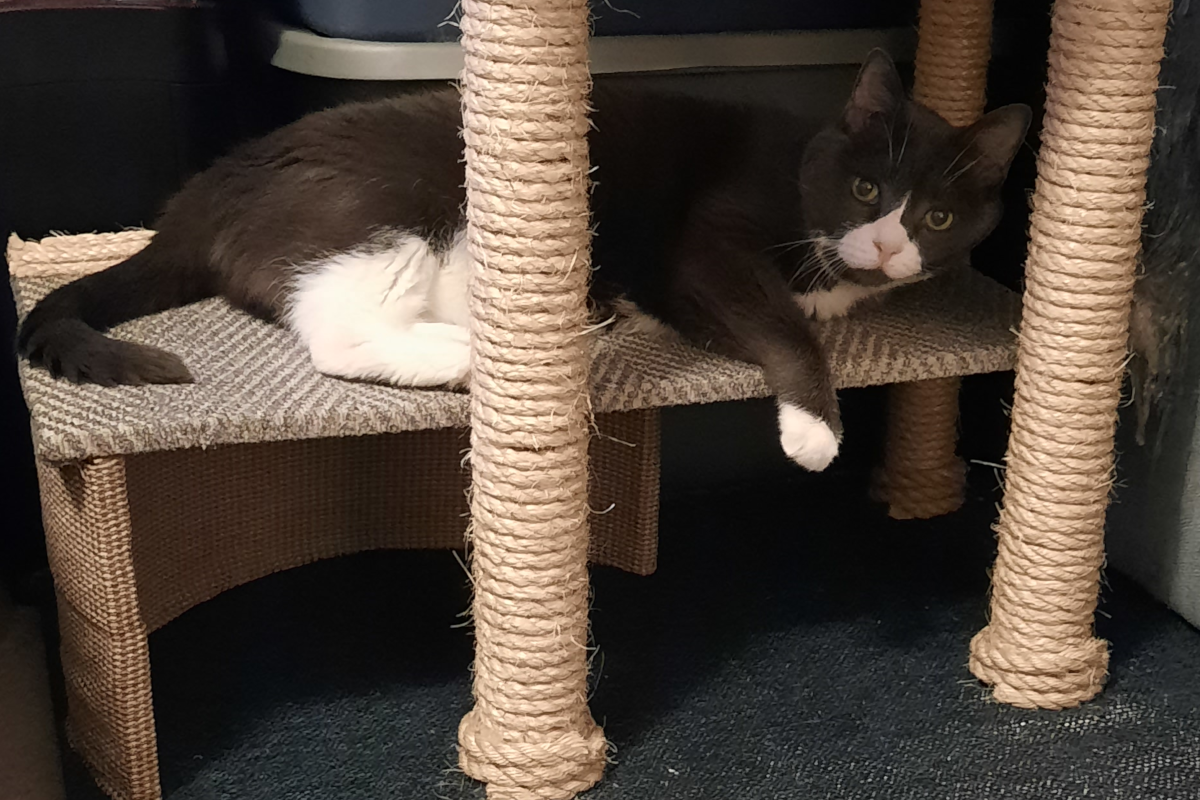
For older cats, a series of broad platforms may feel more natural than a long ramp. Cats often prefer moving from one stable level to another, especially when reaching a bed, window perch, or favorite chair. A sturdy ottoman, low bench, or carpeted pet staircase can serve this purpose.
Steps are less suitable for some pets. A dog with weak hind legs may struggle to lift the body onto each level. A pet with poor depth perception may misjudge the edges. An animal with serious balance problems may step sideways and fall.
Current guidance generally places ramps ahead of steps for larger dogs or pets with more advanced arthritis, while steps may work well for smaller, more agile animals that mainly need an alternative to jumping.
The Descent Deserves Extra Attention
Pet parents often focus on helping an animal climb up. Getting down can be the greater risk. Gravity adds speed. A dog may hurry down a ramp and lose control near the bottom. A cat may ignore the steps entirely and launch from the top platform. Some pets climb carefully when supervised but jump as soon as nobody is watching.
Watch several full trips in both directions before trusting the setup. Stand beside your pet without pulling or pushing. Notice whether the pet rushes, slips, skips a step, jumps from halfway down, or freezes at the top.
A ramp may need a less severe angle. Steps may need deeper treads. A non-slip rug may be needed at the bottom so the pet does not reach a slick floor immediately after the final step. For beds, placing the aid along the side rather than at the foot can reduce the open landing area. It may also make the route feel less exposed to a nervous pet.
Household Staircases Are a Different Problem
 A portable ramp can help with furniture or a vehicle, but a full household staircase requires broader planning. Senior pets may struggle because the steps are steep, slippery, poorly lit, or difficult to see. Hardwood stairs can be especially unforgiving. Carpet runners or firmly attached stair treads may improve traction, but loose mats can create another hazard.
Pets with major weakness, repeated falls, poor vision, or confusion should not have unrestricted access to stairs. A securely mounted gate can prevent an accident when nobody is available to supervise.
Moving daily necessities to one floor may be kinder than asking an aging pet to climb several times a day. Food, water, bedding, medication supplies, and litter boxes can be arranged where the pet spends most of the day. Cats with joint pain may benefit from having a litter box on each occupied floor rather than needing to climb whenever nature calls.
Carrying a small pet may seem like the easiest answer, but it should be done carefully. A painful animal may twist, panic, or bite when lifted. Larger dogs may need a properly fitted support harness rather than a person trying to lift from under the belly.
Choosing Equipment That Will Not Betray Your Pet
A mobility aid must feel solid every time it is used. Stability matters more than appearance. Check the weight rating and choose equipment designed to hold more than your pet’s actual weight. A foam staircase may work for a tiny dog but compress badly beneath a heavier animal. A folding ramp may support the stated weight yet still flex enough to scare a cautious dog.
The base should grip the floor. Rubber feet can help, but they may not hold well on every surface. Test the equipment by pressing from several directions. It should not rock, slide, fold, or pull away from the furniture.
Measure before buying. Record the height of the couch, bed, vehicle opening, or perch. Check the available floor space. For steps, compare the rise and depth of each tread with your pet’s leg length and body size. Avoid large gaps between the top of the aid and the furniture. Small paws can slip into them. The top should sit flush and remain firmly connected or braced.
Brightly contrasting tape along step edges can help some pets with reduced vision, though the tape itself must not create a slick strip. Good lighting also helps. A dim bedroom may be comfortable for people but difficult for an older pet trying to judge unfamiliar equipment.
Teaching a Pet to Use a Ramp or Steps
 Dropping a ramp beside the couch and expecting instant success often ends with disappointment. Older pets may be suspicious of anything that moves, smells unfamiliar, or changes their normal route. Begin with the ramp lying flat on the floor. Let your pet sniff it. Scatter a few favorite treats across the surface or place a familiar blanket nearby. Reward calm investigation without forcing the pet onto it.
Once the flat surface feels safe, raise it only slightly. Walk beside a dog with a loose leash and quiet encouragement. For a cat, place treats or a favorite toy at short intervals, then allow the cat to explore without being cornered. Do not drag a pet up by the collar. Do not push from behind. Fear can become attached to the equipment very quickly.
Training sessions should remain brief. A few calm repetitions are better than one long struggle. Some pets learn in minutes. Others need several days before they trust the new path. Keep the aid in the same location after training. Older animals, especially those with poor eyesight or cognitive changes, may rely heavily on memory. Frequently moving the steps from one side of the bed to the other can create confusion.
Cats May Create Their Own Route
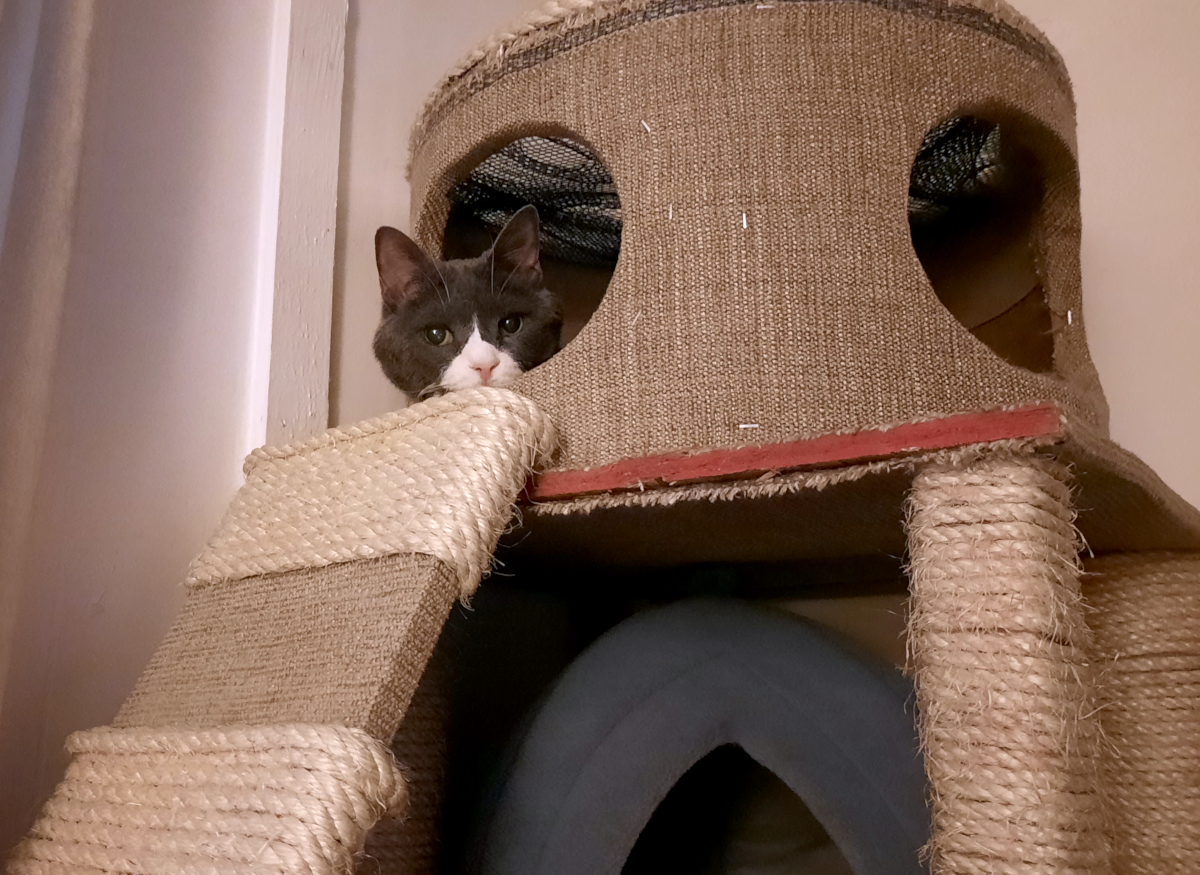
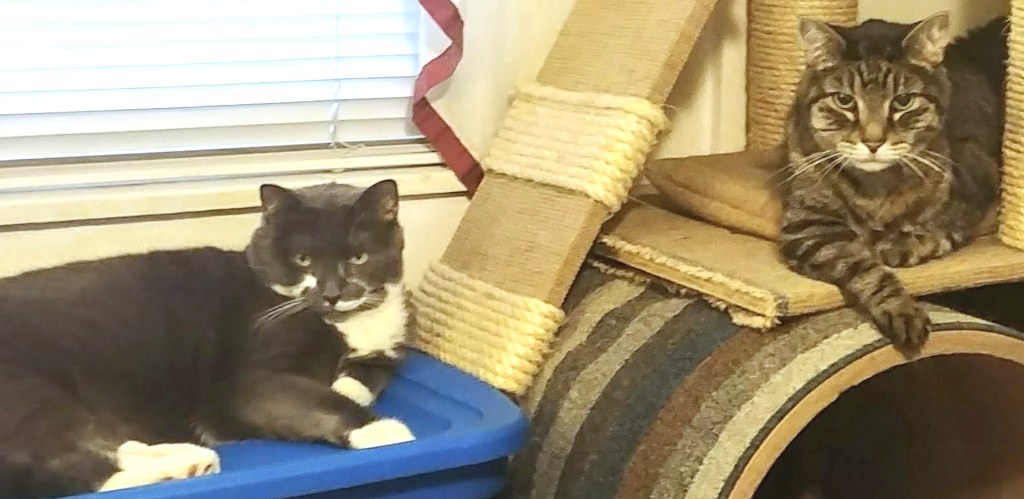
Cats do not always use equipment the way it was intended. They may climb the first two steps, move onto a nightstand, cross the headboard, and reach the bed from an entirely different direction. That is not failure. It is problem-solving. A safe chain of low, stable surfaces can work beautifully for a senior cat. A floor cushion, sturdy bench, wide steps, and mattress may create a gradual route that feels more secure than one steep ramp.
Each surface must be stable and large enough for the cat to turn around. Lightweight tables, rolling chairs, storage boxes, and stacks of books are poor substitutes. Cats trust their footing. One collapse can make them avoid the whole area. Favorite high resting places should also have an easy exit. A cat may reach a perch during an energetic moment and become stranded later after sleeping for several hours and waking up stiff.
Refusal Can Be Useful Information
A pet that refuses a ramp is not necessarily stubborn. The slope may be too steep, the surface may feel unstable, or the pet may be in more pain than expected. Watch the body closely. Trembling legs, hunched posture, repeated slipping, panting without heat or exercise, flattened ears, sudden irritability, and stopping halfway can all signal distress. Equipment should make movement easier. It should not become an obstacle course.
A pet who suddenly stops using a previously accepted ramp or staircase should be checked for a physical change. Joint pain can worsen. Vision can decline. Paw injuries, overgrown nails, weakness, and medication side effects can alter balance. Our older companions are often very honest through their behavior. We simply have to believe what they are showing us.
Furniture Access Is a Privilege, Not a Requirement
 Some pets are safer resting at floor level. A thick orthopedic bed placed beside the family couch can keep a dog close without the risk of climbing. A heated cat bed, used according to the manufacturer’s safety directions, may become more appealing than a high perch. Low furniture arrangements can preserve closeness while reducing falls.
Blocking furniture may be the responsible choice for a pet with severe weakness, repeated falls, spinal restrictions, or recovery instructions from a veterinarian. The goal is not to preserve every old habit. The goal is to protect comfort and companionship.
This can feel emotional. A dog who has slept beside you for twelve years may not understand why the bed is suddenly off limits. Placing a comfortable bed directly beside yours, lowering your hand for reassurance, and keeping the nighttime routine familiar can ease that change.
Adjust the Home as Your Pet Changes
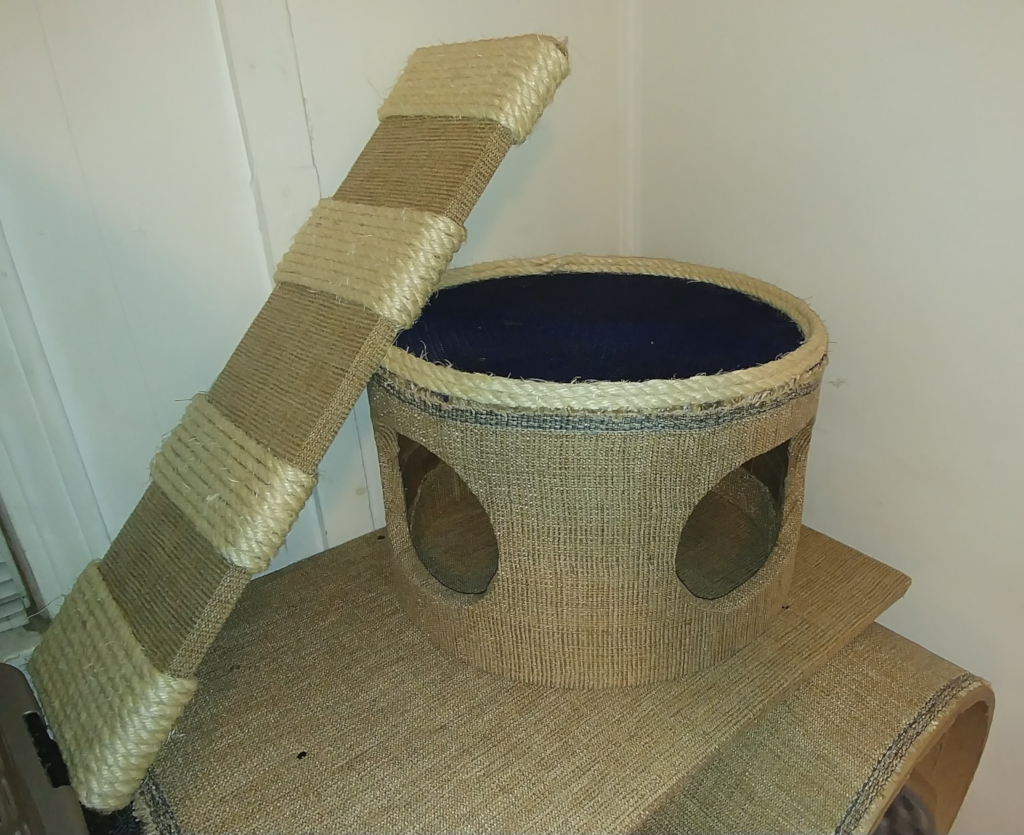 The right choice today may not remain the right choice six months from now. A pet who once handled steps easily may later need a ramp. A pet who used a ramp may eventually feel safer staying on one level.
Regularly inspect the equipment for loose fabric, worn grip material, cracked hinges, compressed foam, and movement at the base. Keep nails trimmed and paw fur tidy where appropriate, since both can affect traction. Add secure rugs along the approach so the pet reaches the ramp or steps without crossing a slippery patch.
Our cat and dog human-age calculators at BellenPaws can help families think about life stages, but a number alone never tells the whole story. Two pets of the same age may have very different strength, confidence, and medical needs.
The most useful setup is the one your own pet can use calmly, comfortably, and consistently. That may be a long carpeted ramp, a set of broad steps, a carefully arranged series of low platforms, or a soft bed placed right beside the people they love.