
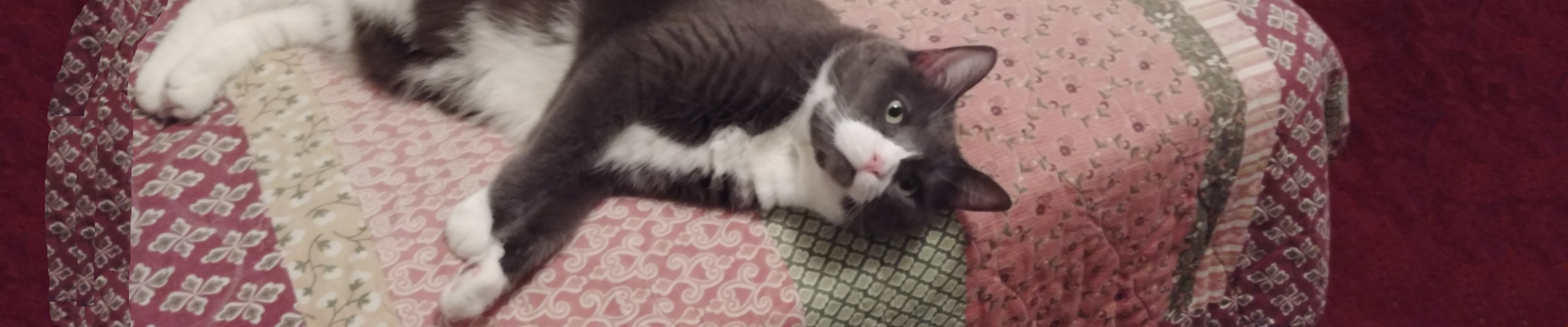
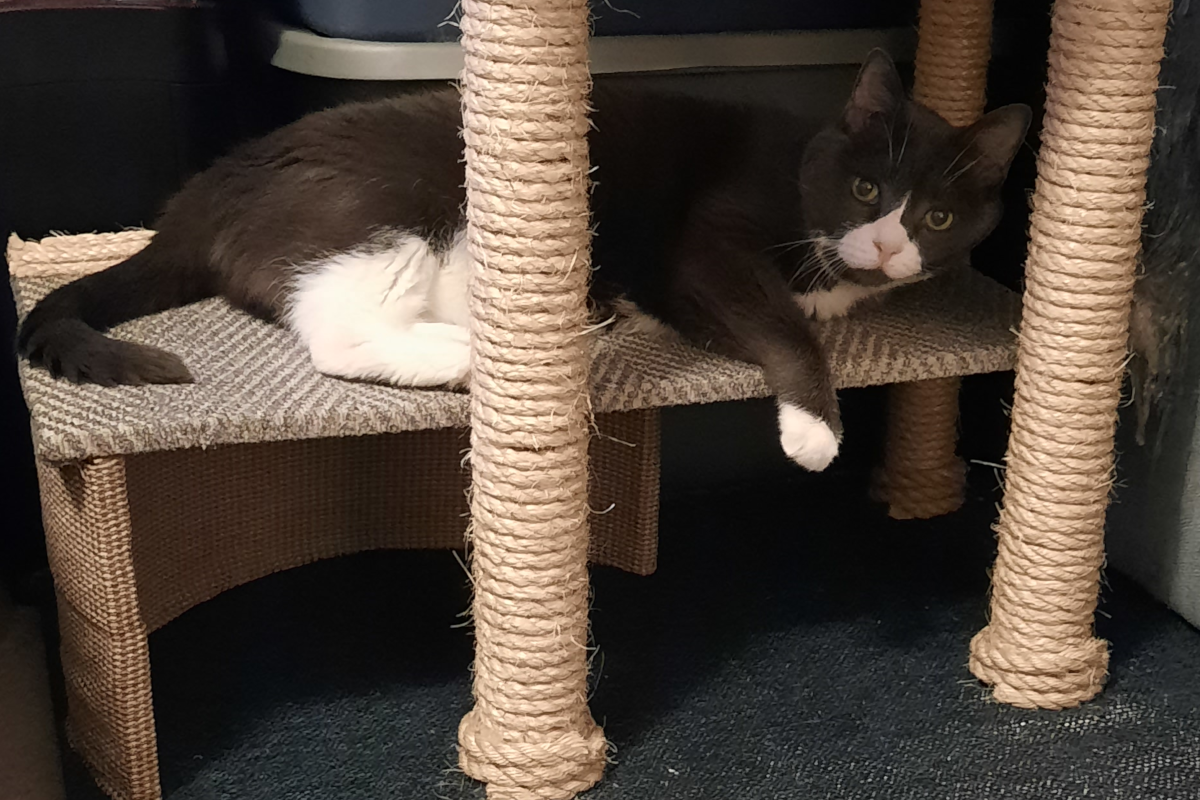
Cats are dedicated groomers. A healthy cat may spend a large part of the day licking, cleaning, and arranging its coat. That routine keeps the fur clean, spreads natural oils across the skin, removes loose hair, and helps regulate body temperature. Over-grooming is different.
A cat who is over-grooming may repeatedly lick one area, bite at the skin, chew the fur, or pull out small clumps of hair. Some cats leave clearly bald patches. Others break the hair so close to the skin that the coat looks shaved. A few groom in private, making it difficult for their families to understand why the fur is disappearing.
The difficult part is figuring out why it is happening. Over-grooming can be caused by itching, pain, parasites, allergies, infection, stress, or a combination of several problems. Behavioral over-grooming is real, but it should never be assumed until physical causes have been properly investigated.
Over-Grooming Is a Symptom, Not a Diagnosis
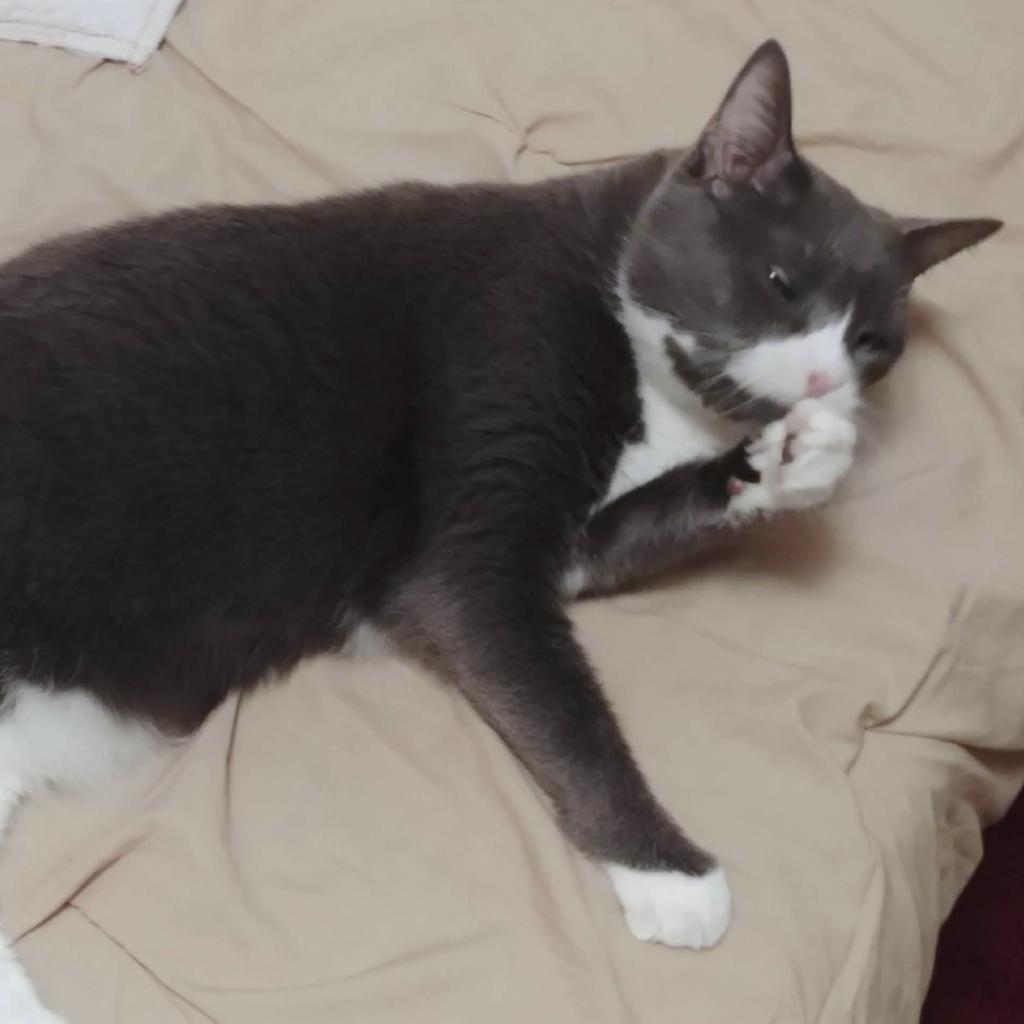 The phrase “over-grooming” describes what the cat is doing. It does not explain the cause. That distinction matters because very different problems can create nearly identical bald patches. A cat with flea allergy may lick its lower back and rear legs. A cat with abdominal discomfort may concentrate on the belly. A cat experiencing anxiety may repeatedly groom the sides, inner thighs, or abdomen.
From across the room, all three cats may appear to have the same problem. Veterinary references stress that compulsive grooming should be treated as a diagnosis of exclusion. In plain language, medical causes need to be ruled out before the behavior is labeled psychological. Itching, pain, food reactions, environmental allergies, parasites, and nerve-related discomfort can all trigger repetitive licking or chewing.
This is one reason I dislike hearing bald patches casually blamed on “stress” without a physical workup. Stress may be part of the picture, but a cat cannot tell us that its skin burns, its bladder hurts, or a joint aches. Grooming may be the only clue we receive.
What Over-Grooming Can Look Like
Hair loss is the sign most people notice first, but it is not the only one. You may see your cat licking for long stretches, suddenly stopping play to groom, or returning to the same area again and again.
The coat may feel rough or stubbly where the hairs have been broken. You may find damp spots on the fur, tufts of hair around the house, or more hairballs than usual. The exposed skin may look completely normal, especially early in the process. It can also become pink, flaky, scabbed, thickened, or damaged.
Common locations include:
- The belly
- The inner thighs
- The front legs
- The sides of the body
- The lower back
- The base of the tail
- The genital area
- A single joint or painful spot
Cats are also skilled at hiding the act itself. Some groom excessively at night, under furniture, or while their people are away. This can create the impression that the hair is simply falling out. In many cases, the cat has actually removed or broken it through licking and chewing.
Fleas Can Be Present Even When You Never See One
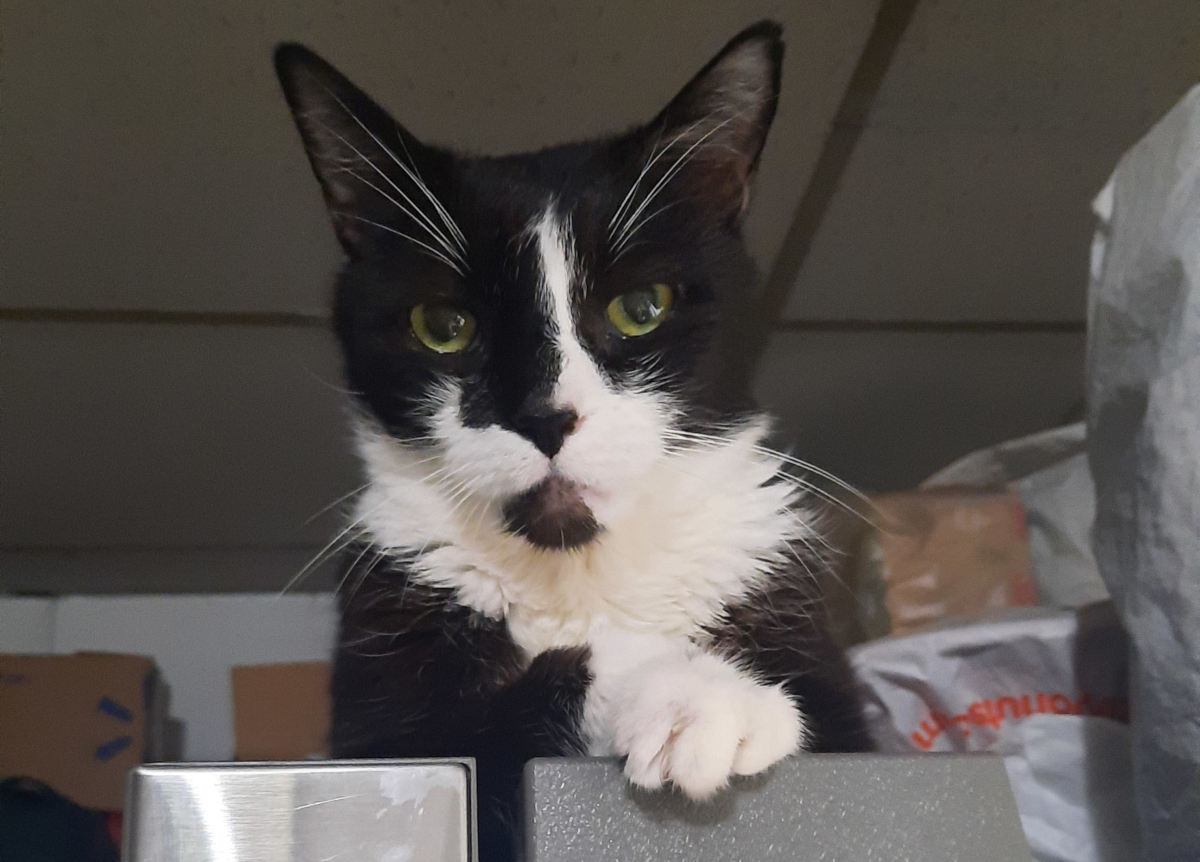 Fleas are one of the first possibilities that should be considered. Indoor cats are not automatically protected. Fleas can enter on another pet, on clothing, through a screened porch, or through small openings around the home.
A flea-allergic cat may react severely to a very small number of bites. In some sensitive cats, one bite can trigger intense irritation. The cat may lick or chew around the lower back, tail base, rear legs, belly, or neck. By the time the family starts checking, the cat may have groomed away much of the evidence.
Flea treatment also needs to be cat-safe. Products intended for dogs can contain ingredients that are dangerous to cats. Randomly combining shampoos, sprays, collars, and topical products can cause poisoning or skin irritation. A veterinarian can recommend an appropriate parasite-control plan based on the cat’s age, health, weight, household, and exposure risk.
Allergies Often Hide Behind Excessive Licking
Cats can react to flea saliva, food ingredients, dust mites, pollen, mold, and other substances in their surroundings. They do not always show allergies in the way people expect. Instead of sneezing or having watery eyes, an allergic cat may become intensely itchy. Some develop small crusty bumps that are easier to feel than see. Others lick the belly, legs, paws, armpits, face, neck, or groin until the hair thins and the skin becomes sore.
Food allergy is especially frustrating because it cannot be confirmed by simply switching brands for a week. A proper food trial normally requires a carefully selected diet, strict consistency, and enough time to judge the response. Treats, flavored medicines, table scraps, and access to another pet’s food can interfere with the trial.
Environmental allergy can be just as difficult. There may be seasonal flares, year-round symptoms, repeated ear trouble, or secondary skin infections. Feline atopic skin disease commonly appears through itching, head and neck irritation, inflammatory skin lesions, or self-induced hair loss.
Skin Infections and Ringworm Need Attention
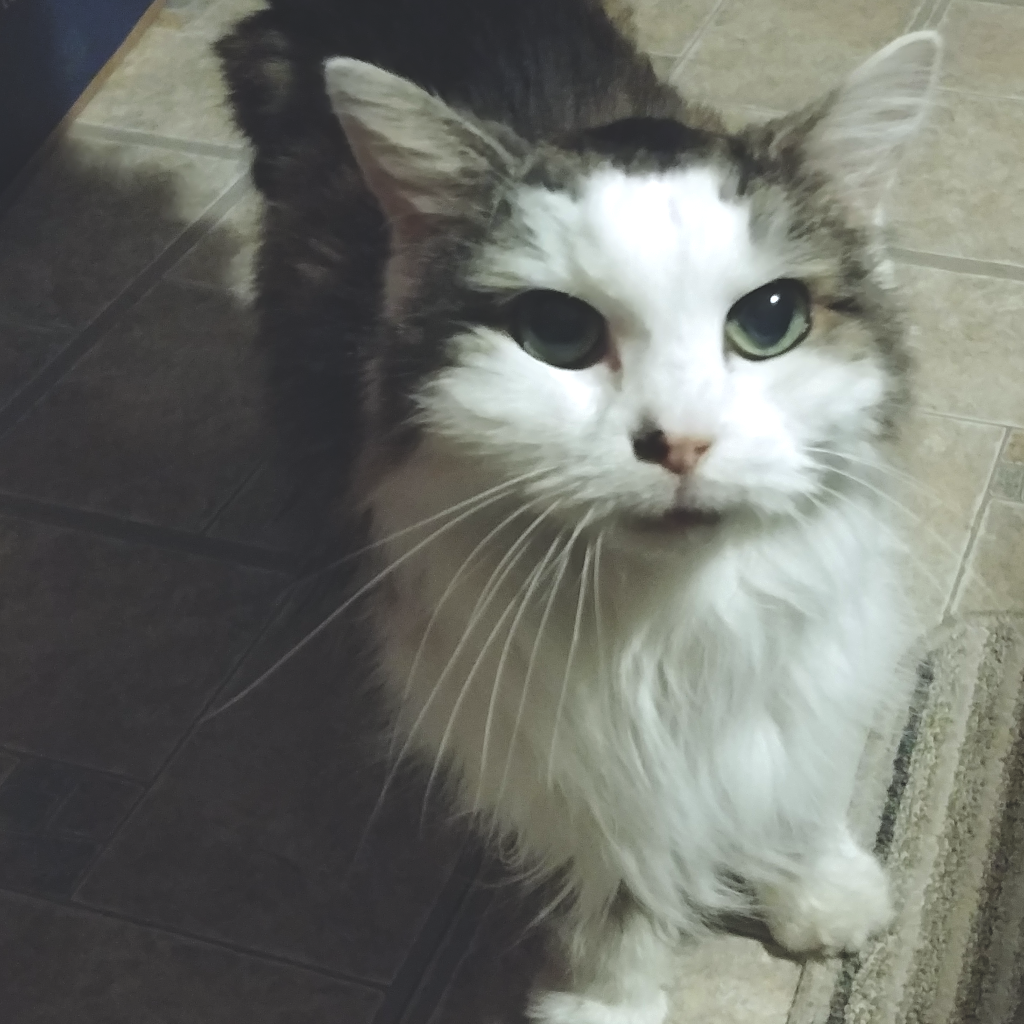 Bacterial infections and yeast problems can develop on irritated skin. They may begin as a secondary problem after the cat has spent days licking and scratching. Once an infection takes hold, the irritation can drive even more grooming.
Ringworm is another possibility. Despite the name, it is a fungal infection, not a worm. It can cause patchy hair loss, scaling, broken hairs, crusting, or inflamed skin. The patches are not always perfectly round, and some cats carry the fungus with very subtle signs. Ringworm can also spread to people and other animals.
Mites and other parasites may cause similar irritation. A veterinarian may examine hairs and skin cells, use a special light, perform fungal testing, or recommend other tests depending on the appearance and location of the problem.
Home remedies can make diagnosis harder. Applying oils, human creams, essential oils, or medicated products before an examination may change the appearance of the skin. Some substances are toxic if a cat licks them.
Pain Can Cause a Cat to Groom One Spot
Cats sometimes lick painful areas because the action provides temporary comfort. A cat with arthritis may focus on a hip, knee, shoulder, or section of the spine. A cat with abdominal pain may lick the belly. Urinary discomfort may lead to repeated grooming around the lower abdomen or genital area.
Over-grooming near the genitals deserves fast attention when it appears alongside frequent litter box trips, straining, crying, blood in the urine, or producing only tiny amounts of urine. A male cat who strains without passing urine may have a urinary blockage, which is an emergency.
International Cat Care lists belly and genital over-grooming among the possible signs of lower urinary tract disease.
Nerve pain can also create unusual licking, biting, skin rippling, sudden running, or sensitivity along the back. Feline hyperesthesia is one possible explanation, although other causes need to be considered before that label is applied.
Senior cats deserve special attention here. Arthritis, dental disease, kidney problems, thyroid disease, and other age-related conditions can change grooming patterns. Some painful cats groom less because movement is difficult. Others fixate on the painful area.
Behavioral Over-Grooming Is Still a Real Problem
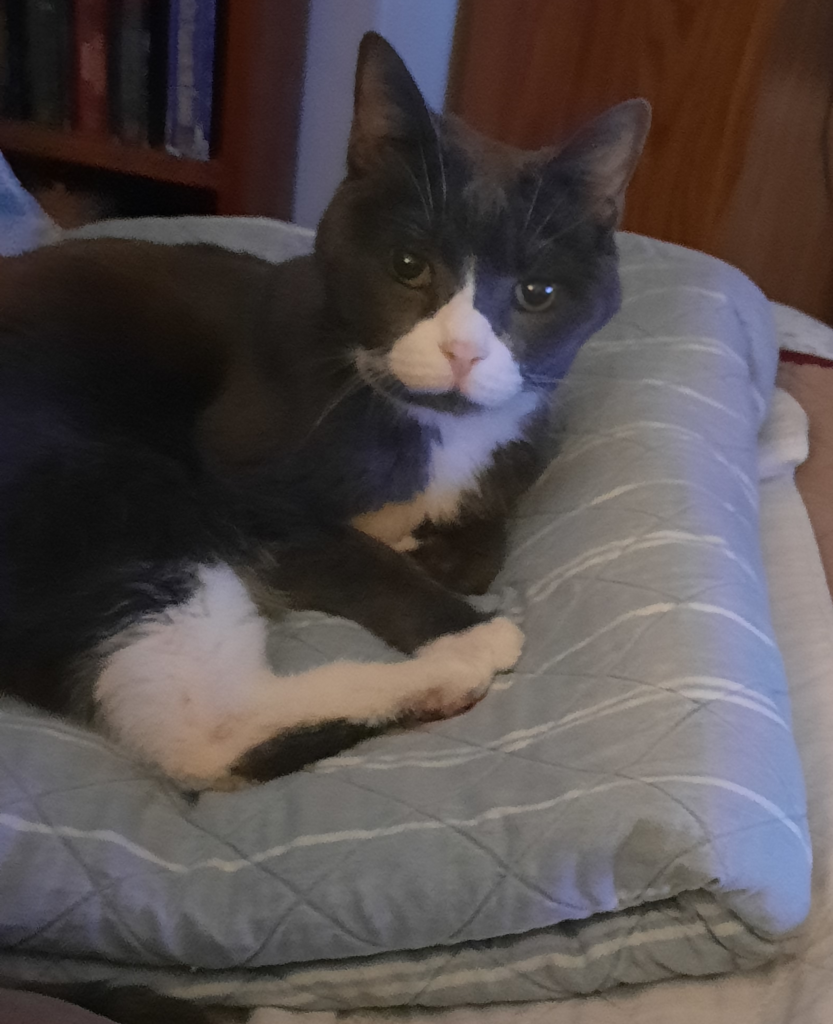 Once physical causes have been addressed or reasonably ruled out, emotional stress becomes a stronger possibility. Grooming can calm a cat. The repetitive motion may help release tension after a frightening or frustrating event. A brief grooming session after hearing a loud noise is normal. Trouble begins when grooming becomes the cat’s main way of coping and continues long enough to damage the coat or skin.
Changes that may contribute include moving, renovations, a new baby, unfamiliar visitors, schedule changes, the loss of a person or animal, a new pet, outdoor cats appearing near windows, conflict between household cats, or limited access to valued resources.
Cats often depend on consistency more than we realize. Cornell’s Feline Health Center notes that changes such as moving, adding or losing a pet, or altering the household schedule can contribute to anxiety-related licking.
The stressor may not be obvious. Two cats can live in the same home without openly fighting, yet one may block hallways, litter boxes, food stations, resting areas, or access to a favorite person. Silent staring and resource guarding can be enough to keep a timid cat on edge.
Belle Taught Us Not to Judge by the Fur Alone
Our senior cat Belle was diagnosed with psychogenic alopecia, although she did not strip away her fur in the dramatic way many people associate with the condition. Her experience stayed with us because it showed how varied stress-related grooming can be.
The label did not mean that she was being difficult or choosing a bad habit. It meant that something was pushing her grooming pattern outside its healthy range. Belle also lived with medical concerns, including hyperthyroidism, kidney disease, dehydration, and high blood pressure. That made it even more necessary to look at her as a whole cat rather than placing every change into a single category.
Medical and behavioral issues are not always separate. Illness can make a cat feel vulnerable. Pain can increase anxiety. Stress can worsen certain physical conditions. A cat may begin licking because of an allergy and continue after the skin improves because the behavior has become comforting and repetitive. That overlap is common.
What Your Veterinarian May Need to Know
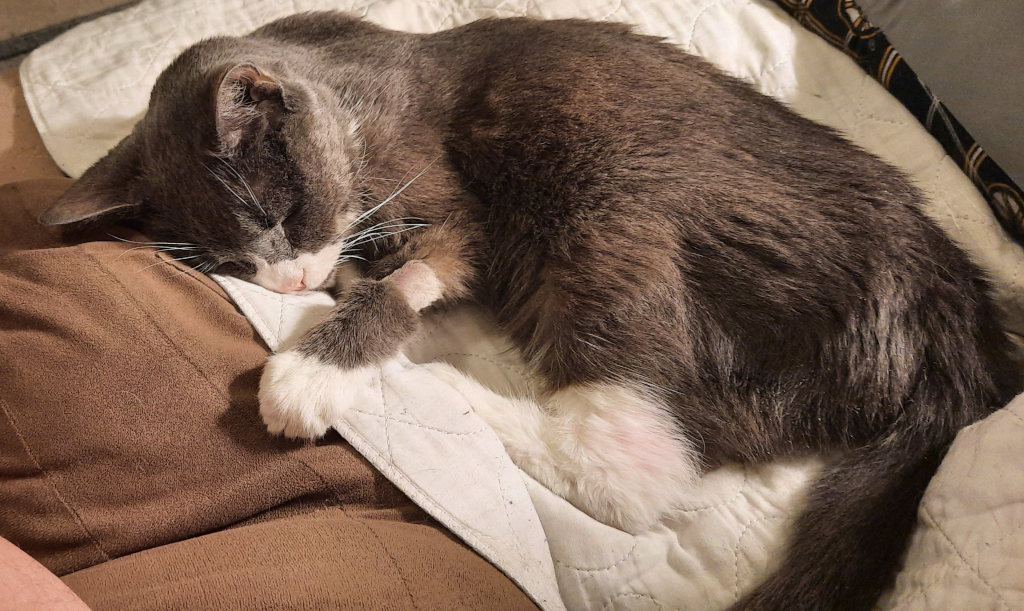 A good history can save time. Before the appointment, take photos of the affected areas in clear light. Record when you first noticed the problem and whether the hair loss is spreading. A short video of the grooming can also help, especially when the behavior does not happen in the exam room.
Share any recent changes involving:
- Food, treats, supplements, or medications
- Flea prevention
- Litter or cleaning products
- Household pets
- Visitors or family schedules
- Moving or remodeling
- Outdoor animals near windows
- Appetite, thirst, weight, vomiting, or stool
- Litter box habits
- Mobility, jumping, or sensitivity to touch
The examination may include checking the skin, coat, ears, mouth, abdomen, joints, and nervous system. Testing might involve skin samples, flea evaluation, fungal testing, bloodwork, urine testing, or a diet trial. The exact plan depends on the cat’s age, history, and other symptoms. There is rarely one universal test that answers everything. Diagnosis may require patience and follow-up.
Helping a Cat With Stress-Related Grooming
Stress reduction should be based on the individual cat. Adding random toys is not enough when the real problem is another cat blocking the hallway. Start with resources. In a multi-cat household, provide more than one feeding area, water source, resting place, scratching surface, and litter box location. Spread them out so one cat cannot control access to all of them.
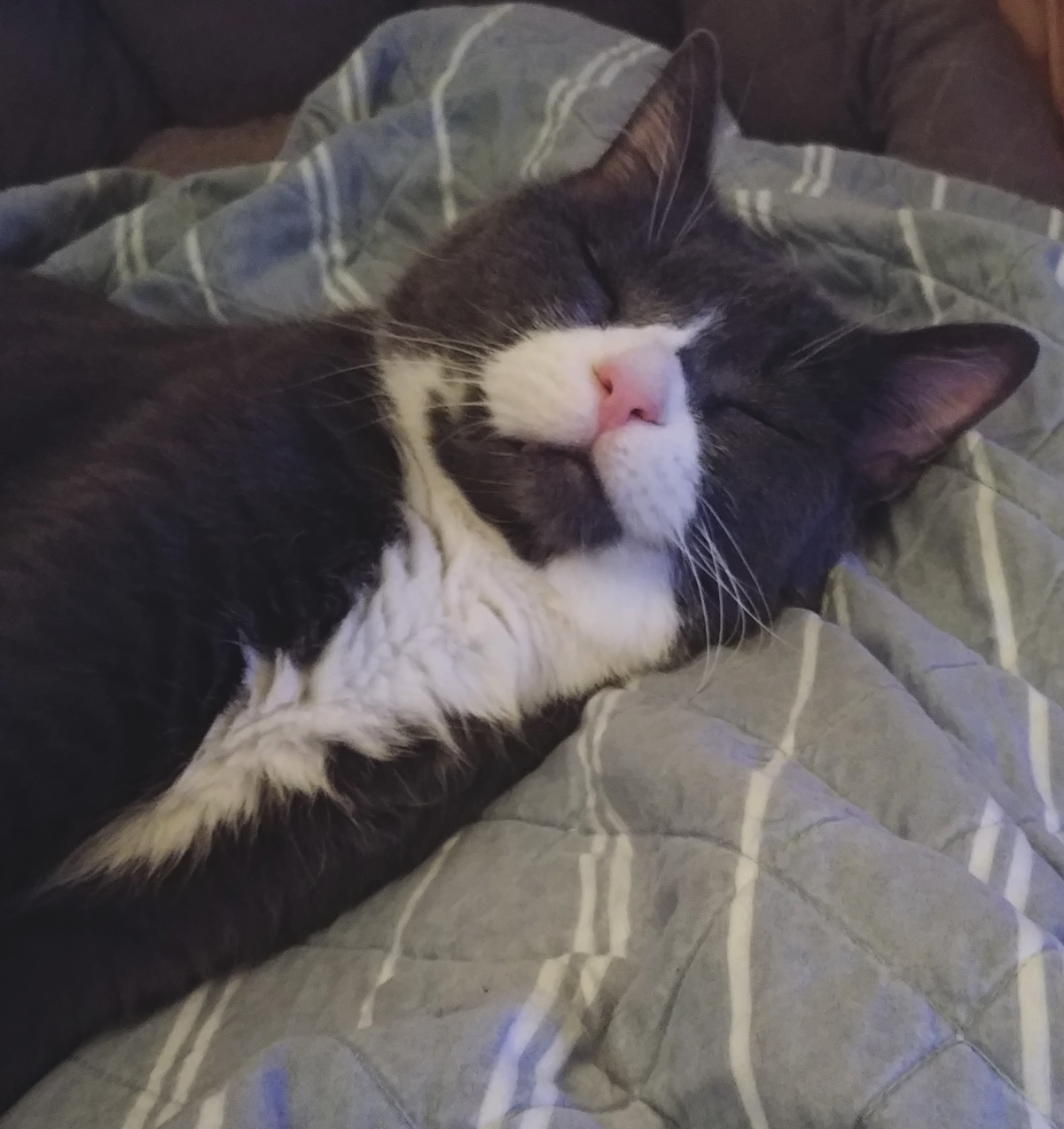 Give the cat safe vertical spaces and quiet hiding areas. A sturdy cat tree, shelf, window perch, covered bed, or open carrier can offer security. Senior cats may need lower platforms, ramps, or steps so they can reach favorite areas without painful jumping. Short, predictable play sessions can help release tension. Wand toys allow the cat to stalk, chase, and pounce from a comfortable distance. End the session with a small meal or treat when appropriate for the cat’s health.
Scratching is another healthy outlet. Some cats prefer tall vertical posts, while others like flat cardboard or angled scratchers. BellenPaws offers a free rope length calculator for pet parents building or repairing a scratching post, which can make planning a DIY project much easier.
Avoid punishing the grooming. Shouting, spraying water, clapping, or physically interrupting the cat may increase fear and make the behavior worse. Protective clothing or an Elizabethan collar may sometimes be needed to prevent serious injury, but these measures do not treat the cause and should be used with veterinary guidance.
Some cats benefit from medication as part of a broader treatment plan. Medication is not a failure, nor should it be the only change made. The goal is to reduce distress while improving the cat’s surroundings and daily routine.
Watch the Skin While the Hair Grows Back
Hair regrowth takes time. Even after the original cause has been treated, the coat may need weeks or months to look normal again. Progress is easier to judge through weekly photographs taken from the same angle and in similar lighting.
Contact the veterinarian sooner if the skin becomes raw, swollen, wet, foul-smelling, crusted, or painful. Bite wounds, open sores, rapid spreading, appetite loss, hiding, lethargy, weight loss, vomiting, changes in thirst, or litter box trouble also deserve prompt attention. A cat who is chewing or licking hard enough to injure the skin is not simply being fussy. Something is driving the behavior, and that cat needs relief.