


There is something peaceful about watching a dog settle into the grass. Their nose lowers, their shoulders soften, their paws press into the earth, and for a few moments the whole world seems to slow down. As pet parents, especially those of us who have loved senior dogs or medically fragile pets, we notice these little moments. We notice when breathing becomes easier, when the pacing stops, when the worried look leaves their face, and when they seem to simply be present.
That is why the idea of grounding, sometimes called earthing, catches the attention of so many pet parents. The basic idea is simple: direct contact with the natural earth may help the body feel more balanced. For dogs, that might mean walking on grass, standing in damp soil, lying under a tree, or resting on a shaded patch of safe ground. It sounds gentle, natural, and comforting, which is exactly why it appeals to people caring for older dogs, anxious dogs, arthritic dogs, or dogs who seem disconnected from the slower rhythm of life.
Still, we have to approach the subject with care. I am writing as a long-time pet parent, not as a veterinarian, and I never want to oversell something just because it sounds beautiful. Grounding may feel meaningful, and time outdoors can absolutely support a dog’s emotional and physical well-being, but it should not be treated as a cure for pain, disease, anxiety, diabetes, arthritis, or any other medical condition. What it can be, in the right setting, is one more gentle layer of comfort.
What Grounding Really Means for Dogs
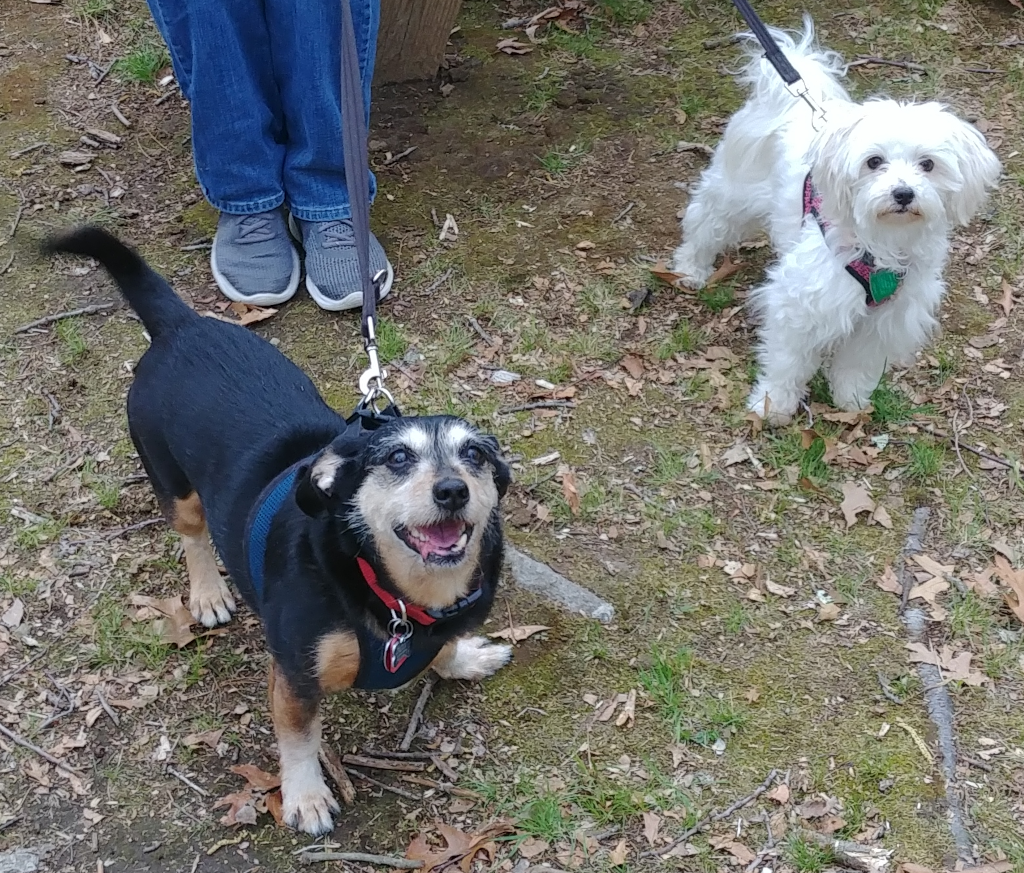 When people talk about grounding for dogs, they usually mean direct contact with the earth. That may be paws on grass, belly on cool soil, or a slow walk across sand, dirt, or a safe natural surface. Some people also use the word to describe the calming effect of nature itself, including fresh air, sunlight, new smells, bird sounds, and a slower pace.
For dogs, that second meaning may be the most practical one. Dogs experience the world through scent, touch, movement, temperature, and routine. A sniffy walk through the yard is not just a bathroom break. It is information gathering, emotional regulation, gentle exercise, and mental enrichment all wrapped together. A dog sniffing one patch of grass for a full minute is not wasting time. They are reading a story we cannot see.
Senior dogs especially may benefit from these slower outdoor moments. When our older pets begin to lose stamina, sight, hearing, or confidence, the world can feel smaller. They may no longer want long walks or busy parks, but they may still enjoy lying in the shade while we sit nearby. That connection to the outdoors can give them stimulation without overwhelming them.
I think about how some of our older pets found comfort in simple routines. With senior animals, you learn that wellness is not always about big interventions. Sometimes it is the familiar patch of sun, the soft blanket near the window, the slow walk after dinner, or the quiet few minutes where no one is asking anything from them. Grounding, at its best, fits into that same category. It is not dramatic. It is gentle.
What We Know, What We Don’t, and Why That Matters
 The science around grounding as an electrical or biological therapy is still limited, especially when it comes to dogs. There are people who strongly believe in it, and there are studies in humans that explore possible effects on inflammation, sleep, stress, and pain. But dogs are not people, and we should be cautious about taking human wellness claims and applying them directly to our pets.
That does not mean the idea is useless. It means we should separate the proven from the possible. We do have good common-sense reasons to believe that safe outdoor time can help dogs. Gentle walking supports muscles and joints. Sniffing gives the brain something to do. Sunshine and fresh air can help maintain a healthy routine. Calm time outside can reduce boredom and give an anxious dog a more peaceful outlet.
For senior dogs, diabetic dogs, or dogs with chronic conditions, that kind of routine can matter. A short, consistent walk after meals may help some dogs stay active and mentally settled. For diabetic pets, routines are especially important, though exercise should be discussed with your vet because activity can affect blood sugar. On BellenPaws, we talk often about tracking patterns, and that same mindset applies here. If your dog seems calmer, sleeps better, or moves more comfortably after gentle outdoor time, that observation is worth noting.
What grounding should never do is replace veterinary care. If your dog is limping, panting heavily, collapsing, acting confused, refusing food, showing signs of pain, or suddenly changing behavior, that is not a grounding issue. That is a vet call. Nature can comfort a dog, but it cannot diagnose kidney disease, regulate insulin, treat heart problems, or manage arthritis pain on its own.
Gentle Ways to Let Your Dog Connect with Nature
 The safest way to explore grounding with your dog is to keep it simple. You do not need special equipment, complicated routines, or expensive products. In many cases, the best version is just letting your dog spend a little more time on safe natural ground, at their own pace, with you nearby.
A young, healthy dog may enjoy walking through grass, trails, or sand. A senior dog may prefer standing in the yard for five minutes, sniffing the breeze, and then heading back inside. A dog with arthritis may enjoy lying on a thick blanket placed over a shaded patch of lawn so they still feel outdoors without having to put pressure on sore joints. The goal is not to force contact. The goal is to offer a peaceful opportunity.
Safety matters more than the concept itself. Avoid lawns treated with pesticides, herbicides, fertilizers, or ice melt. Watch for sharp sticks, broken glass, foxtails, burrs, mushrooms, toxic plants, fire ants, fleas, ticks, and wildlife droppings. Hot pavement, frozen ground, and rough surfaces can hurt paws, especially in seniors or dogs with thin pads. If your dog has allergies, skin irritation, open sores, immune issues, or healing wounds, check with your vet before encouraging direct contact with soil or grass.
Weather matters too. Dogs can overheat faster than we expect, especially older dogs, overweight dogs, short-nosed breeds, and dogs with heart or breathing issues. A peaceful grounding session should not become a heat stress situation. Shade, water, and short time periods are your friends.
The best approach is to observe your dog closely. Do they relax? Do they sniff calmly? Do they lie down comfortably? Or do they pace, pant, scratch, lick their paws, or seem restless? Dogs tell us a lot when we slow down enough to watch.
Grounding for Senior Dogs and Sensitive Pets
 Senior dogs often need a different kind of outdoor life than they did when they were young. They may not want miles of walking anymore. They may not even want a full loop around the block. But many still want the world. They want the smells, the breeze, the familiar yard, and the comfort of being included.
That is where grounding can become less of a wellness trend and more of a compassionate caregiving habit. A few minutes outdoors can give an older dog dignity and enrichment. It lets them participate in life without demanding too much from their body.
For dogs with mobility issues, consider creating a safe outdoor resting spot. A soft washable mat, a shaded area, and a water bowl can turn a small space into a little comfort station. If your dog has trouble getting up and down, stay close. Senior dogs may lie down happily and then struggle to rise, especially if the ground is uneven.
For diabetic dogs, consistency is key. If your dog is on insulin, like our Bentley who receives shots twice a day, changes in activity should be handled thoughtfully. A little outdoor time may be lovely, but sudden vigorous exercise can affect glucose levels. This is where tracking becomes helpful. If your dog has diabetes, a pet diabetes tracker or printable glucose curve form can help you and your vet see patterns between meals, insulin, activity, and blood sugar.
Anxious dogs may also benefit from slow outdoor routines, but not all outdoor environments are calming. A quiet yard may soothe one dog, while a noisy neighborhood may overwhelm another. Some dogs do better at dawn or dusk when the world is quieter. Others prefer the predictability of their own fenced space rather than a busy park.
Grounding should feel like an invitation, not a test. If your dog chooses the porch over the grass, that is still valid. If they only want two minutes, give them two minutes. Comfort care is built on listening.
A Balanced Pet Parent View
 The heart of grounding is not really about chasing a miracle. It is about remembering that dogs are living beings with bodies, senses, emotions, and instincts. They were not designed to spend every hour on tile floors, couches, crates, and sidewalks. Even our most spoiled indoor companions often come alive when they feel a breeze or smell damp earth after rain.
At the same time, we owe them honesty. If grounding helps your dog relax, wonderful. If a slow walk on grass becomes part of your senior dog’s happy routine, that is beautiful. If lying under a tree gives your anxious pup a calmer afternoon, that matters. But if your dog is sick, in pain, or medically fragile, grounding belongs beside veterinary care, not in place of it.
At BellenPaws, our mission has always been rooted in practical love. We believe in noticing patterns, supporting senior pets, advocating for diabetic pets, and giving families tools that make care feel less overwhelming. Sometimes that means using a glucose tracker, printing a curve chart for the vet, or learning how old your dog or cat may be in human years. Sometimes it means sitting outside with your dog and letting them sniff the evening air.
So, does connecting with nature help dogs? In many everyday ways, yes, it can. It can help them move gently, think, sniff, settle, and feel connected to the world around them. Whether the deeper claims of earthing are eventually proven or not, the simple act of safely sharing nature with our dogs is already meaningful.
And maybe that is enough. Not every caring habit has to be complicated. Sometimes love looks like a leash, a shady patch of grass, a bowl of water, and the patience to let an old friend take their time.