
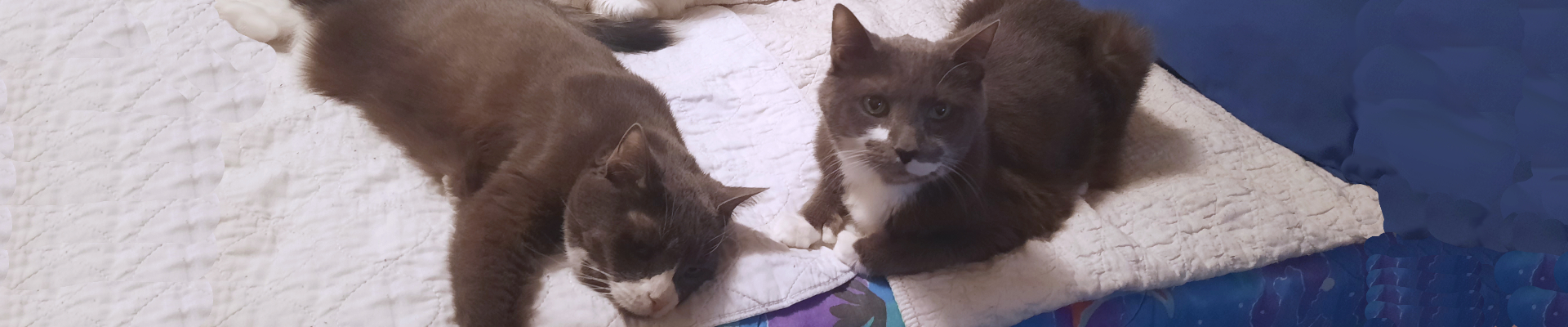
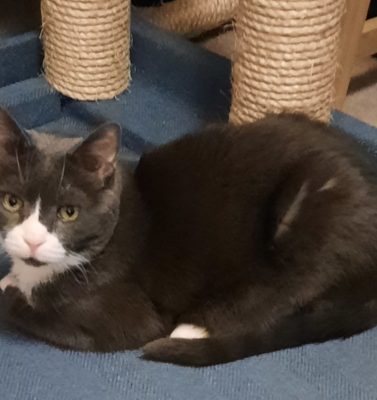
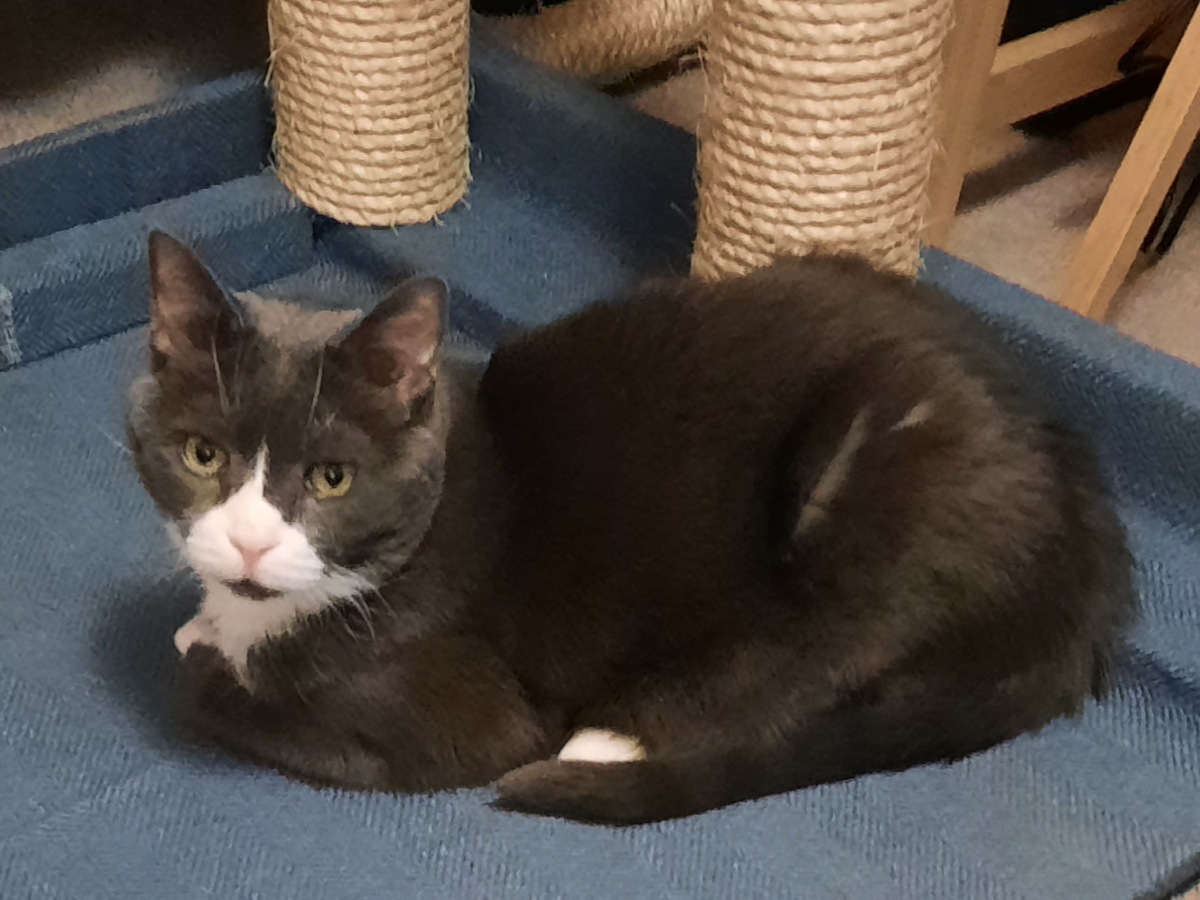
There is a special kind of worry that settles in when a senior pet with kidney disease starts turning away from food. One day they nibble enough to make you breathe easier, and the next day they sniff the same bowl like you offered them cardboard. For pet parents caring for renal cats and dogs, picky eating is not just frustrating. It can feel frightening, because every missed meal seems to carry extra weight.
Kidney disease often changes the way food smells, tastes, and feels to our pets. A cat who once came running for dinner may suddenly sit near the bowl but not eat. A dog who used to lick the dish clean may take two bites, walk away, and look uncomfortable. Sometimes it is true pickiness, but very often it is nausea, acid stomach, dehydration, mouth discomfort, or simply feeling unwell.
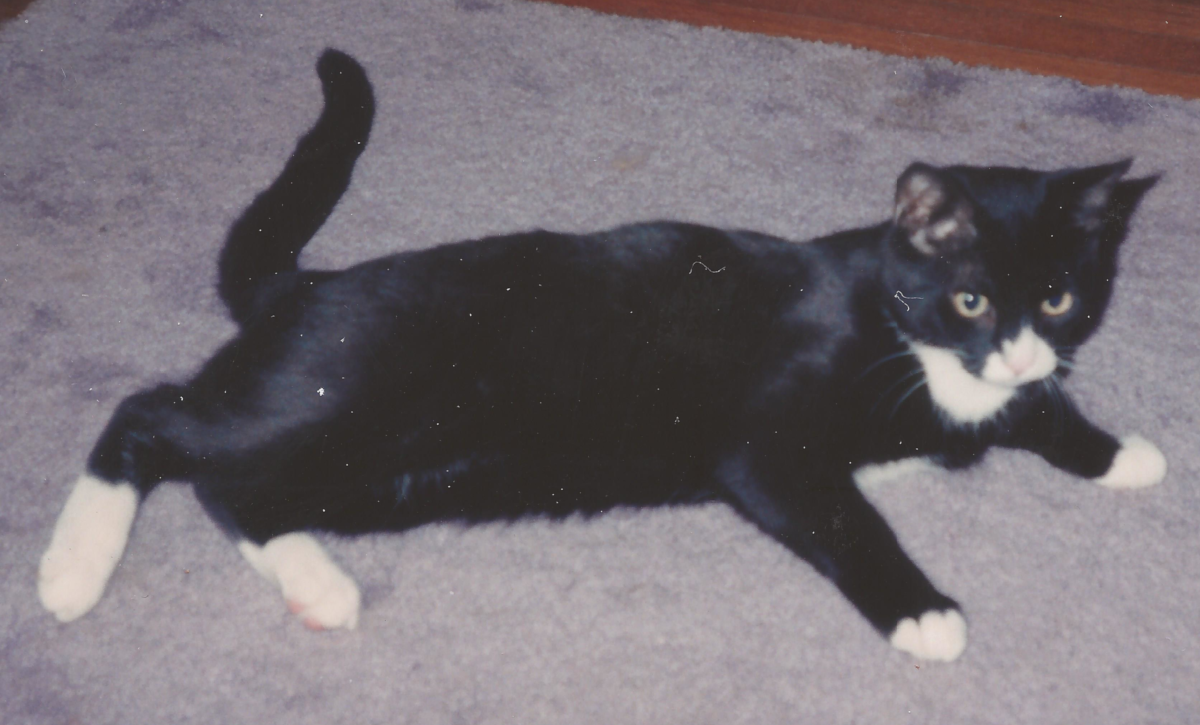
I learned with our kidney cats that appetite is not always about preference. Pebbles, who dealt with kidney disease, taught us that a turned head or slow blink at the food bowl could mean “I want to eat, but I do not feel good enough.” That distinction matters. When we see picky eating as communication instead of stubbornness, we become better caregivers.
When “Picky” May Really Mean Nauseous
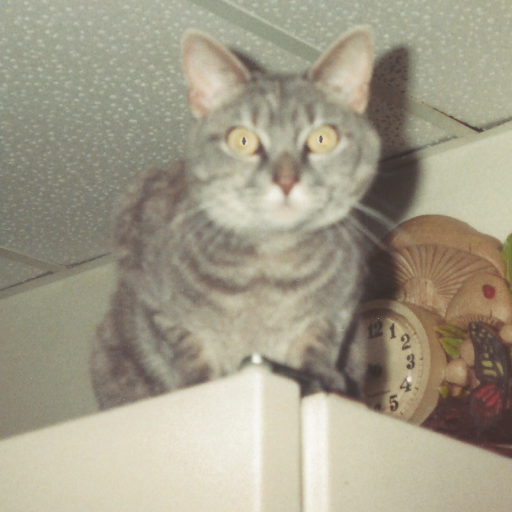 Renal pets often develop nausea because their kidneys are no longer filtering waste as efficiently as they once did. That queasy feeling can be subtle. Some pets vomit, but many do not. Instead, they lick their lips, drool, sniff food and back away, hover near the bowl without eating, grind their teeth, swallow repeatedly, or seem interested until the food is actually in front of them.
Cats can be especially hard to read. They may approach the food, lower their head, then leave as if the meal offended them personally. Dogs may eat grass, burp, refuse breakfast, or act hungry later in the day when their stomach settles. These little signs can be easy to mistake for fussiness, but they are often clues that the stomach needs support.
This is where working closely with your veterinarian becomes so important. There are medications that may help some renal pets with nausea, acid stomach, vomiting, or poor appetite, but those decisions belong with your vet because kidney pets can be delicate. Never give human stomach medicines, pain relievers, supplements, or appetite aids without veterinary direction. What seems gentle to us can be risky for a cat or dog with kidney disease.
It also helps to keep notes. At BellenPaws, we believe tracking is one of the most loving things a pet parent can do because it turns vague worry into useful information. Write down what your pet ate, how much they ate, whether they vomited, whether they seemed nauseous, and any changes in thirst, urination, stool, or energy. If your pet is also diabetic, our free online pet diabetes tracker and printable charts can help organize blood glucose readings and notes for your vet, especially when appetite changes affect insulin decisions.
The Food Bowl Becomes an Emotional Place
 Renal diets can be helpful because they are designed to reduce the workload on the kidneys, often by adjusting phosphorus, protein, sodium, potassium, and other nutrients. The problem is that the “best” food only helps if the pet will actually eat it. This is one of the hardest emotional balances in renal care.
Many of us have stood in the kitchen opening can after can, hoping this will be the one. We warm the food, mash it, stir it, offer it on a plate, offer it from a spoon, and sometimes sit on the floor like a restaurant server for a very tiny, very judgmental customer. There is humor in that, but there is also exhaustion. Feeding a renal pet can become a daily negotiation between medical goals and real life.
A gradual transition is often easier than a sudden diet change. Mixing a small amount of the renal food into a familiar favorite can help some pets adjust. Others do better when texture is changed, such as pâté instead of chunks, or a little added moisture to make the food softer and smellier. Cats in particular can imprint on texture, not just flavor. A cat who rejects one renal food may accept another brand, another protein, or another texture.
Warming wet food slightly can make it more aromatic, but it should never be hot. Adding a little warm water can help hydration and make the meal easier to lap. For dogs, a softer meal may be more appealing if they have dental discomfort or nausea. For cats, using a shallow dish can help reduce whisker stress, and placing the bowl in a quiet spot may make eating feel safer.
Try not to turn every meal into a battle. Pets can form negative associations with food if they feel pressured, chased, or medicated right beside the bowl every time. A calm routine matters. Offer the food, give them space, and keep the mood gentle. They already feel off. They do not need us adding panic to the plate, even when our panic comes from love.
Small Meals, Moisture, and Comfort Tricks
 Many renal pets do better with smaller meals offered more often. A queasy stomach may reject a large meal but accept a few bites at a time. This is especially true in the morning, when nausea can seem worse after an empty stomach overnight. Even a small snack before bed may help some pets start the next day more comfortably, but your vet can guide you if your pet has special dietary needs.
Moisture is often a major part of kidney care. Cats with kidney disease commonly drink and urinate more because their kidneys struggle to conserve water. Wet food, added water, pet fountains, and multiple water bowls can all help encourage fluid intake. Some pets eventually need subcutaneous fluids at home, which sounds intimidating at first, but many families learn to do it calmly with veterinary guidance.
We had to learn that hydration is not just about the water bowl. A pet can drink a lot and still become dehydrated if kidney disease is progressing. Signs like tacky gums, constipation, weakness, sunken-looking eyes, or sudden appetite loss should be taken seriously. When appetite drops sharply, hydration status is one of the first things worth discussing with the vet.
For food encouragement, gentle toppers may help, but they must be kidney-safe. This is where renal care can get tricky. Many tasty toppers are high in phosphorus, salt, or ingredients that may not fit your pet’s plan. Before adding broths, fish water, gravies, cheese, deli meat, or treats, ask your vet what is safe for your pet’s stage of disease. A tiny sprinkle that helps one pet eat may not be appropriate for another.
Medication timing can also matter. Some pets eat better after anti-nausea medication has had time to work. Others need appetite support, treatment for constipation, dental care, blood pressure management, or phosphorus binders if prescribed. If your pet is refusing food, do not assume the answer is simply “find a tastier food.” The better question is often, “Why does eating feel bad right now?”
Knowing When to Call the Vet
 Weight loss is another red flag. With kidney disease, small losses can sneak up slowly. Weighing your pet regularly at home, even once a week, can help you catch changes before they become severe. For cats, a baby scale can be incredibly useful. For dogs, you may be able to weigh yourself holding them, then subtract your own weight, depending on their size and your safety.
It is also worth asking your vet about bloodwork, urine testing, blood pressure, phosphorus levels, potassium, anemia, and dental health when appetite changes. Kidney disease does not happen in isolation. A pet may have kidney disease plus arthritis pain, mouth ulcers, constipation, pancreatitis, diabetes, hyperthyroidism, or another issue that makes eating harder.
For diabetic pets, appetite changes deserve extra caution. Insulin decisions can depend on whether the pet ate enough, and skipping food while receiving insulin can be dangerous. This is why logs are so helpful. A glucose curve, meal notes, insulin times, and symptoms can give your vet a clearer picture than memory alone. Our printable blank glucose curve forms and diabetes tracking tools were created for exactly that kind of practical, day-to-day caregiving.
Feeding With Love, Not Perfection
 Renal care asks a lot from pet parents. It asks us to be observant, patient, flexible, and brave. It asks us to accept that the perfect plan on paper may need adjusting for the real animal in front of us. Some days, success is a full serving of renal food. Other days, success is a few bites, a medication that stays down, a peaceful nap, and a call to the vet before things spiral.
Try not to measure your love by how neatly the feeding plan goes. Kidney disease can be messy. Appetites rise and fall. Foods that worked yesterday may be rejected today. You are not failing because your pet is nauseous, and your pet is not being difficult because they turn away from a bowl. Both of you are navigating a hard road together.
The goal is not to force perfection. The goal is to keep your pet comfortable, nourished, hydrated, and supported for as long as you can, with your veterinarian as your medical guide. You learn their signals. You adjust the dish. You warm the food. You celebrate three good bites because yesterday there were none.
That is senior pet care in its most honest form. It is not glamorous, and it is rarely simple, but it is deeply loving. For renal cats and dogs, food becomes more than calories. It becomes comfort, communication, teamwork, and one more way we say, “I am still here with you.”