

Grain-free pet food has become one of those topics that can make a loving pet parent feel pulled in two directions at once. On one side, the bag looks clean, modern, and reassuring. It may say things like “ancestral,” “natural,” “high protein,” or “no corn, wheat, or soy.” On the other side, there are warnings, headlines, and worried conversations about heart disease, allergies, fillers, and whether grains belong in a dog or cat’s bowl at all.
If you have ever stood in the pet food aisle feeling overwhelmed, you are not alone. Most of us are not trying to follow trends. We are trying to keep our pets comfortable, nourished, and with us for as long as possible. When a senior dog slows down, a cat loses weight, or a diabetic pet needs a more careful routine, food suddenly feels much bigger than breakfast and dinner. It feels like care, hope, and responsibility all scooped into one bowl.
The truth about grain-free diets is not as simple as “grain-free is bad” or “grain-free is better.” Like so many things in pet care, the answer depends on the individual pet, the specific food, the ingredients used to replace the grains, and the reason you are considering the diet in the first place.
Why Grain-Free Became So Popular
 Grain-free diets did not become popular by accident. Many pet parents were told for years that corn, wheat, and other grains were cheap fillers. Some pets did seem to do better after switching foods, which made grain-free diets feel like the obvious answer. For a dog with chronic itching, loose stool, or recurring ear problems, any improvement can feel like a small miracle.
There is also an emotional side to it. We want our pets to eat food that sounds wholesome. Meat, vegetables, and familiar ingredients feel more comforting than a label full of words we do not recognize. When a brand tells us a food is closer to what dogs or cats would eat naturally, it can be very persuasive.
But “grain-free” only tells us what is missing. It does not tell us what replaced the grains. That is where many pet parents get surprised. A food without wheat or corn may still be very high in peas, lentils, chickpeas, potatoes, pea protein, or other ingredients that help hold the kibble together and provide carbohydrates. Those ingredients are not automatically harmful, but they are not magical either.
That is one of the biggest myths around grain-free diets. Removing grain does not automatically make a food healthier, more digestible, or better suited for every pet. A grain-inclusive food can be well made, and a grain-free food can be poorly balanced. The label on the front of the bag is only the beginning of the story.
The Heart Disease Concern in Dogs
 The biggest concern around grain-free diets has been their possible connection to a type of heart disease in dogs called dilated cardiomyopathy, often shortened to DCM. In simple terms, DCM affects the heart muscle and can make the heart weaker and less able to pump blood properly. Some breeds have a known genetic risk for it, but concern grew when dogs not typically considered high-risk were being diagnosed.
Many of the reported cases involved dogs eating diets labeled grain-free, especially foods that used peas, lentils, other legumes, or potatoes high in the ingredient list. This does not mean every grain-free food causes heart disease. It also does not mean every dog on a grain-free diet will get sick. What it does mean is that the issue is serious enough that pet parents should not treat grain-free diets as harmless by default.
The complicated part is that researchers have not reduced the problem to one simple cause. It may involve ingredient combinations, nutrient absorption, taurine metabolism, formulation choices, breed differences, or other factors we still do not fully understand. That uncertainty can feel frustrating, but it is also why a calm, thoughtful approach matters.
If your dog has been eating a grain-free diet for a long time, especially one heavy in peas, lentils, chickpeas, or potatoes, it is worth having a conversation with your veterinarian. This is especially important if your dog has low energy, coughing, fainting, trouble breathing, weakness, or exercise intolerance. Those signs do not automatically mean heart disease, but they should never be ignored.
I think about this the way I think about so many senior pet decisions. When our pets age, we learn not to panic over every change, but we also learn not to dismiss patterns. With our own pets, we have seen how easy it is to explain away small shifts at first. A little less energy. A little more sleeping. A little change in appetite. Sometimes it is nothing dramatic, but sometimes it is the first whisper that something needs attention.
What About Allergies and Sensitive Stomachs?
 One of the most common reasons pet parents choose grain-free food is suspected food allergies. This is understandable, especially when a pet is itchy, gassy, vomiting, having loose stools, or dealing with recurring skin and ear issues. We want to remove the thing causing discomfort as quickly as possible.
But true grain allergies are not as common as many people think. Pets can react to grains, but they can also react to proteins such as beef, chicken, dairy, fish, or eggs. Sometimes the problem is not an allergy at all. It may be a food intolerance, a medical condition, parasites, inflammatory bowel disease, pancreatitis, thyroid disease, kidney disease, diabetes complications, or something else entirely.
That is why guessing can become a long and expensive maze. A pet parent may switch from one grain-free food to another, then to a limited ingredient food, then to a boutique brand, and still never find the real trigger. Meanwhile, the pet is still uncomfortable.
For pets with ongoing symptoms, the safest path is usually to work with a veterinarian on a structured food trial. That often means feeding a specific diet for a set period of time and avoiding treats, flavored medications, table scraps, and random extras that can muddy the results. It is not glamorous, and it can test everyone’s patience, but it gives you clearer answers than bouncing from bag to bag.
For diabetic pets, food changes deserve extra caution. A sudden switch in diet can affect appetite, digestion, weight, and blood glucose patterns. If you are managing diabetes with insulin, especially with a tight regulation approach, you already know how much consistency matters. This is where careful tracking can help. On BellenPaws, our free pet diabetes tracker and printable glucose curve forms were created for exactly that kind of day-to-day monitoring, so pet parents can bring clearer information to their vet instead of relying on memory alone.
Cats, Dogs, and the “Natural Diet” Argument
 Dogs and cats are often discussed together, but their nutritional needs are not the same. Cats are obligate carnivores, which means they have a stricter need for animal-based nutrition. Dogs are more flexible omnivores and can digest a wider variety of ingredients. Because of that, the grain-free conversation can look different depending on whether we are talking about a dog or a cat.
For cats, the bigger question is usually not simply “grain-free or not?” It is whether the food is complete, balanced, appropriate for the cat’s age and health conditions, and not overloaded with unnecessary carbohydrates. Many cat parents choose grain-free wet food because it may be lower in carbohydrates than some dry foods, which can matter for diabetic cats. But again, the details matter. Grain-free does not always mean low carbohydrate, and low carbohydrate does not automatically mean appropriate for every cat.
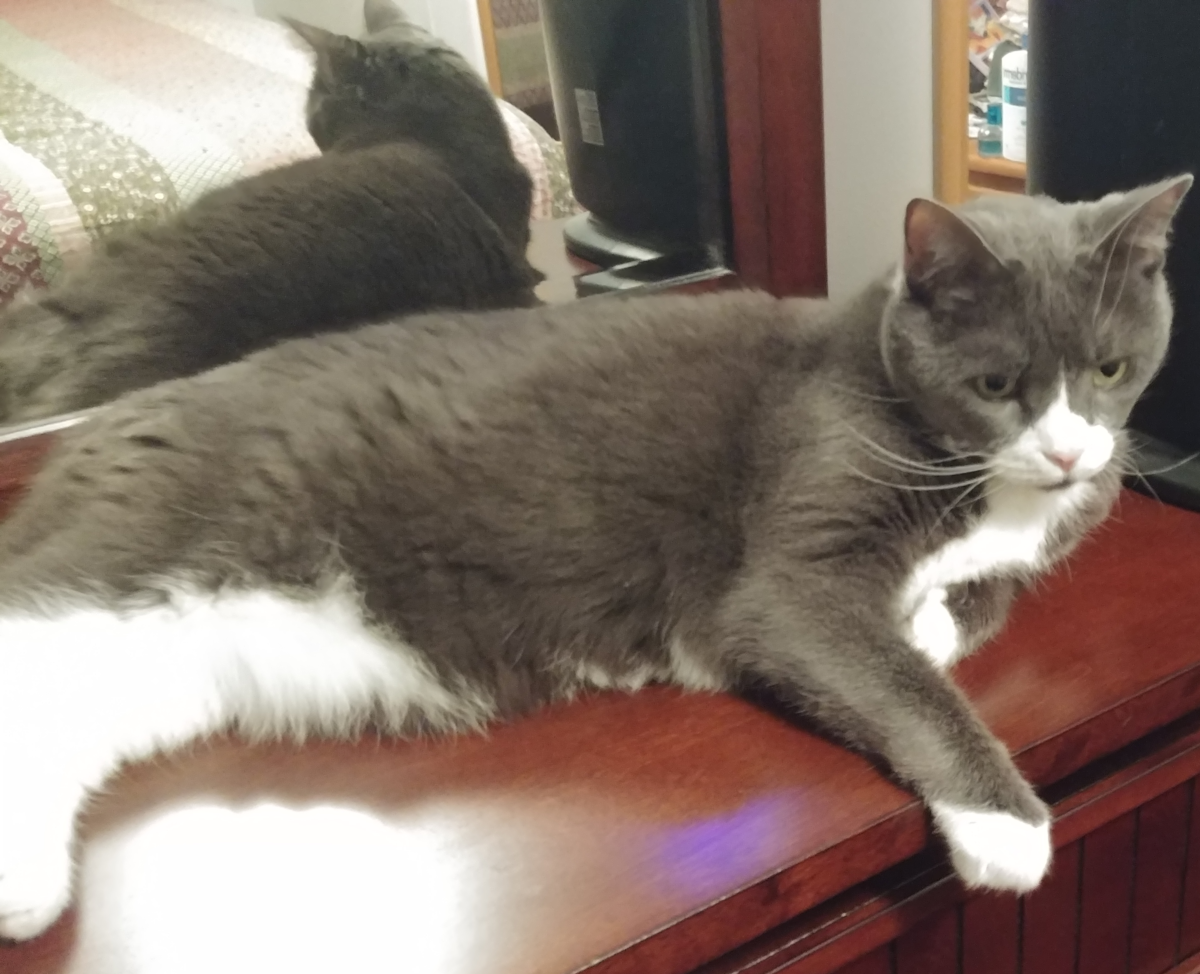
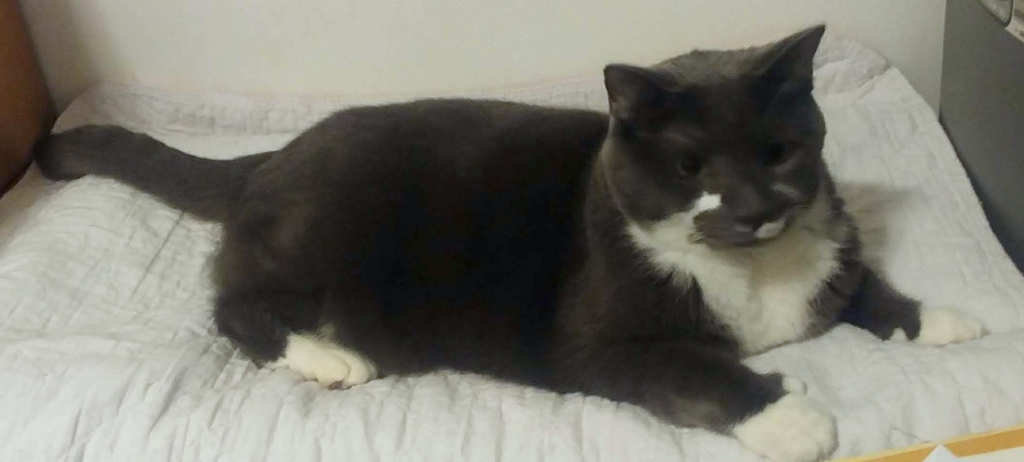
When Zippy was diabetic, food choices mattered deeply, but they were only one part of the whole picture. Tight regulation meant watching patterns, testing, adjusting carefully with veterinary guidance, and paying attention to how the cat in front of us was actually responding. Bentley, who still receives insulin twice a day, reminds us of that every single day. Labels matter, but lived response matters too.
For dogs, grains like rice, oats, barley, and corn are not automatically enemies. Some dogs digest them well. Some do beautifully on grain-inclusive diets from companies with strong nutrition research and quality control. Others may need a different approach because of a diagnosed condition. The goal is not to defend grains or attack grain-free food. The goal is to feed the pet safely and appropriately.
Choosing Food Without Fear
 The hardest part of pet nutrition is that fear sells. One brand tells you grains are dangerous. Another tells you grain-free food is dangerous. A social media post says kibble is poison. A comment thread says only homemade food is loving. Before long, a pet parent who started out trying to do better ends up feeling guilty no matter what they choose.
A better approach is to step back and ask practical questions. Is the food complete and balanced for your pet’s life stage? Is the company transparent about formulation and feeding trials? Does your veterinarian have concerns based on your pet’s breed, age, lab work, heart health, weight, or medical history? Are legumes or potatoes appearing high on the ingredient list? Is your pet actually thriving on the food, with good energy, healthy stool, stable weight, and a coat that looks normal for them?
For senior pets, the “thriving” part can be subtle. A senior dog may not bounce like a puppy, and an older cat may not race through the house at midnight like they once did. But they should still have comfort, interest in life, and a routine that supports their body. If a food change causes vomiting, diarrhea, appetite loss, weight changes, dullness, itching, or unstable glucose readings in a diabetic pet, that is worth slowing down and reassessing.
It is also okay to change your mind. Many of us made food choices years ago based on the best information we had at the time. There is no shame in learning more and adjusting. Pet care is not about being perfect from day one. It is about staying observant, humble, and willing to respond when new information becomes available.
If your pet is currently doing well on a grain-free diet, this article is not meant to scare you into dumping the bag tonight. Sudden diet changes can create their own problems. Instead, use it as a reason to review the ingredient list, talk with your veterinarian, and decide whether the current food still makes sense for your pet’s whole health picture.
The Bottom Line for Loving Pet Parents
Grain-free diets are not automatically good, and they are not automatically bad. They are simply one category of pet food, and like any category, quality varies. The bigger truth is that ingredients, formulation, medical history, and your pet’s individual response matter more than a marketing phrase on the front of the bag.
For dogs, the possible connection between certain grain-free or legume-heavy diets and heart disease deserves respect. For cats, the focus should stay on complete nutrition, appropriate protein, carbohydrate level when relevant, hydration, and any medical conditions like diabetes or kidney disease. For both, the safest choices are made with good information and veterinary guidance, not panic.
As pet parents, we all want the same thing. We want more good mornings, more slow walks, more purrs from the couch, more tail wags at dinner time, and more ordinary days that feel precious later. Food is part of that love, but it should not become a source of constant fear.
Choose thoughtfully. Watch your pet closely. Ask questions. Keep records when health issues are involved. And remember that the best diet is not the one with the trendiest label. It is the one that helps your pet feel well, stay nourished, and enjoy the life they still have right beside you.