



There is a moment many diabetic pet parents remember with painful clarity. It might be the day the diagnosis came. It might be the first time they held a tiny syringe in shaking hands. It might be the first glucose curve, the first low number, the first skipped meal, or the first time they looked at their dog or cat and wondered, “Am I doing this right?”
Regulating a diabetic pet is not just a medical routine. It is an emotional journey that can pull you from hope to fear and back again in the span of a single day. You learn new words, new numbers, new habits, and new worries. You start paying attention to things you never had to think about before, like how much food was eaten, whether the insulin dose was given on time, whether the glucose number makes sense, and whether your pet seems “off” or simply tired.
As pet parents, we often want a straight path. We want the diagnosis, the treatment plan, the right dose, and then stability. But diabetes rarely works that neatly, especially in the beginning. Regulation is a process, and the emotional side of that process deserves just as much compassion as the medical side.
At BellenPaws, we write from the heart of lived experience, not from a veterinary degree. We have loved senior pets through complicated health conditions, and we have managed feline diabetes up close. Zippy, one of our diabetic cats, eventually achieved remission through tight regulation. Bentley is still with us and receives insulin twice a day. Those experiences taught us something we wish every new diabetic pet parent could hear early: the emotional ups and downs do not mean you are failing. They mean you care deeply.
The Shock of Diagnosis
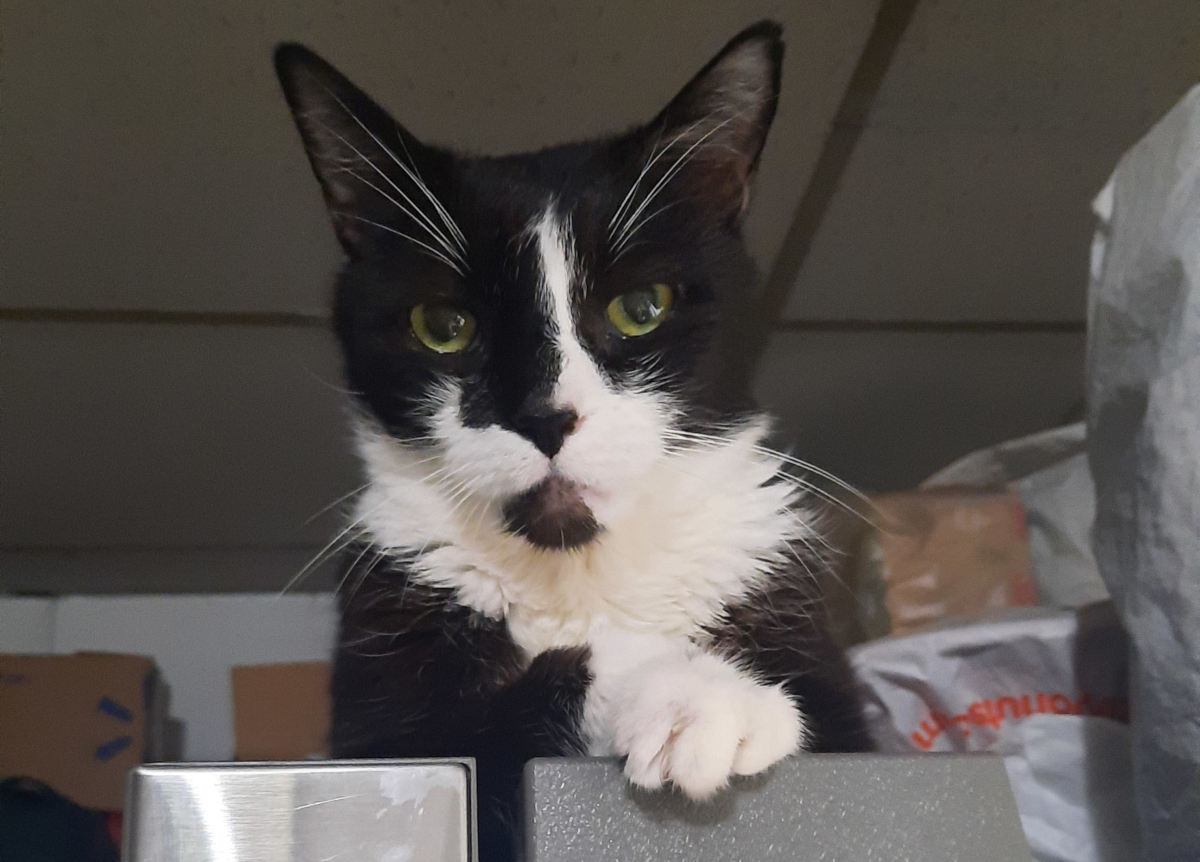 When your pet is first diagnosed with diabetes, it can feel like the ground shifts under your feet. One day you may be noticing extra thirst, bigger pee clumps in the litter box, weight loss, hunger, weakness, or a general sense that something is wrong. Then suddenly you are sitting with a diagnosis that sounds serious and permanent.
Even when a veterinarian explains the plan clearly, your mind may only catch pieces of it. Insulin. Food changes. Testing. Curves. Hypoglycemia. Rechecks. Timing. Cost. Needles. It can feel like too much at once, especially if your pet is older or already has other health issues. The love you have for them makes every detail feel urgent.
The first emotional wave is often fear. Fear of hurting them with the needle. Fear of giving too much insulin. Fear of not giving enough. Fear of missing a sign. Fear of sleeping through something important. This is normal. Diabetes asks regular people to learn skills that feel medical and intimidating, often while they are already worried sick.
But slowly, the unknown becomes more familiar. The first injection is usually scarier for the human than for the pet. Many cats and dogs barely react once the routine is calm and consistent. Testing, if you choose to home test with your veterinarian’s guidance, also gets easier with practice. The first few days can feel impossible, but repetition has a way of turning panic into procedure.
That does not mean the emotions disappear. It means you begin building confidence one small step at a time.
The Numbers Can Mess With Your Heart
 Once glucose numbers enter your life, they can become strangely powerful. A good number can make your whole day feel lighter. A high number can make you feel defeated. A low number can send your heart straight into your throat. The meter becomes more than a tool. It becomes a tiny screen that seems to judge how well everything is going.
But numbers need context. A single reading does not tell the whole story. Food, stress, infection, timing, activity, insulin absorption, and even the pet’s mood can all affect glucose. Some days make sense. Some days do not. That is one of the hardest emotional lessons in diabetic care.
When we were working with Zippy, tight regulation required attention, patience, and a lot of learning. There were hopeful stretches and nerve-wracking moments. The numbers mattered, but so did the bigger picture: appetite, behavior, hydration, energy, litter box habits, and overall comfort. A pet is not a spreadsheet, even though tracking can be incredibly helpful.
That is why record keeping can be such an emotional anchor. Writing things down gives your worry somewhere useful to go. Instead of trying to remember every meal, dose, test, and odd behavior, you can see patterns over time. On BellenPaws, we offer a free online pet diabetes tracker with printable charts and tables for vet visits, along with blank glucose curve forms. Tools like that cannot remove the worry, but they can make the worry more organized and easier to discuss with your vet.
The goal is not to obsess over every number. The goal is to understand the story those numbers are telling over time. That shift can bring a little peace back into the process.
The Guilt Nobody Talks About Enough
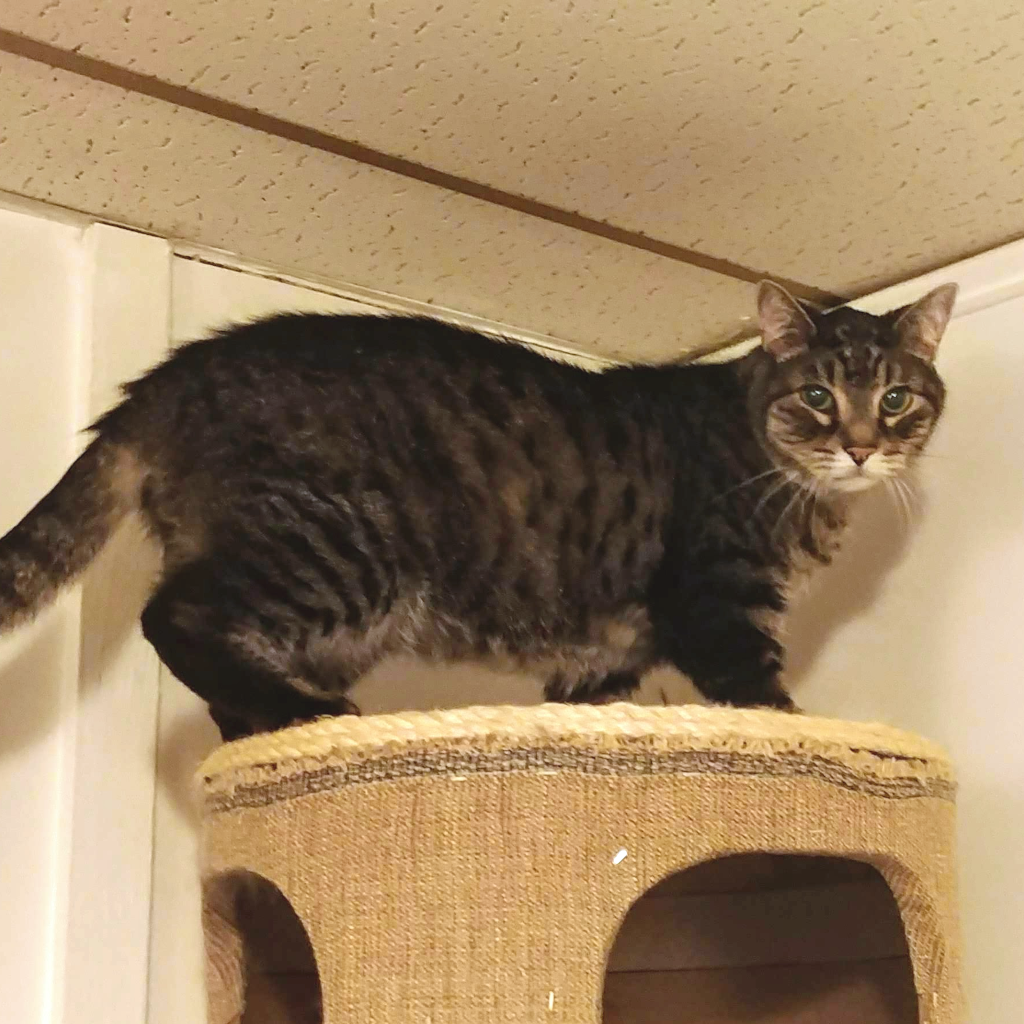 Diabetic pet care can bring a heavy kind of guilt. You may wonder if you missed early signs. You may replay old food choices, delayed appointments, weight changes, or symptoms you did not understand at the time. You may feel guilty when you are tired, frustrated, scared, or overwhelmed. You may even feel guilty for wishing life could go back to being simple.
That guilt can be brutal because it attaches itself to love. Good pet parents often blame themselves because they care so much. But diabetes is not a moral failure. It is a health condition. In cats and dogs, it can be influenced by many factors, including age, weight, hormones, inflammation, breed tendencies, medications, and other illnesses. Blaming yourself does not help your pet heal. Learning, adjusting, and showing up does.
There is also guilt around the daily routine. Maybe you miss the exact shot time by a little. Maybe your pet refuses breakfast and you panic. Maybe a glucose curve does not go as planned. Maybe you need help but feel embarrassed asking. None of that means you are not devoted. It means you are human, and diabetic care is demanding.
I think many pet parents need permission to admit that this is hard. It is hard to plan your schedule around injections. It is hard to worry about lows. It is hard to manage costs. It is hard to watch a beloved senior pet face one more challenge. You can love your pet completely and still feel exhausted by the responsibility.
Compassion has to include you too. Your pet needs your care, but you also need steadiness, rest, and support. A burned-out caregiver has a much harder time making clear decisions.
Finding a Rhythm Without Losing Yourself
 Over time, regulation often becomes less chaotic. The routine starts to settle into the structure of your day. Meals happen at expected times. Insulin becomes part of the household rhythm. Testing becomes less dramatic. Supplies have a place. You start to know what is normal for your pet, and what deserves attention.
This rhythm matters because diabetic pets often do best with consistency. Consistent meals, consistent insulin timing, and consistent monitoring can help your veterinarian evaluate what is working. But consistency does not mean perfection. Life happens. Pets vomit, refuse food, hide, get stressed, or act like tiny furry chaos machines. The goal is to create a routine sturdy enough to guide you, not so rigid that every imperfect moment feels like disaster.
With Bentley, twice-daily care is part of the heartbeat of the day. It is not always convenient, but it is familiar. There is comfort in knowing the routine and understanding what needs to happen next. That familiarity does not erase concern, but it changes the emotional weight of the work.
It also helps to have a plan for the scary moments before they happen. Talk with your veterinarian about what to do if your pet will not eat, if a dose is missed, if glucose is lower than expected, or if symptoms of hypoglycemia appear. Ask what numbers should prompt a call or emergency visit. Keep supplies easy to find. Clear instructions can keep panic from taking over when your brain is flooded with fear.
Diabetic regulation is not about becoming fearless. It is about becoming prepared enough that fear does not get to drive every decision.
Hope Is Allowed Here
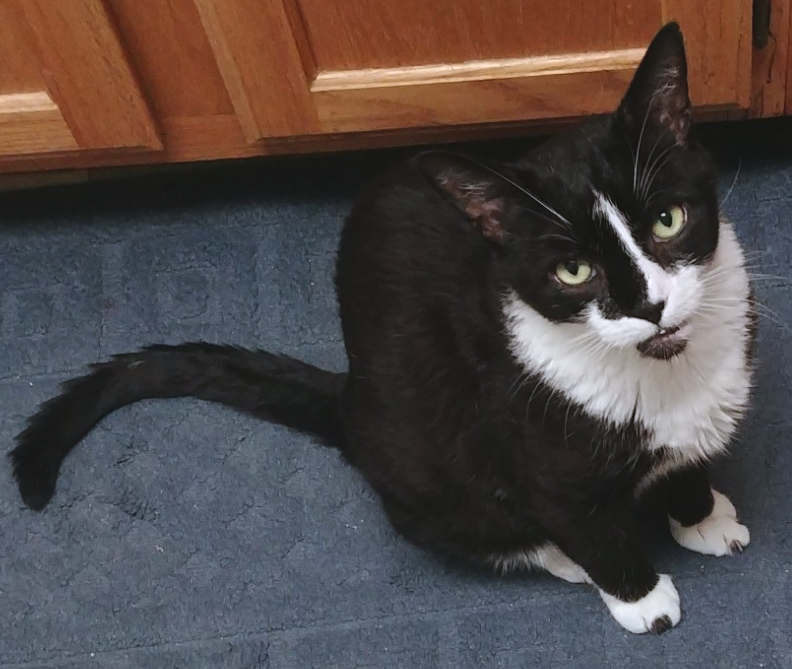 One of the most important things to remember is that diabetic pets can still have good, happy, meaningful lives. A diabetes diagnosis changes the routine, but it does not erase the personality of the pet you love. Your cat can still purr in the sun. Your dog can still wag at the sound of your voice. Your senior pet can still enjoy comfort, affection, meals, play, naps, and all the familiar pieces of home.
Some pets become well regulated and stay on insulin long term. Some cats may even achieve remission when conditions line up and treatment is carefully managed with veterinary support. Some pets have bumps in the road and need dose adjustments, food changes, dental care, infection checks, or other medical follow-up. Each journey is different, and comparison can steal peace from the progress your own pet is making.
Hope does not mean pretending everything is easy. Hope means believing that your effort matters. It means recognizing improvement even when it is slow. It means seeing the courage in your pet and the devotion in yourself.
There will be days when you feel proud and days when you cry in the kitchen after a confusing number. There will be days when you feel like you have finally figured it out, and days when diabetes reminds you that bodies are complicated. That is the rollercoaster. You are not weak for feeling it. You are walking through a demanding season with love.
If you are new to this, start with the next right step. Learn the routine. Ask questions. Track what matters. Keep your vet involved. Do not change insulin doses without veterinary guidance. Do not ignore symptoms that concern you. And do not measure your love by how calm you feel, because fear often shows up right beside devotion.
Your pet does not need you to be perfect. They need you to be present, observant, willing to learn, and gentle with both of you. That is what regulation really becomes over time: not just numbers and syringes, but a daily act of love.
And on the hard days, remember this. Every test, every meal, every careful dose, every chart, every question, every late-night worry, and every soft word spoken over a tired little body is proof that your pet is not facing diabetes alone.