



Every animal shelter worker knows the sound of a full building. Dogs bark over one another. Cats retreat into the backs of their kee who need to surrender pets that afternoon, even though every available space is already occupied. The public often sees shelter euthanasia as a problem that begins inside the shelter. In reality, many of the events that fill those kennels begin months or even years earlier.
A puppy grows into a large, energetic dog without basic training. A frightened cat starts urinating outside the litter box, and no one realizes that pain or illness may be involved. A family adopts a pet without checking its landlord’s rules. A senior animal develops an expensive medical condition. An unaltered outdoor cat produces litter after litter.
None of these situations automatically makes someone a bad person. Life changes. Money becomes tight. Illness happens. Housing disappears. Still, better information can prevent many ordinary problems from reaching the point where surrender feels like the only remaining choice. That makes informed pet ownership one of the strongest forms of shelter prevention we have.
Shelter Euthanasia Is a Community Problem
 Shelters do not create homeless animals. Communities do. Shelters receive the results of unplanned litters, missing identification, housing restrictions, untreated behavior problems, medical expenses, abandonment, and impulsive adoptions. Staff members are then asked to solve all of those problems inside buildings with limited kennels, limited money, and limited time.
The United States has made meaningful progress. Nearly four million dogs and cats were saved through shelters during 2025, and more than two out of every three shelters reached the commonly used no-kill benchmark. Even with that progress, about 400,000 dogs and cats still lost their lives in shelters during the year. mbers are not spread evenly across the country. One county may have strong adoption programs, affordable veterinary clinics, active rescue groups, and enough temporary homes for animals. A neighboring county may have one overcrowded animal control facility serving several towns.
This is why blaming individual shelter employees accomplishes very little. Most shelter workers are not choosing between a good outcome and a bad one. They are choosing between several painful outcomes after every kennel, crate, office, and quiet room has already been filled. Owners can reduce that pressure by keeping pets safely at home, returning lost animals quickly, preventing accidental litters, and making better adoption decisions.
Adoption Should Begin With Honest Expectations
Love matters, but love alone does not prepare someone for a fifteen-year commitment. An informed adopter looks beyond the face in the kennel. They think about size, energy level, grooming, training, prey drive, noise, veterinary costs, daily routines, housing rules, other pets, children, and the animal’s likely needs as it ages.
A young herding dog may require far more physical and mental activity than a family can provide. A shy cat may need weeks before feeling safe enough to leave a bedroom. A senior pet may require medication, frequent bloodwork, softer bedding, ramps, or special food. None of those needs makes the animal less deserving. They simply need to be understood before the adoption is finalized.
People also need permission to admit that a particular animal is not a good match. Choosing not to adopt a high-energy dog because you work twelve-hour shifts is responsible. Passing on a cat who cannot safely live with your birds is responsible. Waiting until your lease, budget, or schedule is stable is responsible. A thoughtful “not yet” is kinder than an emotional “yes” followed by surrender six months later.
Small Behavior Problems Rarely Stay Small
 Behavior is one of the most common reasons owners give up dogs and cats. A recent study reviewing owner relinquishments at an open-admission shelter found behavior problems were the most frequently recorded reason, followed by housing or moving issues and an inability to continue providing care. these problems begin quietly.
A dog pulls on the leash. A kitten scratches the couch. A cat hides from visitors. A newly adopted dog growls when someone approaches the food bowl. Owners may ignore the behavior, punish it, laugh about it, or hope the pet will simply outgrow it. Waiting often makes the problem harder.
Training should begin early, but it should also continue throughout the animal’s life. Reward-based training can help dogs learn household rules without fear. Cats benefit from proper scratching surfaces, clean litter boxes, hiding spots, climbing areas, play sessions, and predictable routines.
Sudden behavior changes need medical attention. A cat urinating outside the box may have a urinary problem, arthritis, kidney disease, diabetes, or another painful condition. A senior dog that snaps when touched may be losing vision or hearing, or may hurt when someone handles a sore joint.
We have lived through many age-related changes with our own animals. Those experiences taught us not to assume that an older pet is being difficult. Behavior often communicates discomfort long before a pet parent understands what is wrong. Early help can save the relationship.
Identification Brings Lost Pets Home Faster
A lost pet with no identification may enter a shelter as an unknown stray. Even a deeply loved animal can appear homeless when no one can connect that pet to a family. A visible identification tag remains one of the simplest safeguards. The phone number must be readable and current. A microchip provides another layer of protection, but the chip is only useful when its registration contains accurate contact information.
Owners should update microchip records after moving, changing telephone numbers, changing email addresses, or transferring ownership. They should also keep recent photographs showing the pet’s face, body, markings, and any distinctive features.
Stray animals continue to account for the majority of pets entering shelters. In 2025, approximately 59 percent of shelter entries were strays, while owner surrenders accounted for about 30 percent. can slip off. Gates can be left open. Fireworks can frighten even calm animals. Identification helps turn an animal-control intake into a reunion instead of a kennel stay.
Spaying and Neutering Reduce Preventable Intake
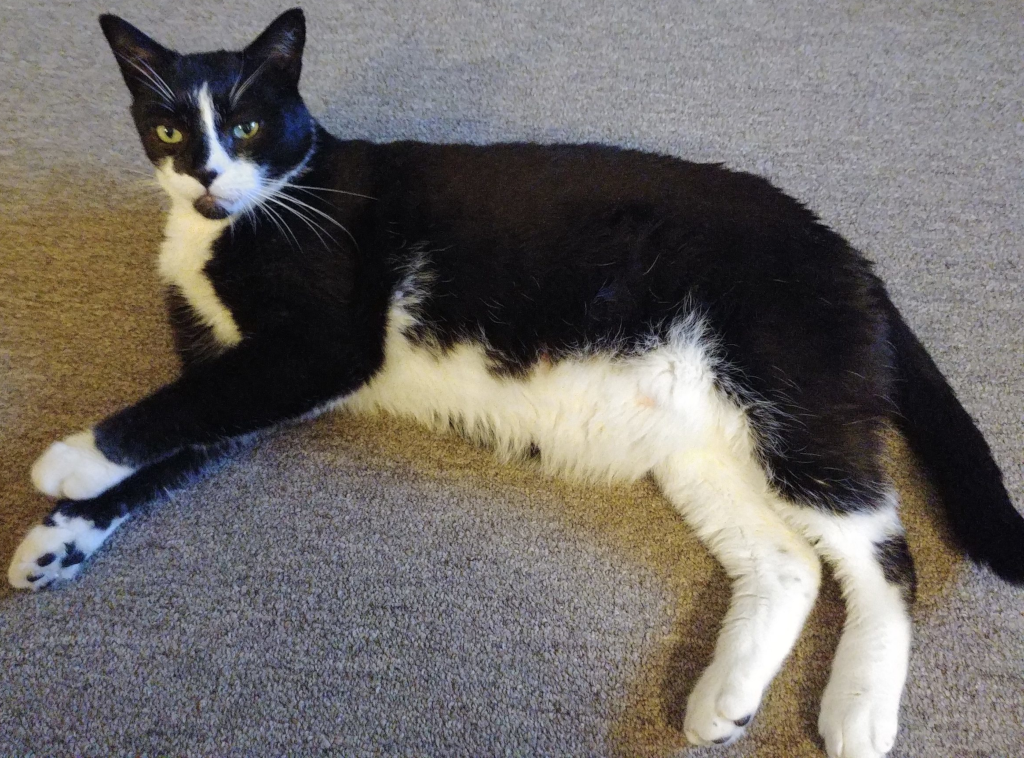 One accidental litter may not seem connected to euthanasia at a distant shelter. Multiply that litter across thousands of households, and the connection becomes clear. Cats can reproduce quickly, and outdoor populations can grow beyond what local rescues and shelters can absorb. Puppies may be easy to place at eight weeks old, but informal placements do not always last. Some of those animals later enter shelters as untrained adolescents or adults.
Spaying and neutering can prevent unplanned litters and may offer additional health or behavior benefits depending on the animal, age, and timing. Pet parents should discuss the decision with a veterinarian rather than relying on blanket advice from social media.
Community cat programs also matter. Trap-neuter-vaccinate-return programs reduce reproduction while allowing healthy outdoor cats to remain in their established areas. Recent national data has connected improved outcomes for cats with stronger community cat programs and sterilization efforts. ho feed outdoor cats should not stop at putting out food. They should seek local assistance with sterilization, vaccination, shelters, and monitoring. Feeding without population control can unintentionally support the birth of more kittens than the area can safely sustain.
Financial Planning Protects the Bond
Pets cost more than food and toys. Routine exams, vaccines, dental treatment, parasite prevention, grooming, medication, emergency visits, diagnostic testing, boarding, training, and end-of-life care can place real pressure on a household budget. Chronic conditions can add ongoing expenses for years.
We understand this personally. Managing feline diabetes involves insulin, syringes, glucose testing supplies, careful feeding, and a dependable schedule. Zippy reached remission through tight regulation, while Bentley currently receives insulin twice each day. That level of care asks a great deal from a household, but preparation and reliable information make it far less frightening. Pet parents do not need to be wealthy. They do need a plan.
A small emergency fund can help. Pet insurance may be useful for some families, especially when purchased before major conditions appear. Others may prefer a dedicated savings account. Low-cost clinics, nonprofit veterinary programs, food banks, payment plans, and charitable funds can also help owners through temporary hardship.
The high cost of veterinary care remains a known factor in pet relinquishment. Housing costs, registration requirements, and routine medical needs can also push a struggling family toward surrender. or help early matters. Waiting until a condition becomes an emergency usually means the animal is sicker, treatment is more expensive, and the owner has fewer choices.
Housing Must Be Considered Before a Crisis
 Pet-friendly housing is not always truly pet-friendly. A rental may allow cats but limit the number of animals. A building may accept dogs but restrict certain breeds or weights. Pet deposits, monthly fees, insurance rules, and municipal limits can turn an otherwise affordable home into one a pet owner cannot use.
Housing and moving remain major reasons for relinquishment. Current animal welfare guidance continues to identify the lack of accessible pet-inclusive housing as a major source of pressure on shelters and families. should read the full pet policy before adopting. Verbal permission from a property manager is not enough. Rules should be included in the lease or another written agreement.
Owners planning a move should begin searching early, gather veterinary and vaccination records, prepare references from past landlords, and create a pet résumé if necessary. Training records and proof that a dog has lived successfully in rental housing may help during an application.
People should also know their local tenant laws. Some protections apply to service animals and assistance animals, but those rules are not general exemptions for every pet. Misrepresenting an animal harms disabled people and can make property owners more suspicious of responsible applicants.
Rehoming Can Be Safer Than Immediate Surrender
Sometimes a person truly cannot keep a pet. A serious illness, death, eviction, domestic violence situation, military deployment, long-term care placement, or family emergency may leave no realistic path for the animal to remain in the home. Compassion requires acknowledging that reality instead of shaming people who are already in distress. Even then, surrendering directly to an overcrowded shelter may not be the only choice.
A trusted relative or friend may be able to help temporarily. Breed-specific rescue groups may accept the animal or assist with placement. Some shelters offer food, medical assistance, behavior advice, temporary boarding, or other retention services. Direct-home placement programs allow pets to move from one family to another without spending time in a kennel. oming requires honesty. The new family needs accurate information about health, behavior, bite history, litter-box habits, compatibility with children, and relationships with other animals. Hiding serious concerns may place people and pets in danger and can cause the animal to be passed from home to home.
Medical records, medication instructions, microchip details, food preferences, routines, favorite toys, and known fears should travel with the pet. A careful transition gives the animal a better chance of remaining in the next home.
Senior and Special-Needs Pets Need Owners Who Stay Curious
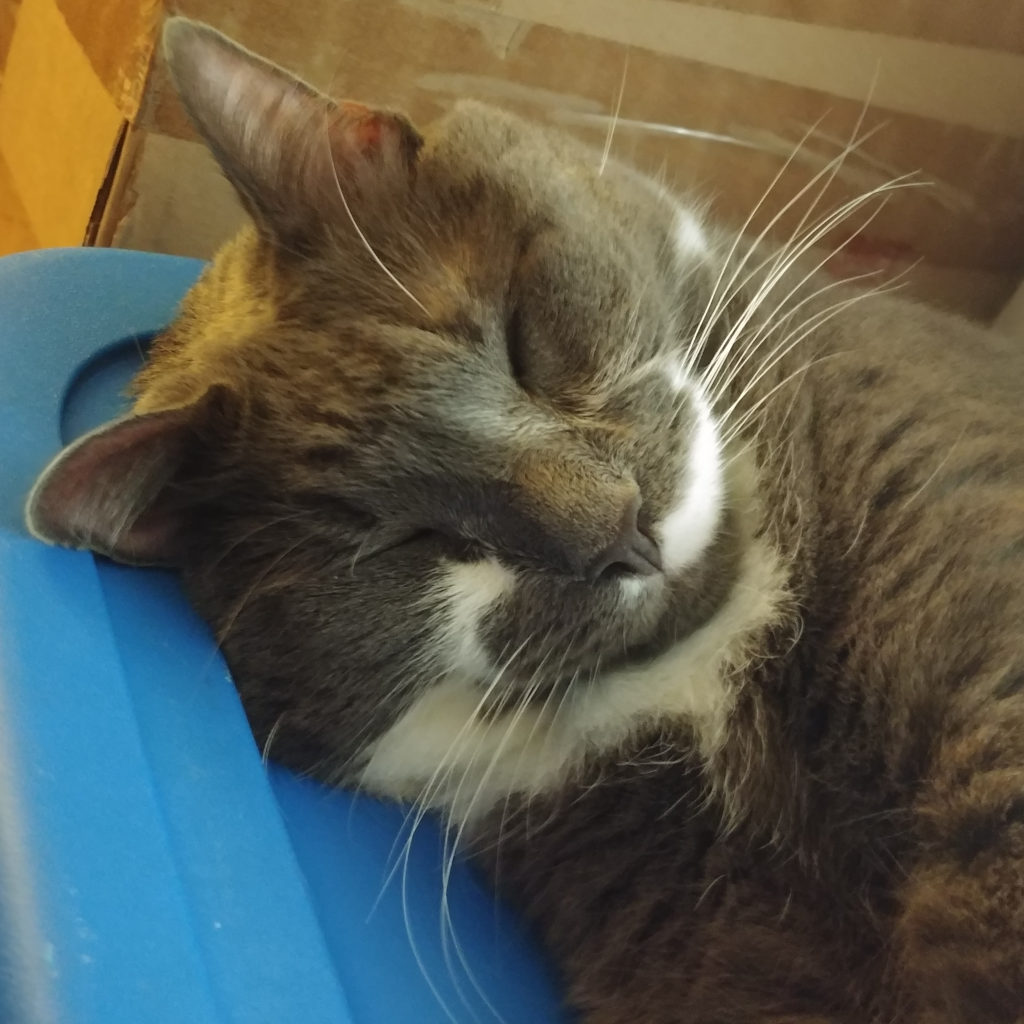 Many animals enter shelters after growing old or developing a medical condition. Their needs change, and their families may feel frightened or unprepared. A senior cat may become less willing to climb into a tall litter box. An older dog may need more frequent bathroom breaks. A diabetic pet requires consistency. Animals with kidney disease, thyroid disease, blindness, heart problems, arthritis, or high blood pressure may need more veterinary monitoring and changes around the home.
These animals are not disposable because care becomes more complicated. Education turns an overwhelming diagnosis into a series of manageable tasks. Owners can learn how to give medication, monitor appetite, record symptoms, adjust the home, ask better questions during veterinary appointments, and recognize signs that require immediate care.
For diabetic cats and dogs, written records are especially helpful. Our free online pet diabetes tracker allows owners to record glucose readings and prepare printable charts or tables to share with their veterinarian. BellenPaws also provides printable blank glucose curve forms for families who prefer recording results by hand.
Good records do more than organize numbers. They help owners see progress. They can reveal patterns, reduce confusion during appointments, and make daily care feel less chaotic.
Informed Owners Support Shelters Before Adopting
Reducing euthanasia does not require every person to adopt another animal. Shelters need many forms of community support. Owners can keep current pets licensed and identified. They can donate food, litter, towels, crates, cleaning supplies, or money. They can share adoption posts, help transport animals, volunteer, provide temporary care, support sterilization clinics, and speak in favor of pet-inclusive housing.
They can also contact shelters before a personal crisis becomes an emergency. Many organizations have assistance that is not obvious from the front desk or adoption page. A shelter may know about low-cost veterinary clinics, trainers, pet food banks, temporary boarding, community cat services, or rescue partners.
People should learn how their local shelter works. An open-admission municipal shelter may be legally required to accept animals regardless of available space. A private rescue may choose which animals it accepts. Calling one organization and hearing “we are full” does not mean every source of help has disappeared. Owners who understand these differences are better prepared to ask the right people for the right kind of help.
Compassion Must Include the Human Being
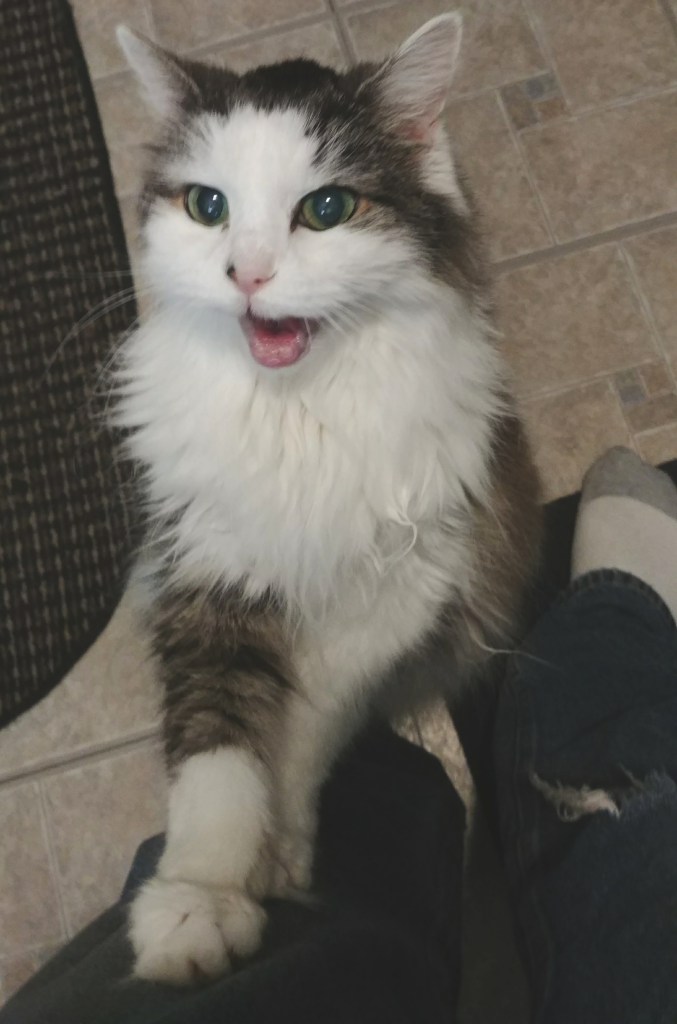 Public conversations about surrender often become cruel very quickly. People call owners lazy, heartless, irresponsible, or selfish without knowing the full story. Some surrenders could have been prevented through better planning. That should be said plainly. Other surrenders happen because a person is escaping abuse, entering a hospital, losing housing, becoming disabled, or facing a financial emergency.
Shame does not create kennel space. It does not pay a veterinary bill, change a landlord’s policy, train a frightened dog, or provide temporary care for a cat. Useful support does. An informed community gives pet parents a place to ask for help before desperation takes over. It teaches people what pet ownership requires, while also recognizing that even dedicated owners can face circumstances beyond their control.
Shelter euthanasia falls when fewer animals enter shelters, lost pets return home quickly, behavior concerns receive early attention, accidental litters are prevented, and families can reach practical assistance before surrender becomes their only visible option.