

A pet losing their sight or hearing can be frightening for the person who loves them. We immediately picture everything they may no longer be able to do. We worry about stairs, furniture, walks, playtime, loneliness, and whether they will still feel secure in their own home.
Those fears are understandable, but they often reflect a human view of sensory loss. Dogs and cats experience the world through several senses at once. Smell, touch, vibration, memory, whisker feedback, air movement, and daily routines all help them understand where they are and what is happening around them.
A blind or deaf pet is still the same pet. Their personality has not disappeared. Their need for affection has not changed. They may simply need us to communicate differently and make their surroundings easier to understand.
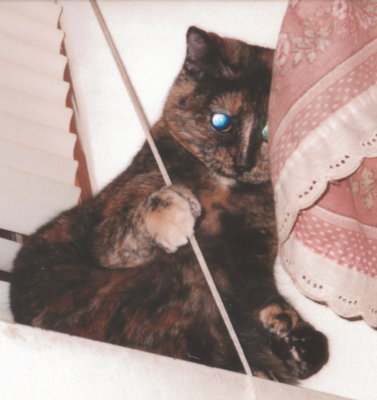
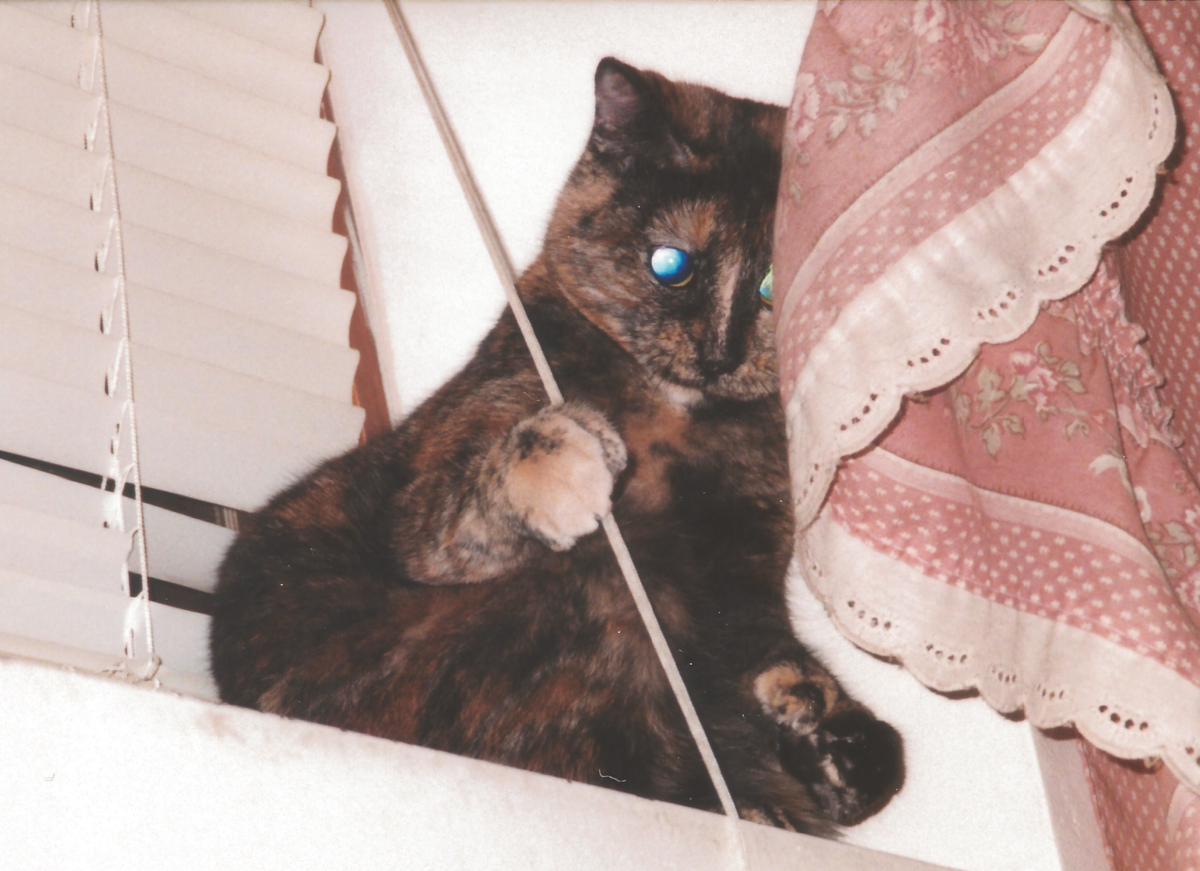
We learned this through caring for Cybil, one of the many cats who shared our home over the years. Her blindness did not erase her ability to enjoy comfort, companionship, familiar smells, and the security of knowing where everything belonged. She did not need pity. She needed consistency.
Start With a Veterinary Examination
Any sudden change in vision or hearing deserves prompt veterinary attention. Do not assume that it is simply part of getting older. Sudden blindness can be connected to several medical problems, including high blood pressure, retinal disease, glaucoma, inflammation, trauma, or bleeding inside the eye. Cornell University’s Feline Health Center warns that sudden blindness in cats can have several causes and should be treated as a medical concern rather than a normal aging change.
This matters greatly for senior cats. High blood pressure can damage the retinas and may be related to kidney disease or hyperthyroidism, two conditions we have dealt with many times in our own cats. Early treatment may protect remaining vision or address pain and other health risks.
Hearing loss can also have treatable causes. Ear infections, inflammation, wax buildup, injuries, growths, and medication reactions may reduce hearing. A veterinarian can inspect the ear canals, check for discomfort, and determine whether the loss appears temporary, progressive, or permanent.
Watch for squinting, eye redness, cloudy eyes, enlarged pupils, discharge, head shaking, ear odor, stumbling, circling, sudden fearfulness, or a pet who no longer responds as expected. A pet who suddenly begins bumping into walls or startling easily is telling you that something has changed.
Keep the Floor Plan Predictable
 Blind pets often create a mental map of their surroundings. They remember the number of steps between the bed and the water bowl. They learn where the couch ends, where the hallway begins, and which doorway leads to the litter box or yard. Constant furniture rearranging can erase parts of that map.
Keep major furniture in stable positions whenever possible. Avoid leaving laundry baskets, boxes, shoes, vacuum cleaners, or bags in walkways. Chairs should be pushed back into place instead of being left at random angles. Cabinet doors and drawers should remain closed.
This does not mean your home must remain frozen forever. Changes can still be made, but they should be introduced slowly. Walk your pet through the altered area using a leash, treats, your voice, or gentle touch. Give them time to investigate before expecting them to move through the space confidently. Blind cats can often move surprisingly well in familiar surroundings as long as furniture and other objects are not frequently moved.
Protect Stairs, Balconies, Pools, and Drop-Offs
Falls are one of the most preventable dangers for a blind pet. Install sturdy gates near staircases, especially during the early adjustment period. Choose gates that cannot be pushed over or squeezed through. A gate with vertical bars is usually safer than one that invites climbing.
Balconies and elevated decks need secure barriers with no gaps large enough for a pet to slip through. Open windows should have firmly attached screens. Pools, ponds, steep embankments, and similar hazards should never be accessible without direct supervision. The American College of Veterinary Ophthalmologists recommends gates around stairs and other dangerous areas and warns against leaving blind pets unattended near bodies of water or steep drops.
Sharp furniture corners can be covered with padded guards. Fireplace tools, floor lamps, and unstable decorations should be moved out of regular walking routes. Some blind dogs benefit from a lightweight halo device that helps keep their face from striking walls or furniture, although it should be introduced gradually and used under supervision.
Build a Reliable Home Base
Every sensory-impaired pet should have a dependable place that always feels familiar. This home base might include their bed, water, favorite blanket, toys, and a piece of clothing carrying your scent. For a cat, it may also include a nearby litter box and scratching surface. For a dog, it may be a quiet corner, an open crate, or a padded bed near the family.
Keep this space peaceful. Do not allow children, visitors, or other animals to corner the pet there. It should be a place where they can rest without being touched unexpectedly. The location should remain consistent. A disoriented pet can learn to return to this safe point and use it as a starting place for finding other parts of the home. Veterinary eye specialists commonly recommend such a home base for blind animals. Comfort matters more than appearance. A worn blanket that smells familiar may provide more security than an expensive new bed.
Use Texture as a Road Map
Different floor textures can act like signs for a blind pet. Place a washable runner leading toward the back door. Use a textured mat under food and water bowls. Put another type of mat near the litter box, sleeping area, or stairs. Over time, the pet learns what each surface means. A rug may signal that the water bowl is one step ahead. A rubber mat can mark the doorway to the yard. A carpet runner can identify the safest route through a slippery room.
Make sure rugs have nonslip backing. Loose mats that slide or curl at the edges create a new hazard. Senior pets may already have arthritis, muscle weakness, or poor balance, so stable footing benefits far more than their sensory awareness. For pets with both limited vision and reduced hearing, texture becomes even more valuable. Their paws can provide information that their eyes and ears no longer supply.
Keep Food, Water, and Toileting Areas Consistent
 Food bowls, water bowls, litter boxes, and bathroom routes should not move without a good reason. A blind cat should not have to search an entire floor for a relocated litter box. A deaf dog should not discover that the usual exit has been blocked by newly placed furniture. Consistency reduces anxiety and prevents accidents.
Use wide, stable bowls that cannot be tipped easily. A pet water fountain may help a partially blind pet locate water by sound, although a fully deaf pet will depend more on smell, memory, and floor texture.
Cats should have easy access to litter boxes with low entry points, particularly if they are senior or arthritic. In a large or multilevel home, provide more than one box. Do not expect a newly blind cat to cross a complicated floor plan or descend a staircase every time they need to eliminate. Cleanliness matters too. Strong familiar smells help pets identify key areas, but dirty bowls and litter boxes can cause avoidance.
Communicating With a Deaf Pet
A deaf pet cannot hear praise, warnings, their name, or the sound of someone approaching from behind. Communication must become visual, physical, or vibration-based. Dogs can learn hand signals for sit, stay, come, down, meal time, and other daily activities. The exact gesture matters less than using the same gesture every time. Pair the signal with a treat or another reward so the pet learns what it means.
Deaf cats can also learn visual cues through reward-based training. Veterinary behavior guidance notes that deaf cats can learn much like hearing cats, but their cues must reach them through sight, touch, or smell.
A porch light can be flashed to call a deaf dog indoors after dark. A gentle foot stomp may create enough floor vibration to get a nearby pet’s attention. A flashlight can serve as a recall cue indoors, but never shine it directly into the pet’s eyes.
Vibration collars are sometimes used as attention signals. They should never be confused with shock collars. The vibration should mean, “Look at me,” followed by something pleasant such as praise, a treat, or a familiar hand signal.
Communicating With a Blind Pet
Your voice becomes a guide for a blind pet. Speak before touching them, especially while they are sleeping. Use calm cue words such as “step,” “stop,” “careful,” “left,” or “right.” Keep each word connected to one action. You can say “up” before stepping onto a curb and “down” before stepping off. A word such as “easy” can warn that the ground is uneven. Practice these cues in safe areas and reward the correct response.
Blind pets may react defensively if grabbed without warning. This is not bad behavior. They may simply be frightened. Tell visitors and children to speak first, allow the pet to smell them, and avoid reaching suddenly over the pet’s head.
Dogs who are both blind and deaf can learn touch signals. A gentle tap on one part of the body can represent one request, while a different touch can mean something else. Consistency and repetition are the foundation of this type of communication.
Prevent Startling a Sleeping Pet
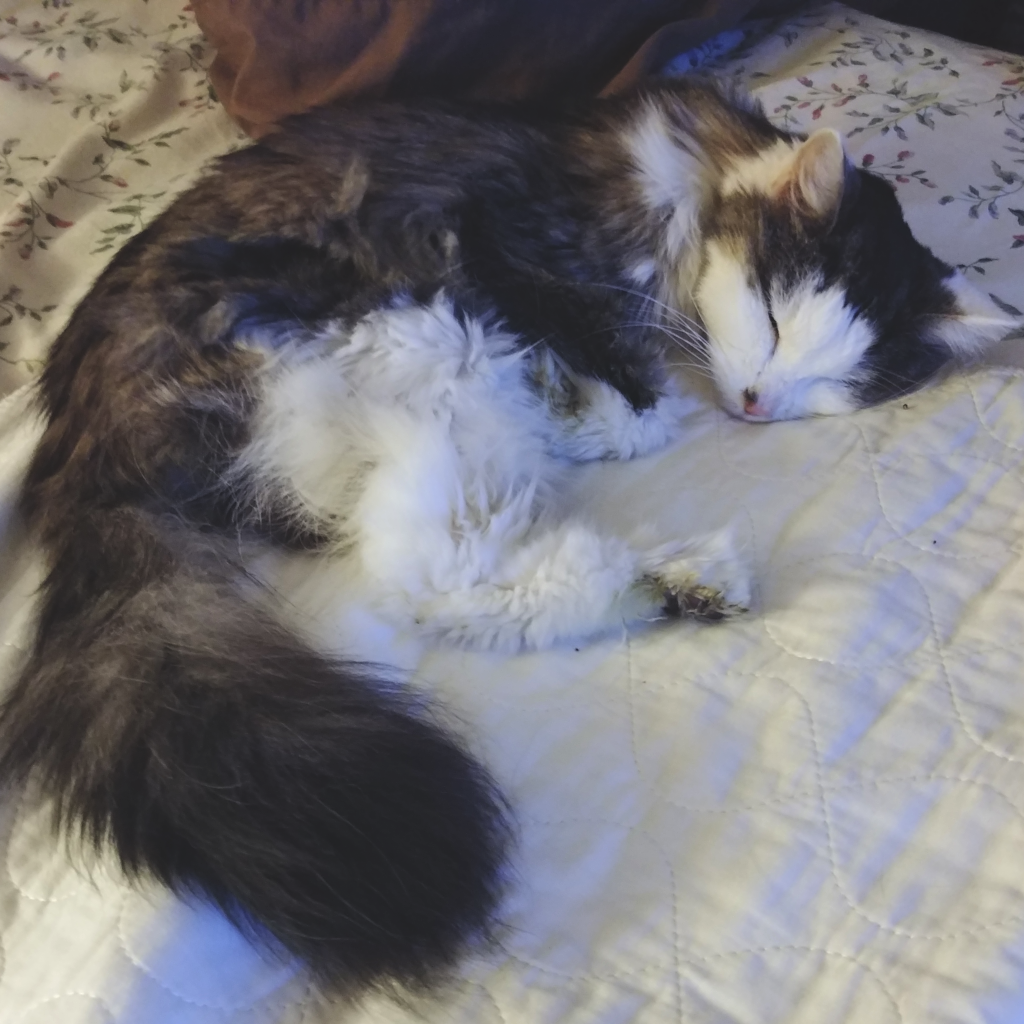 A deaf pet may sleep more deeply because household sounds no longer wake them. A blind pet may become frightened when touched by someone they did not know was nearby.
Approach sleeping pets gently. Create a vibration by stepping nearby, lightly touching the bed, or placing your hand close enough for them to smell you. Once they begin waking, speak or touch them softly in a familiar place, such as the shoulder.
Avoid grabbing paws, tails, faces, or hindquarters. Even a normally gentle animal may snap or scratch when startled from deep sleep. Children need clear rules. They should never climb onto, hug tightly, or surprise a sleeping pet. This protects both the child and the animal.
Make Outdoor Time Safer
Blind and deaf pets should not roam freely outdoors. A deaf dog cannot hear an approaching vehicle, another animal, or a recall command. A blind dog may walk into traffic, water, fencing, brush, or an unexpected drop. A sensory-impaired cat faces the same dangers, often with less ability to escape quickly.
Use a secure fenced area, leash, harness, enclosed patio, or catio. Check fences for gaps and weak spots. Identification tags and a registered microchip remain valuable even for pets who normally stay indoors. A tag that says “I am deaf” or “I am blind” can help a stranger understand the pet’s behavior if they become lost. Keep your current phone number on the tag and in the microchip registry.
Walks can still be rich and enjoyable. Let a blind dog stop and smell. Choose familiar routes with even ground. A deaf dog may enjoy watching people, reading body language, and exploring scents. Sensory loss should change the safety plan, not end the activity.
Preserve Play, Choice, and Independence
It is easy to become overprotective. We love them, so we want to prevent every bump, surprise, and mistake. Too much protection, however, can leave a capable pet afraid to move without help. Allow safe exploration. Encourage them to find their bed, locate a toy, or follow a familiar route. Stay nearby without carrying or guiding them every second.
Blind pets may enjoy toys that rattle, crinkle, squeak, or carry a strong scent. Deaf pets may prefer toys with visible movement, interesting textures, food rewards, or gentle vibration. Puzzle feeders can work well as long as they are not frustrating or physically difficult.
Continue the activities your pet still enjoys. Veterinary eye specialists specifically encourage keeping blind pets involved in safe forms of play, walks, swimming with close support, and social activity.
Loss of sight or hearing does not automatically mean poor quality of life. Many pets adjust remarkably well once their surroundings become predictable. In one veterinary discussion of sudden blindness in dogs, more than 75 percent of owners rated their dog’s quality of life as excellent after the adjustment period.
Watch for Pain, Anxiety, and Cognitive Changes
 Not every behavior change is caused by blindness or deafness. A senior pet may also have arthritis, dental pain, kidney disease, thyroid disease, high blood pressure, or cognitive decline. A dog who hesitates at the stairs may be unable to see the first step, but painful hips may also be part of the problem. A cat who cries at night may be disoriented, uncomfortable, hungry, or dealing with changes in brain function.
Report persistent pacing, panting, hiding, vocalizing, irritability, sleep disruption, house soiling, appetite changes, or withdrawal to your veterinarian. Eye pain may show up as squinting, rubbing the face, redness, tearing, or reluctance to be touched around the head.
Keep a simple written record of behavioral changes, medications, appetite, bathroom habits, and episodes of confusion. Videos recorded at home can also help your veterinarian see behaviors that may not occur during an appointment.
For diabetic pets, sensory changes should be documented alongside glucose readings, insulin doses, food intake, and other symptoms. BellenPaws offers a free online pet diabetes tracker that can produce printable charts and tables for veterinary visits, along with printable blank glucose curve forms for families who prefer recording readings by hand.
Prepare Other People Before They Interact
Visitors need instructions before approaching a blind or deaf pet. Ask guests to avoid reaching immediately toward the animal. A blind pet should hear or smell the person first. A deaf pet should see the person approaching rather than being touched from behind.
Repair workers, pet sitters, groomers, and veterinary staff should be told about the sensory loss. Explain the cues your pet understands and where they prefer to be touched. Leave written instructions for anyone caring for them in your absence.
A card near the main entrance can list the pet’s condition, communication signals, feeding routine, medications, veterinary contact information, and emergency clinic. That small preparation can make an unfamiliar situation far less frightening for a pet who depends on routine.