

Animal rescues hear some version of the same sentence all the time: “I wish I could help, but I just don’t have extra money right now.” That feeling is understandable, especially when household budgets are tight and veterinary care, food, housing, and everyday expenses already demand so much attention. The good news is that money is only one resource a rescue needs, and in many cases it is not the resource they are shortest on during an ordinary week.
After decades of interacting with rescue organizations and caring for animals who needed another chance, we have learned that time, transportation, photographs, social connections, writing skills, cleaning help, and simple reliability can make an enormous difference. A volunteer who consistently gives an hour or two can solve problems that a cash donation alone cannot solve. Supporting rescue work without opening your wallet is not second-rate help. Done thoughtfully, it can become some of the most practical help an organization receives.
Start by Asking What the Rescue Actually Needs
People sometimes arrive ready to help with a specific task only to discover that the rescue already has plenty of volunteers doing that job. Meanwhile, something far less glamorous may be sitting undone. One organization might desperately need people to wash bowls and bedding, while another needs drivers, adoption-event helpers, photographers, or someone willing to enter records into a computer.
A short message to the rescue can save everyone time. Tell them how much time you realistically have, whether you are comfortable around dogs, cats, or both, whether you can drive animals, and whether you have any useful professional or hobby skills. Being specific makes it easier for a volunteer coordinator to match you with a genuine need.
Reliability matters more than grand promises. A person who says, “I can help for two hours on the first Saturday of every month,” may be more useful than someone who volunteers for everything and repeatedly cancels. Rescue work is full of schedules, feeding times, appointments, adoption events, cleaning routines, and animal-care responsibilities, so dependable help is valuable.
Share Adoptable Animals With Purpose
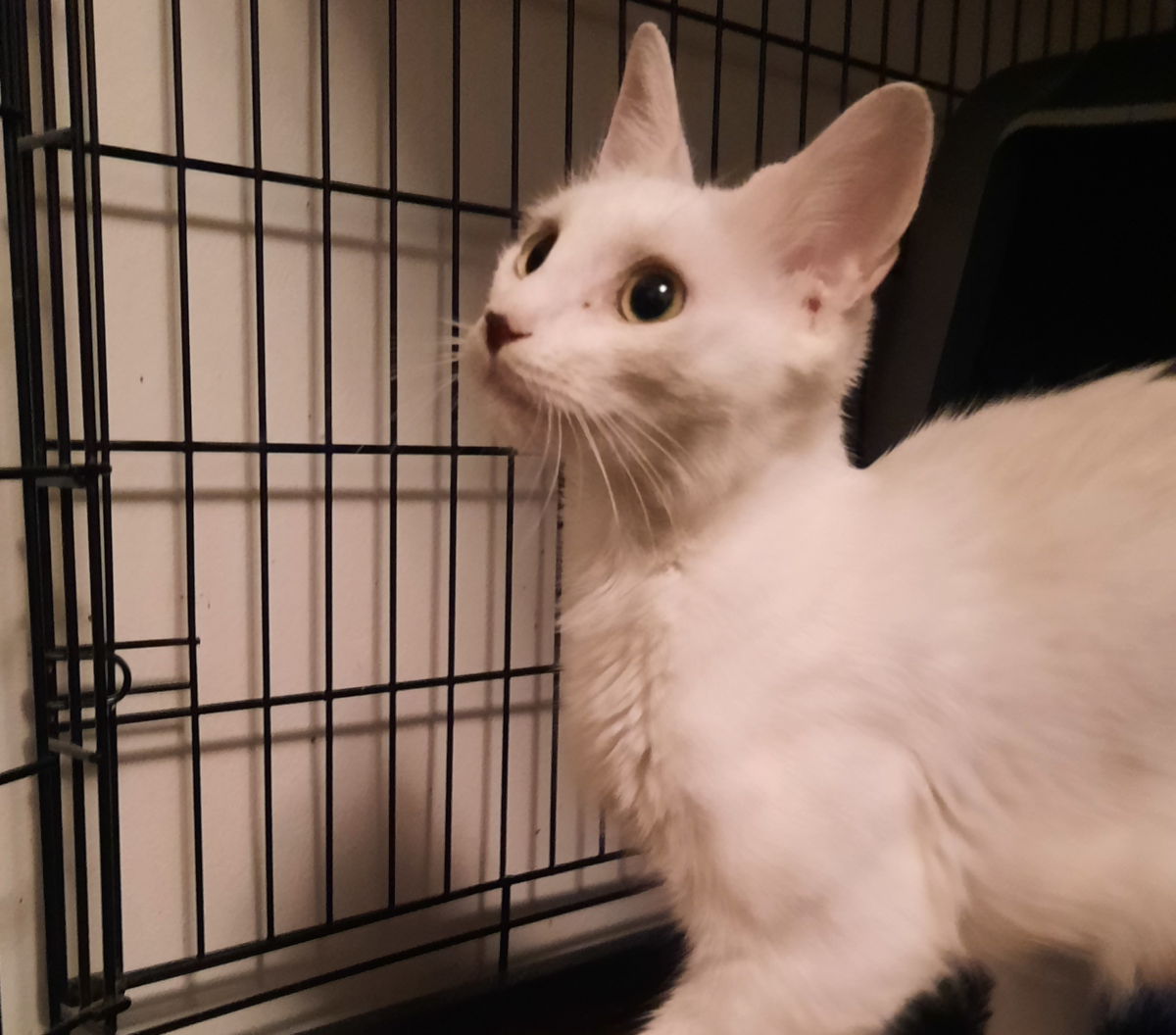 One of the easiest ways to help from home is sharing legitimate adoption posts from local rescues. A single share might reach a coworker, neighbor, cousin, or old friend who happens to be looking for exactly that type of companion. You do not need thousands of followers for sharing to matter because adoption connections often happen through ordinary personal networks.
Try to share the rescue’s original post rather than copying the photographs and information into a completely new post. The original usually contains the most current adoption details, application instructions, location, contact information, and updates if the animal is adopted or placed on hold. Linking people back to the rescue also reduces confusion about who is responsible for the animal.
Adding a few useful words of your own can help, provided you do not invent details about the animal. Something as simple as explaining that the rescue is local or that the animal is currently available can make the post feel more relevant to people who know you. Avoid making promises about temperament, health, compatibility, or behavior unless the rescue itself has provided that information.
Sharing special-needs, senior, shy, bonded, and long-stay animals can be particularly worthwhile. Puppies and kittens often draw attention naturally, while older animals or pets with medical needs can be overlooked in a crowded social feed. Giving those animals a little extra visibility costs nothing.
Use Your Camera or Phone to Help Animals Get Noticed
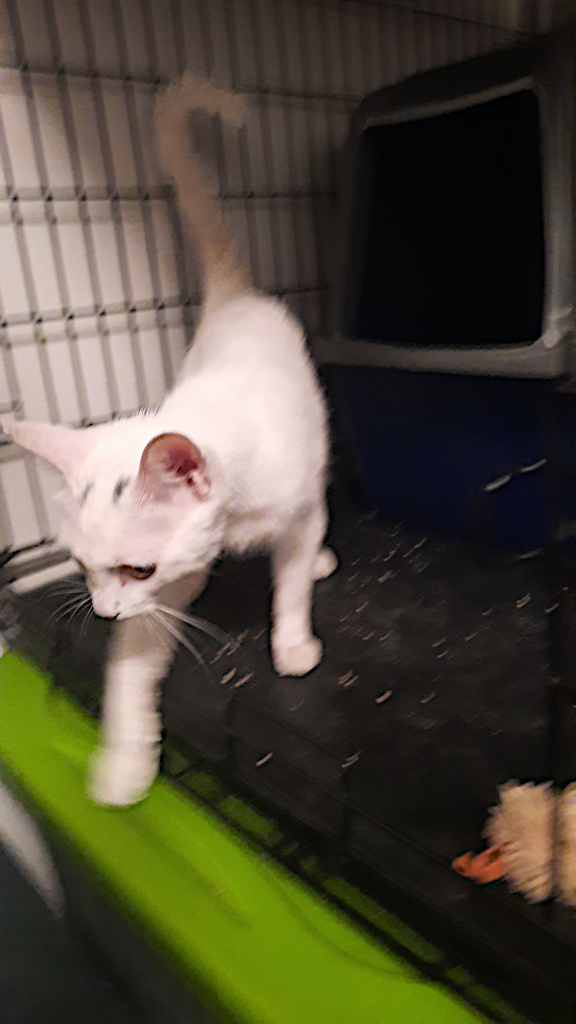
Good photographs can change how an adoptable animal is perceived online. An anxious dog photographed behind kennel bars or a nervous cat photographed in the back of a cage may not show much personality, even though the animal could behave completely differently in a quieter setting.
Some rescues welcome volunteer photographers who can take clear, natural photographs for adoption profiles. You do not necessarily need professional equipment. A modern phone, patience, decent lighting, and an ability to work calmly around animals may be enough for a small organization that currently relies on hurried snapshots taken during feeding and cleaning.
Video can be useful too. A short clip showing a dog walking politely, a cat playing with a toy, or an animal relaxing with a volunteer can give potential adopters information that a still photograph cannot provide. The rescue should decide which photographs or videos can be posted, particularly when animals are involved in legal cases, cruelty investigations, owner surrenders, or other situations where privacy matters.
Anyone photographing animals should also follow staff instructions about handling and safety. A frightened animal does not need to be repositioned repeatedly for the perfect picture. The goal is to represent the animal fairly while keeping the experience calm.
Donate Skills Instead of Money
 Rescue organizations need far more than animal-handling help. Many small rescues are run by a handful of people who suddenly find themselves managing websites, adoption listings, social media, email, event announcements, paperwork, volunteer schedules, databases, fundraising materials, and public questions in addition to caring for animals.
Writers can help create adoption biographies or proofread website pages. Photographers can provide adoption photos. Web developers can fix broken pages, improve forms, or help organize an outdated website. Graphic designers can prepare event materials. People comfortable with spreadsheets can organize records, while experienced social-media users may be able to schedule posts or answer routine questions using information approved by the rescue.
Administrative work can be equally valuable. Entering vaccination records, scanning paperwork, organizing files, sending reminder emails, preparing adoption packets, or updating listings can free experienced rescue workers to spend more time directly caring for animals.
The useful skill might also be something you hardly think of as a skill. A retired teacher may be excellent at explaining adoption policies. Someone who has worked in retail may be perfect at greeting visitors during an adoption event. A person who likes organizing closets might be exactly what a rescue needs when its supply room has become impossible to manage.
Help With the Never-Ending Cleaning
There is a great deal of cleaning involved in animal rescue. Bedding gets dirty, food bowls need washing, litter boxes need attention, floors need cleaning, carriers need sanitizing, and laundry seems capable of reproducing when nobody is watching.
People sometimes hesitate to volunteer because they assume they will be expected to handle animals immediately. Cleaning is often a useful way to begin because it supports animal care without requiring advanced handling experience. The rescue should provide instructions on which products to use and how equipment must be cleaned, especially when infection control is involved.
Following those instructions matters. Some infectious organisms can spread between animals through contaminated surfaces, clothing, bowls, bedding, equipment, or hands. Volunteers should use the rescue’s cleaning procedures rather than bringing in their own favorite household products or improvising dilution ratios.
There is nothing glamorous about folding towels or scrubbing carriers, but somebody has to do it. Taking those jobs off an overworked volunteer’s list can have a direct effect on the amount of time available for feeding, socialization, medical appointments, and adoption work.
Become Part of a Rescue Transportation Network
 Transportation can become a surprisingly large obstacle for rescues. Animals may need rides between shelters and rescue groups, veterinary clinics, foster homes, adoption events, boarding locations, or temporary caregivers.
If you already own a dependable vehicle and are willing to use the fuel you would otherwise be using during normal travel, occasional transport may be something you can provide without making a separate financial donation. Some volunteers also coordinate trips so that several drivers each cover one portion of a longer route.
Transporting an animal requires more than putting a dog in the back seat or allowing a cat to wander around the vehicle. Cats and small animals should generally travel in appropriate secure carriers, and dogs should be safely restrained according to the organization’s procedures. Doors, windows, leashes, harnesses, crates, and transfer points deserve careful attention because an unfamiliar animal may panic or attempt to escape.
Rescues often have specific transportation policies and may require paperwork or volunteer approval before someone can move an animal. Following those procedures protects the animal and the people involved.
Volunteer at Adoption Events
Adoption events involve much more work than people see from the front of the booth. Animals need to be transported, crates need to be arranged, tables need to be set up, information needs to be displayed, visitors need to be greeted, applications need to be explained, and everything eventually has to be packed again.
A volunteer may spend an event talking with visitors, cleaning crates, refilling water, walking approved dogs, keeping supplies organized, or simply making sure another volunteer can take a short break. Those small tasks keep an event functioning smoothly.
The most helpful volunteers also respect the rescue’s adoption process. It can be tempting to pressure someone into adopting an animal that seems like a perfect match, but responsible placement involves more than enthusiasm. The rescue needs to evaluate applications according to its own policies and what it knows about the individual animal.
Events are also a chance to tell people that supporting rescue does not always mean adopting. Someone who cannot take another animal home may still become a volunteer, share adoption posts, help with transportation, or tell friends about the organization.
Consider Foster Care Only With Clear Expectations
 Pet fostering can save kennel space and give a dog or cat a quieter place to stay while awaiting adoption. It can also give the rescue useful information about how an animal behaves in a home environment.
Fostering is not always completely free for the person providing the home, so anyone trying to help without spending money should ask detailed questions first. Some organizations provide food, medication, veterinary care, crates, litter, bedding, and other approved supplies. Others expect foster families to provide certain everyday items themselves.
Ask what the rescue covers before accepting an animal. Find out who authorizes veterinary care, where the animal must be taken if medical attention is needed, what supplies are provided, how long the placement may last, and what happens if the animal does not fit safely into the household.
A short-term placement may also be an option. Some organizations need temporary homes for a weekend, during a medical recovery period, while another foster family is traveling, or until transportation becomes available. Even occasional pet fostering can relieve pressure if the arrangement fits both the household and the rescue.
Help Lost Pets Get Home Before They Enter Rescue
Keeping a lost animal from entering the shelter or rescue system in the first place can help preserve limited space. Community members can assist by sharing verified lost-pet posts, checking neighborhood groups, looking through shelter listings, and helping owners connect with local animal-control agencies and shelters.
If you find a loose animal, follow local procedures rather than automatically assuming the pet was abandoned. Many lost dogs and cats have families searching for them. A veterinary clinic, shelter, animal-control agency, or other appropriate facility may be able to scan the animal for a microchip.
Online posts should avoid revealing every identifying detail when there is a reason to verify ownership. Local shelters and rescue groups often have established advice for handling found animals, so checking their guidance can prevent well-intentioned mistakes.
This type of community help does not produce a donation receipt or an adoption photograph, but returning one animal home may free shelter space and staff time for another animal who truly has nowhere else to go.
Give Rescues Something They Rarely Have Enough Of: Reach
 Community connections can open doors that rescue workers simply do not have time to pursue. A volunteer might know a local business willing to host an adoption event, a veterinarian interested in collaborating with a rescue, a community organization looking for a service project, or a workplace that allows rescue information on its bulletin board.
Making an introduction costs nothing. The rescue should decide whether it wants to pursue the opportunity, but connecting people who might otherwise never meet can be surprisingly useful.
You can also talk about the rescue during ordinary conversations. Someone at work may be thinking about adopting. A neighbor may have recently lost a pet and want to volunteer. A friend may have boxes of unused pet supplies they were planning to discard. You do not have to turn every conversation into a rescue campaign, but remembering the organization when an appropriate opportunity appears can expand its local support.
Be the Volunteer Who Keeps Showing Up
Rescue work contains plenty of emotional moments, but much of it is ordinary repetition. Bowls still need washing next week. Adoption listings still need updating. The cat room will need cleaning again. Another dog will need transportation. Another stack of laundry will appear as if nobody touched the last one.
That repetitive work is exactly where steady volunteers become so valuable. You do not have to save every animal, attend every event, or spend money you cannot afford. You can choose one useful thing that fits your life and do it consistently.
Over the years, we have seen how much animal care depends on ordinary people quietly doing the next necessary job. Sometimes that means providing a home. Sometimes it means driving across town, taking a decent photograph, washing a carrier, updating a webpage, sharing an adoption post, or giving two dependable hours on a Saturday morning.
For a local rescue trying to stretch limited people and resources across a long list of animals who need care, those hours are not small contributions. They are part of how the work gets done.