

Managing feline diabetes with insulin becomes much easier once the injections, testing, feeding, and record keeping settle into a routine. The difficult moments are often the ones that interrupt that routine, especially when a pre-shot blood glucose reading is unexpectedly low, a cat refuses breakfast, or the numbers suddenly start behaving differently from the pattern seen during the previous week.
Those are the moments when tight regulation requires judgment rather than simply following the clock. The goal is not to force a cat’s blood glucose as low as possible. The goal is to control diabetes while avoiding hypoglycemia, watching the cat as closely as the glucose meter, and recognizing when the established insulin plan may need veterinary review. Current feline diabetes guidance places strong emphasis on monitoring the individual cat, clinical signs, weight, appetite, glucose trends, and the response to insulin rather than reacting to an isolated high or low reading.
What Tight Regulation Really Means
The phrase “tight regulation” can sound more aggressive than it should. In practice, responsible tight regulation involves gathering enough information to understand how insulin is affecting a particular cat, then working with the veterinarian to keep glucose in an appropriate range without causing dangerous lows.
That information may come from home blood glucose testing, glucose curves, continuous glucose monitoring, appetite and weight records, water consumption, urine output, activity, and observations about how the cat behaves throughout the insulin cycle. The 2026 American Animal Hospital Association guidelines emphasize that glucose monitoring can identify hypoglycemia before obvious symptoms develop and can help determine whether insulin needs to be increased, decreased, or otherwise reconsidered.
For cats using commonly prescribed insulin such as glargine U-100 or protamine zinc insulin, AAHA currently describes an ideal glucose nadir during a glucose curve of roughly 80 to 150 mg/dL. The same guidance advises avoiding prolonged periods below 60 mg/dL and considering a dose reduction when hypoglycemia or signs of hypoglycemia occur. Those numbers are useful for understanding the principles of regulation, but they are not a universal set of home dosing instructions for every cat.
A cat’s insulin type, meter, feeding routine, stage of treatment, previous glucose patterns, concurrent diseases, and individual response all matter. That is why a veterinarian-approved plan for low pre-shot readings is far more useful than trying to find a single internet number that supposedly applies to every diabetic cat.
The Pre-Shot Test Is a Safety Check, Not Just Another Number
 For owners who test glucose at home, the reading immediately before an insulin injection can provide valuable information. It tells us where the cat is starting the next insulin cycle, but it does not tell us by itself what the glucose will do several hours later.
Insulin may continue lowering blood glucose for hours after it is given. The lowest point of the cycle, commonly called the nadir, may occur long after the pre-shot test. Different insulin preparations also have different time-action patterns, which is one reason a pre-shot value that was safe in one cat cannot automatically be treated the same way in another.
This is where experience with a particular cat becomes so useful. A reading of 160 mg/dL might be entirely different from that same number in a cat whose glucose is falling rapidly from 300 mg/dL, compared with a cat whose glucose has been slowly rising from 90 mg/dL. A single snapshot cannot show direction.
Home monitoring can reveal those patterns in ways that an occasional clinic measurement cannot. Cats may also experience stress-related hyperglycemia during veterinary visits, which can make glucose appear higher than it would be under normal conditions at home. Cornell and current AAHA guidance both recognize home monitoring and continuous glucose data as valuable tools for understanding diabetic control.
When a Routine Insulin Shot Deserves a Second Look
There are several situations in which giving the usual insulin dose automatically may not be appropriate. The exact response should already be discussed with the veterinarian whenever possible, because the safest choice can differ among cats and insulin preparations.
Situations that should make an owner pause include:
- A pre-shot glucose reading that is substantially lower than the cat’s usual pre-shot range.
- Glucose that appears to still be falling as the scheduled injection time approaches.
- Reduced appetite, refusal to eat, vomiting, or another significant change in the cat’s general condition.
- Weakness, unusual sleepiness, abnormal walking, tremors, disorientation, seizures, or other signs that could indicate hypoglycemia.
- Repeatedly lower glucose readings over several cycles, particularly in a cat whose insulin requirement may be decreasing.
- A major change in diet, food intake, illness, medication, or another factor known to affect glucose control.
AAHA’s 2026 guidance specifically states that if a cat receiving insulin stops eating or drinking, reducing or skipping insulin may be necessary to avoid hypoglycemia while the owner contacts the veterinarian. Cats with persistent poor appetite or illness need veterinary assessment, especially because prolonged insulin deficiency can also become dangerous.
That last point matters. Insulin cannot simply be withheld indefinitely because glucose appears lower than usual. A diabetic cat that receives too little insulin can develop worsening hyperglycemia and ketosis, while too much insulin can produce hypoglycemia. Safe management means balancing both risks rather than treating one number in isolation.
Postponing a Shot Can Be Part of a Veterinary Safety Plan
 Many experienced owners eventually encounter a pre-shot reading that makes them uncomfortable giving the normal dose immediately. A veterinarian may create an individualized plan that tells the owner when to delay the injection, when to recheck glucose, when a reduced dose may be appropriate, and when the dose should be skipped.
The value of postponing briefly is that another glucose measurement can sometimes reveal whether the glucose is rising, remaining stable, or continuing downward. That additional information may make the situation much clearer. How long to wait, whether feeding should occur during that period, and what reading is considered safe enough for insulin should be established with the veterinarian rather than improvised from a generalized dosing chart.
There is no single universally accepted “no-shot number” appropriate for every diabetic cat. Meter calibration also matters. Current AAHA guidance recommends veterinary-calibrated glucose meters when possible because human meters can report different values in cats, and continuous glucose monitors may also need confirmation when unexpectedly low readings occur.
Owners who practice close regulation are therefore well served by asking their veterinarian for written instructions covering low pre-shot situations before one happens. That turns an anxious early-morning glucose reading into a decision guided by an established plan.
Appetite Changes Can Change the Risk of Hypoglycemia
Food and insulin are closely connected, even though the relationship is not identical for every insulin formulation. A cat that normally eats well before an injection but suddenly refuses food has changed one of the variables on which the usual routine was based.
AAHA specifically recommends reassessing insulin when an insulin-treated cat goes off food or water because administering the normal insulin dose during significant loss of appetite may increase the risk of hypoglycemia. Persistent inappetence, vomiting, or general illness also raises concern about other conditions, including pancreatitis, gastrointestinal disease, infection, and ketosis.
We have learned over many years of caring for chronically ill animals that appetite deserves to be treated as real medical information. “He ate less today” may sound less scientific than a glucose reading, but when it appears beside the glucose values, insulin dose, behavior, water intake, and weight, it can help explain why the numbers suddenly changed.
Recognizing Hypoglycemia Before It Becomes Severe
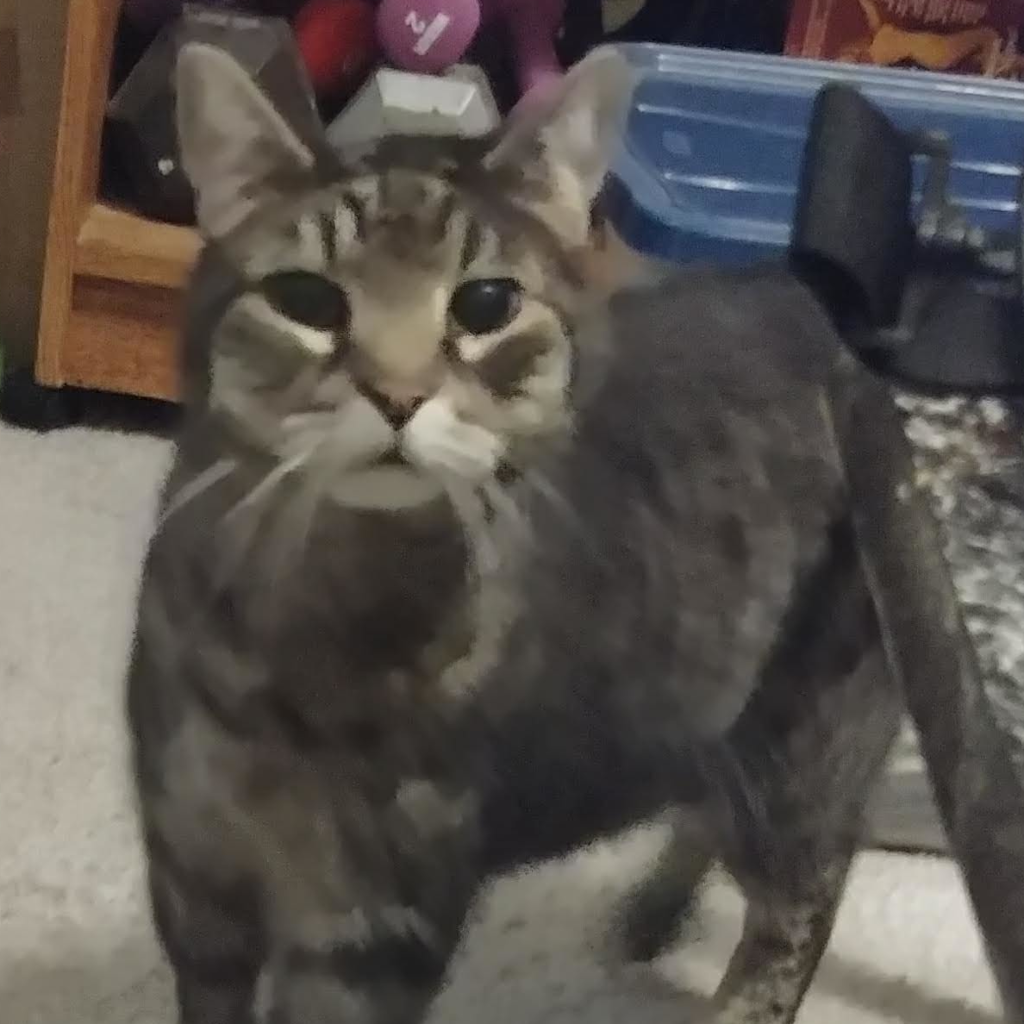 Hypoglycemia is the complication diabetic cat owners need to be prepared to recognize quickly. Signs can include unusual sleepiness, weakness, strange behavior, an abnormal gait, tremors, poor coordination, vomiting, seizures, collapse, or loss of responsiveness.
A conscious cat showing mild signs may be willing to eat. With more serious symptoms, current AAHA guidance recommends applying a high-sugar corn syrup such as Karo to the gums or inside the cheek without placing fingers into the cat’s mouth, then seeking veterinary care. Food or liquid should never be forced into the mouth of a cat that is convulsing or unable to swallow normally because of the risk of aspiration.
Once hypoglycemia has occurred, the usual insulin plan needs veterinary review. Current guidelines specifically advise owners to seek veterinary assistance and recognize that the following insulin dose may need to be reduced or skipped depending on the circumstances. They also warn against increasing insulin dose or frequency without clear veterinary instructions.
Falling Insulin Requirements Can Be Good News, but They Still Require Attention
One of the more encouraging possibilities in feline diabetes is remission. Some cats regain enough pancreatic function that their insulin requirement decreases significantly or insulin is eventually no longer required. Remission is not guaranteed, but it is a recognized treatment outcome in cats.
A cat moving toward remission may begin producing glucose readings that are lower than expected on a dose that previously worked well. Repeatedly lower pre-shot values, lower nadirs, or evidence of hypoglycemia can therefore signal that insulin requirements have changed.
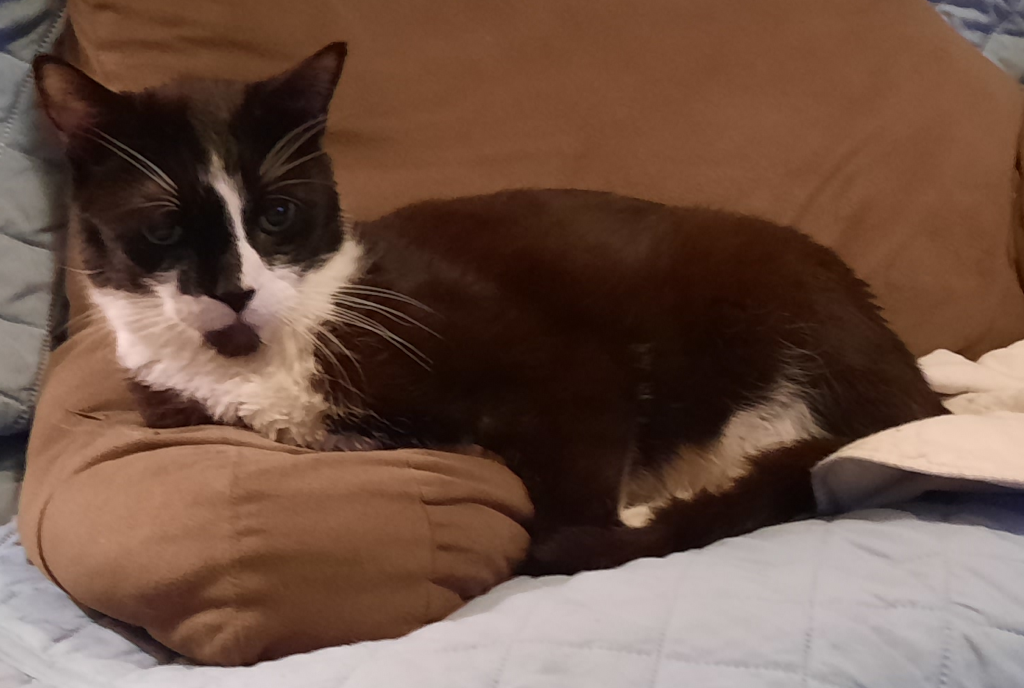
This is something we have experienced firsthand at BellenPaws. Zippy was managed using tight regulation and eventually achieved diabetic remission, while Bentley continues to be managed with tight regulation and twice-daily insulin. Those two cats are a good reminder that feline diabetes does not follow one fixed path, even when owners are equally committed to careful monitoring.
The response to lower readings should still be measured rather than celebratory guesswork. Remission needs to be recognized through appropriate monitoring and veterinary assessment because giving a previously suitable insulin dose after the cat’s requirements have fallen can create hypoglycemia.
High Numbers Do Not Automatically Mean More Insulin
 Low readings naturally receive attention, but persistent high readings can also tempt owners into making rapid dose changes. That can be dangerous because high glucose does not always mean the insulin dose is too small.
Insulin may be administered incorrectly, stored improperly, or have an insufficient duration of action. Dental disease, infection, pancreatitis, inflammatory bowel disease, certain medications, hormonal disorders, and other conditions can contribute to insulin resistance. AAHA therefore recommends investigating possible causes when regulation remains poor rather than repeatedly increasing insulin without enough information.
There is also the possibility of hypoglycemia followed by rebound hyperglycemia, often referred to as the Somogyi phenomenon. In that situation, seeing a very high glucose value and responding with more insulin can make the underlying problem worse. A glucose curve or continuous glucose data can reveal what happened earlier in the cycle and prevent the high number from being misinterpreted.
A Good Record Can Make Dose Decisions Much Safer
Memory becomes surprisingly unreliable when testing glucose twice a day, giving injections, buying insulin, cleaning litter boxes, watching appetite, and trying to remember whether yesterday’s strange reading occurred before or after breakfast. Written records take some of that mental load away.
For each insulin cycle, recording the pre-shot glucose value, insulin administered, feeding information, unusual behavior, appetite, and any additional glucose readings gives the veterinarian something much more useful than a collection of isolated numbers. Weight, water intake, urine output, vomiting, diarrhea, medications, and illnesses can also help explain changes in regulation.
BellenPaws provides an online pet diabetes tracker that gives printable diabetes charts, and there’s also blank glucose curve forms for exactly this kind of record keeping. These tools are meant to help owners organize observations and share meaningful patterns with their veterinarian rather than trying to use individual readings as independent dosing instructions.
Current veterinary guidance supports that broader view of monitoring. Cornell recommends tracking appetite, weight, water intake, urine production, insulin administration, and glucose information, while AAHA repeatedly emphasizes evaluating the cat’s clinical condition along with glucose data.
Build the Low-Glucose Plan Before You Need It
 One of the most useful conversations a diabetic cat owner can have with a veterinarian is not about today’s insulin dose. It is about what to do tomorrow morning if the pre-shot glucose is unexpectedly low.
Ask what glucose level should trigger a phone call, delay, reduced dose, or skipped dose for your cat. Ask how long you should wait before retesting, whether feeding changes the plan, how the procedure differs if the cat is eating poorly, and what to do if the next scheduled injection time arrives after a delayed shot. Those details can vary with the insulin being used, which is why having them written down ahead of time is so helpful.
Tight regulation works best when monitoring gives us enough information to recognize change early. Sometimes the glucose reading says the current plan is working. Sometimes it suggests that insulin requirements may be changing. And sometimes it simply tells us that this is not a good moment to give an injection automatically just because the clock says it is time.
That ability to pause, gather another piece of information, look at the cat as well as the meter, and follow an established veterinary plan is one of the most valuable skills a person caring for a diabetic cat can develop.