
A cat’s claws serve purposes that extend well beyond scratching furniture or protecting itself during a confrontation. They help cats climb, grip surfaces, stretch, and respond to threats. When those claws are surgically removed, the change is permanent, and the consequences may affect how a cat moves, interacts with other animals, and responds to its surroundings.
The psychological effects of declawing deserve particular attention because they can be difficult to separate from physical discomfort. A cat that becomes withdrawn, reacts defensively to handling, or avoids certain situations may be experiencing pain, fear, or a combination of both. Understanding these behaviors requires looking beyond the missing claws and considering how the surgery might affect the animal’s ability to move comfortably and escape threatening situations.
Research has identified associations between declawing, persistent pain, and certain unwanted behaviors. However, scientists have not established that every declawed cat experiences lasting psychological trauma or consciously perceives its missing claws as a loss of protection. That distinction matters when evaluating an individual cat’s behavior and determining what might improve its quality of life.
Declawing Changes More Than a Cat’s Paws
Declawing, medically known as onychectomy, involves amputating the third phalanx, or final bone, of each affected toe. The procedure removes the claw along with the bone from which it grows. It is fundamentally different from trimming nails, which leaves the underlying anatomy intact.
Claws are integrated into several normal feline behaviors. Cats use them to gain traction while climbing, secure objects during play, and maintain their grip on certain surfaces. Scratching also allows them to stretch and leave scent deposits from glands in their paws, contributing to communication within their environment.
The Feline Veterinary Medical Association’s position on declawing strongly opposes the procedure when performed electively. Its position statement identifies acute pain, infection, nerve trauma, lameness, behavioral problems, and chronic neuropathic pain among the potential complications. Neuropathic pain involves abnormal pain signaling associated with injury or dysfunction of the nervous system.
A declawed cat may continue attempting familiar scratching motions because the underlying behavioral motivation remains. The animal can still stretch and rub its paws against surfaces, although its ability to grip those surfaces has changed. Removing the claws does not eliminate the instinctive behaviors associated with using them.
How Losing a Defensive Mechanism May Affect a Cat’s Sense of Safety
 Cats are both predators and potential prey, and their behavior reflects the need to explore their surroundings while remaining able to avoid danger. Hiding, retreating, climbing, and displaying defensive signals are normal responses to perceived threats. Claws contribute to some of these responses, particularly when an animal must climb quickly or defend itself during close physical contact.
Removing the claws eliminates one available defensive mechanism. A declawed cat retains its teeth, mobility, and other protective behaviors, but its physical options are no longer identical to those of a cat with intact claws.
The psychological concern arises when a cat encounters situations where those missing abilities might have been useful. An animal that experiences difficulty escaping, discomfort during confrontation, or repeated unwanted contact could become more fearful or defensive. Such responses are consistent with what is understood about feline fear and learning, although they do not establish that the cat recognizes its missing claws as the source of its vulnerability.
Researchers cannot directly determine whether a declawed cat experiences a persistent subjective feeling of defenselessness. Behavior provides clues about emotional states, but fear, avoidance, and aggression can develop for numerous reasons unrelated to declawing. Previous experiences, temperament, physical health, relationships with other animals, and opportunities to retreat all influence how a cat responds to its surroundings.
The 2021 AAHA/AAFP Feline Life Stage Guidelines emphasize the importance of suitable hiding places, resting areas, and properly distributed household resources. These recommendations are relevant to all cats, including those that have been declawed. An environment where an animal can reliably withdraw from unwanted interaction reduces the need for confrontation.
Defensive Biting, Fear, and the Effects of Pain
Increased biting is frequently discussed as a possible consequence of declawing. A cat that can no longer deliver a clawed swipe still has the ability to bite when frightened, restrained, or physically uncomfortable. However, the idea that declawed cats simply replace scratching with biting has not been established as a universal behavioral response.
Pain is an important consideration because it can directly influence defensive behavior. A cat with sensitive paws may react when someone touches its feet, attempts to pick it up, or handles it in a way that places pressure on an uncomfortable area. Biting in these circumstances may be an immediate response to discomfort rather than evidence of a lasting psychological condition.
Fear can also become associated with repeated unpleasant experiences. If handling consistently causes pain or prevents escape, a cat may begin anticipating discomfort before physical contact occurs. The animal might subsequently avoid approaching hands, resist being picked up, or react defensively when someone reaches toward it.
These responses can be misunderstood as unpredictable aggression. A cat that hisses, stiffens, or withdraws is communicating discomfort or attempting to establish distance, even when the underlying reason is uncertain. Punishment and forced handling can intensify fear by making an already unpleasant interaction more threatening.
Behavioral changes should therefore be evaluated in their full context. The circumstances surrounding a reaction, the cat’s physical condition, and its previous experiences are often more informative than the presence or absence of claws alone.
What Veterinary Research Reveals About Long-Term Declawing Effects
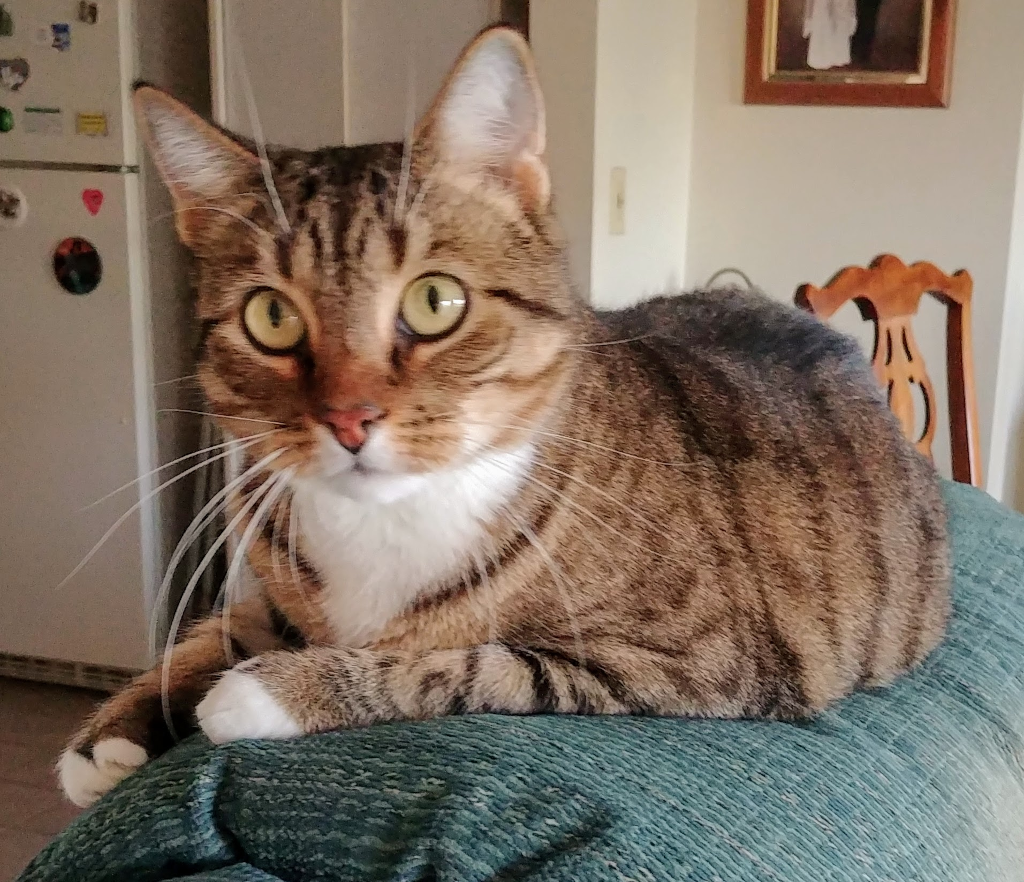 A study published in the Journal of Feline Medicine and Surgery in 2018 examined 274 cats, including 137 declawed cats and 137 cats with intact claws. Researchers evaluated signs of pain and reviewed medical histories for documented behavioral problems.
The study on pain and adverse behavior in declawed cats found higher odds of back pain, biting, excessive grooming, and elimination outside the litter box among declawed animals. Researchers also found retained fragments of the amputated toe bones in 86 of the 137 declawed cats. Within that study population, retained fragments were associated with additional problems, including back pain and certain unwanted behaviors.
These findings raise concerns about complications that may persist long after surgery. However, the research was retrospective, meaning investigators examined existing medical histories and findings rather than randomly assigning cats to undergo a procedure. Such a design can identify associations but cannot establish that declawing directly caused every observed problem.
The frequency of retained bone fragments in this particular group also should not be interpreted as the expected rate among all declawed cats. Surgical techniques, the circumstances in which procedures were performed, and the characteristics of the animals studied may affect outcomes.
Additional evidence emerged in August 2025, when researchers published a study in Scientific Reports examining long-term pain and sensory changes in declawed cats. The investigators analyzed previously collected data involving healthy control cats and cats affected by osteoarthritis, including 39 declawed cats with osteoarthritis and 125 non-declawed cats with the condition.
The declawed group demonstrated greater sensitivity to certain mechanical stimuli and poorer performance on some functional measures. The researchers interpreted these findings as evidence suggesting persistent changes in pain processing and physical function beyond those associated with osteoarthritis alone. Because this was a secondary analysis involving a relatively small declawed group with existing joint disease, the findings cannot establish the prevalence or severity of chronic pain among all declawed cats.
Neither study directly measured psychological defenselessness or demonstrated that declawed cats universally experience emotional trauma. Their strongest contribution is evidence that physical discomfort and behavioral changes deserve serious consideration, even years after the original procedure.
How Chronic Pain Can Influence Emotional Security
Pain and emotional distress can affect many of the same feline behaviors. A cat experiencing discomfort may become less willing to explore, tolerate handling, participate in play, or move between preferred resting areas. These restrictions can also reduce opportunities to avoid interactions the animal finds uncomfortable.
A cat that once relied on an elevated resting area to avoid an energetic household companion may stop using it if climbing or jumping becomes painful. Without another accessible retreat, the animal might begin hiding beneath furniture, avoiding certain rooms, or reacting defensively when approached. This example illustrates a possible interaction between mobility and environmental stress rather than a predictable outcome of declawing.
The relationship becomes especially relevant as cats age. Osteoarthritis, muscle loss, reduced vision, and other medical conditions can interfere with movement, independently of any previous declawing procedure. A declawed senior cat may therefore have several overlapping reasons for changes in mobility or behavior.
The 2022 AAHA Pain Management Guidelines emphasize the value of observing everyday activities when assessing chronic pain in cats. Changes in jumping, climbing stairs, running, and chasing objects can provide meaningful information, particularly when those changes develop gradually.
A cat does not need to limp noticeably to experience significant discomfort. Hesitation before jumping, altered posture, reduced activity, or sensitivity during handling may warrant further evaluation. When these signs occur alongside withdrawal or defensive behavior, physical pain should be investigated before attributing the changes entirely to psychological distress.
Recognizing Possible Emotional Distress in Declawed Cats
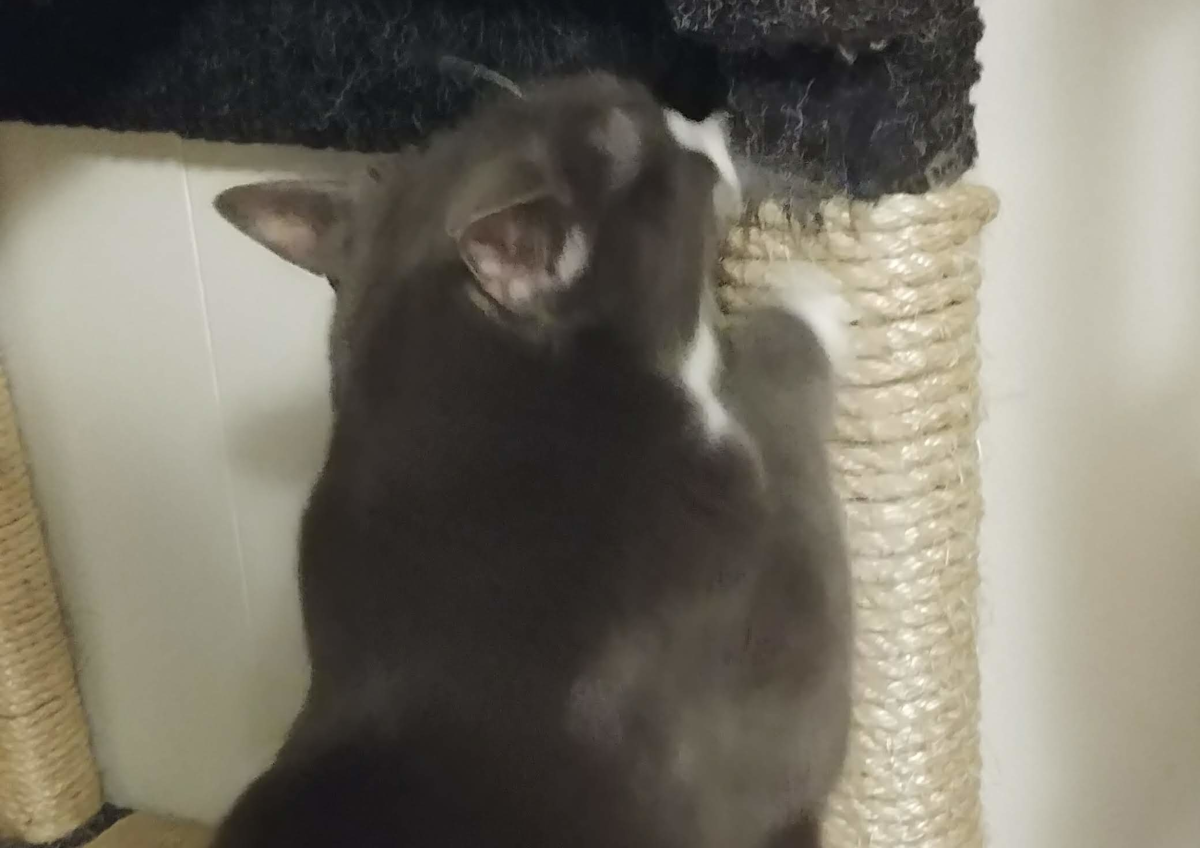 Fear and anxiety do not always appear as aggression. Some cats respond to stressful circumstances by reducing activity, avoiding contact, or spending more time in secluded areas. These changes can be easy to overlook, particularly when an older cat is already less active than it once was.
A cat experiencing distress may become unusually watchful around other animals, hesitate before entering shared spaces, or withdraw when someone approaches. Tense body posture, flattened ears, a lowered tail, and defensive vocalizations can provide additional clues about the animal’s immediate emotional state.
Changes in grooming, appetite, play, and litter box use may accompany distress, although none establishes that psychological trauma is present. Medical problems can produce similar signs, and pain may influence several behaviors simultaneously.
Litter box avoidance deserves particular attention because physical discomfort and environmental conditions can both contribute. A cat with painful paws may find digging in coarse litter uncomfortable, while another may avoid the box because access is restricted by a household companion. Arthritis, urinary tract disorders, constipation, and other medical conditions must also be considered.
A cat repeatedly attempting to urinate while producing little or no urine requires emergency veterinary attention. Urinary obstruction is especially common in male cats and can become life-threatening without prompt treatment. The Cornell Feline Health Center’s guidance on lower urinary tract disease explains why difficulty urinating should never be assumed to be a behavioral problem.
For changes that are not emergencies, a simple record of when behaviors occur can be valuable. Note the location, surrounding activity, other animals present, and whether the cat recently experienced handling or physical exertion. Short videos of movement or interactions may also reveal patterns that are difficult to describe during a veterinary appointment.
Declawed Cats in Multi-Cat Households
Living with other cats can introduce social pressures that are not always apparent to the people sharing the home. One animal may repeatedly occupy a doorway, hallway, or resting area, effectively restricting another cat’s access without engaging in a physical fight.
The 2024 AAFP Intercat Tension Guidelines identify staring, blocking access, avoidance, hiding, and changes in normal activity as possible signs of tension between household cats. These behaviors can affect access to food, litter boxes, resting areas, and other resources.
A declawed cat experiencing pain or reduced mobility may have additional difficulty avoiding an unwanted encounter. However, declawing alone does not establish that a cat is socially vulnerable or unable to live comfortably with other animals. Individual relationships, household arrangements, and the behavior of the other cats remain significant factors.
Subtle patterns often provide the clearest information. One cat may consistently leave a room when another enters, wait until the household is quiet before approaching food, or avoid a litter box located near a frequently occupied doorway. These behaviors can indicate social tension even when the cats occasionally rest near one another.
Providing separate resources in different locations can reduce competition and allow animals to avoid unnecessary encounters. Food and water stations, resting areas, scratching surfaces, and litter boxes should be arranged so one cat cannot easily prevent another from reaching everything it needs.
For an animal with painful paws or limited mobility, the route to a resource matters as much as the resource itself. A comfortable bed offers limited benefit if reaching it requires a difficult jump or passing through a location where the cat is repeatedly confronted. Low platforms, stable steps, and alternative pathways can make movement easier while preserving opportunities to retreat.
Creating an Environment That Supports Confidence
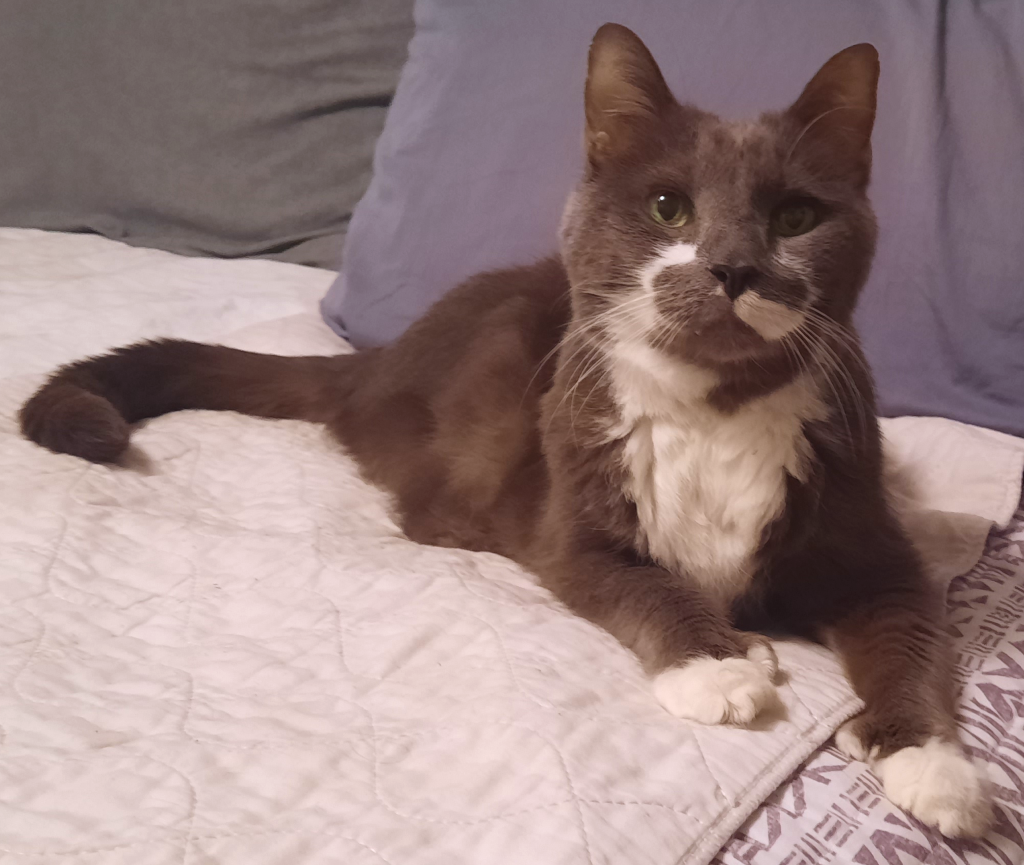 Supporting a declawed cat’s emotional comfort begins with providing choices about movement and social interaction. The animal should have opportunities to approach people voluntarily, rest without interruption, and move away when contact becomes uncomfortable.
Hiding places do not need to be elaborate or expensive. Cardboard boxes with suitable openings, covered beds, and quiet spaces beneath furniture can provide useful retreats. Some cats prefer elevated observation areas, while others are more comfortable in enclosed spaces close to the floor.
The FelineVMA’s 2025 guidance on meeting the physical and emotional needs of indoor cats emphasizes creating environments that support normal behavior, environmental choice, and appropriate opportunities for activity. These recommendations offer a practical foundation for households with declawed cats, although they are not treatments proven to reverse psychological trauma.
Declawed cats may still benefit from scratching posts and pads because the motivation to stretch and perform scratching movements remains. Horizontal cardboard scratchers, stable carpeted surfaces, and other comfortable materials can provide opportunities for these behaviors. If a cat avoids a particular texture or position, offering alternatives is preferable to encouraging repeated contact with an uncomfortable surface.
Play can also be adapted to accommodate physical limitations. Wand toys, gently moving objects, and low-impact activities may encourage stalking and batting without requiring difficult jumps or sudden landings. Sessions should be short enough to avoid obvious discomfort, with the cat allowed to disengage whenever it chooses.
Household routines can help make daily interactions more predictable. Consistent feeding arrangements, calm handling, and allowing the animal to initiate contact reduce avoidable uncertainty. These measures do not restore the removed claws or guarantee behavioral improvement, but they provide conditions that support normal feline behavior and allow an animal greater control over its immediate surroundings.
When a Declawed Cat Needs a Thorough Pain Evaluation
A cat that underwent declawing many years earlier can still develop problems involving its paws, joints, or other parts of the musculoskeletal system. Behavioral or mobility changes should not be dismissed simply because the original surgical wounds healed long ago.
A veterinary assessment may include examining the paws, observing gait and posture, evaluating joint movement, and checking for painful areas. Depending on the findings, radiographs may help investigate retained bone fragments, abnormal bone changes, or other structural conditions. Imaging is only one part of the assessment because pain can exist without an obvious radiographic abnormality.
This evaluation becomes particularly useful when changes in behavior occur alongside hesitation before jumping, sensitivity to paw contact, or altered walking patterns. Recording which activities appear difficult and whether the problems are progressing can help guide the examination.
Treatment depends on the cause of discomfort and the individual cat’s overall health. Chronic kidney disease, concurrent medications, and other medical conditions can affect pain-management choices, especially in senior animals. Environmental adjustments, medication, or additional diagnostic procedures may be appropriate depending on the findings.
If fear or defensive behavior persists after medical concerns have been evaluated and addressed, a veterinarian with behavioral expertise or a qualified feline behavior professional may help identify contributing environmental factors. Some animals may benefit from a coordinated approach that addresses both physical discomfort and learned responses to previous unpleasant experiences.
Understanding a Declawed Cat Without Assuming Its History
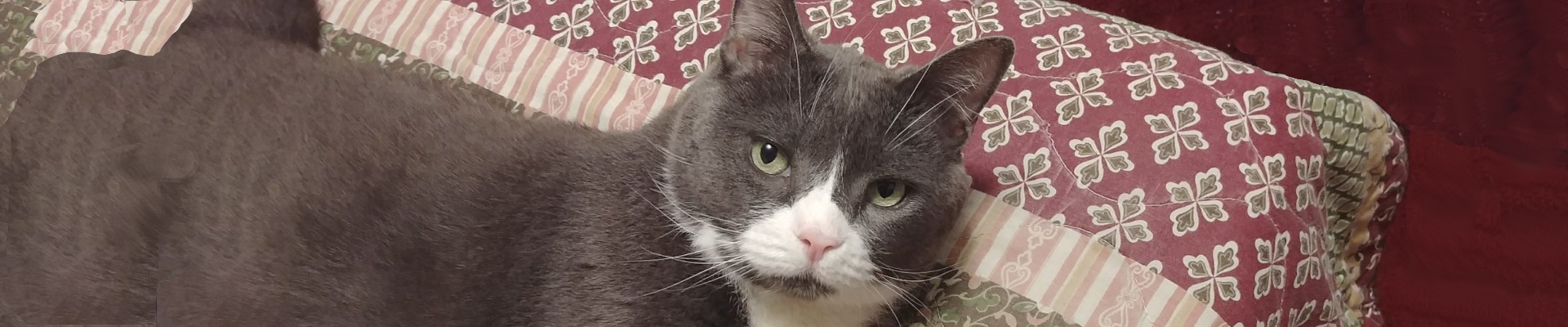
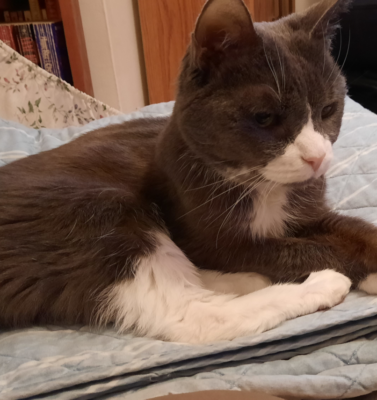
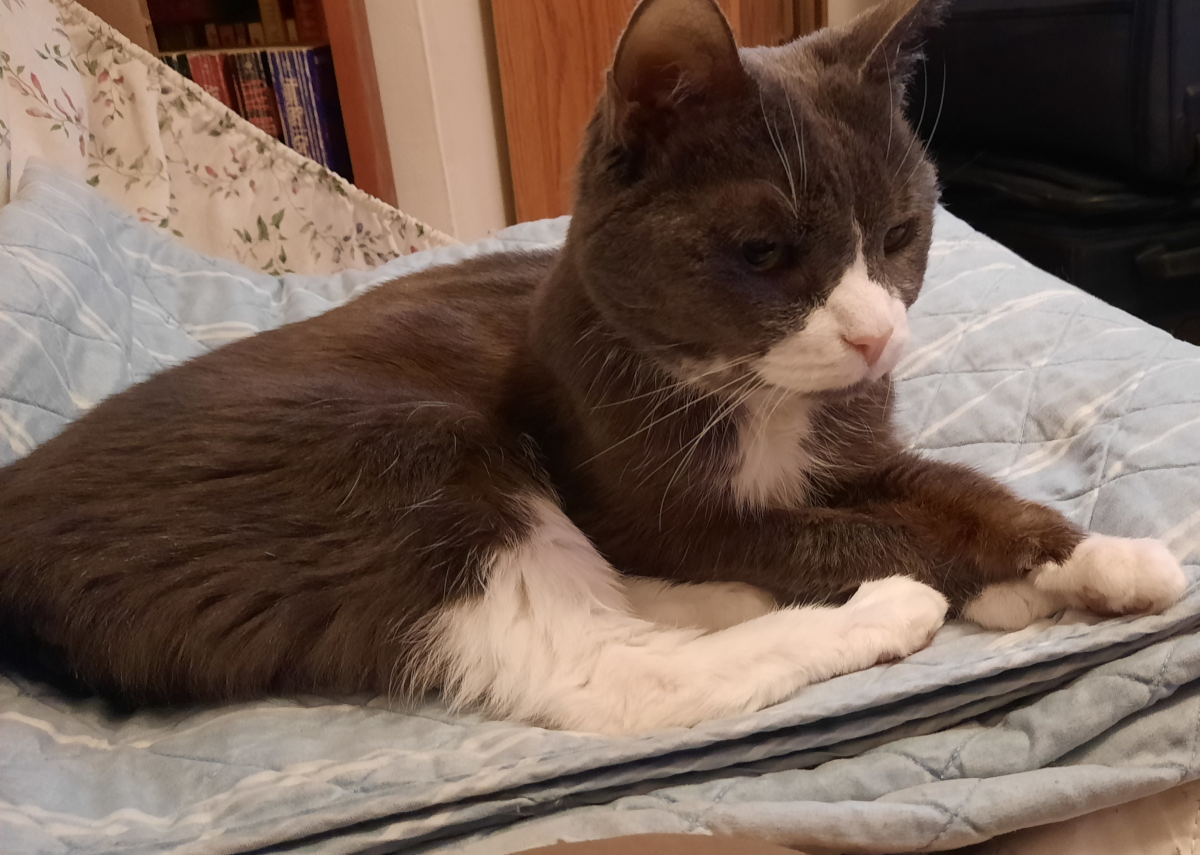
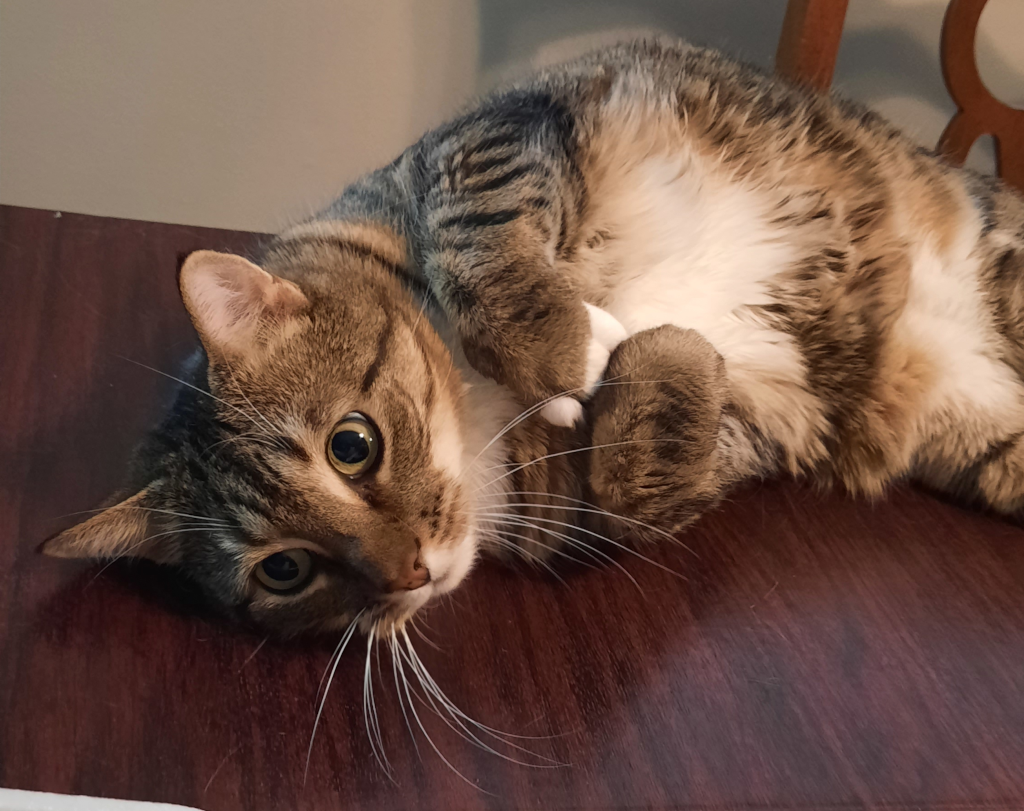
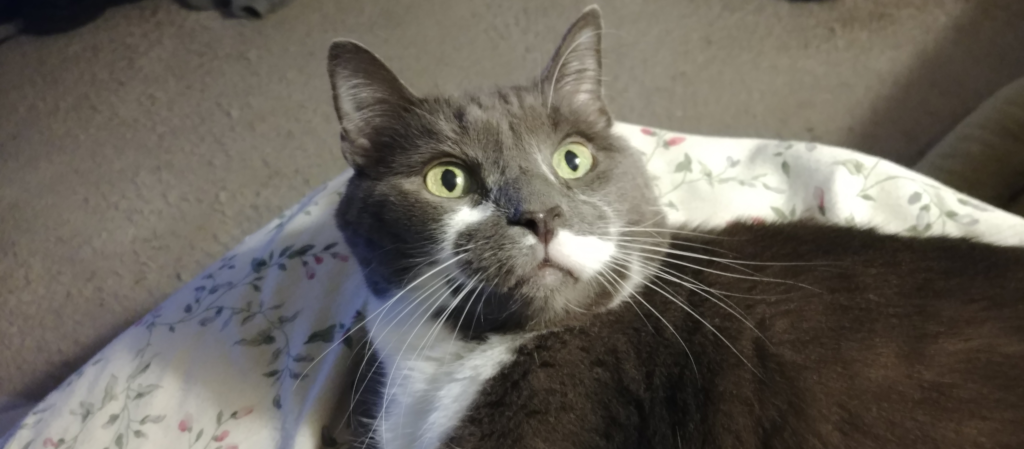 At BellenPaws, both Belle and Paws came into our care already declawed. Their histories make this subject personally relevant, but knowing that an animal underwent the procedure does not reveal exactly how it experienced the surgery or whether particular behaviors developed afterward because of it.
The same uncertainty applies to cats adopted from shelters, rescue organizations, or previous households. Medical records may be incomplete, and caregivers might never know when the procedure occurred, which technique was used, or whether complications developed during recovery.
A declawed cat that appears relaxed, affectionate, and active should not automatically be described as psychologically traumatized. Similarly, an animal that struggles with handling or social interactions should not have those difficulties dismissed as inevitable consequences of declawing. Either assumption can obscure treatable medical conditions or environmental problems.
For someone adopting an already declawed cat, the most useful starting point is the animal’s current behavior and physical comfort. Observing normal patterns of movement, social interaction, play, and litter box use establishes a reference for recognizing changes later. Previous declawing should remain part of the medical history considered during examinations, particularly when mobility or behavioral concerns arise.
Protecting Declawed Cats From Avoidable Threats
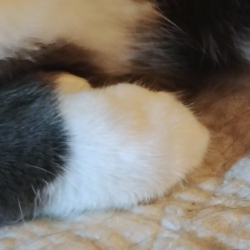 Outdoor safety deserves particular attention because declawed cats no longer possess their full set of natural defensive tools. They may have difficulty gripping certain surfaces during an escape or defending themselves against another animal. The extent of any disadvantage depends on the circumstances, but the loss of claws removes options that an intact cat would otherwise have.
Declawed cats should not be permitted to roam outdoors unsupervised. A secure indoor environment offers protection from many common outdoor hazards, while a properly enclosed outdoor space can provide controlled access to fresh air and environmental stimulation. Climbing structures and resting surfaces within an enclosure should accommodate the animal’s physical abilities.
Safety also involves daily interactions with people and other animals. Children and visitors should respect a cat’s attempts to withdraw, and introductions to unfamiliar animals should proceed gradually. Repeatedly restraining an animal that is trying to escape can increase fear and may provoke defensive biting.
A cat that retreats, stiffens, hisses, or attempts to move away is already communicating discomfort. Allowing the animal to create distance is generally more appropriate than pursuing it or insisting on continued interaction. These responses should be respected even when the cat has never previously displayed aggression.
For a declawed cat with a history of painful handling or defensive behavior, reliable access to safe resting places can become an especially useful part of long-term care. The animal cannot regain its removed claws, but its surroundings can be arranged so that avoiding an unwanted encounter does not require confrontation.
This principle becomes particularly meaningful during ordinary household activities. When visitors arrive, furniture is rearranged, or another pet becomes unusually active, a cat should still have an accessible route to a familiar retreat. Providing that option gives the animal a practical way to respond to discomfort before an interaction escalates, supporting emotional security without assuming that every declawed cat experiences psychological trauma.