
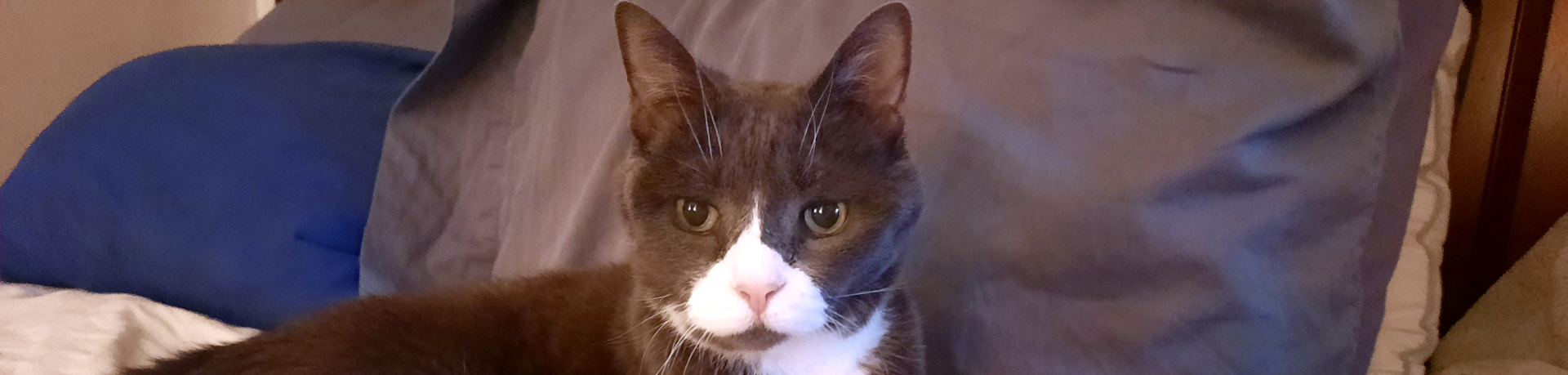
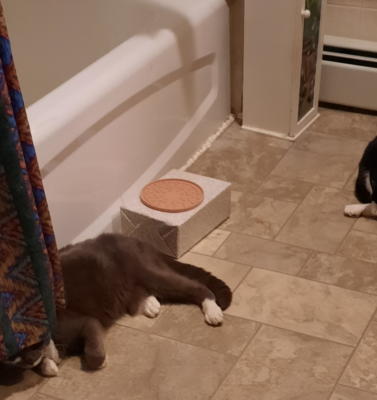
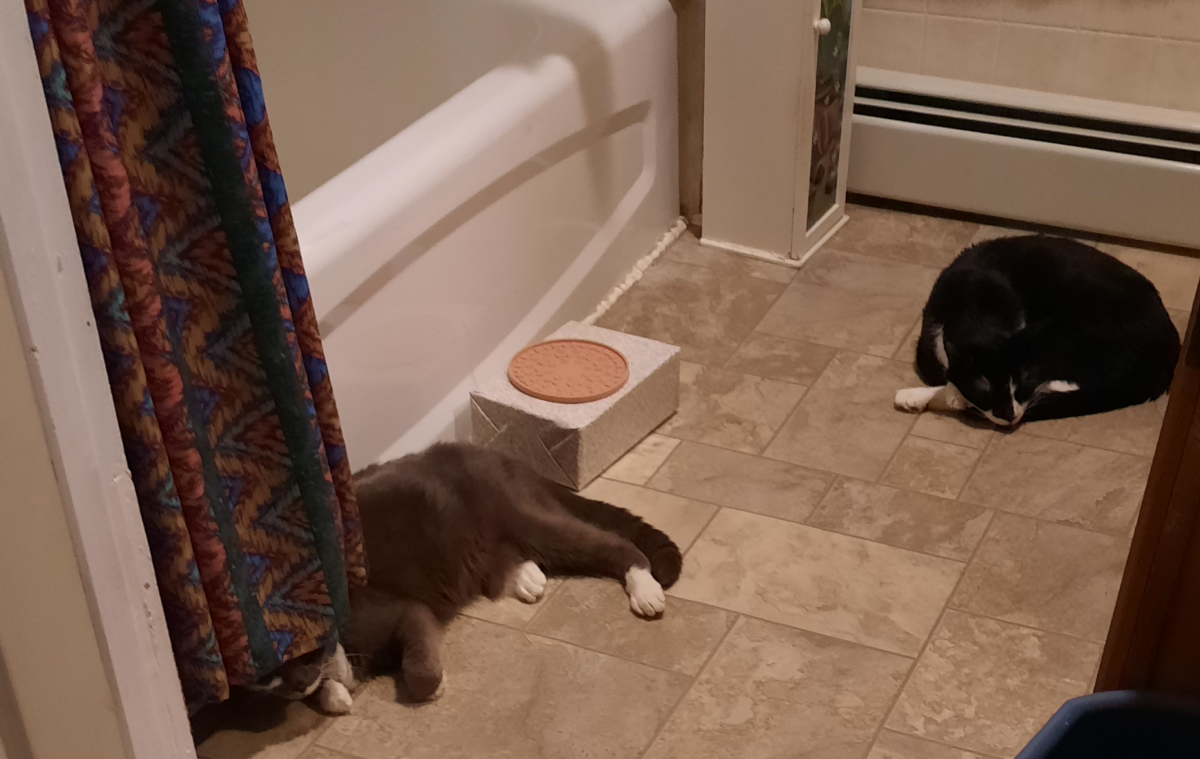
Cats are generally drawn to warmth. A sunny windowsill, a soft blanket, or a favorite bed near a heating vent can become a regular sleeping spot. However, some cats with hyperthyroidism develop a noticeable preference for cooler places. They may abandon familiar bedding and begin resting on bathroom tiles, hardwood floors, porcelain sinks, or inside an empty bathtub.
For someone familiar with their cat’s daily habits, the change can be puzzling. A cat that previously spent hours curled up in a warm bed might suddenly prefer stretching out on the kitchen floor, even when the house feels comfortable. This behavior has a recognized connection to feline hyperthyroidism, a condition that increases metabolic activity and can make cats less tolerant of warmth.
Heat intolerance receives less attention than the more familiar symptoms of hyperthyroidism, including weight loss, increased appetite, and excessive thirst. Nevertheless, veterinary endocrinology literature describes changes in sleeping location as a possible sign of the disease. Understanding the physiology behind this preference can help pet owners recognize changes in their cat’s comfort and determine when those observations deserve further attention.
How Hyperthyroidism Affects Body Heat Production
The thyroid glands are located in a cat’s neck, with one lobe on each side of the windpipe. They produce hormones that help regulate metabolism, influencing how the body uses nutrients, produces energy, and maintains normal organ function. When these glands produce excessive thyroid hormones, the body’s metabolic processes accelerate.
This increased metabolic activity affects more than appetite and body weight. As cells consume energy, they also generate heat through normal biochemical processes. Excess thyroid hormones increase the body’s overall energy expenditure, which can contribute to greater internal heat production and reduced tolerance for warm environments.
The Merck Veterinary Manual’s discussion of hyperthyroidism describes how excessive thyroid hormones increase metabolic activity and produce widespread physiological effects. These changes help explain why affected cats may become restless, develop an increased heart rate, and lose weight despite eating more than usual. Heat intolerance fits within this broader pattern of accelerated metabolism.
Increased heat production does not necessarily mean that a hyperthyroid cat has a fever. Fever involves changes in the body’s temperature-regulating system, usually associated with illness or inflammation, while hyperthyroidism increases metabolic heat production. A cat may therefore become uncomfortable in a warm environment without having a persistently elevated core body temperature.
The distinction matters because temperature preference alone cannot establish whether a cat is overheated, feverish, or simply seeking a more comfortable resting place. A cat choosing a cool floor may be responding to increased metabolic heat, but the behavior does not provide a reliable measurement of body temperature or thyroid hormone activity.
Why Cool Floors and Bathtubs Become Appealing
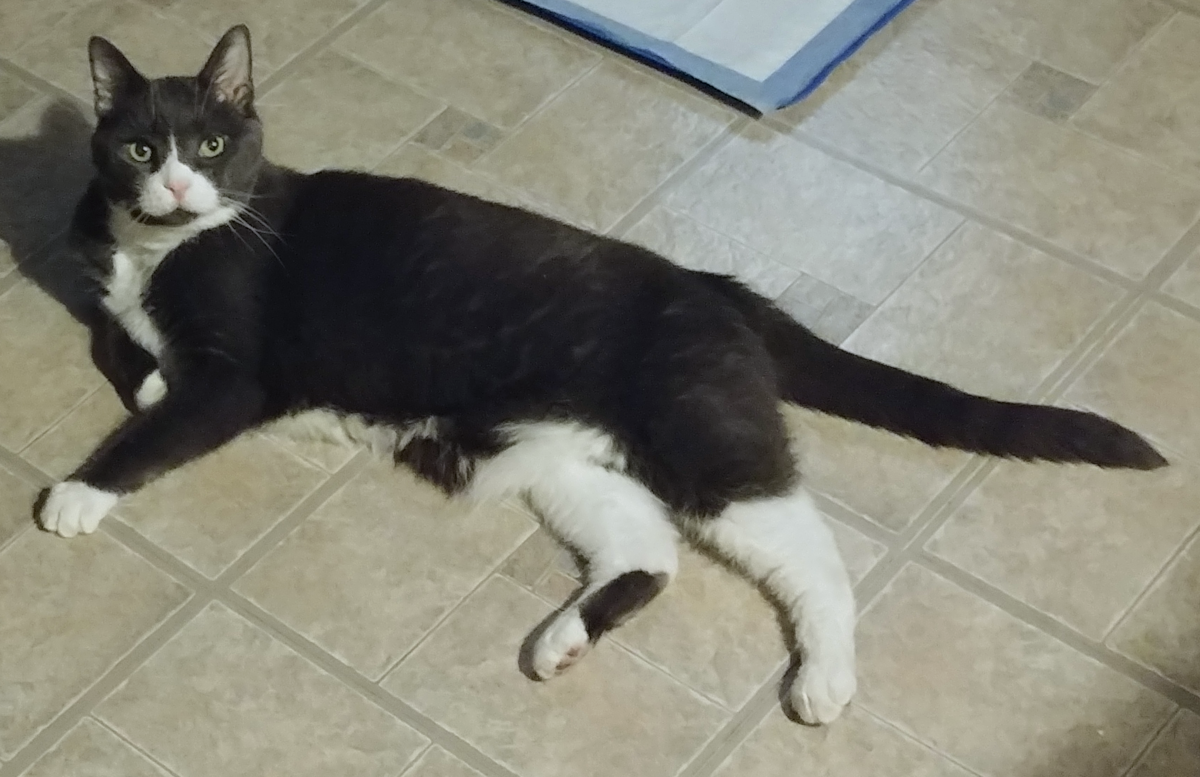 Cats exchange heat with their surroundings through several physical processes, including direct contact with surfaces. When a cat lies on material that is cooler than its body, some heat can transfer from the animal into that material through conduction. Tile, stone, and porcelain often feel cooler than carpeting or upholstered furniture because they conduct heat more effectively.
A cat stretched across a bathroom floor may experience greater contact with the cool surface than one resting in a tightly curled position. The actual amount of heat transferred depends on the surface temperature, the surrounding air, the cat’s fur, and how much of its body touches the material. A cool floor may provide some relief even though the insulating properties of fur limit heat transfer.
Porcelain sinks and bathtubs offer similar conditions when their surfaces are cooler than the surrounding environment. Bathrooms may also contain shaded areas that receive less direct sunlight, making them appealing resting locations. A cat that previously preferred warm bedding might begin spending more time in these areas because they feel comfortable.
This behavioral change has been recognized in veterinary endocrinology. In the 2015 textbook Canine and Feline Endocrinology, veterinary specialist J. Catharine Scott-Moncrieff describes how some hyperthyroid cats reverse their normal preference for warm sleeping places and instead choose cool tile floors or bathtubs. The discussion of heat intolerance in feline hyperthyroidism characterizes the behavior as a subtle clinical sign that pet owners may notice.
The observation is useful, although the evidence has limitations. Heat intolerance is recognized as a possible manifestation of hyperthyroidism, but there is insufficient evidence to establish how frequently affected cats change their sleeping locations or how strongly the behavior correlates with thyroid hormone concentrations. Some hyperthyroid cats continue seeking warm places, while others alternate between cool and warm resting areas.
Sleeping posture may offer additional context. A cat feeling warm may stretch out with its limbs extended, increasing the body surface exposed to the surrounding air. Cats also stretch out when relaxed, however, so an extended sleeping position should not be interpreted as evidence of heat intolerance without other supporting observations.
Recognizing Changes Alongside Other Hyperthyroidism Symptoms
A change in sleeping preference becomes more meaningful when it differs from a cat’s established routine. Finding a cat resting on cool kitchen tiles during summer is generally unremarkable. Discovering that the same cat has stopped using its usual heated bed during colder weather may deserve closer attention, particularly when changes in appetite, activity, or body weight have also appeared.
Hyperthyroidism most commonly affects middle-aged and older cats, and its symptoms can develop gradually. The Cornell Feline Health Center’s overview of hyperthyroidism identifies weight loss, increased appetite, excessive drinking and urination, vomiting, diarrhea, and hyperactivity among the commonly recognized signs. Some affected cats also develop a poor coat condition or become unusually vocal.
Restlessness can make changes in sleeping behavior more noticeable. A cat that previously slept for long, uninterrupted periods may begin moving between rooms, pacing, vocalizing, or settling briefly before changing locations. Increased activity can occur during the day or overnight, sometimes disrupting a household routine that has remained consistent for years.
Weight loss is particularly informative because it can occur despite an enthusiastic appetite. A cat may consume larger meals or repeatedly request food while gradually losing muscle mass and body condition. This change can be difficult to recognize beneath a thick coat, especially when an owner assumes that eating well indicates good health.
Not every hyperthyroid cat displays the typical pattern of increased activity and appetite. Some cats become lethargic, weak, or less interested in eating, a less common presentation sometimes described as apathetic hyperthyroidism. Concurrent illnesses may also alter or obscure the expected symptoms, making diagnosis more complicated than recognizing a single characteristic behavior.
A preference for cool surfaces is most useful when considered alongside these broader changes. It may contribute to the history provided during a veterinary examination, but it cannot distinguish hyperthyroidism from other medical or environmental influences.
Other Reasons Cats May Prefer Cooler Sleeping Areas
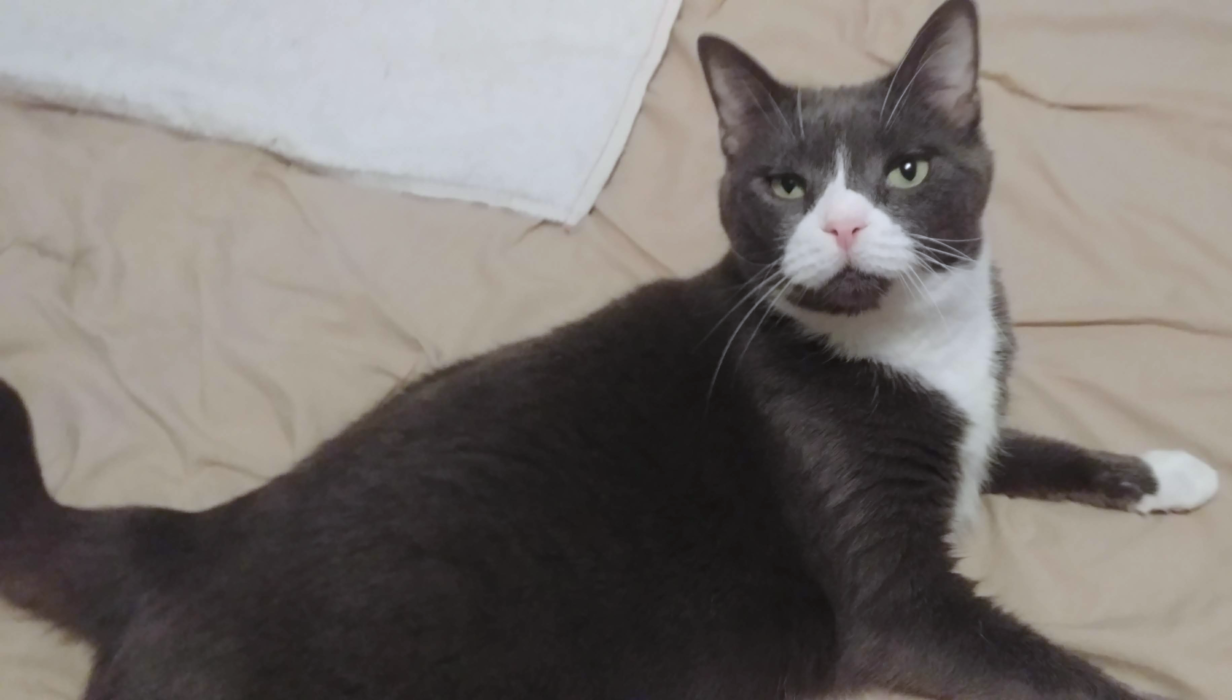 Cats without thyroid disease regularly adjust their resting locations according to environmental conditions. Summer temperatures, direct sunlight, indoor heating, and humidity can influence how comfortable a particular sleeping area feels. A cat moving from a sunny windowsill to a shaded floor during warmer weather is responding to an ordinary change in its surroundings.
Household activity can also affect sleeping preferences. A favorite bed may become less appealing if another animal starts occupying it, a room becomes noisy, or furniture is rearranged. Some cats choose bathrooms and other quiet areas because they offer privacy rather than a noticeably cooler temperature.
Mobility limitations provide another possible explanation, especially in older cats. Arthritis, muscle weakness, or reduced mobility can make climbing onto furniture uncomfortable, encouraging a cat to sleep closer to floor level. A hard surface may be easy to reach even when it provides less cushioning for painful joints.
Illnesses unrelated to hyperthyroidism can also change a cat’s resting behavior. Fever, pain, respiratory problems, and general physical discomfort may alter activity and sleeping patterns, although cool-surface seeking is not a reliable diagnostic sign of these conditions. The presence of additional symptoms helps determine whether the change is likely to be medically significant.
This is particularly relevant for cats already receiving thyroid treatment. A newly developed preference for tile flooring should not automatically be attributed to uncontrolled thyroid hormone production. Older cats may have several medical conditions at once, and changes in their behavior can reflect more than one influence.
Cardiovascular Changes and Heat Intolerance
Excess thyroid hormones place additional demands on the cardiovascular system. A hyperthyroid cat’s heart may beat faster and work harder to support the body’s increased metabolic activity. Over time, uncontrolled hyperthyroidism can contribute to changes in heart muscle and, in some cats, clinically significant heart disease.
High blood pressure is another recognized concern. The Cornell Feline Health Center’s information on feline hypertension identifies hyperthyroidism and chronic kidney disease among the conditions commonly associated with increased blood pressure in cats. Persistent hypertension can damage organs, including the eyes, kidneys, heart, and brain.
These cardiovascular complications deserve attention, although they should not be assumed to cause a cat’s preference for cooler surfaces. Heat intolerance is associated with increased metabolic activity, while heart disease and hypertension are separate potential consequences of excessive thyroid hormone production. Their symptoms may overlap, particularly when a cat becomes restless or develops changes in breathing.
Respiratory changes require careful distinction from ordinary temperature-seeking behavior. A hyperthyroid cat may have an increased respiratory rate, but persistent rapid breathing can also indicate heart disease, respiratory illness, pain, or another medical problem. Breathing that becomes noticeably faster or more labored while a cat is resting warrants prompt veterinary assessment.
Open-mouth breathing, pronounced abdominal effort during breathing, or obvious respiratory distress is an emergency in cats. These symptoms should not be dismissed as a normal response to feeling warm, particularly in an older cat with a known cardiovascular condition. Immediate veterinary care is appropriate when breathing becomes difficult.
Environmental overheating presents a separate concern. The Cornell Feline Health Center’s heat safety recommendations identify excessive panting, drooling, weakness, collapse, vomiting, and diarrhea as possible signs of heatstroke. A cat showing signs of overheating should be moved to a cooler environment, gently cooled with cool rather than ice-cold water, and given immediate veterinary attention.
Helping a Hyperthyroid Cat Stay Comfortable at Home
 A cat experiencing heat intolerance may benefit from access to several resting areas with different temperatures and surfaces. Providing options allows the animal to choose where it feels comfortable throughout the day. There is generally no reason to remove familiar warm beds simply because a cat has begun sleeping on tile.
If the cat prefers a bathroom or kitchen floor, the location can remain available as long as it is safe and accessible. Rugs, cleaning supplies, electrical cords, and household traffic should be considered when evaluating the area. A quiet location with good ventilation may provide a more comfortable environment than a busy room exposed to direct sunlight.
Commercial cooling mats are another option, although they are not necessary for every cat. Products intended for pets should be selected carefully, particularly when a cat has a habit of chewing unfamiliar materials. Gel-filled mats that become damaged or begin leaking should be removed to prevent accidental ingestion of their contents.
Cold packs and frozen objects should not be placed directly against a cat’s skin for extended periods. Excessive cold can damage tissue, and a cat with limited mobility may have difficulty moving away from an uncomfortable surface. If a wrapped cooling aid is offered, the cat should remain free to leave the area whenever it chooses.
Maintaining a comfortable household temperature is also helpful during warm weather. Fans can improve air circulation, while shaded rooms and air conditioning may offer relief during periods of extreme heat. A cat should still have access to warmer resting areas, especially when age, low body weight, or concurrent illness makes prolonged exposure to cold uncomfortable.
Fresh drinking water deserves particular attention because excessive thirst and urination are common symptoms of hyperthyroidism. Multiple accessible water bowls can be helpful in larger homes or for cats with mobility limitations. Some cats prefer water fountains, although a fountain is an additional option rather than a replacement for reliable access to drinking water.
Increased water consumption does not guarantee that a cat is adequately hydrated. Cats with poorly controlled hyperthyroidism or concurrent kidney disease may lose substantial amounts of water through increased urination. Changes in thirst, litter box output, appetite, or general condition should be considered together when evaluating hydration and ongoing care.
For cats with arthritis, floor-level sleeping arrangements may create another practical concern. Tile provides little cushioning, and prolonged resting on a hard surface can be uncomfortable for an animal with painful joints. Keeping a low, padded bed nearby gives the cat another accessible choice without requiring it to jump onto furniture.
Can Hyperthyroidism Treatment Change Sleeping Preferences?
Successful treatment of hyperthyroidism reduces excessive thyroid hormone activity and can improve many of the disease’s clinical signs. As metabolism returns toward a more normal level, some cats may become more comfortable in the warm sleeping areas they previously avoided. This is a reasonable physiological expectation, although changes in sleeping preferences have not been established as a reliable measure of treatment success.
Other cats may continue choosing cool floors despite having well-controlled thyroid hormone levels. Household temperatures, personal preferences, mobility limitations, and established routines can continue influencing where they rest. A cat returning to its favorite blanket is encouraging from a comfort standpoint, but that behavior cannot confirm that its thyroid levels are normal.
The 2023 American Animal Hospital Association guidelines for feline hyperthyroidism describe the importance of accurate diagnosis, appropriate treatment, and monitoring for concurrent disease. Available treatments include antithyroid medication, radioactive iodine therapy, surgical removal of overactive thyroid tissue, and a prescription iodine-restricted diet.
Each option carries different considerations. Methimazole reduces thyroid hormone production and requires ongoing monitoring, while radioactive iodine can eliminate overactive thyroid tissue and is considered a potentially curative treatment. Surgery involves anesthesia and evaluation of the cat’s overall condition, while iodine-restricted dietary treatment requires exclusive feeding of the prescribed diet to be effective.
Kidney function is an especially important consideration during treatment. Hyperthyroidism increases blood flow through the kidneys and can make underlying kidney dysfunction less apparent on laboratory testing. When thyroid hormone levels are brought under control, previously concealed kidney disease may become more evident.
Veterinary follow-up therefore involves more than measuring thyroid hormones. Kidney values, blood pressure, clinical condition, and other laboratory findings may influence treatment decisions and monitoring schedules. These assessments help distinguish expected improvements from complications or unrelated changes in the cat’s health.
A cat becoming unusually lethargic, losing its appetite, or developing new symptoms during treatment should be evaluated rather than having medication adjusted based on behavior alone. Sleeping preferences can provide useful context, but they cannot determine whether a prescription dose is appropriate. Changes to thyroid medication require veterinary assessment and guidance.
Recording Sleeping Changes Without Overcomplicating Daily Care
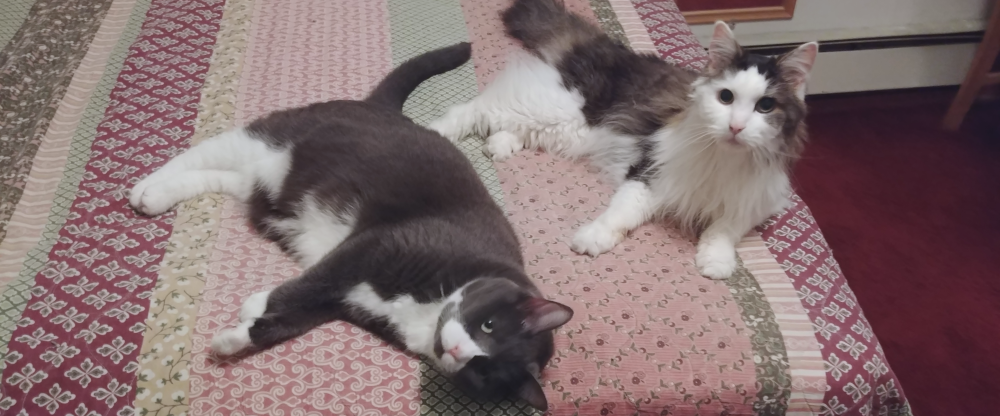 Having cared for numerous cats with hyperthyroidism, including Belle and Paws, we understand the value of recognizing changes in ordinary household behavior. Sleeping locations are not usually the first observations people think to document, yet a consistent shift away from previously favored resting places can be worth recording. This information becomes more useful when considered alongside eating habits, body weight, activity, and other health changes.
A simple record can identify when the new behavior began and whether it follows any recognizable pattern. For example, an owner might document that a cat has started sleeping on bathroom tiles during cool weather, no longer uses a familiar bed, or moves frequently between resting locations. Recording the approximate room temperature can help distinguish a persistent preference from a response to seasonal conditions.
Photographs may also provide useful context, particularly when a cat’s resting posture or location has changed substantially. These observations do not require constant supervision or elaborate measurements. A brief note made when something unusual occurs is often enough to preserve details that might otherwise be forgotten before a veterinary appointment.
For cats receiving treatment, keeping medication records alongside the dates of laboratory testing can make changes easier to discuss. Appetite, drinking, urination, body weight, and activity provide a more complete picture of how the cat is doing between appointments. The timing of a behavioral change may be informative, although it does not establish that medication or thyroid hormone fluctuations caused it.
Owners can also observe breathing while a cat is relaxed and sleeping comfortably. Persistent changes in resting respiratory rate or effort are worth reporting, especially in cats with known heart disease. A short video of unusual breathing can sometimes provide useful information for veterinary assessment, provided obtaining it does not delay necessary care.
When a New Sleeping Preference Deserves Veterinary Attention
A cat that occasionally sleeps on a cool floor while otherwise eating, moving, and behaving normally may simply enjoy the location. A persistent change in a previously consistent sleeping routine deserves more attention when it develops alongside unexplained weight loss, increased appetite, excessive thirst, or unusual restlessness. These combined observations provide a reasonable basis for arranging a veterinary examination and discussing thyroid testing.
Diagnosis generally involves a physical examination and blood testing, particularly measurement of total thyroxine, commonly called T4. Some cats with early hyperthyroidism have T4 values within the laboratory reference interval, so additional testing or repeat measurements may be appropriate when clinical suspicion remains. Kidney function and blood pressure are also relevant because of the conditions that frequently accompany thyroid disease in older cats.
For a cat already diagnosed with hyperthyroidism, a change in sleeping location may help describe how its comfort has changed since treatment began. The observation is more useful when it can be compared with laboratory results, body weight, and other clinical findings. It should not be used independently to judge whether thyroid disease is improving or worsening.
A cat that prefers cooler surfaces can usually be allowed to continue using them, provided the location is safe and the animal can move freely between resting areas. If hard flooring is becoming a regular sleeping spot, nearby cushioning and easy access to water can accommodate the preference without interfering with the cat’s choices.
Over time, it may be useful to see whether those preferences change as thyroid hormone levels stabilize. Some cats may resume using warm beds, while others may continue enjoying the bathroom floor for reasons unrelated to their medical condition. The practical value lies in recognizing a genuine change, preserving enough information to place it in context, and providing comfortable surroundings while the underlying disease receives appropriate care.