
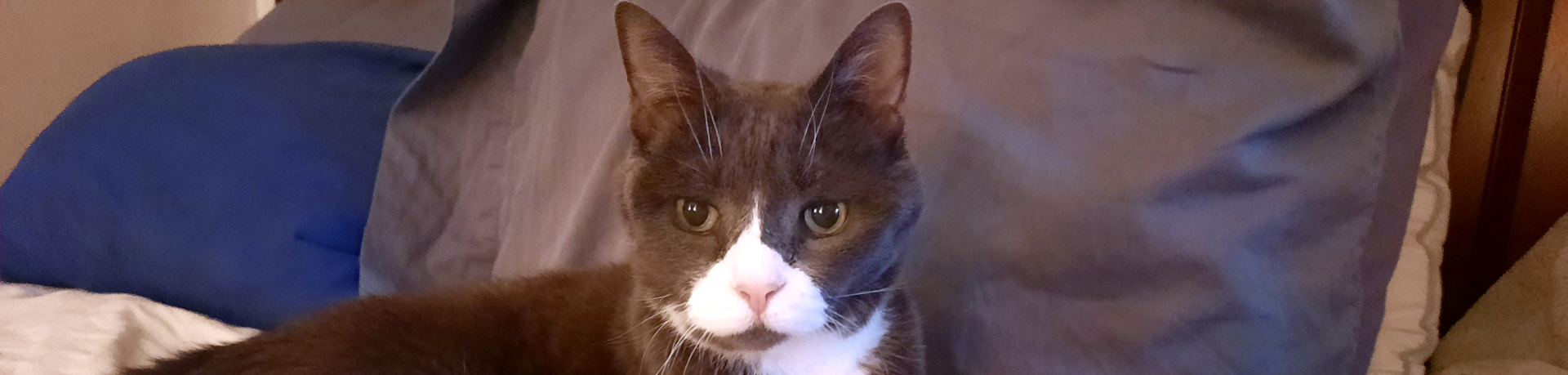
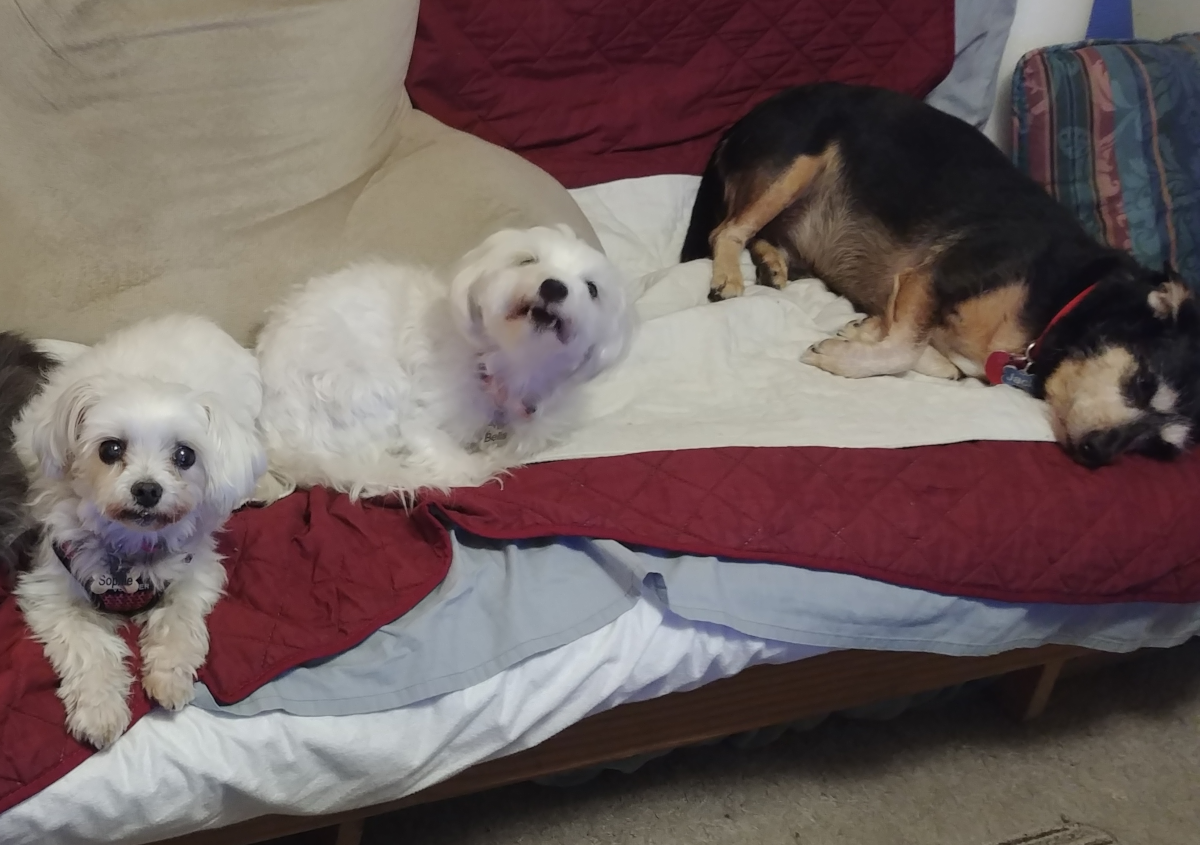
The day a dog or cat came home can be worth celebrating long after the adoption paperwork has been tucked away. An adoptiversary marks that arrival, whether it happened through a shelter, a rescue group, or a personal arrangement. For someone sharing a home with a senior pet, the occasion offers a chance to revisit those early days and spend time doing something the animal still enjoys.
The form of the celebration may change over the years. A dog that once welcomed an afternoon hike might now enjoy a slow walk along a familiar path, and a cat that used to leap after toys may prefer a few minutes of play on the floor. Planning around those present-day preferences makes the anniversary more enjoyable than trying to recreate an activity the pet has outgrown.
Begin With Your Pet’s Current Preferences
Before choosing an outing or buying a gift, think about how your pet spends an ordinary good day. Notice which places they seek out, whether they approach for affection, and how long they usually engage with play before resting. Those habits offer a practical guide to what might make the anniversary pleasant.
Changes in activity deserve some thought, particularly if an animal is reluctant to jump, slow to rise, or unwilling to take a familiar walk. Such behavior may reflect pain or another health problem rather than a simple loss of interest. The American Animal Hospital Association’s senior care guidance on pain management explains that chronic pain in older dogs and cats can appear through subtle changes in movement and behavior. A new limitation should be assessed rather than treated automatically as an inevitable part of aging.
Once you know what feels comfortable, keep the plans modest enough to change. A pet might eagerly begin an activity and then lose interest sooner than expected. Giving them the opportunity to leave, rest, or settle beside you respects that limit without turning the afternoon into a test of stamina.
Plan an Activity Your Dog or Cat Can Enjoy
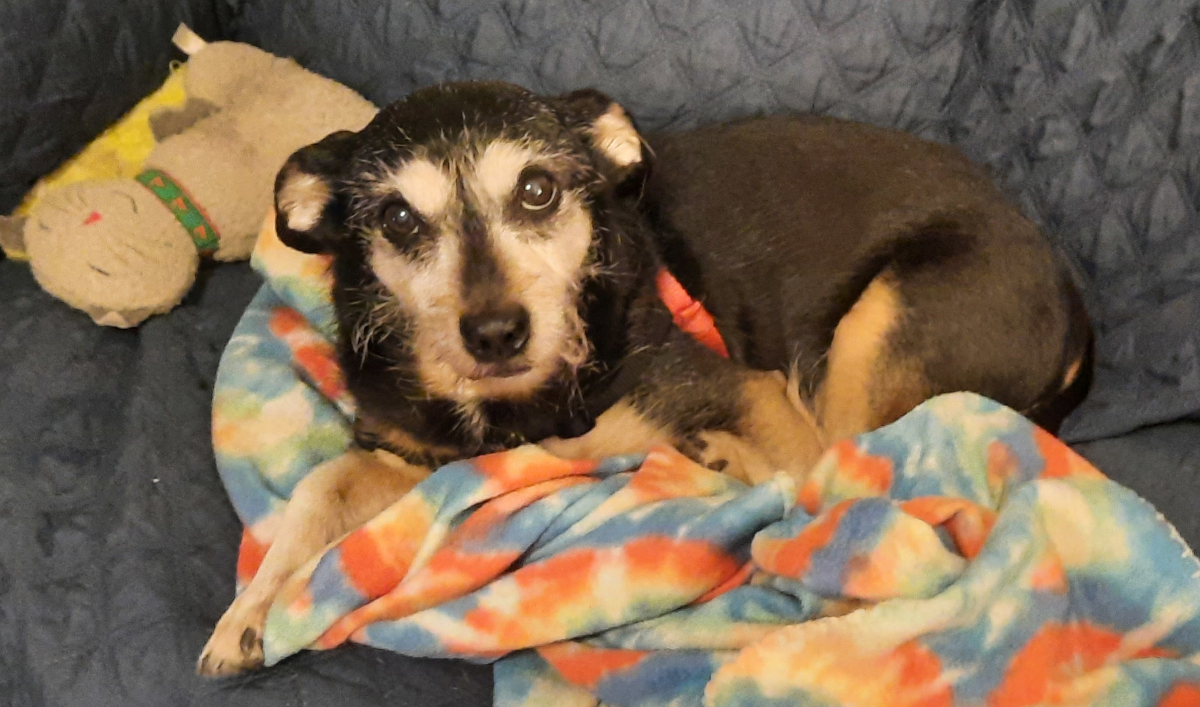 For a senior dog, an adoptiversary outing might be a visit to a familiar park, a short walk on level ground, or extra time investigating scents along the usual route. There is no need to cover a particular distance. A dog that enjoys stopping to sniff can have an engaging outing while traveling only a short way from home.
Choose a route with stable footing and somewhere to rest, and pay attention to weather conditions that may make an outing uncomfortable. A dog with significant joint pain, heart disease, or breathing problems may need a different activity plan, based on established veterinary advice. If walking is difficult, time together in a quiet yard or on a shaded porch may suit the dog better.
Cats often prefer activities within their established surroundings. A brief session with a wand toy moved along the floor, a comfortable place to watch birds, or a cardboard box set near a favorite resting spot can provide interest without requiring strenuous jumping. Supervise toys with strings or detachable parts, and put them away when play ends.
The AAFP and ISFM Feline Environmental Needs Guidelines describe cats’ needs for safe resting places, opportunities to play, and choice in their interactions with people and surroundings. These are general feline welfare recommendations, not a prescription for how every older cat should celebrate. If your cat walks away from the toy or prefers to remain in a familiar resting place, let that be the activity they choose.
Keep Special Food Within Familiar Dietary Limits
An anniversary meal is an appealing idea, but rich table scraps and unfamiliar pet treats can be troublesome, especially for an animal on a therapeutic diet. Dogs and cats with diabetes, kidney disease, pancreatitis, food allergies, or other medical conditions may need specific ingredients, portions, or feeding schedules. A celebration is a poor occasion to experiment with food that could upset digestion or interfere with established care.
One simple option is to set aside part of the pet’s regular daily food allowance and offer it differently. A dog could search for a few pieces of its usual kibble on a clean snuffle mat, provided the activity is safe for that dog. A cat might enjoy a small portion of its normal food in a familiar puzzle feeder, as long as the feeder is easy to access and use.
For otherwise healthy animals, the Tufts University veterinary nutrition discussion of treats recommends keeping extras to no more than about 10% of daily calories so the main diet remains nutritionally balanced. That figure is an upper limit for general treat planning, not permission to add new foods to a medically restricted diet. Using a portion of a prescribed food as the treat may be a more suitable choice for some pets.
Avoid sharing party foods without checking their ingredients. The U.S. Food and Drug Administration’s list of potentially dangerous items for pets identifies chocolate, onions, and garlic among food hazards; grapes, raisins, and the sweetener xylitol are particular concerns for dogs. If a pet eats a potentially toxic food, seek veterinary or animal poison-control advice promptly instead of waiting to see whether symptoms develop.
For a pet receiving insulin, keep its prescribed feeding and medication routine intact. Even a well-intended change in meal timing or quantity can complicate diabetes management. Extra attention at the usual mealtime is enough to distinguish the day without changing that routine.
Create a Calm Occasion at Home
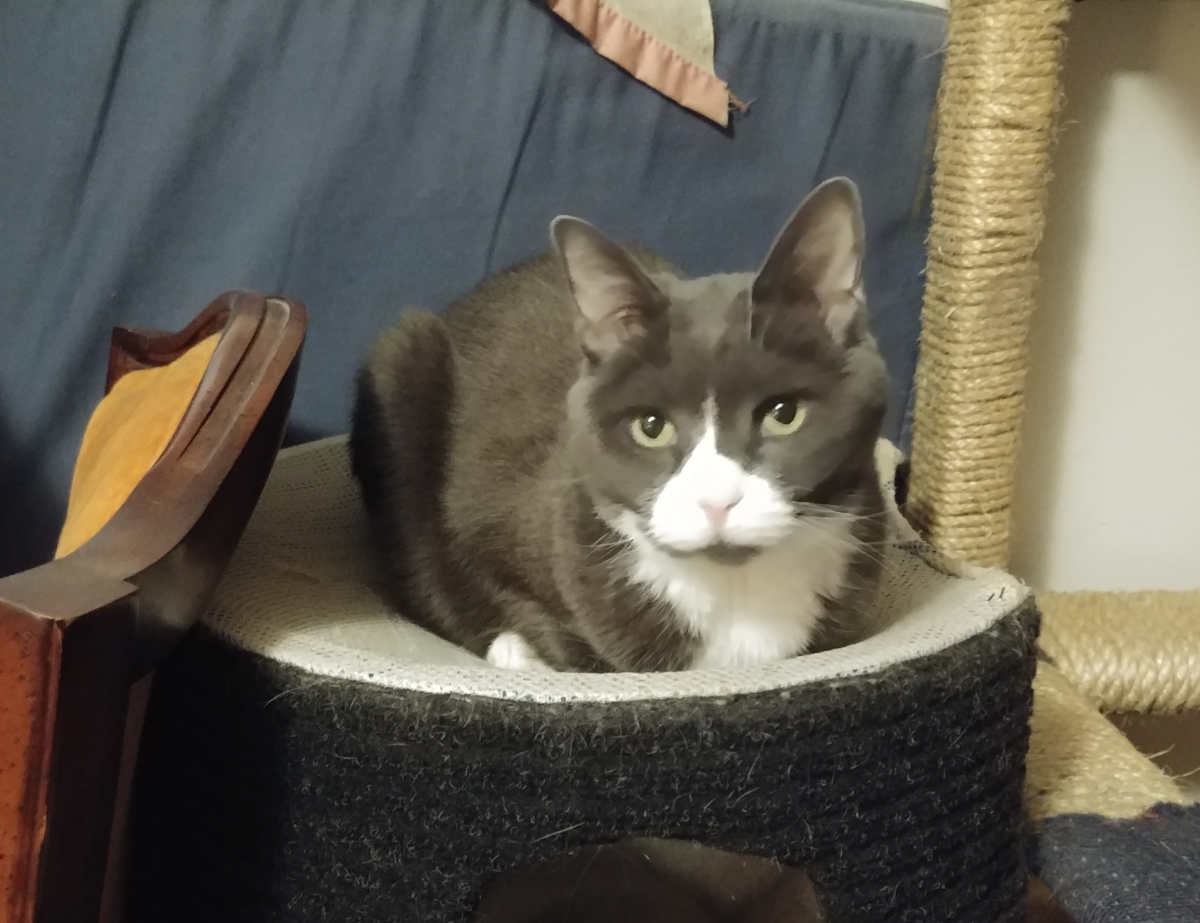 Party hats, balloons, crowded rooms, and unfamiliar visitors may make a cheerful photograph, but they can also interfere with a pet’s comfort. Some senior dogs enjoy greeting guests, while others tire quickly or become unsettled by noise and repeated handling. Let the animal’s usual response to visitors determine whether company belongs in the plan.
Cats may react to household changes that people barely notice. The Ohio State University Veterinary Medical Center’s guidance on feline life stressors identifies visitors and changes in the home environment as possible sources of stress for susceptible cats. If friends or relatives come over, make sure your pet can withdraw to a familiar resting area where nobody follows or disturbs them.
Consider the safety of decorations as well. Ribbons, string, confetti, small party favors, and unattended candles can introduce hazards that were not there the day before. You can take a memorable photograph using natural light, a favorite blanket, and the room where your pet normally relaxes, without asking them to tolerate a costume or an unfamiliar setup.
Give Something That Makes Daily Life Easier
A gift can be useful long after the adoptiversary has passed. Look at the places your pet visits most often and whether any part of reaching them has become awkward. A washable nonslip runner across a slick floor, an appropriately placed bed, or an easier route to a favorite spot may improve everyday access.
For cats, consider whether the litter box has a low enough entrance and whether a resting area can be reached without a difficult jump. For dogs, examine the path between their bed, water bowl, and the door they use to go outside. The AAHA senior care guidance supports household changes such as rugs for traction, accessible litter boxes, ramps, and suitable bedding as part of managing mobility limitations.
Not every household needs to buy equipment. Moving a bed out of a busy passageway, clearing obstacles from a familiar route, or placing an existing resting mat closer to the family can be worthwhile. If your pet has recently started slipping, avoiding stairs, or struggling with the litter box, investigate the underlying cause alongside making the area easier to use.
Remember How Your Adoption Story Began
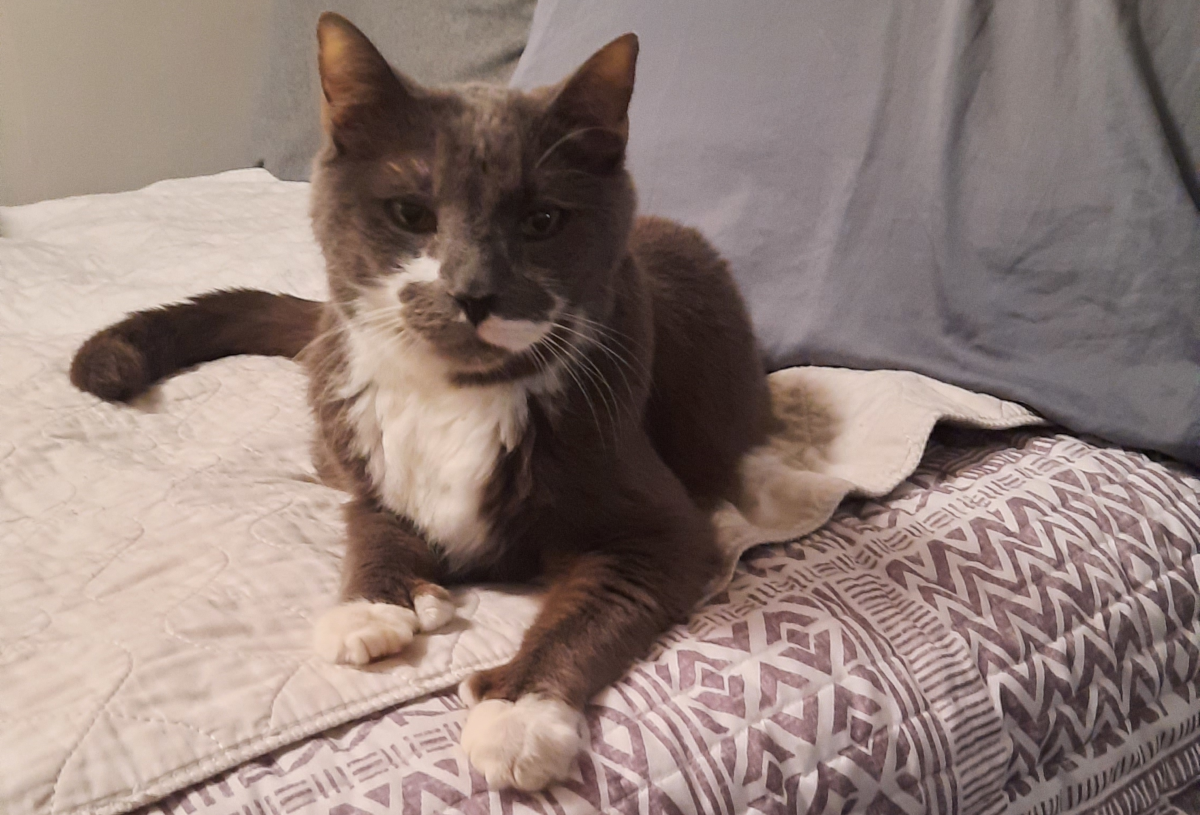 An adoptiversary provides a natural reason to look through early photographs, adoption records, or messages from the rescue group. You may have a detailed account of the animal’s life before adoption, or almost no information at all. The story you can reliably tell begins with what you know, including the first photographs and the routines that took shape afterward.
Gather a few images from different years and add short captions about what was happening at the time. A picture taken near the original adoption date can sit beside one showing the pet enjoying a familiar place today. Details such as a favorite toy, a preferred sleeping spot, or a memorable household change often make these records more personal than a collection of posed portraits.
If the exact adoption date is uncertain, choose the day your pet came into your care or another date that makes sense to you. There is no need to create a precise history where none exists. Consistently using the same date simply gives you a convenient occasion to revisit the record each year.
Include the People Who Made the Adoption Possible
Some rescue groups and shelters appreciate updates about animals placed in homes, particularly older animals who may have spent longer waiting for adoption. A recent photo and a short description of your pet’s daily life can be a considerate message to the people involved. Check whether the organization welcomes such updates and use its preferred contact method.
If you would like to mark the occasion by helping another animal, ask the rescue or shelter what it currently needs. That might mean a donation, supplies from a published wish list, or sharing the profile of a senior pet awaiting adoption. These options allow participation at different budgets and require no public celebration of your own pet.
A social media post can be another way to recognize the anniversary. Rather than describing senior adoption in general terms, share one concrete detail about your companion, such as how they spend their afternoons or which routine has become a household favorite. Specific experiences can help prospective adopters picture the practical side of living with an older dog or cat without suggesting that every placement unfolds the same way.
Adapt the Day for Pets With Chronic Illness
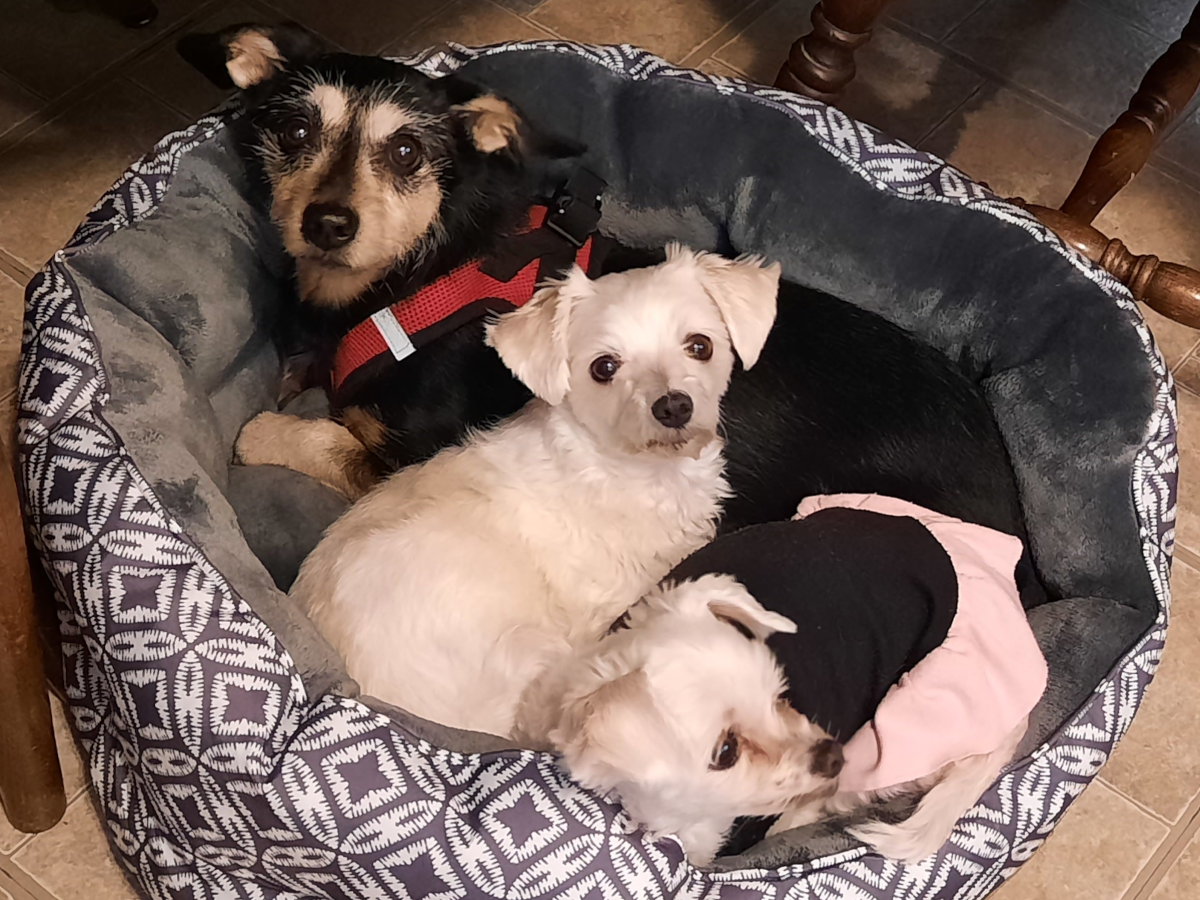 An animal managing a chronic condition can still take part in an adoptiversary, although the plan may have to fit around treatments and limited energy. Keep scheduled medications, feeding times, mobility assistance, and rest periods consistent. Choose activities that do not require the pet to endure unnecessary travel or stay awake when they would normally sleep.
Pets with reduced vision or hearing may be more comfortable with familiar arrangements. Avoid moving furniture purely for photographs, and approach an animal in a way that allows it to detect your presence without being startled. If vision, hearing, or mobility has changed recently, those changes deserve assessment rather than an assumption that they are caused by age alone.
For a pet receiving hospice or palliative care, the day’s plans may be as simple as sitting together during a comfortable period or offering a gentle interaction the animal already welcomes. Stop an activity if it brings noticeable distress, discomfort, or unusual fatigue. Difficulty breathing, collapse, seizures, or other severe sudden symptoms require emergency veterinary care, regardless of what was planned for the day.
Keep an Adoptiversary Record That Grows Each Year
A short annual entry can preserve details that are surprisingly easy to forget. Take a photograph, record a favorite activity, and write a few sentences about what your pet enjoys at this point in life. Over several years, those entries become a record of familiar habits, changing abilities, and ordinary moments that a photograph alone might miss.
A brief video can add another dimension, especially if it shows your pet moving naturally through a familiar space. The AAHA senior care guidance notes that home videos of movement and interaction can help veterinary teams evaluate mobility changes. If you notice a new difficulty, a dated clip may provide useful context at an appointment, although it cannot establish a diagnosis on its own.
The anniversary record can also help you plan next year’s activities. A note that a dog preferred shorter walks or that a cat stopped using a high perch may point toward a practical adjustment, such as a different route or a more accessible resting place. Recording what the animal still chooses and enjoys gives the tradition a useful purpose beyond the date itself.